







Maroon Peak
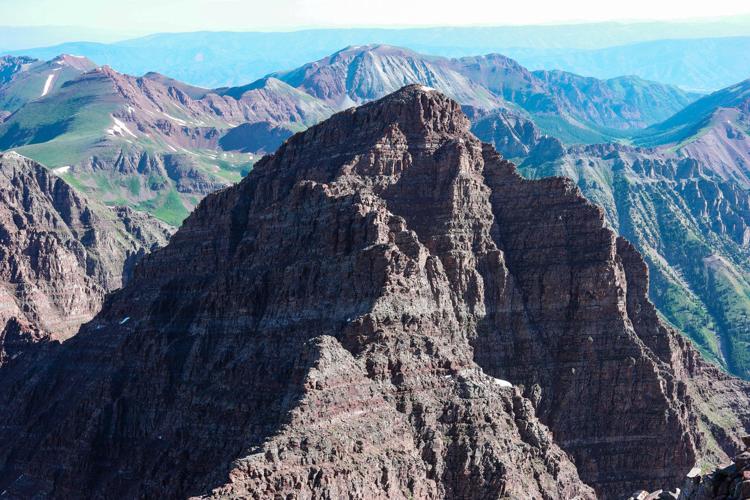
View of North Maroon Peak from atop Maroon Peak, Colorado Rocky Mountains
nick1803


.attraction-map-buttons-container {
display: flex;
flex-wrap: wrap;
justify-content: center;
margin: 20px 0 10px;
}
.attraction-map-buttons-container a {
flex-grow: 1;
flex-shrink: 1;
flex-basis: 150px;
max-width: 200px;
margin: 0 7px 10px;
font-weight: normal;
}
.attraction-activities-btns-container {
display: flex;
flex-wrap: wrap;
justify-content: center;
}
.attraction-activities-btns-container a {
flex-grow: 1;
flex-shrink: 1;
flex-basis: 150px;
max-width: 200px;
margin: 0 7px 10px;
font-weight: normal;
overflow: hidden;
text-overflow: ellipsis;
}
Things To Do
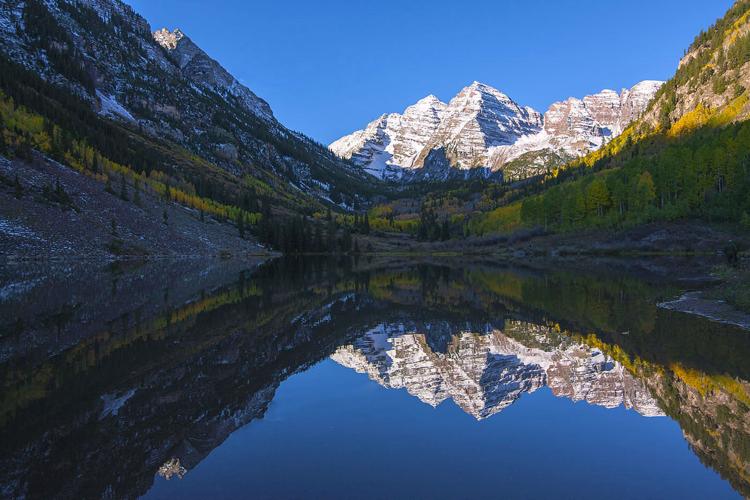
A 0.4-mile-long ridge connects Maroon Peak, Colorado’s 24th highest mountain at 14,156 feet, to 14,014-foot North Maroon Peak. The two peaks together, called the Maroon Bells, form one of the state’s best scenic vistas, especially in late September when golden aspen trees reflect in Maroon Lake. Climbers usually ascend Maroon Peak, rising 12 miles southwest of Aspen, up its South Ridge. Most then traverse over to North Maroon along an exposed and spectacular ridge. The mountain’s first known ascent was in 1908 by Percy Hagerman up the Southwest Face in 11 hours round trip. The mountain is also sometimes called South Maroon Peak.
Pro Tips
Recommended season(s): Year-round.
—Stewart M. Green


From decrepit to opulent: How 20 years of the Ellie Caulkins Opera House has elevated Denver
John Moore
john.moore@denvergazette.com
Updated 40 minutes ago
Celebrating two decades since downtown finally got a worthy home for opera, ballet, concerts and more People forget what life was like before the Ellie Caulkins Opera House. When opera fans had to head down to the basement to find...

John Moore
Reporter

Weekend things to do around Denver: Home and Garden Show and more
Emily Bejarano
emily-bejarano@gazette.com
Updated 1 day ago
No plans for the upcoming weekend? There’s still plenty of action happening around Denver and beyond to get folks off the couch. Each Thursday, explore Denver’s essential weekend events curated by The Denver Gazette. Dive into cultural experiences and entertainment...

Emily Bejarano
Reporter
For Valentine’s Day, a love letter to Colorado’s great outdoors
Seth Boster
seth-boster@denvergazette.com
Updated 1 day ago
Dearest Colorado, It is Valentine’s Day, a day to profess my love for thee. But where to begin? Where our love story begins, of course, almost 10 years ago. I was wandering in a way that some of your earliest...

Seth Boster
Reporter

Denver area events for Feb. 13
Carlotta Olson
carlotta-olson@denvergazette.com
Updated 2 days ago
If you have an event taking place in the Denver area, email information to carlotta.olson@gazette.com at least two weeks in advance. All events are listed in the calendar on space availability. Friday Bugs and Brews: Romance is Wild — With encounters, craft beverages, fun activities...

Carlotta Olson
Reporter

Colorado New Play Summit turns 20 this weekend
John Moore
john.moore@denvergazette.com
Updated 2 days ago
Arts news: Four developing scripts will be presented for future consideration on the Denver Center Theatre Company’s upcoming seasons Things are rapidly changing in the American theater. But the Denver Center Theatre Company’s place as a major player in new-play...
John Moore
Reporter

Restaurants take Girl Scout cookies to a new level | NONPROFIT REGISTER
Joanne Davidson Special to Colorado Politics
joanne-davidson-special-to-colorado-politics@denvergazette.com
Updated 2 days ago
GIRL SCOUTS OF COLORADO Denver News: Girl Scout Cookie season is in full swing, and Girl Scouts of Colorado CEO Leanna Clark is once again pleased to announce that enjoyment of the sweet treats can be enhanced by dining at Denver’s...


Hilary Duff coming to Red Rocks in first global tour in nearly 20 years
9News
9news@denvergazette.com
Updated 2 days ago
Hilary Duff’s first full-scale global concert tour in almost two decades will come to Colorado. DENVER — Summer concert season is just around the corner and the best venue in the country is busy adding shows to the 2026 calendar....

9News
Reporter
Denver area events for Feb. 12
Carlotta Olson
carlotta-olson@denvergazette.com
Updated 2 days ago
If you have an event taking place in the Denver area, email information to carlotta.olson@gazette.com at least two weeks in advance. All events are listed in the calendar on space availability. Thursday Snow Strippers — 7 p.m., Fillmore Auditorium, 1510 Clarkson St.,...
Carlotta Olson
Reporter

Thriller! Denver 12-year-old joins Broadway cast of Michael Jackson musical
John Moore
john.moore@denvergazette.com
Updated 3 days ago
Denver School of the Arts student Blake Channing Taylor, his dad and uncle ‘are going to make this work’ When I met young Blake Channing Taylor (not Tatum!) in August 2024, he was dressed as Snoopy, complete with an attached...
John Moore
Reporter
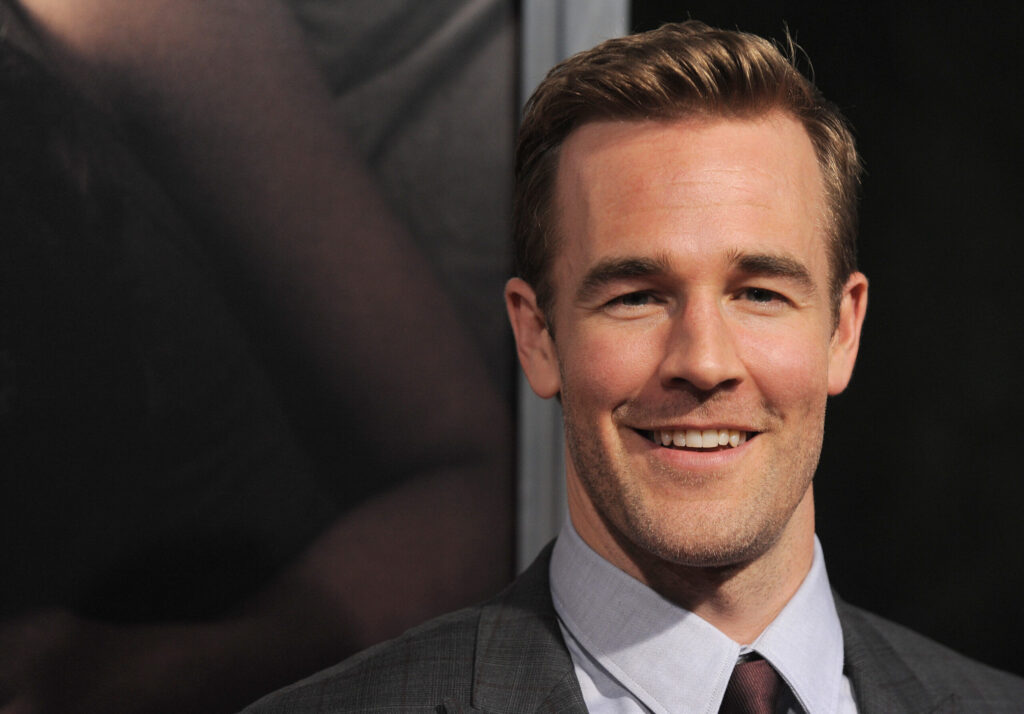
James Van Der Beek, the ‘Dawson’s Creek’ star, has died at 48
The Associated Press
the-associated-press@denvergazette.com
Updated 3 days ago
NEW YORK — James Van Der Beek, a heartthrob who starred in coming-of-age dramas at the dawn of the new millennium, shooting to fame playing the titular character in “Dawson’s Creek” and in later years mocking his own hunky persona,...

The Associated Press
Reporter