




Finger pushing
weather icon 81°F


Capitol Peak – Northeast Ridge from Capitol Lake Trail
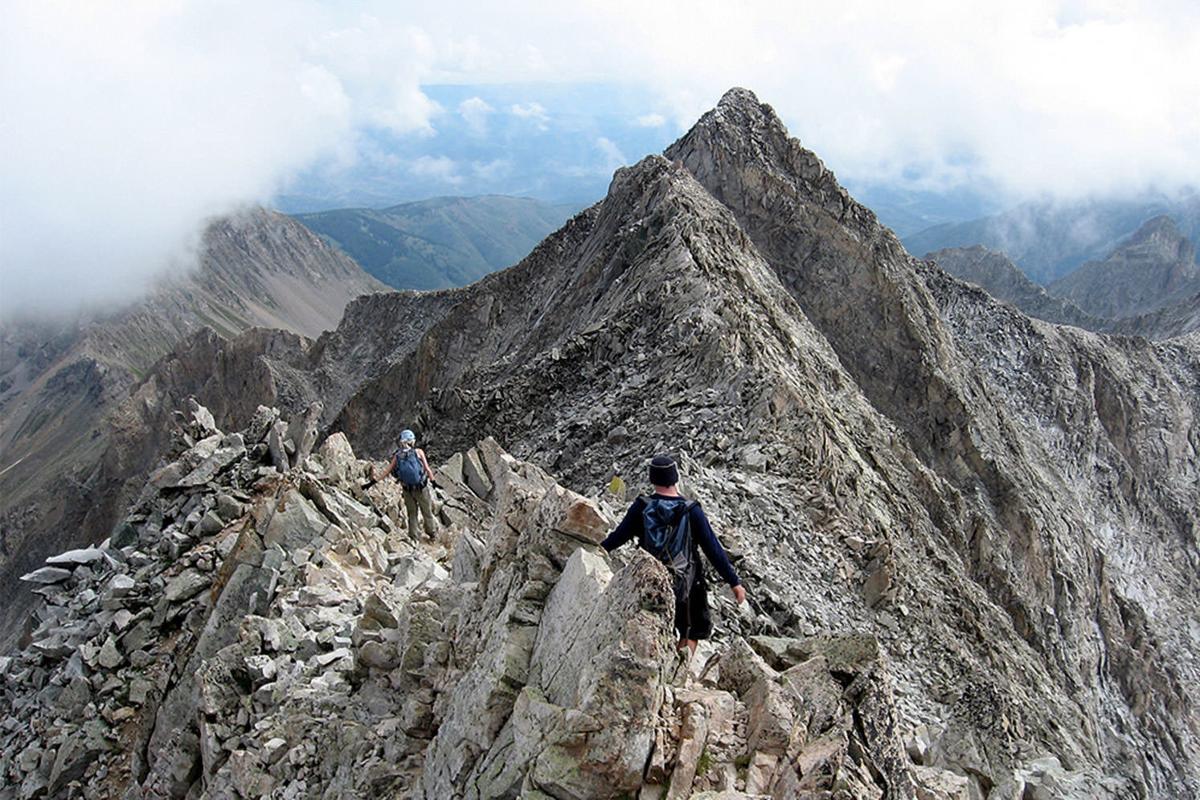
Capitol Peak – Northeast Ridge from Capitol Lake Trail

.attraction-map-buttons-container {
display: flex;
flex-wrap: wrap;
justify-content: center;
margin: 20px 0 10px;
}
.attraction-map-buttons-container a {
flex-grow: 1;
flex-shrink: 1;
flex-basis: 150px;
max-width: 200px;
margin: 0 7px 10px;
font-weight: normal;
}

.attraction-activities-btns-container {
display: flex;
flex-wrap: wrap;
justify-content: center;
}
.attraction-activities-btns-container a {
flex-grow: 1;
flex-shrink: 1;
flex-basis: 150px;
max-width: 200px;
margin: 0 7px 10px;
font-weight: normal;
overflow: hidden;
text-overflow: ellipsis;
}

Things To Do

Capitol Peak, located in the Elk Range west of Aspen, is one of Colorado’s most difficult Fourteeners to climb with its airy ridges, steep faces, and sharp summit. Capitol Peak not only looks like a big mountain, but climbs like one too. The 14,137-foot mountain is usually climbed in two days, with the first day spent backpacking to Capitol Lake and the second day climbing the standard Northeast Ridge Route. The route up Capitol is 7.8 miles one-way from trailhead to summit with an elevation gain of 5,345 feet. The highlight of the route is the famed Knife Edge, a 150-foot-long rock section that forms a horizontal blade. Climbing Capitol requires basic rock scrambling skills and a cool head since the upper route is dangerous, exposed, and subject to bad weather. The route, rated Class 3, requires scrambling on rock with potentially fatal falls. Bring and use a rope for novice climbers.

Pro Tips:

  • Route description: Begin by driving up Capitol Creek Road to Capitol Creek Trailhead. Hike 6.5 miles to campsites above Capitol Lake on the northwest side of Capitol Peak. Start early the next morning to reach the summit before thunderstorms build. Follow a trail that starts below the lake and climb grass and talus slopes to 12,480-foot Daly Pass between Capitol and Mount Daly. Follow a rough path across talus on the left side of a rocky ridge to K2, a sharp point. Scramble down steep slopes to a notch between K2 and Capitol. If the weather is bad, turn around here. Follow the ridge to the Knife Edge, a time-consuming and exposed rock ridge. Most climbers straddle the ridge cowboy-style. Rope up if necessary. Past the Edge, scramble along the ridge to a notch, and climb cliff bands up the northeast face to the summit. One-way distance is 7.8 miles; round-trip is 15.6 miles.
  • The best season to climb Capitol Peak is from early June through September. Snow is on the mountain in June so bring an ice axe, crampons, and rope. The route becomes free of snow by early July. The first snow usually falls in late September. Capitol is rarely climbed in winter since a long ski approach is required and there’s usually high avalanche danger.
  • Capitol’s summit offers stunning views, but don’t linger on top too long. Regular afternoon storms build in July and August and you don’t want to cross the Knife Edge in a lightning storm. It’s very difficult to descend from the summit pyramid and the long ridge to K2. Start your ascent before sunrise and plan to be off the ridge by noon. Watch the weather to the west and make smart decisions about turning around or continuing your ascent. Carry rain gear and extra clothes.
  • The 150-foot-long Knife Edge is one of Colorado’s most famous mountain features. When you scoot across the sharp ridge you’ll have a thousand feet of cliffs and exposure below your soles. Experienced climbers scamper across it, hand-traversing the left side with feet smeared on holds. Some ride it like they’re straddling a horse with a third point of contact—their butt—placed on the Edge. Bring a short rope to belay beginners across, especially in bad weather.
  • Recommended season(s): Year-round.

    —Stewart M. Green


    Welcome Back.

    Streak: 9 days i

    Stories you've missed since your last login:

    Stories you've saved for later:

    Recommended stories based on your interests:

    Edit my interests