







6 Poisonous Plants to Avoid in Colorado
Colorado is a beautiful place, but the scenic beauty can hide great danger, a fact that too many unfortunate explorers learn each year. Avalanches, electrical storms, falling rocks, deadly drop-offs; we have them all. But what about the danger of poisonous plants lurking in the undergrowth?
The Centennial State is home to many poisonous plants that are harmful to humans and animals. Some have to be ingested to do their dirty work while others will ruin a weekend just by brushing your skin. Here are some poisonous plants to watch out for this summer. And for the record, you should never ingest a wild mushroom, berry or anything else without consulting an expert.
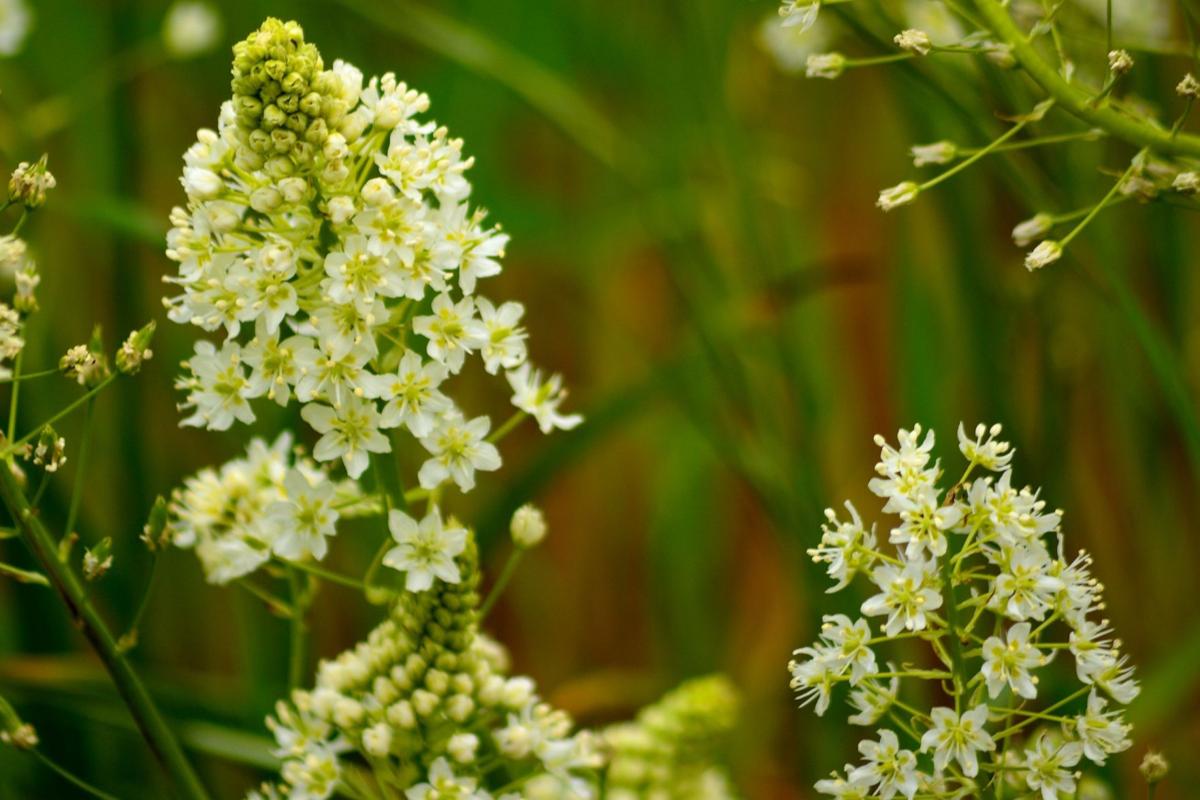
1. Death Camas

The name says it all. With little white flowers, it is sometimes mistaken for a wild onion, but ingesting it can lead to muscle spasms, low heart rate, abdominal pain, vomiting blood, coma, and death. You’ll find it in sunny meadows and dry rocky slopes. Don’t even touch it, as the stem and seeds carry the poison too.
RELATED: Which Telluride Festival Will You Add to Your Summer Bucket List?
2. Western Water Hemlock

This branching perennial can reach heights of six feet and prefers marshes and moist valleys. It’s a member of the carrot family and even resembles wild artichoke. But a single mouthful of the oily, yellow juice (cicutoxin) it carries is enough to kill an adult. The poison is mainly in the roots, but the entire plant should be avoided, as convulsions, fever, delirium, and death will shortly follow. Children have even been poisoned using the stems as whistles.
RELATED: Colorado’s Newest National Monument
3. Larkspur
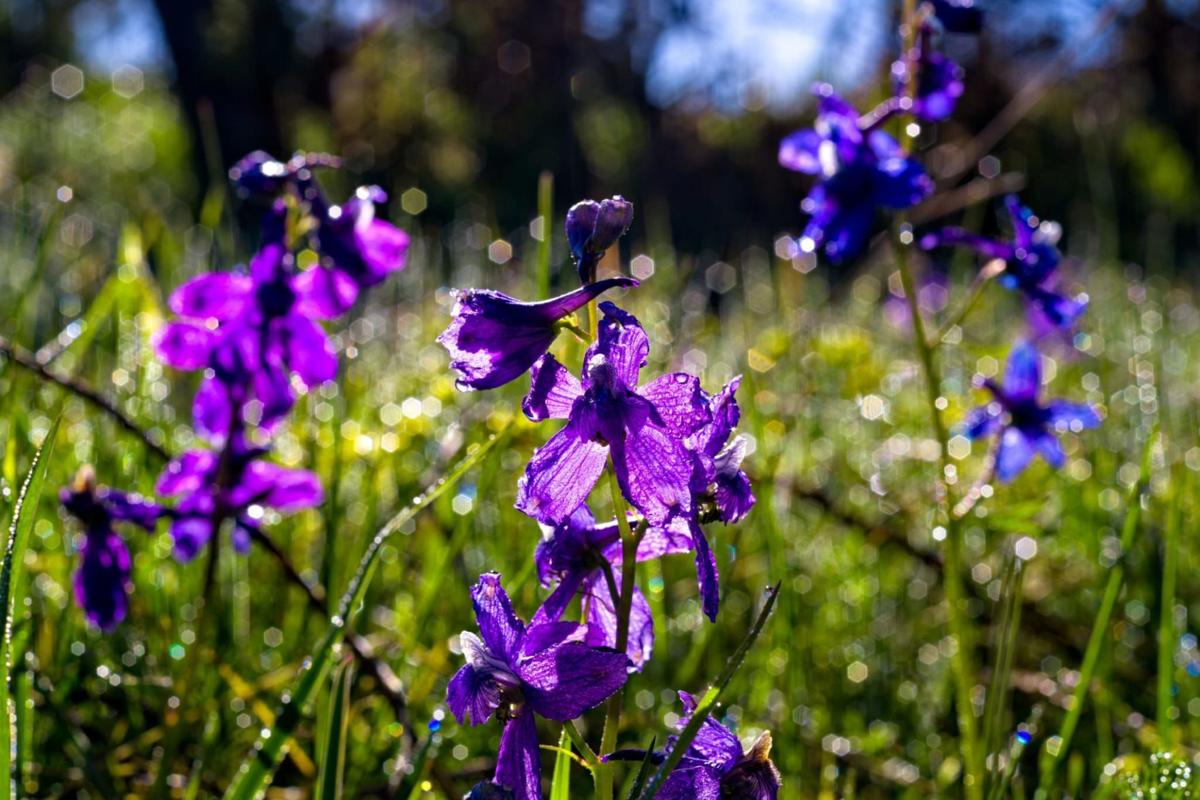
Purple Larkspur Wildflowers – Spring flowers growing in mountain meadow. Specifically, Delphinium barbeyi. Photo Credit: adventure_photo (iStock).

Purple Larkspur Wildflowers – Spring flowers growing in mountain meadow. Specifically, Delphinium barbeyi. Photo Credit: adventure_photo (iStock).
This plant is one of the many wildflowers that sprout up in mountain meadows once the snow has melted, turning barren landscapes into multi-colored wonders. It’s also known as a cattle-killer because cows like the taste, and it is often widespread where they graze in summer. Its flowers are bright blue and quite pretty, but ingesting any part of the plant can lead to paralysis, respiratory failure, and death, in both humans and livestock.
RELATED: Colorado’s Weirdest Festivals and Where to Find Them
4. Locoweed

This plant, common in semi-arid foothills and plains throughout the West, is named for the Spanish word for “crazy.” That’s because of the neurological effects on livestock of eating the plant: depression, erratic behavior, extreme nervousness, and for those that don’t recover, emaciation and eventually death. Even horses that do recover are often no longer of any use as work animals. Little is known about the effects on humans.
RELATED: The Lake Under Longs Peak
5. Lupine

Another pretty wildflower that sprouts up in mountain meadows each summer, Lupine is particularly deadly to grazing sheep. Pregnant mothers that survive often suffer miscarriages or birth defects. The poison is mainly in the seeds. In some countries, the seeds are considered a delicacy when prepared correctly. When the wild seeds are consumed, it can cause abdominal pain in adults and even death among children.
RELATED: Colorado’s Most Hikeable Volcano
6. Poison Ivy, Oak, and Sumac

Anyone who was a Cub Scout should know to avoid these (leaves of three, let it be). Colorado has all three, which are often hard to recognize because they tend to be interspersed among other types of plants. Brush against it and the skin gets itchy, red and blistered. Not everyone is allergic to all three varieties, or even any of them, but when you find out you are, you can look forward to two or three weeks of misery. Steer clear.

