







Could “Cloud Seeding” Reduce Drought in the West?
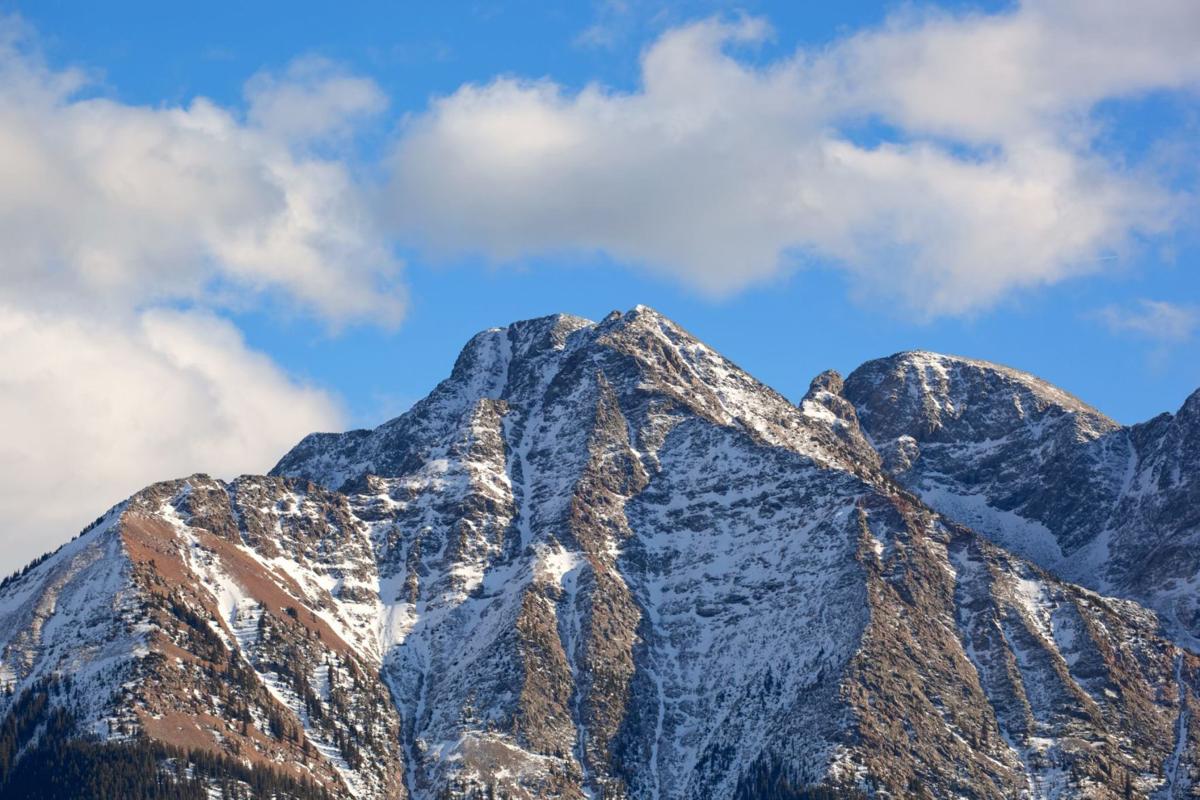
A process that involves “seeding” clouds with particles of silver iodide in attempt to cause easier formation of airborne ice crystals, some experts think “cloud seeding” might be the answer to waning water in the West. According to an article by the Washington Post, more than 100 cloud seeding machines are already operating in Colorado, costing roughly $1 million per year. While the state pays for some of this, private entities (such as ski resorts) also pay a chunk, as well as large cities states away (Los Angeles) seeking to get more snowmelt into the Colorado River.
Cloud seeding in the Rockies has been funded for 10-plus years, with Nevada’s program leading to a 10 percent increase in snowpack. Wyoming also saw success, seeing an increase in snowfall by 5 to 15 percent when certain conditions existed.
While cloud seeding has been shown to lead to increased snowfall, it’s not a fix-all for drought. If conditions are too warm or too dry, like Colorado’s 2017-2018 season, cloud seeding machines can not be used as effectively. Some experts also think that cloud-seeding may actually decrease rainfall in certain areas, specifically those downwind of seeding areas.
Is cloud seeding a feasible solution? It seems like the verdict is still out. If the aforementioned studies are accurate, it’s clear that cloud seeding can have an impact on the weather, possibly adding a new layer of economic stability to Colorado’s weather-dependent ski country. However, concerns by skeptics have this writer wondering if enough is known about the potential impact the practice might have. Frankly, it’s hard to find long-term studies that look at the impact cloud-seeding can have on health and the environment, especially those that are funded by unbiased sources. For me, there’s just not enough information to pick a side. Have a study that’s inspired your opinion? Share it with us!