







How to Break Up with Your Unsupportive Adventure Buddy
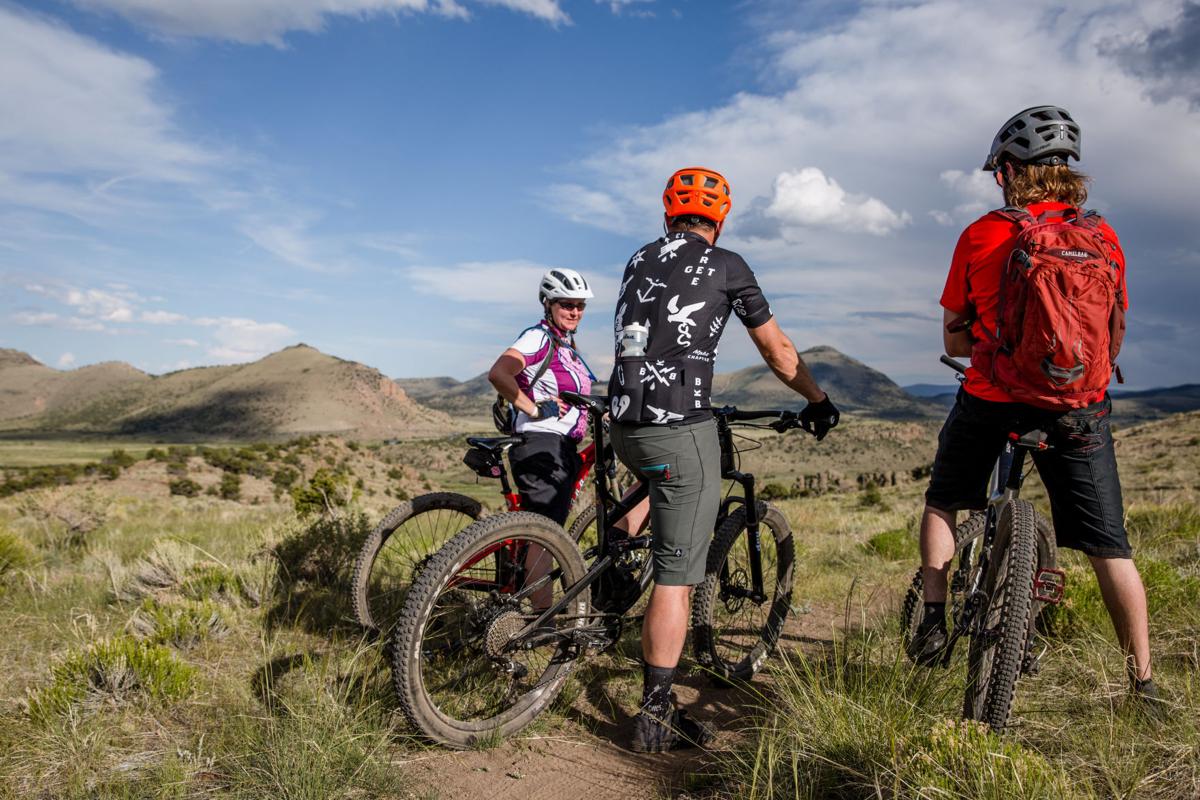
We’ve all been there. Your partner has been late nine of the ten times, they never bring enough water (so they drink yours), they keep forgetting to bring snacks (so they eat yours), they’re always complaining, and you’re not entirely sure if you can trust them in emergency situations. The hard truth? You want to dump your adventure buddy. You love them as a person, but in the outdoors, you want someone you can trust to be prepared when you need them most. So how do you do it without severing a friendship or hurting their feelings? It may be hard, but we’re here to help give you a little direction. So here are 5 steps that can help you breakup with your adventure buddy.
1. Talk to them.
Communication is key in any partnership, and having a conversation about your concerns is where to start. Maybe they don’t realize how being late annoys you, the realistic consequences of not having enough water, or how their negative attitude affects your sunrise hike. Give it to them straight, and although it may be a hard conversation to have, that talk might be what they need to motivate them to be a reliable partner.
2. Bring them on an insane adventure so that they never want to hike with you again… Just kidding.
Kidding, don’t do that. Do the opposite. Depending on your reasoning for not wanting to explore with your adventure buddy, try finding low key adventures so you can still hang out with them, but you aren’t putting yourself or them at risk. There’s nothing wrong with making them your “easy adventures buddy” and go on local hikes or bike rides that have few consequences if they are unprepared.
3. Are they still running out of water or complaining with every step they take?
Then it might be time to cut ties, and let them know. Tell them you don’t feel comfortable adventuring with someone who is unprepared and that it affects you when they are always late and that it truly ruins your adventure when they’re complaining. Being honest is hard, but it’s better to be honest about how you feel than play games. If they’re a good friend, they won’t want to put you in a situation that makes you unhappy.
4. Go with a group.
Maybe you still want to adventure with them, or maybe you’re having a hard time talking with them about the issues you have. Try going on on your adventures in a group. This gives both of you the chance to meet others who have similar interests and and similar recreation styles.
5. Start branching out on your own.
There’s nothing wrong with recreating with other people, and you shouldn’t feel guilty about not including your friend. If they ask, you can let them know what you’re doing and who you’re going with if you like, but don’t feel obligated to invite them. If you talked with them, and they hadn’t changed their ways, there’s no reason for you to continue a partnership with negative vibes or where you may not feel safe.
In the end, open communication is key. Be honest about how you’re feeling because the outdoors is the last place where you want to feel uncomfortable with your partners. They should understand this and will be grateful to know if they are doing something wrong. The outdoors can offer an infinite array of incredible experiences. Never settle for partners who make you feel uncomfortable, unsafe, or make your adventure a negative one.