







Witness an extremely rare astronomical event this November
blackphobos
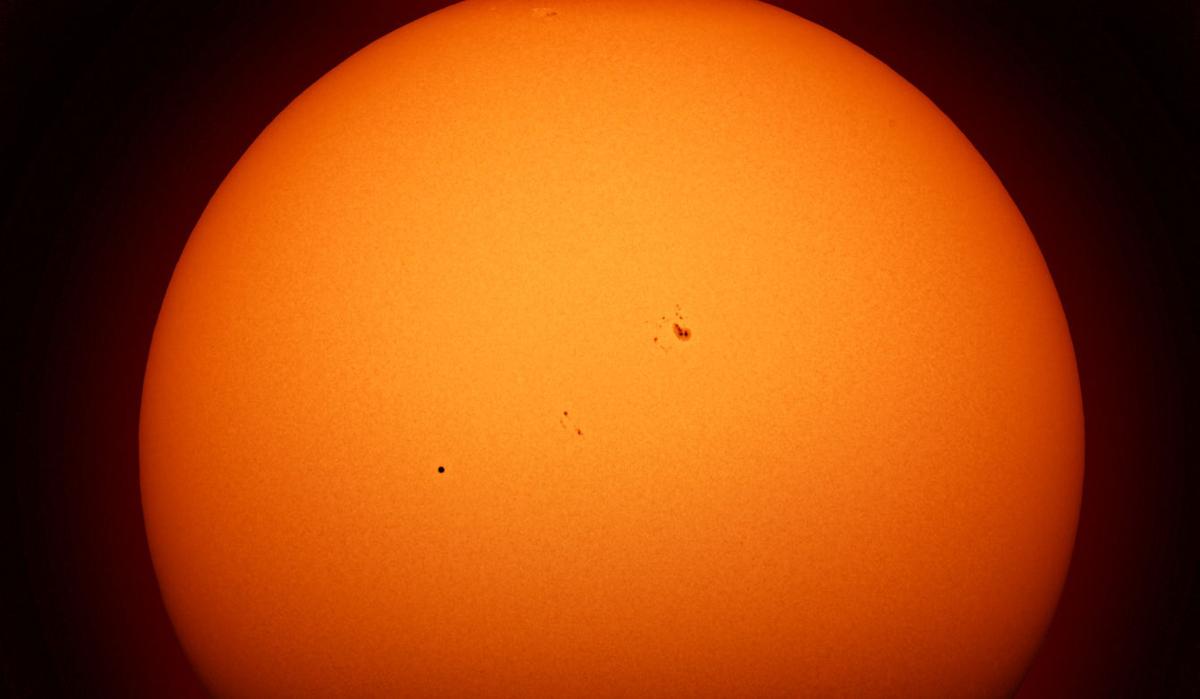
Get ready to witness a stellar show. On Monday, November 11, 2019, Mercury will appear as a tiny black dot as it glides across the face of the sun.
The Mercury Transit is a rare astronomical event that only occurs about 13 times every century. It will be widely visible from most of North America. The eastern part of the continent can expect to catch the start of Mercury’s journey across the sun’s face just after sunrise, with the western portion seeing the transit already in action as the sun rises, according to EarthSky.
One of the biggest astronomical events of 2019 will occur on Nov. 11 — and experts say you should prepare now to safely view it: https://t.co/62uLmdnjMQ pic.twitter.com/1SaasaDdsb — AccuWeatherAstronomy (@AccuAstronomy) October 17, 2019
A transit (or astronomical transit) occurs when a celestial object, such as a planet or moon, passes directly in front of another celestial object. The only two planets that can be seen transiting from the earth are Mercury and Venus.
The last Mercury transit occurred on May 9, 2016. After the transit of Mercury in 2019, the next one is not expected to happen again until 2032, according to AccuWeather. Here’s what to expect.
Visit https://science.nasa.gov/ for more.
On May 9th, Mercury will move across the face of the sun, offering a rare viewing opportunity for professional astronomers and backyard sky watchers alike.
2016 Mercury Transit: https://mercurytransit.gsfc.nasa.gov
Solar Dynamics Observatory: https://sdo.gsfc.nasa.gov/
{
“@context”: “https://schema.org”,
“@type”: “VideoObject”,
“name”: “Witness an extremely rare astronomical event this November”,
“description”: “Visit https://science.nasa.gov/ for more. On May 9th, Mercury will move across the face of the sun, offering a rare viewing opportunity for professional astronomers and backyard sky watchers alike. 2016 Mercury Transit: https://mercurytransit.gsfc.nasa.gov Solar Dynamics Observatory: https://sdo.gsfc.nasa.gov/”,
“thumbnailUrl”: “https://bloximages.newyork1.vip.townnews.com/denvergazette.com/content/tncms/assets/v3/editorial/e/94/e94dcf25-a0a5-5106-89b9-4e4dd1211adc/646451090eee9.image.jpg?resize=1200%2C675”,
“uploadDate”: “2019-10-17T09:39:20-06:00”,
“contentUrl”: “https://www.youtube.com/watch?v=Gibaxh9x7O0”
}
Among the planets in the solar system, Mercury is the smallest. This means that to see the transit, you’ll need a combination of factors including clear skies, magnification, and most importantly, proper solar eye protection.
Warning: Do not stargaze at the sun during the transit. This is incredibly dangerous. It only takes a few seconds for damage to occur. This includes distorted vision, dark or yellow spots, pain in bright light, and permanent loss of vision. Protect your eyes and enjoy the show!