







The surprising odds of colliding with wildlife in Colorado
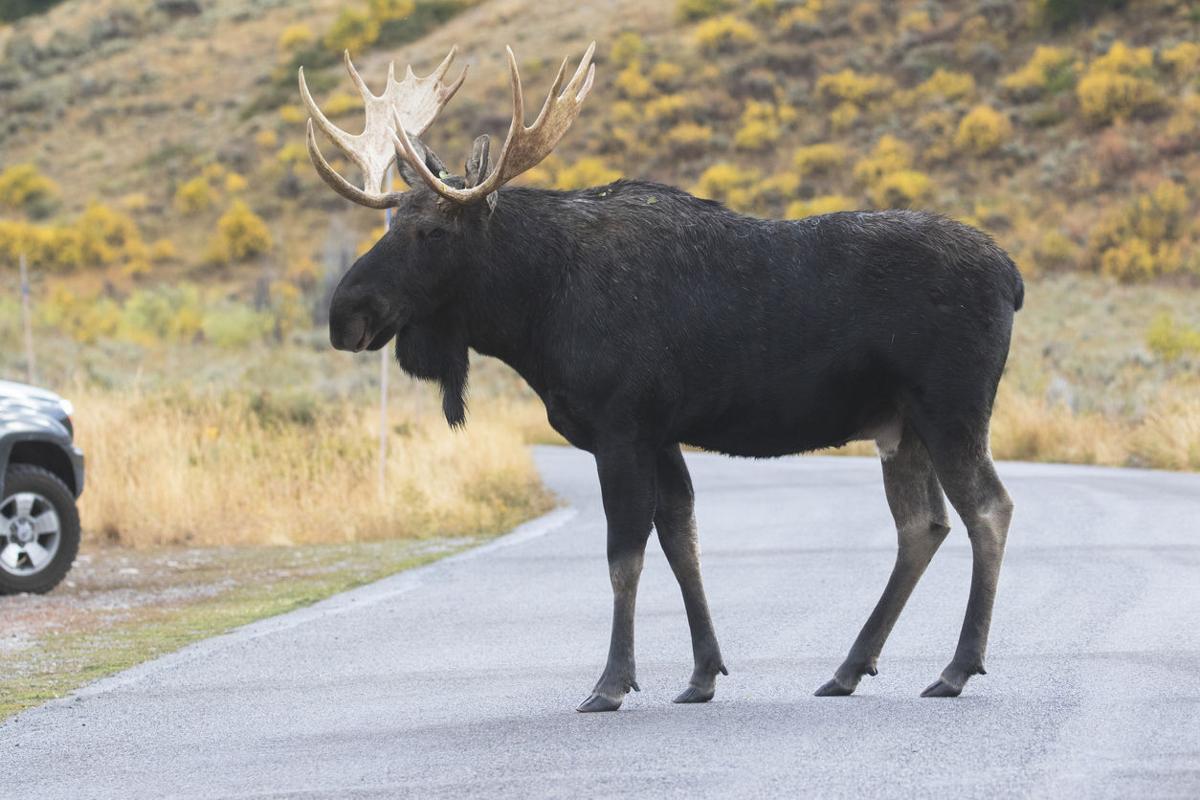
moose henderson
Be aware of wildlife on the move this fall season as you navigate through the scenic roads, highways, and mountain passes in Colorado.
Wildlife collisions are not an unusual occurrence in Colorado, home to a variety of big game animals including mule deer, elk, moose, mountain goats, bighorn sheep, antelope, and black bears. According to an annual study from State Farm®, Colorado drivers have a 1 in 186 chance of a collision with an animal, with increased risks in the months of October and November.
Overall, State Farm estimates 1.9 million animal collision insurance claims in the U.S between July 1, 2018, and June 30, 2019. Top states ranked among the highest in the nation for animal collisions include West Virginia (1 in 38), Montana (1 in 48), Pennsylvania (1 in 52), South Dakota (1 in 54), Iowa (1 in 55), Wyoming (1 in 56), Wisconsin (1 in 57), Michigan (1 in 60), Mississippi (1 in 61), and Minnesota (1 in 64). Some of the lowest states on the list include Arizona (1 in 439), California (1 in 426), Nevada (1 in 506), and Hawaii (1 in 731).
Details regarding why Colorado is low on the list despite ample wildlife were not released. Perhaps the broad expanse of mountains gives wildlife plenty of room away from the roads. It’s also worth noting that Colorado puts a high level of effort into keeping animals off the roads.
Colorado has taken several measures to avoid wildlife collisions, with most recent plans to install new wildlife crossings and more than 30 miles of deer fence as part of the I-25 South Gap project. Trail cameras have also been set up along a 10-mile stretch of I-25 between Monument and Castle Rock to better understand wildlife travel patterns. Here are a few high-risk areas motorists are urged to watch out for:
- Interstate 70 (Floyd Hill, Mt. Vernon Canyon and Eagle)
- US 285 (Morrison)
- Highway 160 (Durango to Pagosa Springs and Durango to Mancos)
- Highway 550 (north of Durango and from Montrose to Ouray)
- Interstate 25 (Castle Rock to Larkspur)
- Highway 82 (Glenwood Springs to Aspen)
- Highway 36 (Boulder to Lyons)
- Highway 93 (Golden to Boulder)
Recent snowstorms have caused wildlife to move from the high country into lower elevations. The risk of colliding with wild animals that wander onto the roads and highways is high, especially with the recent drop in daylight. Big game species including deer, elk, and moose are on the move right now as migration, mating, and hunting seasons kick off around the state. Make sure to use slower speeds, stay alert, and watch for movement alongside the roads. For more tips on avoiding wildlife collisions from Colorado Parks and Wildlife, click here.
If you’ve been involved in a wildlife-vehicle collision, please report the accident to the Colorado State Patrol by calling *CSP (star key and 277).