







CSU survey shows major public support for wolf reintroduction
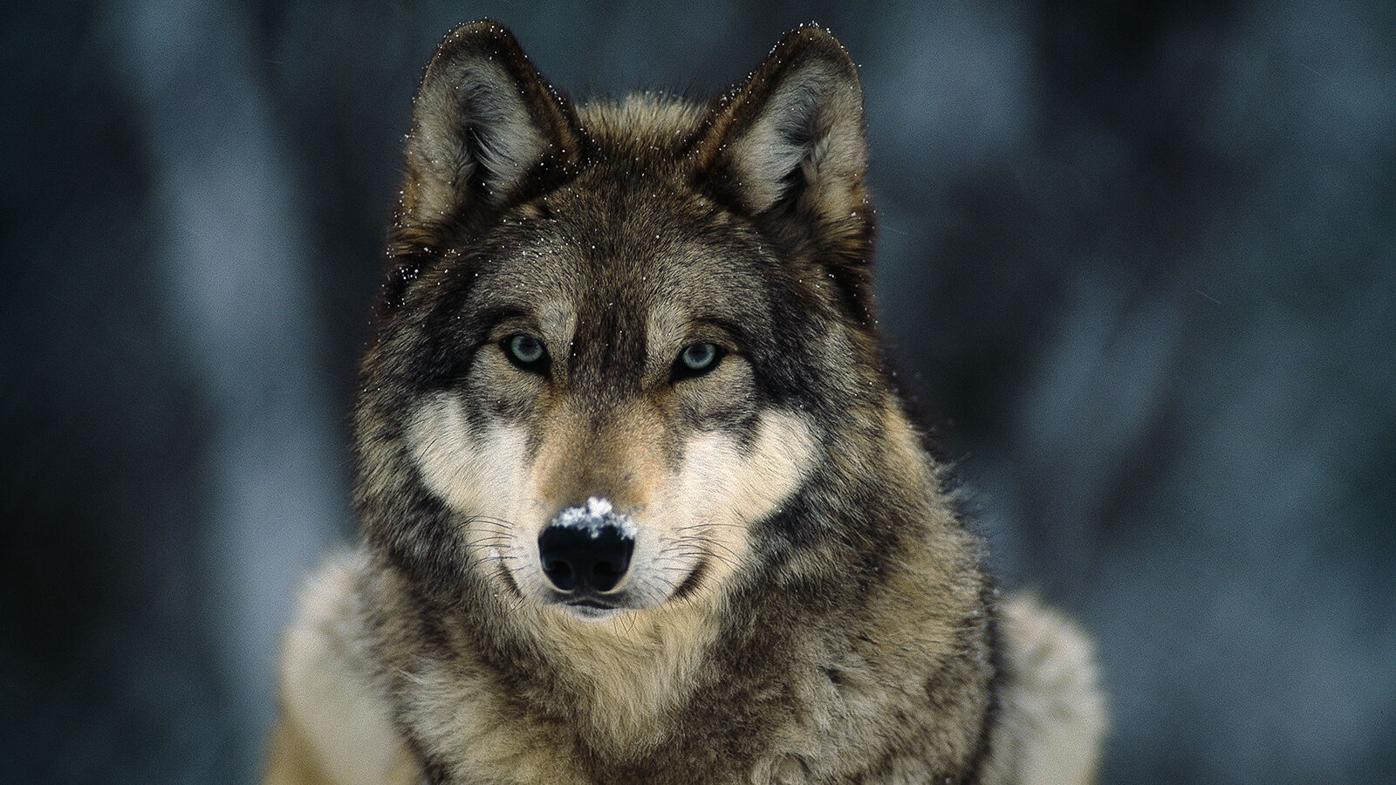
courtesy of Wikimedia Commons
Colorado State University released a survey Monday that showed overwhelming support for bringing the gray wolf back to the state.
A ballot question in November, Initiative 107, will ask Coloradans to decide, but CSU’s measure 734 survey takers last August indicated 84% support reintroduction and 16% oppose it.
The opinion cut across usual ideological and geographical lines with support consistent among residents of the Front Range, Western Slop and Eastern Plains.
Support greater than 80% held up “among those who both did and did not identify as gun rights advocates, property rights advocates, hunters, and ranchers. Individuals who identified as wildlife advocates, animal rights advocates, and conservationists indicated greater support for reintroduction than those who did not, as did pet owners compared to those with no pets.”
Support splintered, however, once researchers pressed into the conservation management details.
The survey split over limiting the number of wolves if they cause declines in deer and elk populations in certain areas, paying landowners for livestock losses and lethal removal of wolves that prey on livestock. Respondents also split on allowing wolves to be hunted if their population exceeds recover goals.
“Overall, our findings suggest a high degree of social tolerance for wolf reintroduction in Colorado across the state,” the report concludes. “However, we also find that a portion of the public believes that wolves would negatively impact their lives and livelihoods, primarily because of concerns of the safety of people and pets, loss of hunting opportunities, and potential wolf depredation on livestock.”
The Colorado Farm Bureau, the Rocky Mountain Elk Foundation and other members of the Coloradans Protecting Wildlife say the issue is one for conservation managers, not popular public opinion.
“These results illustrate the disconnect between what sounds or feels good theoretically, compared to the reality,” Shawn Martini, the vice president of advocacy for the Colorado Farm Bureau, told Colorado Politics Monday. “The facts are: wildlife experts including state and federal agencies have studied wolves extensively and have decided multiple times that they should not be introduced into Colorado.
“Introducing a nonnative species of wolf will put existing wolves, other wildlife, livestock, and our state’s natural beauty at risk. These decisions should be made deliberately and by the experts, not through ballot box biology. We have found that when voters are presented with the facts related to forced wolf introduction, their support for this measure drops substantially.”
The Colorado Parks and Wildlife Commission has consistently opposed reintroduction over the years, because of its potential impact to the modern ecosystem.
If Initiative 107 passes, the state would pay about $500,000 a year for a staff of three plus other conservation and public information support, on top of “fair compensation” for livestock losses. The state would acquire and introduce about 10 wolves a year to the wild.
Elk herds in southwest Colorado are struggling and bringing in predators won’t help, according to the Rocky Mountain Elk Foundation, which opposes reintroduction.
“A forced introduction of wolves to Colorado would cost untold amounts of taxpayer dollars, redirect already limited wildlife management resources and would have a significant negative economic impact to the state,” said Blake Henning, the foundation’s chief conservation officer, said in a statement.
“In Colorado, you are dealing with about a third of the land mass of the Northern Rockies’ states but almost double the human population. A forced reintroduction would trigger the potential for real issues in the state.”
Rick Ridder, a Rocky Mountain Wolf Action Fund spokesperson, said the survey showed a unified voice of Coloradans on the issue.
“What is clear from this survey is that wolf reintroduction is a unifying issue in Coloradans.” he said. “All demographic and geographic groups support wolf restoration. Those who seek to promote a rural urban divide on this issue are only trying to divide Coloradans against one other where no such divide exists. It is clear Coloradans both urban and rural, Democrat, Republican or Independent, old and young want to restore the ecological balance in Colorado through reintroduction of wolves.”
The report “Working Report: Public Perspectives on Wolf Reintroduction and Management in Colorado,” is posted on Colorado State University website by clicking here.
This story was updated with a comment from the Rocky Mountain Wolf Action Fund.

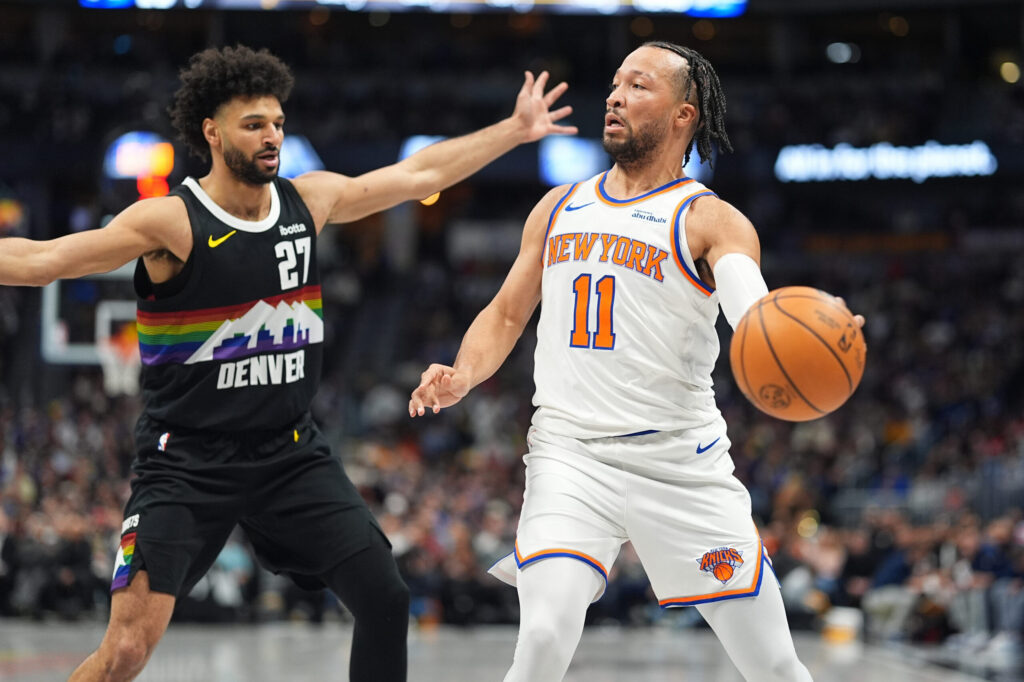
Nuggets’ starting five reunion spoiled by Jamal Murray injury, historic blowout loss to Knicks, 142-103
Vinny Benedetto
vinny.benedetto@gazette.com
Updated 7 hours ago
If health is wealth, the Nuggets weren’t rich for very long. A 142-103 loss to the Knicks on Friday at Ball Arena marked the first time Denver’s opening-night starting five — Jamal Murray, Christian Braun, Cam Johnson, Aaron Gordon and...

Vinny Benedetto
Reporter

Johnny Hicks’ shutout leads shorthanded DU Pioneers past Miami (Ohio) in Game 1 of NCHC playoffs
Tyler King tyler.king@gazette.com
tyler.king@gazette.com
Updated 8 hours ago
Johnny Hicks’ 23rd and final save of the night was arguably the biggest of his freshman season. The thud of a puck bouncing off the left pad of the Denver freshman goaltender was quickly overpowered by the cheers of an...

Tyler King tyler.king@gazette.com
Reporter

Valeri Nichushkin gets his swagger back as Avalanche mount epic comeback to beat Stars, 5-4
Evan Rawal
evan.rawal@gazette.com
Updated 8 hours ago
DALLAS – On the day the Avalanche brought back Nazem Kadri, their Choo-Choo train might have gotten his swagger back. Down a goal with less than a minute remaining, Valeri Nichushkin scored just his second goal since the calendar flipped...

Evan Rawal
Reporter

Chris MacFarland understood the assignment bringing Nazem Kadri back to Avalanche | Evan’s take
Evan Rawal
evan.rawal@gazette.com
Updated 9 hours ago
DALLAS — Chris MacFarland didn’t completely empty the cupboard, but it’s looking pretty bare right about now. That’s the cost of doing business as a contender in the NHL. “We’re going to leave no stone unturned,” MacFarland said earlier in...
Evan Rawal
Reporter
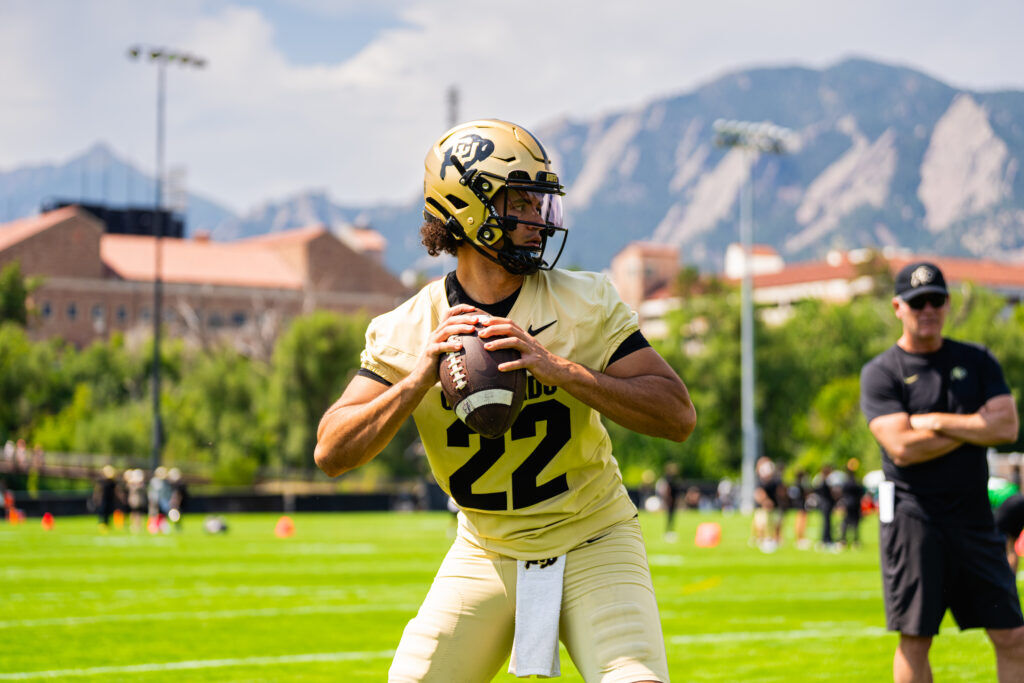
Deion Sanders, Colorado still mourning loss of Buffs QB Dominiq Ponder
Tyler King tyler.king@gazette.com
tyler.king@gazette.com
Updated 10 hours ago
Deion Sanders had trouble uttering Dominiq Ponder’s name. The Colorado coach spoke with the media Friday for the first time since the death of the 23-year-old Buffaloes quarterback, who was involved in a fatal single-car crash early Sunday morning in...
Tyler King tyler.king@gazette.com
Reporter

Nazem Kadri returns home as Avalanche reacquire Stanley Cup-winning center
Evan Rawal
evan.rawal@gazette.com
Updated 8 hours ago
DALLAS — It turns out you can go home again. After multiple reports that the Colorado Avalanche and Calgary Flames couldn’t reach a trade agreement this week, both sides finalized a deal just before Friday’s deadline that brings Nazem Kadri...
Evan Rawal
Reporter

Air Force women hope experience, intangibles unlock run in the MW Tourney
Brent Briggeman
brent.briggeman@gazette.com
Updated 10 hours ago
Little tangible evidence suggests a run might be in the works for the Air Force women’s basketball team in the Mountain West Tournament. But this is the time of year for intangibles to work their magic, and that’s the hope...

Brent Briggeman
Reporter

Broncos plan to bring back Devon Key, Dondrea Tillman, Jordan Jackson, won’t tender Lucas Krull
Chris Tomasson
chris.tomasson@gazette.com
Updated 10 hours ago
The Broncos plan to do the obvious and bring back all four of their exclusive-rights free agents. Sources said Friday the Broncos plan to place one-year, $1.075 million tenders on safety Devon Key, outside linebacker Dondrea Tillman, defensive lineman Jordan...

Chris Tomasson
Reporter
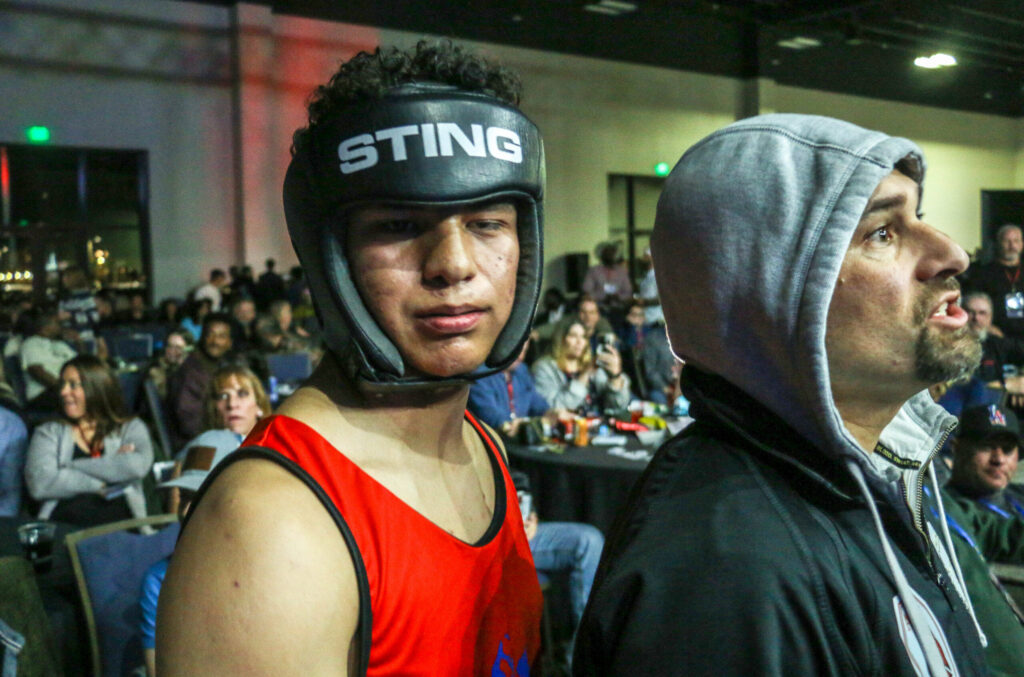
Battle of the Badges connects cops, community and cancer
John Moore
john.moore@denvergazette.com
Updated 14 hours ago
For Aurora and Denver first responders, the gloves come on for a good time and a good cause Guns down, gloves up. That was the mantra last Saturday night for the 30 Denver and Aurora police officers, firefighters, corrections officers...

John Moore
Reporter
Hiker missing overnight in area of state park found walking along I-25
Spencer McKee
spencer@outtherecolorado.com
Updated 12 hours ago
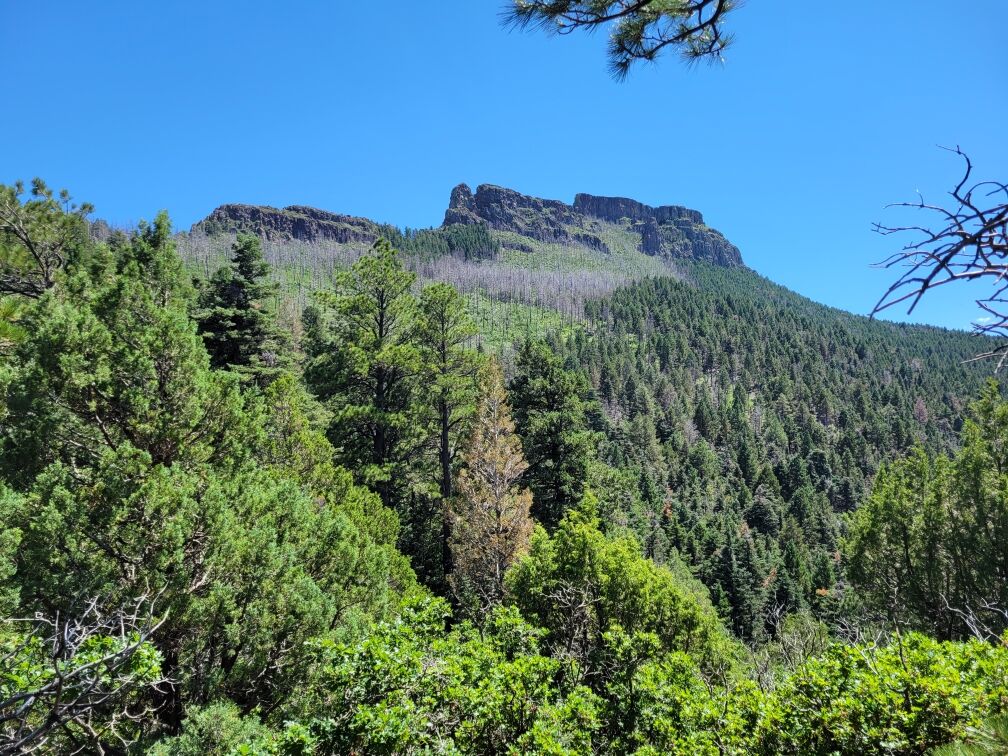
A hiker was missing overnight in the area of Fishers Peak State Park after splitting ways with their hiking group. According to a press release from Colorado Parks and Wildlife, CPW personnel along with local first responders launched a search...

Spencer McKee
Reporter