







Is Colorado ready for COVID-19 to hit?
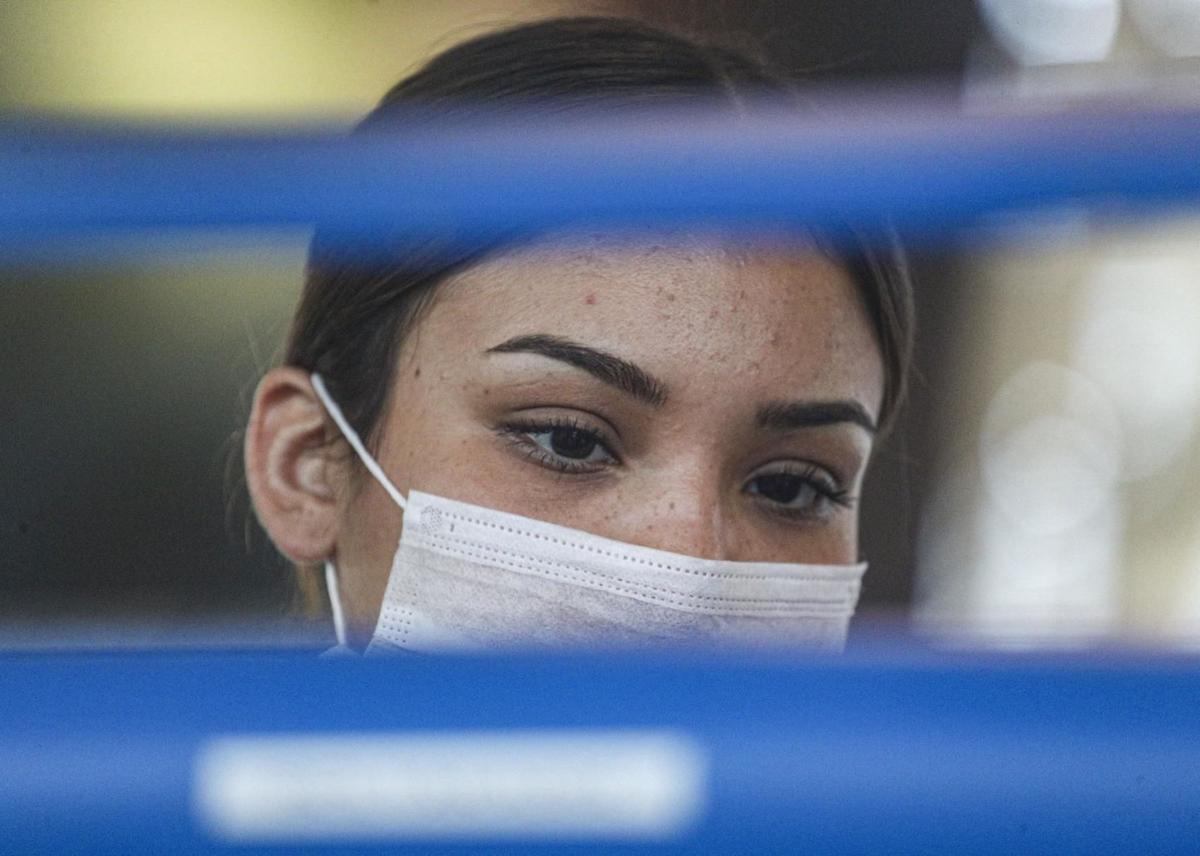
State officials sought to ease public panic about the coronavirus Tuesday, assuring that health officials were “prepared” for “if and when” the virus spreads to Colorado.
Gov. Jared Polis said in a statement that all state agencies were directed to implement the State Emergency Operations Plan, typically used in natural disaster incidents such as fires and floods. If activated, the plan gives the Director of the Office of Emergency Management responsibility over response efforts.
“We are working closely with the federal government and organizations across our state, including county health departments,” Polis said in the statement. “We have a plan, and will take every precaution and every step necessary to ensure our communities are safe and public health is protected.”
Fear and uncertainty about the virus have left some local grocery chains and pharmacies reporting a shortage of or limitations on sanitation and cold-fighting supplies.
King Soopers’ online shopping site on Tuesday displayed a message stating, “Due to high demand and to support all customers, we will be limiting the number of sanitation, cold and flu related products to 5 each per order.”
Sales of hand sanitizers in the U.S. were up 73% in the four weeks ending Feb. 22 compared with the same period a year ago, according to the Nielsen market research firm.
It’s unclear if the grocery store was implementing the restriction at stores as well. Kroger representatives could not be reached Tuesday for comment.
Globally, the World Health Organization announced Friday that COVID-19 outbreak — the official name of the coronavirus — has reached the “highest level” of risk for the world. The death toll in the United States from the virus rose to nine people Tuesday, all of them in Washington state. Most of the victims were residents of a Seattle-area nursing home.
The number of infections in the U.S. overall climbed past 100, scattered across at least 15 states, with 27 cases in Washington alone.
As of Tuesday, there were no confirmations of the virus in Colorado. Twenty-nine people in the state who showed symptoms similar to the coronavirus have tested negative, and results for an additional eight people are still pending, according to state data.
Pikes Peak region officials have said residents remain at low risk for contracting the disease that has sickened more than 80,000 people worldwide and caused nearly 3,000 deaths since it broke out in China. Officials said washing hands frequently and disinfecting surfaces are the best ways to prevent its spread.
Colorado Rep. Scott Tipton said in a statement Tuesday that healthcare providers in rural communities need to be part of the fight against the disease. Tipton, who represents the state’s 3rd Congressional District, which includes most of the western half of the state, said providers have faced diminishing medical supplies because of shipping delays from China.
“Coordination and communication at all levels is critically important, as is ensuring that rural and smaller healthcare systems receive the resources they need to prevent, detect, and treat any potential outbreak of coronavirus, as well as to educate the public and dispel misinformation should it arise,” Tipton said.
The virus can be spread through person to person contact within 6 feet of someone with a confirmed infection, the Colorado Department of Public Health and Environment said. It’s also possible to contract the virus by touching a surface or object that the virus is on and then touching one’s mouth, nose or possibly eyes, the agency said.
The symptoms of COVID-19 include fever, cough and shortness of breath, according to the Centers for Disease Control and Prevention. There’s no vaccine for the virus, but most people recover by resting, drinking plenty of liquids and taking fever-reducing medications, state public health officials said.
Officials recommend residents take the same precautions to protect themselves as those for avoiding colds and flu:
• Wash hands for at least 20 seconds or use alcohol-based hand sanitizer
• Cover coughs and sneezes with a tissue or an inner elbow shirt sleeve
• Avoid close contact with anyone with cold or flu-like symptoms
• Stay home if sick
• Avoid touching the eyes, nose and mouth.
People who are the greatest risk of contracting the disease are people who recently traveled to areas of widespread infection, state officials said.
Click here for the state health department’s COVID-19 fact sheet.
Click here for the CDC’s travel health notices.