




Study finds support for wolf reintroduction in Colorado; some question the finding

A study published this month suggests broad support for wolf reintroduction in Colorado. But ahead of voters’ November decision, opponents have criticized the findings.
The Colorado State University-led study found 84% of Coloradans would vote yes on Initiative 107, which would mandate wildlife managers to hatch a plan to transplant a limited number of gray wolves to the Western Slope each year starting in 2023.
The study said the support was 79% among residents of that rural region. They accounted for 277 of the 734 online respondents.
“That’s just bogus,” said Denny Behrens of the Grand Junction-based Colorado Stop the Wolf Coalition.
The group’s website lists 39 counties where commissioners have signed resolutions opposing wolves, which were eliminated from Colorado in the 1940s. In the spring, Stop the Wolf Coalition conducted its own survey, finding only 40% supported the return of the predator.
That was done over the phone, Behrens said, through an independent contractor.
“Online surveys are about as big a joke as there could be,” he said.
Authors of the CSU study granted that “because we used an online survey platform, it is possible that our sample may be biased towards individuals with high technology awareness.”
They cited past research, including a 1994 mail survey that found urban Coloradans “were more supportive and positive toward wolf reintroduction than those in the predominately rural areas west of the continental divide.” In a 2010 phone survey, 53% of ranchers in three western states were opposed to wolves in their vicinity.
Since enough signatures were collected to get Initiative 107 on the ballot, a polarizing debate has spread across Colorado. As the CSU researchers describe: “To some, the reintroduction of wolves symbolizes a chance to make amends with wilderness, while, for others, wolves are seen as a threat to livestock, hunted ungulate populations, and rural livelihoods.”
Most recently, Stop the Wolf Coalition added to its case with a records request that found Colorado Parks and Wildlife detecting hydatid disease in scat left by gray wolves that crossed into Moffat County this year. The genotype causing the disease is also found in dogs and farm animals. The coalition referred to it as “gray wolf disease” in a press release accusing “radical activists” of ignorance.
But findings of the CSU study suggest the wolf debate to not be so polarizing after all. Researchers concluded that this was something of an illusion created by news coverage.
That was based on an analysis of 35 articles in Colorado newspapers — not including opinion pieces — that were found to have emphasized “negative impact themes” more frequently than “positive impact themes.”
“The hidden story that reporters are missing is the ‘kumbaya’ aspect of wolf reintroduction, the fact that reintroducing wolves to restore natural balance unifies Coloradans,” Rob Edward of the Rocky Mountain Wolf Action Fund said in a news release.
Defenders of Wildlife and Center for Biological Diversity are also touting the study’s findings.
“It’s an important issue and all sides need to be covered,” the center’s Michael Robinson said in a phone call. “But it seems like there’s something of a divergence between media coverage and what the pubic is thinking.”
Still, he recognized the study as just one set of data.
“I have no reason to believe anyone screwed up in this,” he said. “On the other hand, it’s not the same as an actual vote on Nov. 3.”
Get OutThere
Signup today for free and be the first to get notified on new updates.
PREV
PREVIOUS

UPDATE: Colorado Springs officials criticize paid reservations suggested for Manitou Incline
UPDATE: On Wednesday, the city of Colorado Springs released a statement criticizing Manitou City Council’s decision to explore a reservation system for the Incline. The statement said it was “extremely premature to suggest major changes, particularly under the guise of COVID-19, especially without agreement of the owners and a significant public process.” It went on […]
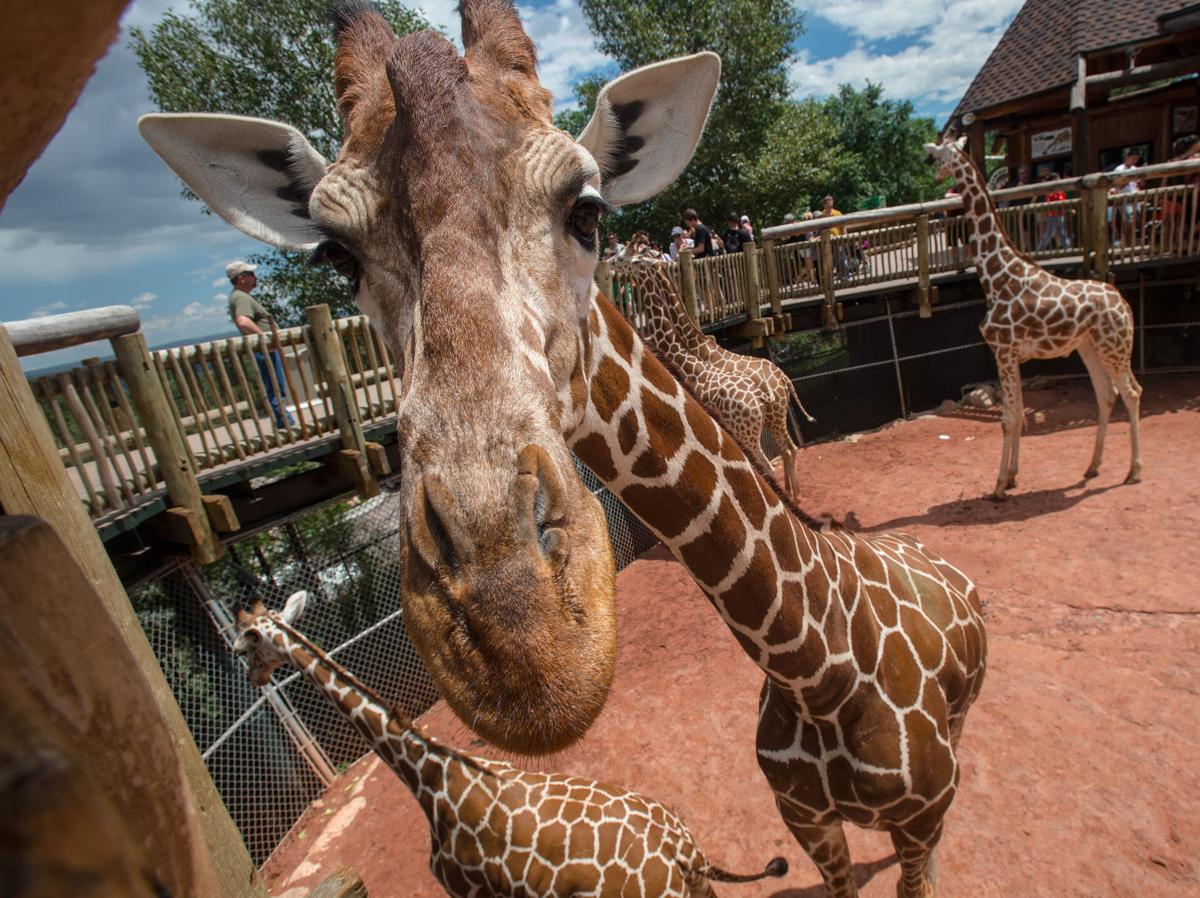
Cheyenne Mountain Zoo may soon be reopening in phases
Families could be waving at monkeys and feeding giraffes at the Cheyenne Mountain Zoo again this summer if the state approves a variance to allow it to open with reduced visitation. El Paso County commissioners are to vote Thursday on a variance to let the zoo open. If approved, it will be sent to the […]