




Snakes alive! Be on the lookout for rattlers in Colorado

One of the many things I love about Colorado: There isn’t much that will “chew on you.”
Growing up in Wisconsin, we loved summertime but feared the mosquito — or what some refer to as “the state bird.” “Outdoor” picnics were to be enjoyed from within a screened-in porch or bathed in bug spray or both.
When I hear someone remark that Colorado bugs are bad, I smile. I know there are parts of the state where insects can be annoying, but all in all we are lucky.
As for bears and mountain lions on trails, I have seen both in the wild but have never felt threatened. Statistics on attacks by these species “bear” that out.
Rattlesnakes are a different story. Snake bites aren’t that common, but this time of year the threat is there, especially in wilder, more rugged and rocky open spaces.
Last month, a Trails and Open Space Coalition board member was doing “snake mitigation,” clearing brush behind his home. Unfortunately a large rattlesnake took exception to this and sank its fangs into his hand. After several days in the hospital, enduring unbelievable pain, he’s home, is much better and knows he was lucky to survive a serious dose of venom.
With so many more people currently out in local parks and open spaces, the potential for an encounter with a venomous snake can’t be ignored. That’s why it’s so important to stay on well-used trails where you are less likely to be at risk. Scrambling off trail through brush and over rocks is inviting trouble and also bad for the resource.
Years ago, I was on a work project to create a more sustainable trail in Ute Valley Park where rattlesnakes are quite common in summer. Halfway through the project, I noted a small hole in the side of the hill where I was working. A small, triangular head emerged about a half- inch.
I kept an eye on it and gave it plenty of room. Nearly an hour later as I gathered up my tools, the “tiny” head revealed itself as the business end of a 3-foot rattlesnake. It slithered away and disappeared into the rocks.
In addition to staying on the main trails, wearing hiking boots and making noise will help keep you safe. Hiking poles, tapped on the ground in front of you as you walk, will create vibrations that might persuade a snake to take a route away from you. They are shy creatures and typically only strike if they feel threatened or consider you something to eat.
Like most dogs, your pooch is probably curious about snakes. Keep it on leash. Whether it’s you or your pet, rattlesnake bites are painful and can create life-long scars as well as nerve damage. They can also be fatal.
On the other hand, you can take heart in the fact that some avid, life-long hikers have never seen a rattlesnake in the wild. Don’t be scared, just aware.
Get OutThere
Signup today for free and be the first to get notified on new updates.
PREV
PREVIOUS
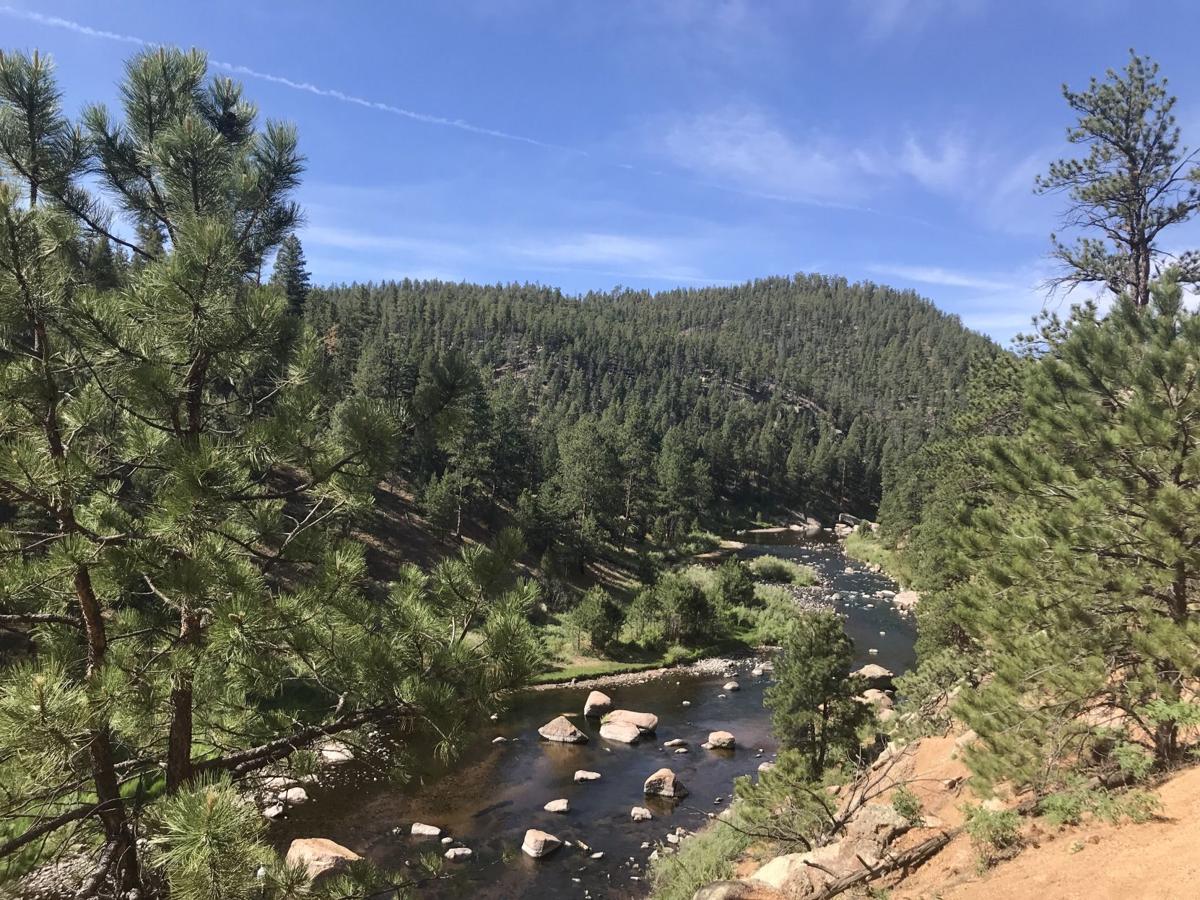
A river-cut canyon for hikers, anglers west of Colorado Springs
Cheesman Canyon is cut by the South Platte River, a renowned stretch calling to anglers. A trail here calls to hikers, who should not expect complete serenity. On summer weekends, the parking lot near Deckers fills before 9 a.m. But hikers can expect a unique side of Pike National Forest. The Cheesman Canyon Trail, also […]
Evacuations ordered as fire moves “at rapid rate of spread” in Colorado
Thunderridge High school is the evacuation location for those evacuating from Backcountry. If going there, remain in your cars. More info to follow. #chatridge2fire https://t.co/IW3Mww4q5j — DC Sheriff (@dcsheriff) June 29, 2020