




Top 10 places to see wildflowers in Colorado- and tips on how to take the best photos
It’s high season for some of the most breathtaking arrays of wildflowers the state offers—you’re going to be hiking, camping, heck, even walking in your neighborhood—why not check out these Instagram-worthy flashes of beauty for yourself? We asked wildflower experts Linda and Bernie Nagy, authors of Rocky Mountain Wildflowers Field Guide and South Park summer residents, for the scoop on where to go; which flowers to look for; and her husband Bernie how to take a pic that will garner tons of hearts.
Presented by:
1. Crested Butte/Gothic
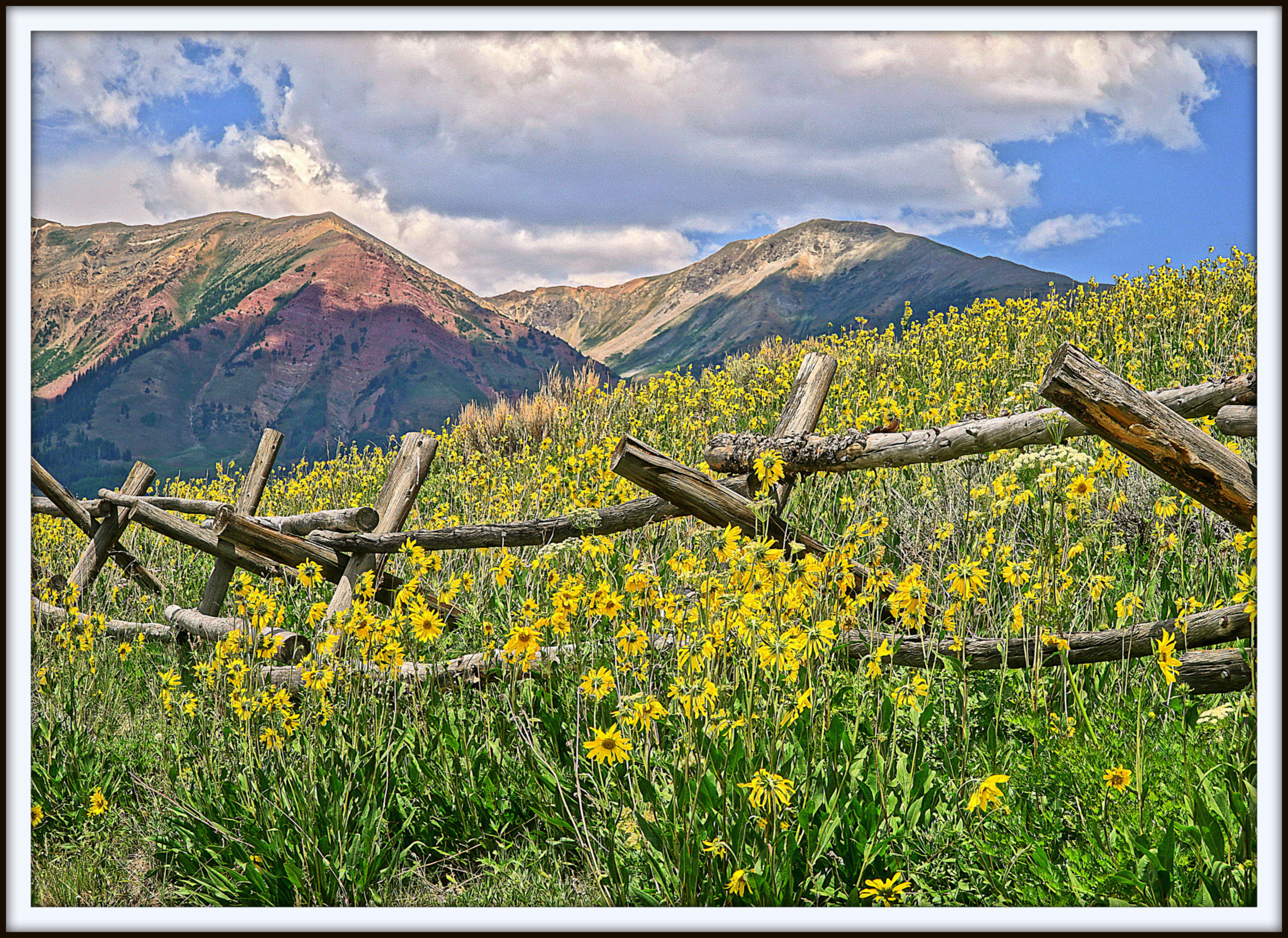
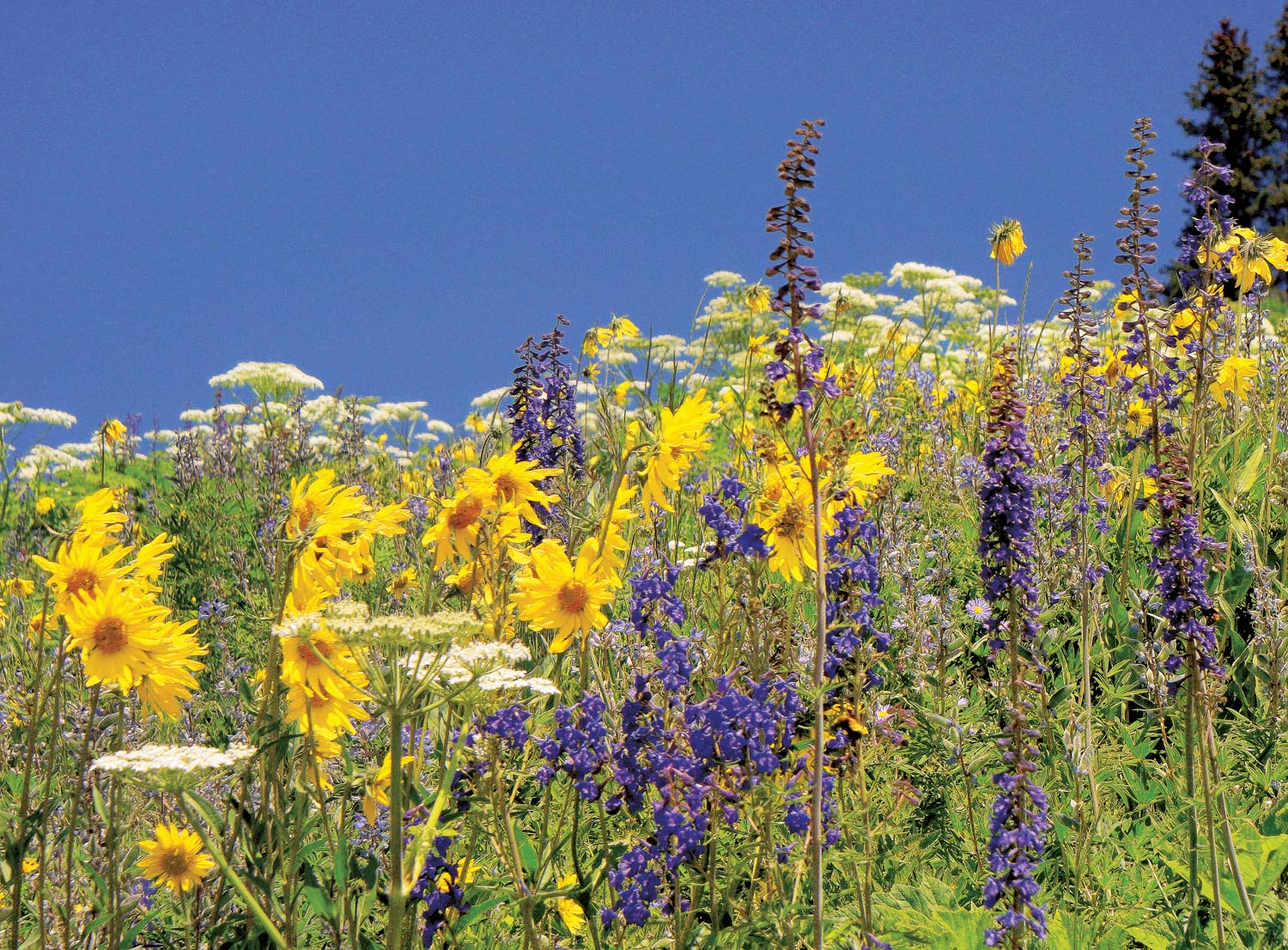
Crested Butte is known worldwide for its impressive fields of wildflowers, like aspen sunflowers, lupine, mule’s ears, corn lilies, and green gentian, and the town also hosts a Wildflower Festival every year in July.Even if you can’t attend, the flowers are still there, so be sure to head up just the same.
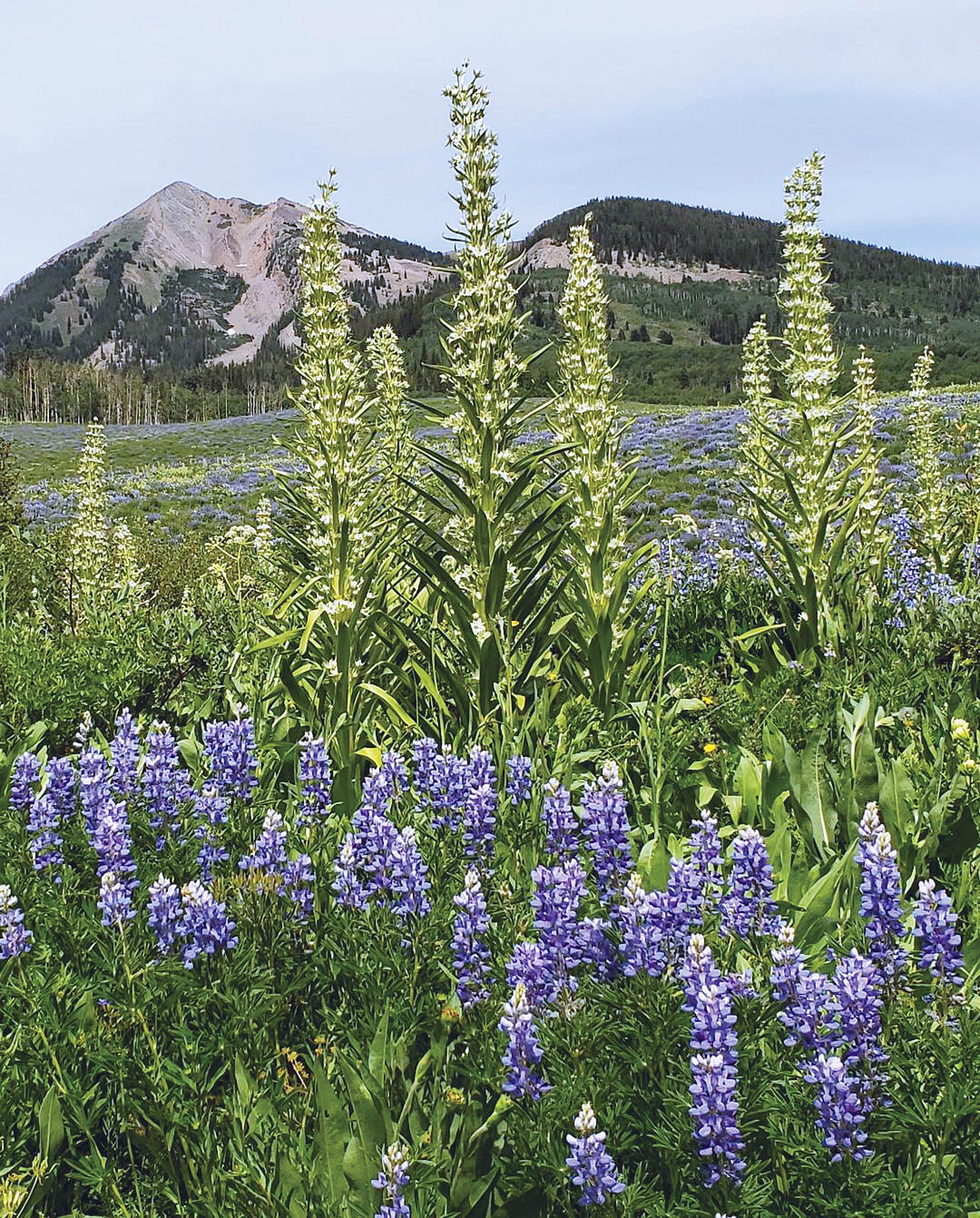
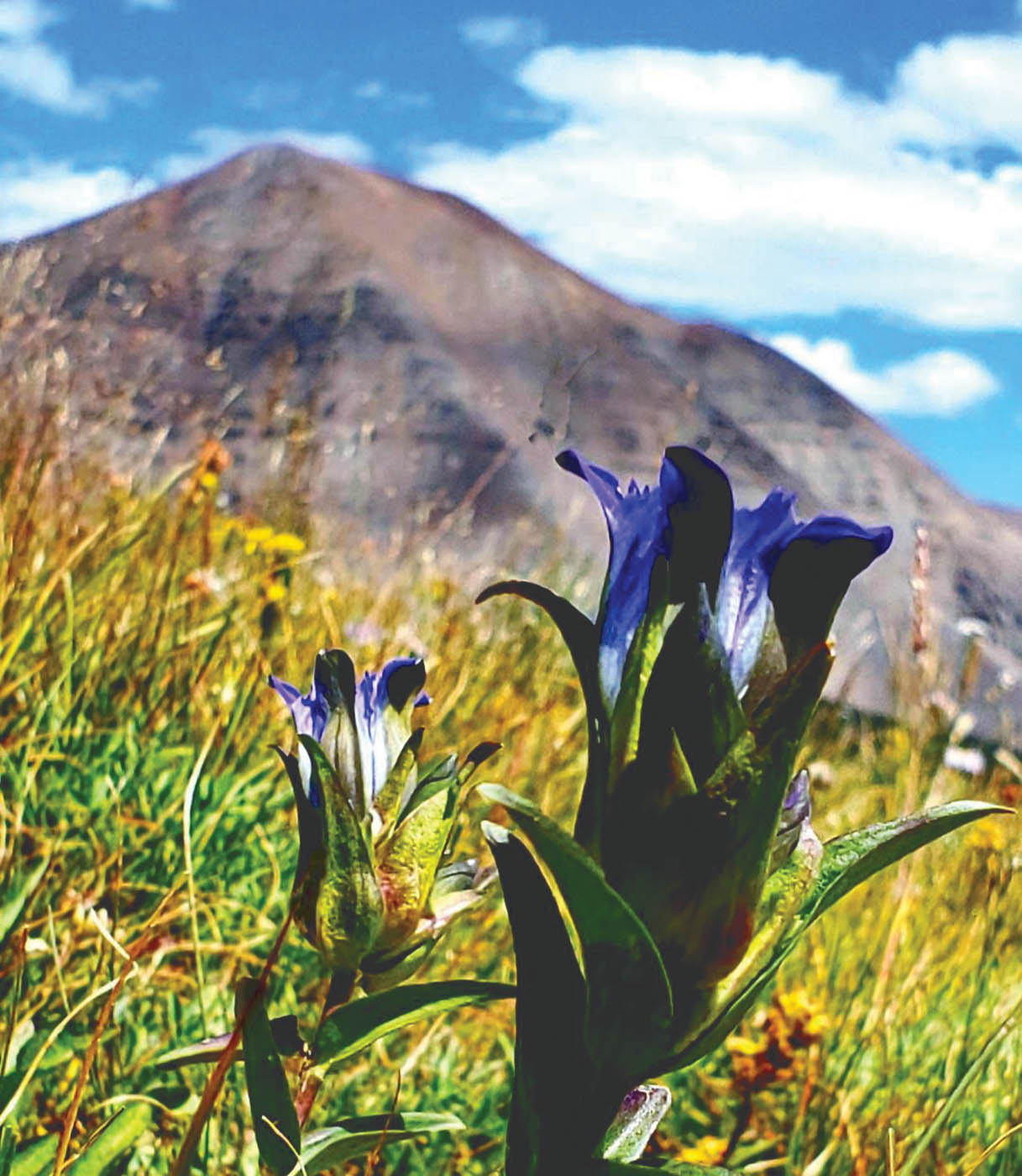
The green gentian remains one of Linda Nagy’s favorite wildflowers. A Colorado Native Plant Master and author of Rocky Mountain Wildflowers Field Guide, she and photographer husband Bernie have logged thousands of miles and hours searching and finding the most beautiful places to view wildflowers. Bernie is a fabulous photographer who’s got myriad tips on how to photograph them, “Usually, I’m down on the ground and trying to avoid the ants,” he laughs.
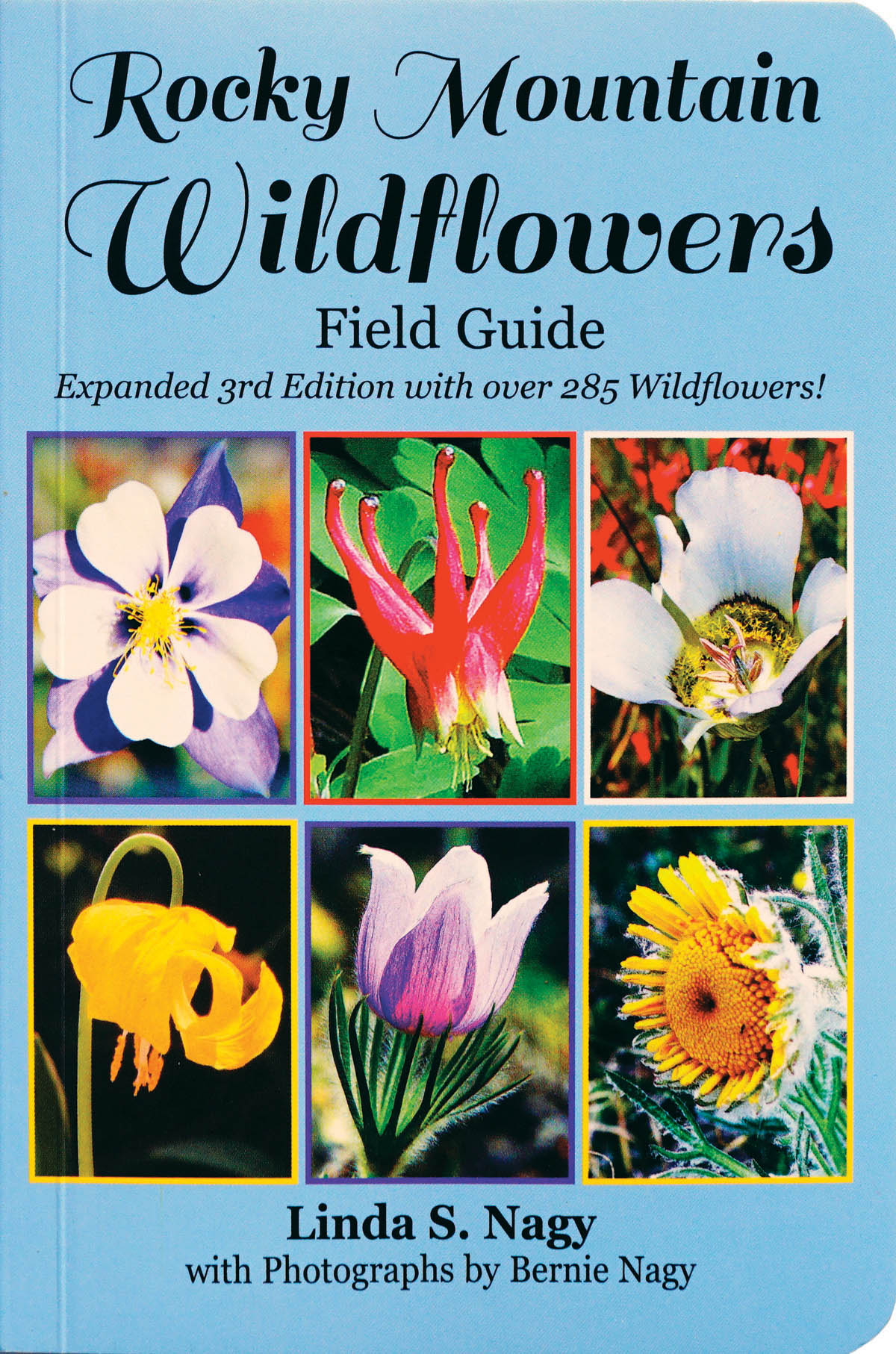
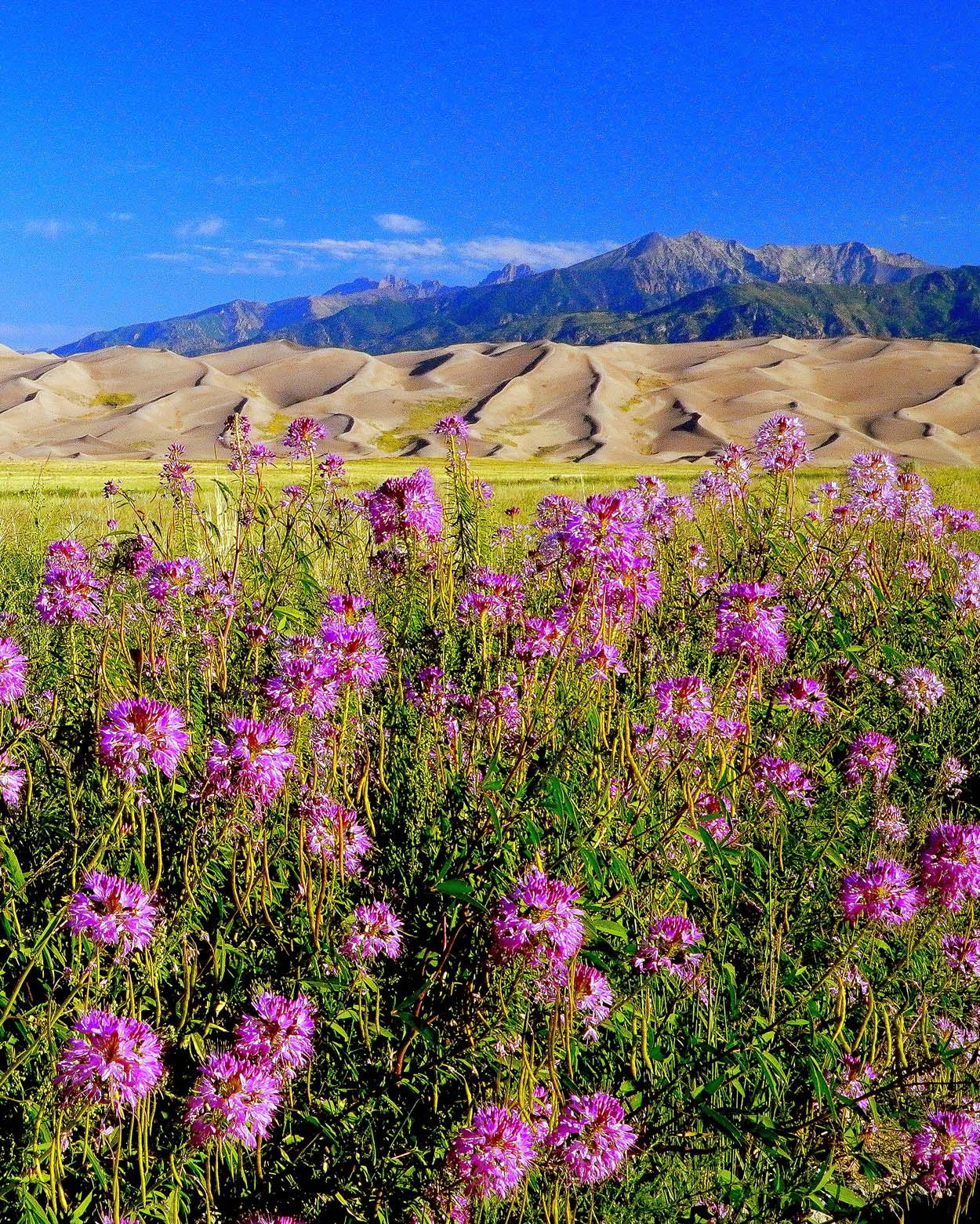
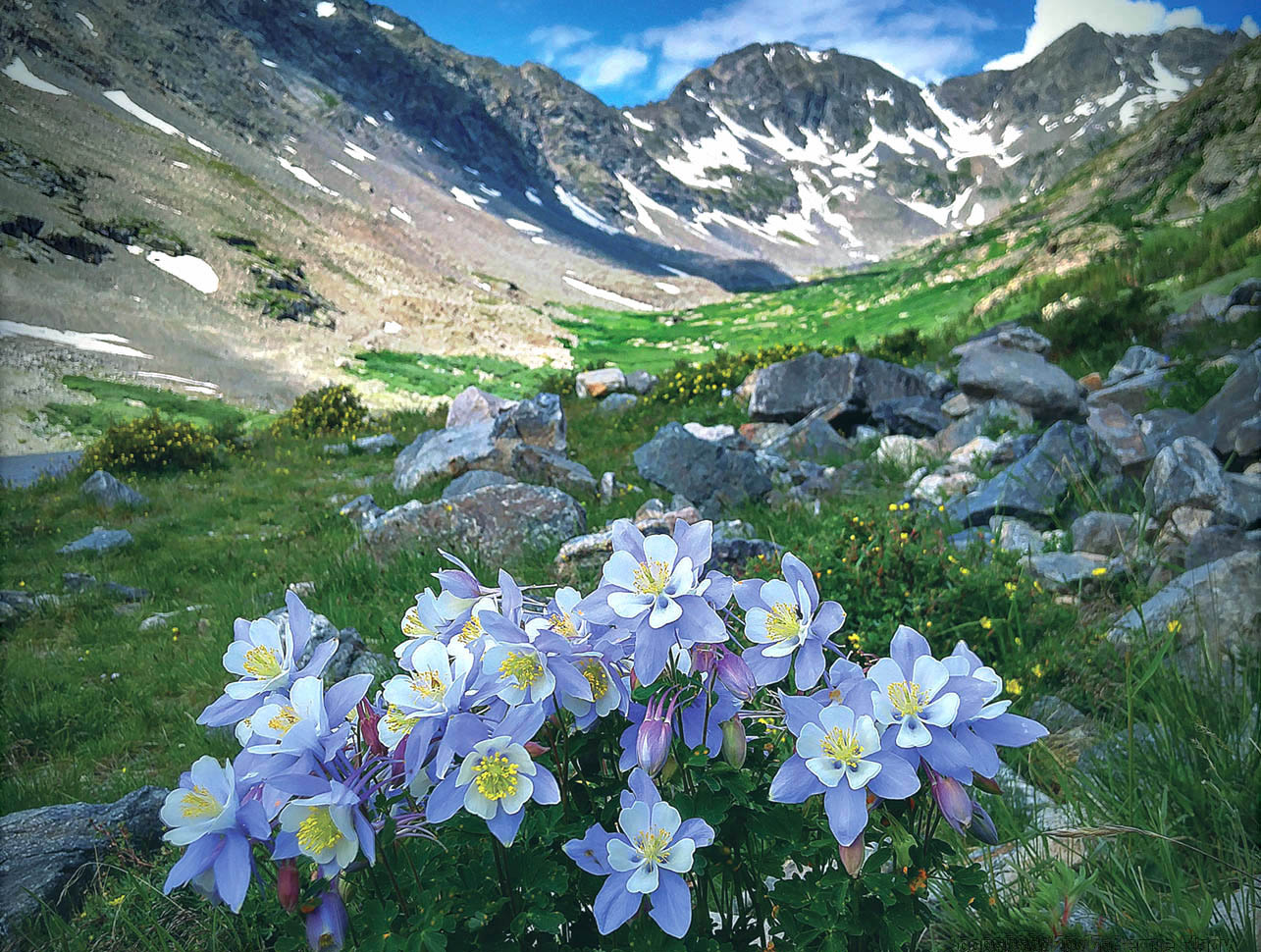
Photo tip: If your camera has portrait mode, use it unless you would like to get the background in focus too—see shot above with the mountain in the background for an example of results while keeping the portrait mode off so every element is in sharp focus.
2. Ashcroft, Aspen in Pitkin County
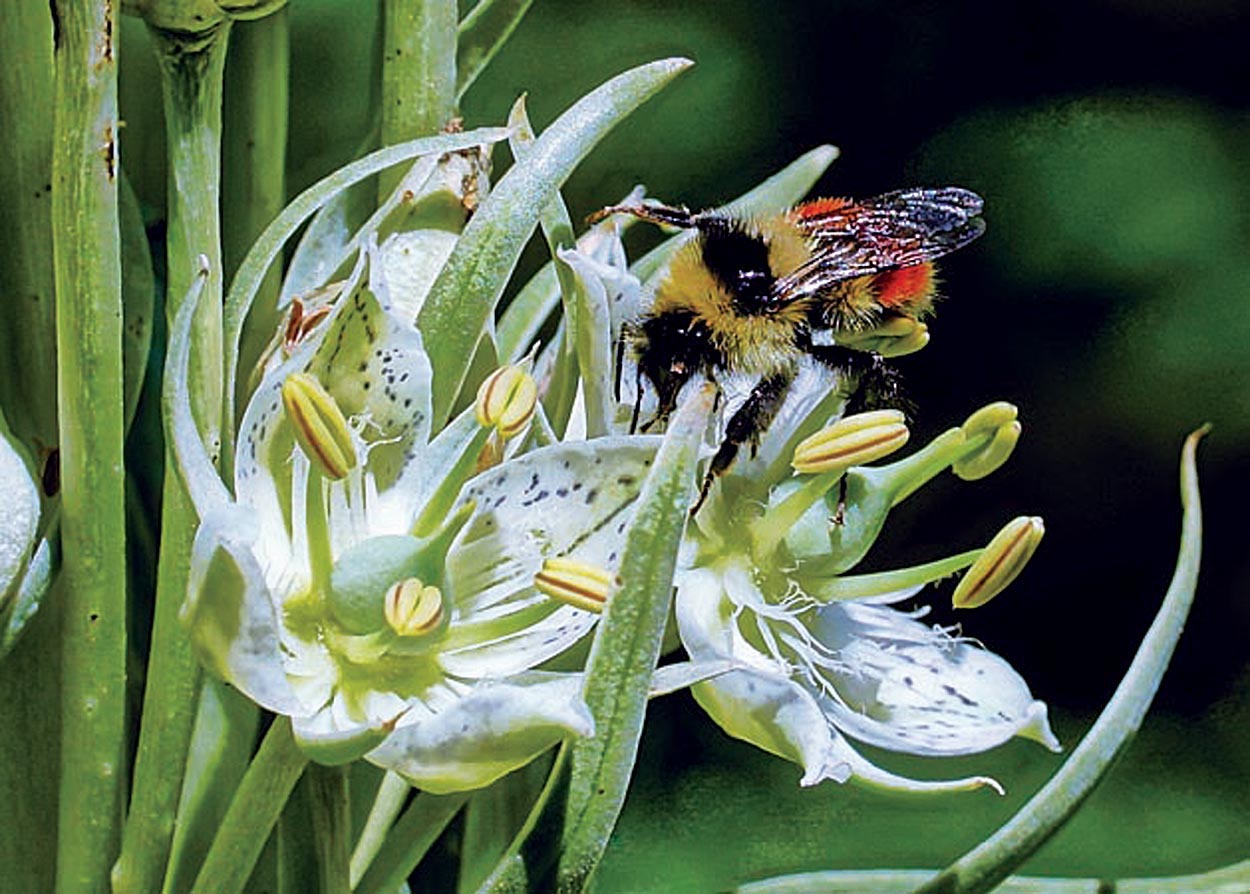
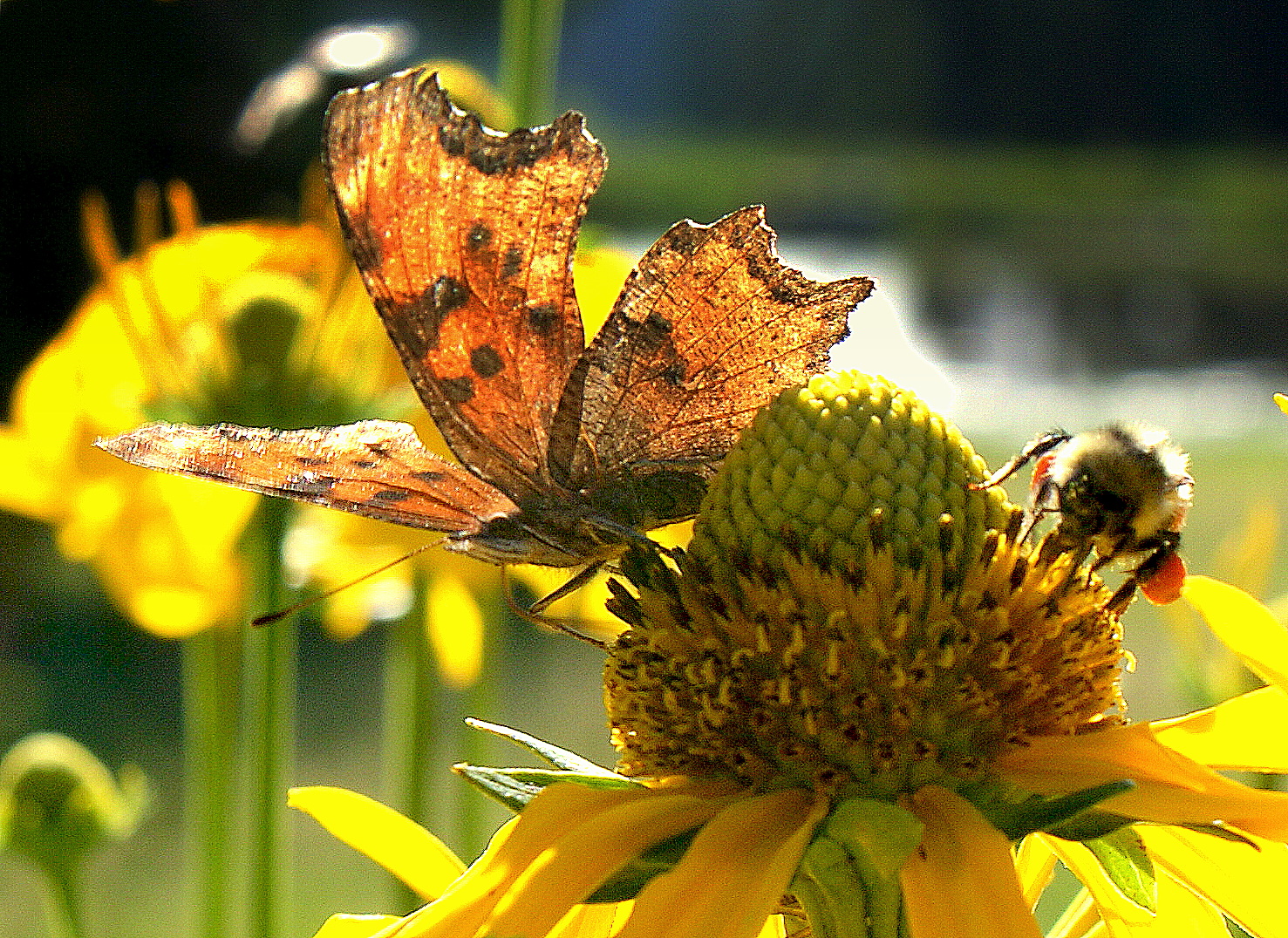
Here are our stately green gentians, in close-up with a fuzzy visitor: Hurry–these beauties are already in bloom as of this writing in late June. They can grow to seven feet tall and remain leafy for decades until blooming in profusion—no one knows why they bloom when they do, but when they do, Frasera speciosa, their scientific name, never fail to delight.
3. South Park’s Mosquito Range
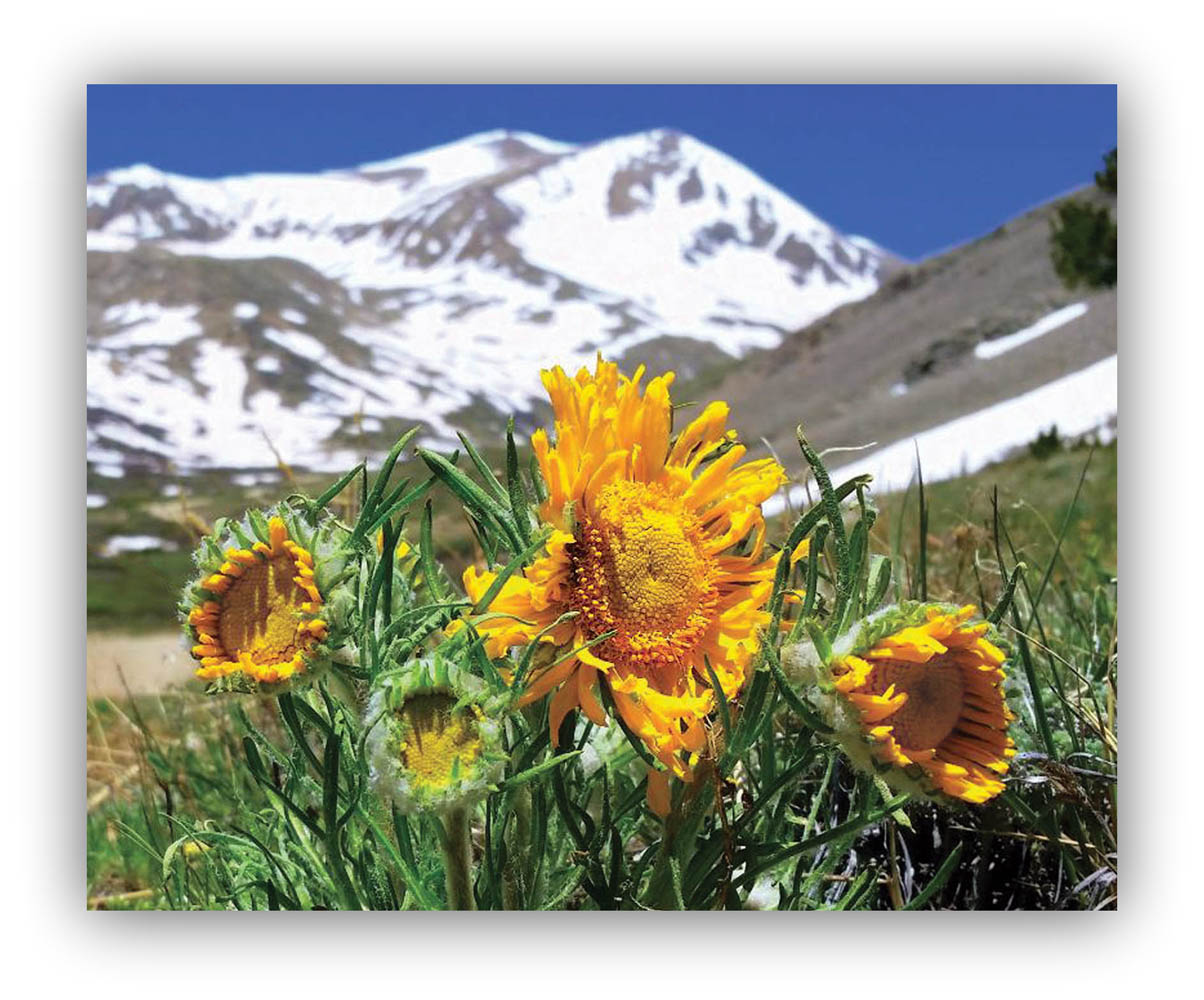
The Nagys’ summer residence includes fields, alpine meadows and tundra where they source some of the rarest flowers in the book, or more common blooms in the Mosquito Range paintbrushes, harebells and chiming bells. Their book was recently updated because scientists have DNA-mapped several wildflower species and changed their families from their original family classification due to new results, Linda said.

4. San Luis Peak and San Luis Valley
If you’re off to the Great Sand Dunes National Park or points south, take a side trip up into the mountains here or stay in the valley for the sweetest scenery imaginable. Rocky Mountain beeplants bloom from late June to early July.
5. Rocky Mountain National Park
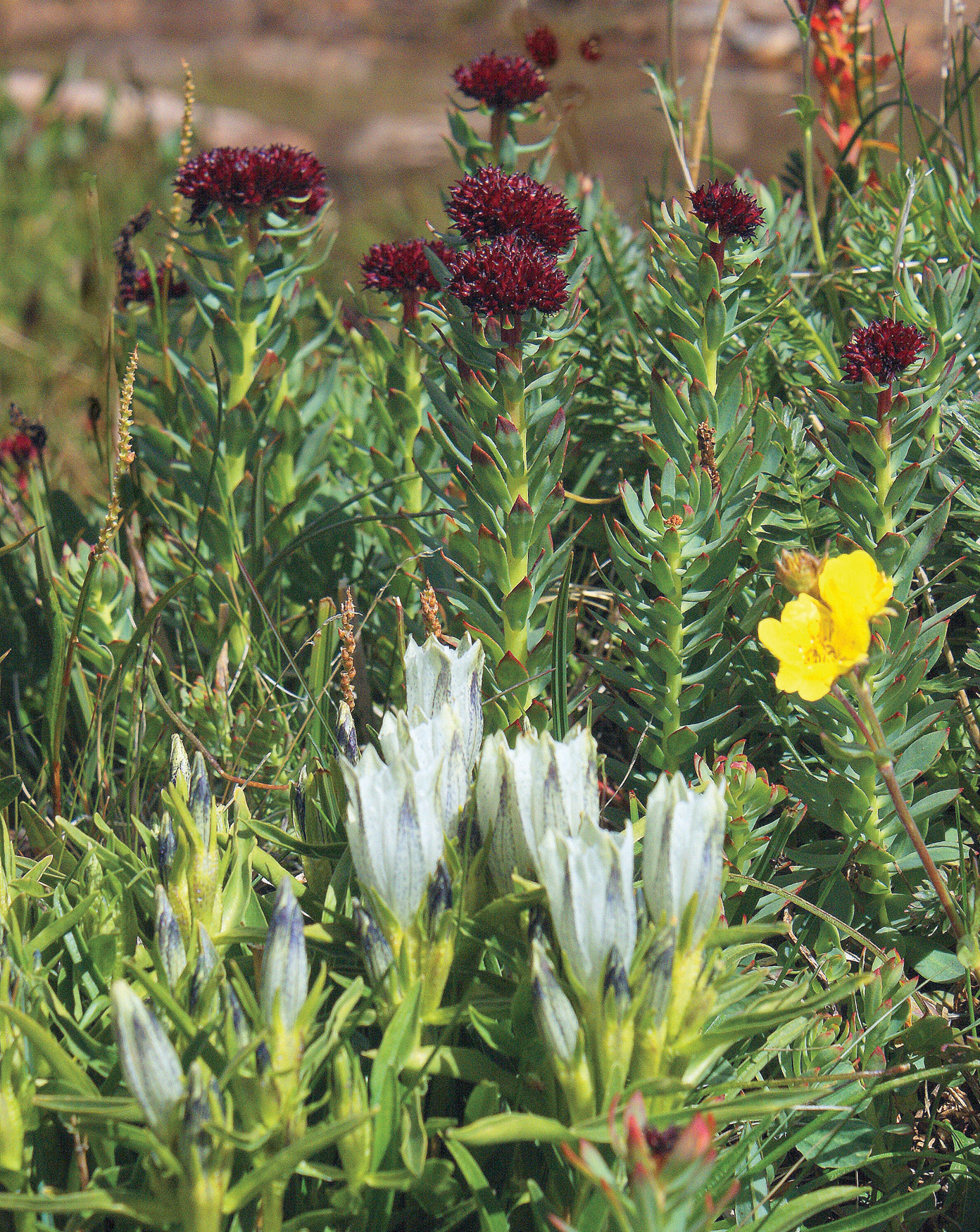
Hikers among campsites in Rocky Mountain National Park or in the mountains elsewhere in the state, between 10,000 and 11,500 feet can, spot some classics, including the king’s crown, arctic gentian, and the alpine avens.
Photo tip: To open up hard shadows in the subject or when shooting on a cloudy day, pack a small piece of white cardboard or a small silver photo reflector to fill light into the shade.
6. Summit County, Breckenridge area, Gore Range
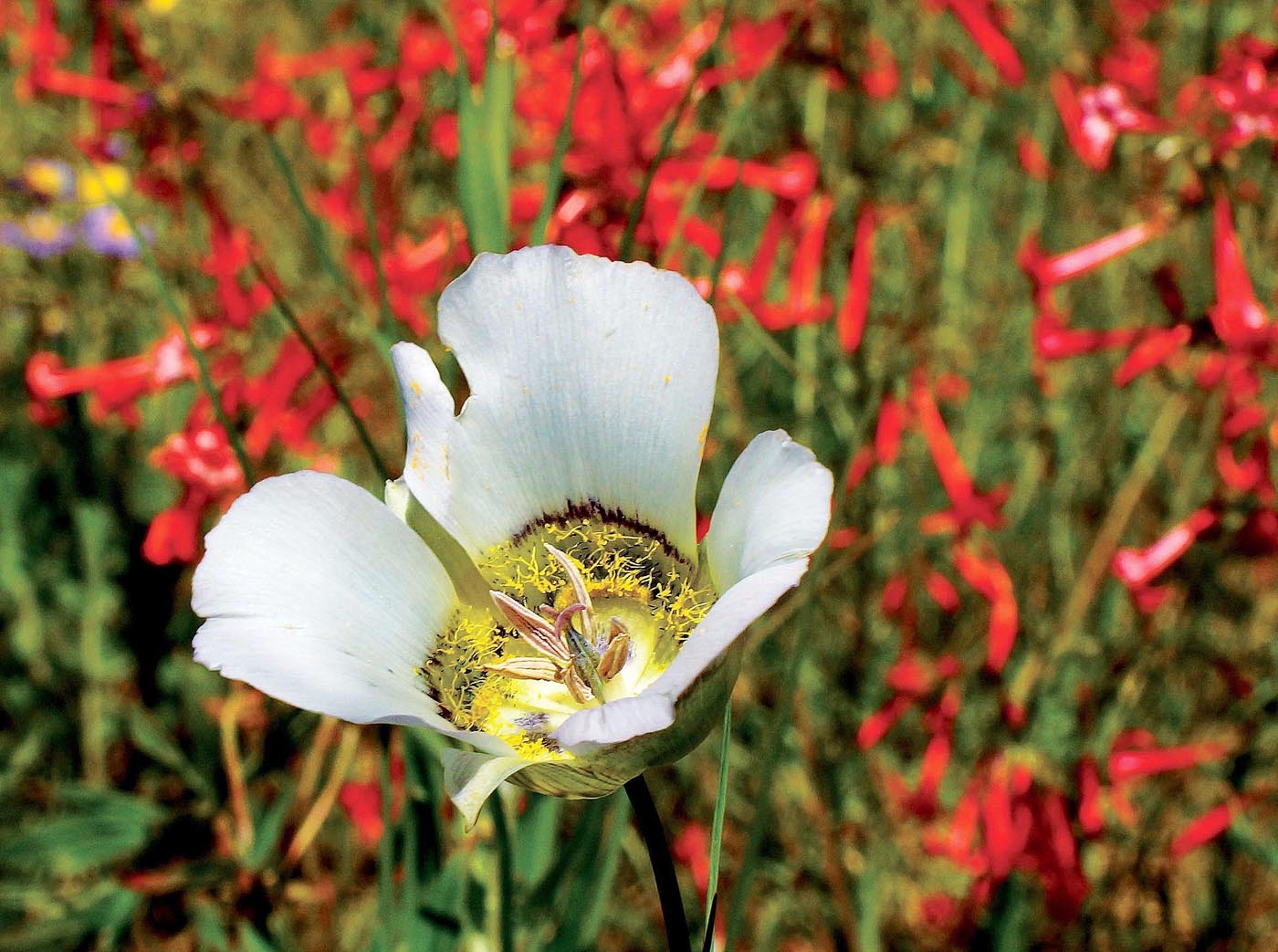
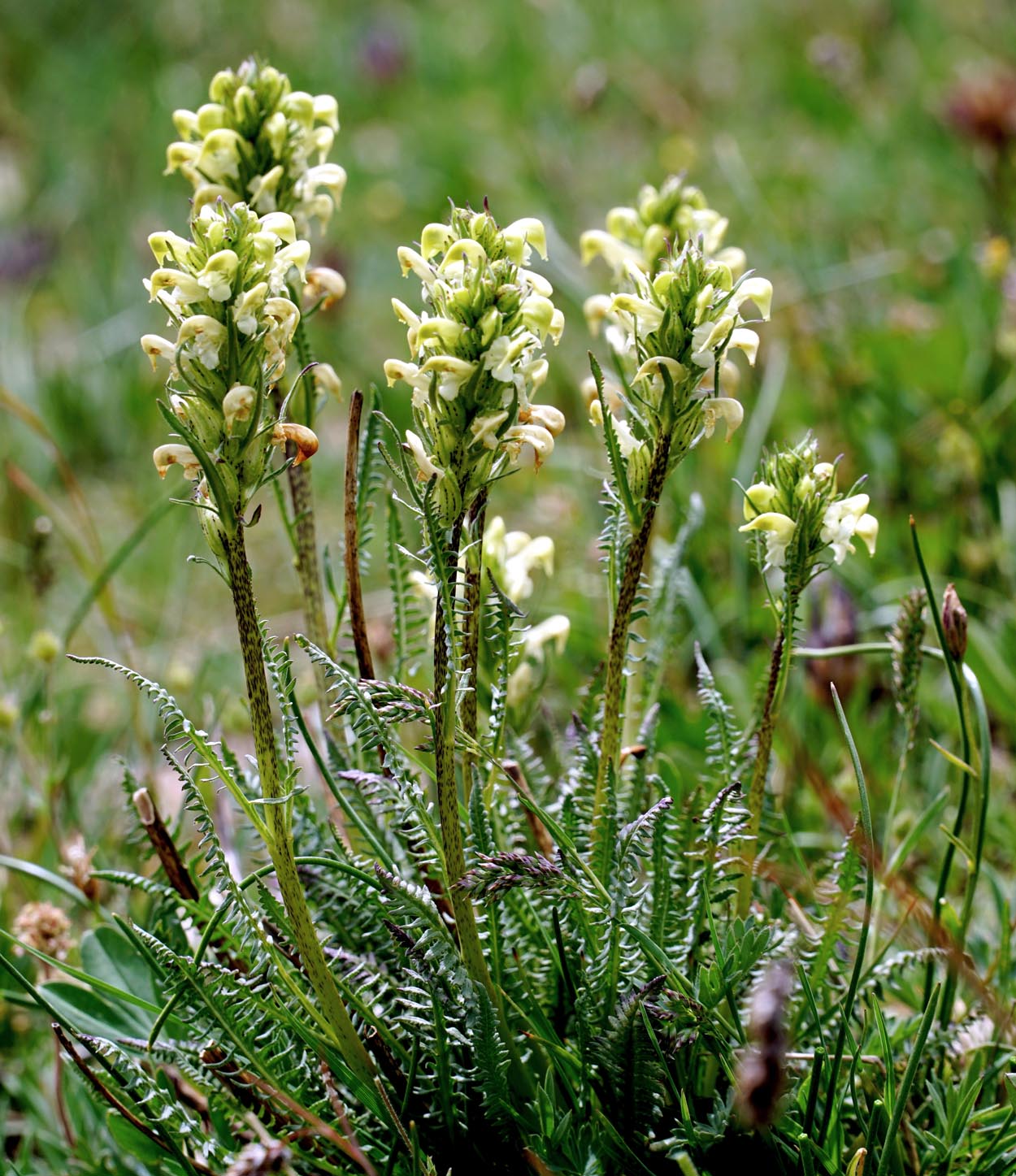
The Nagys’ book is color-coded to help you quickly use the colors of flower petals to look up the genus and species of the flowers you see—it’s in its third edition and so is one of the most up-to-date guides you can get; it’s also small enough to stow in your pocket or backpack.
Photo tip: Setting your aperture between F4.5 to F8 will let the subject stand out from the background. Hold your breath, Bernie says, it will avoid a shaky, out-of-focus result as you snap the photo.

7. Wildflowers in wooded areas and forests
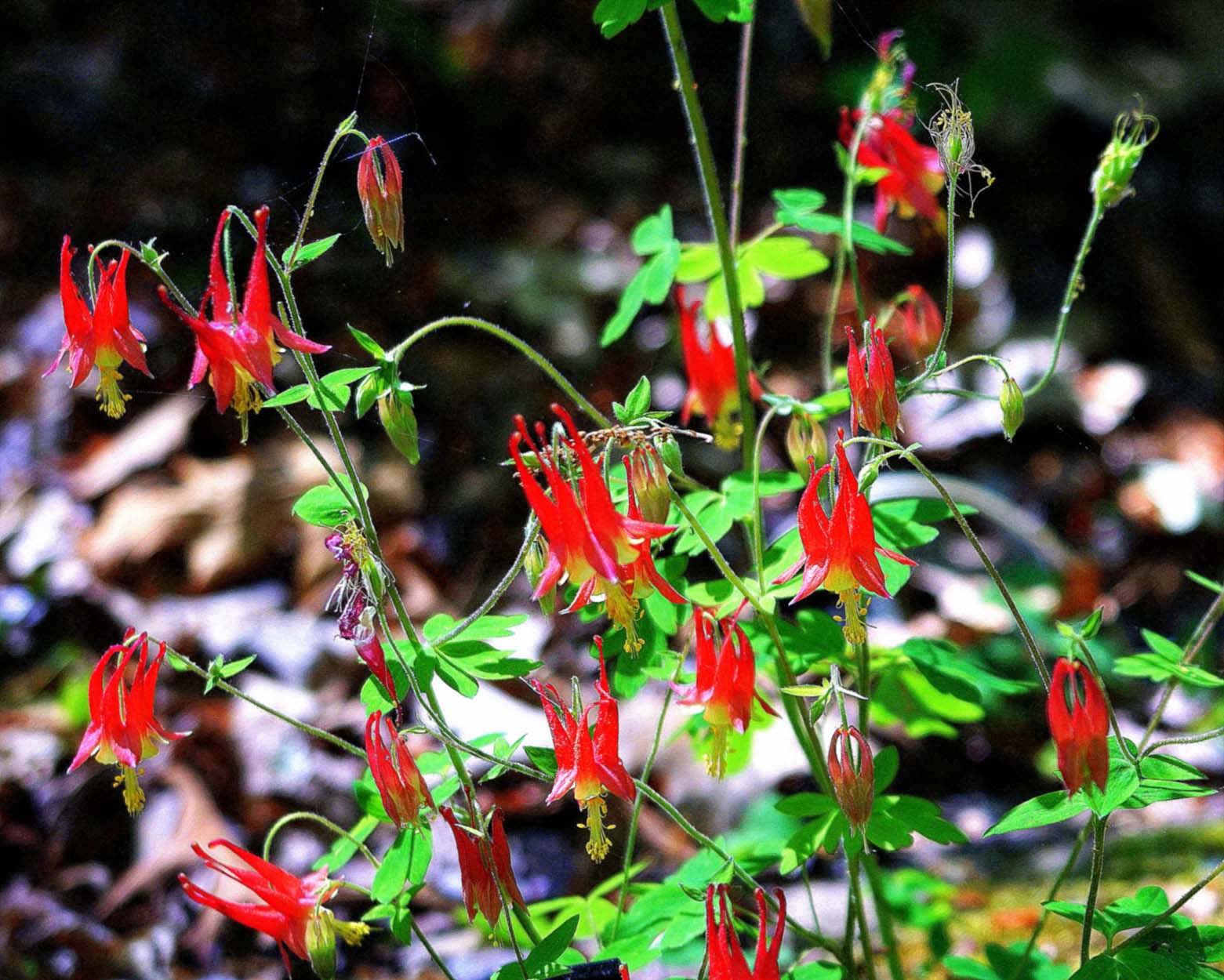
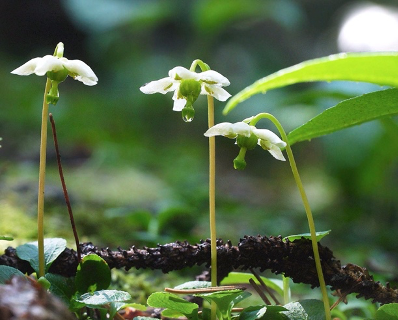
Certain flowers love the shady woods and can only be found with a careful eye and an even softer step. The red columbine usually is easy to spot, however, the wood nymph is tiny and not seen easily. The Nagys advise staying to the trails so you don’t inadvertently crush this delicate flower: It’s from the Heath family, and high on the list of Bernie’s favorites because it looks like a miniature Christmas star. If you’ve got a charged up Kindle, or a phone with the Kindle app on it, download the book instantly to identify these shy, mountain marvels.
8. Wildflowers along streamsides, creek beds, wetlands
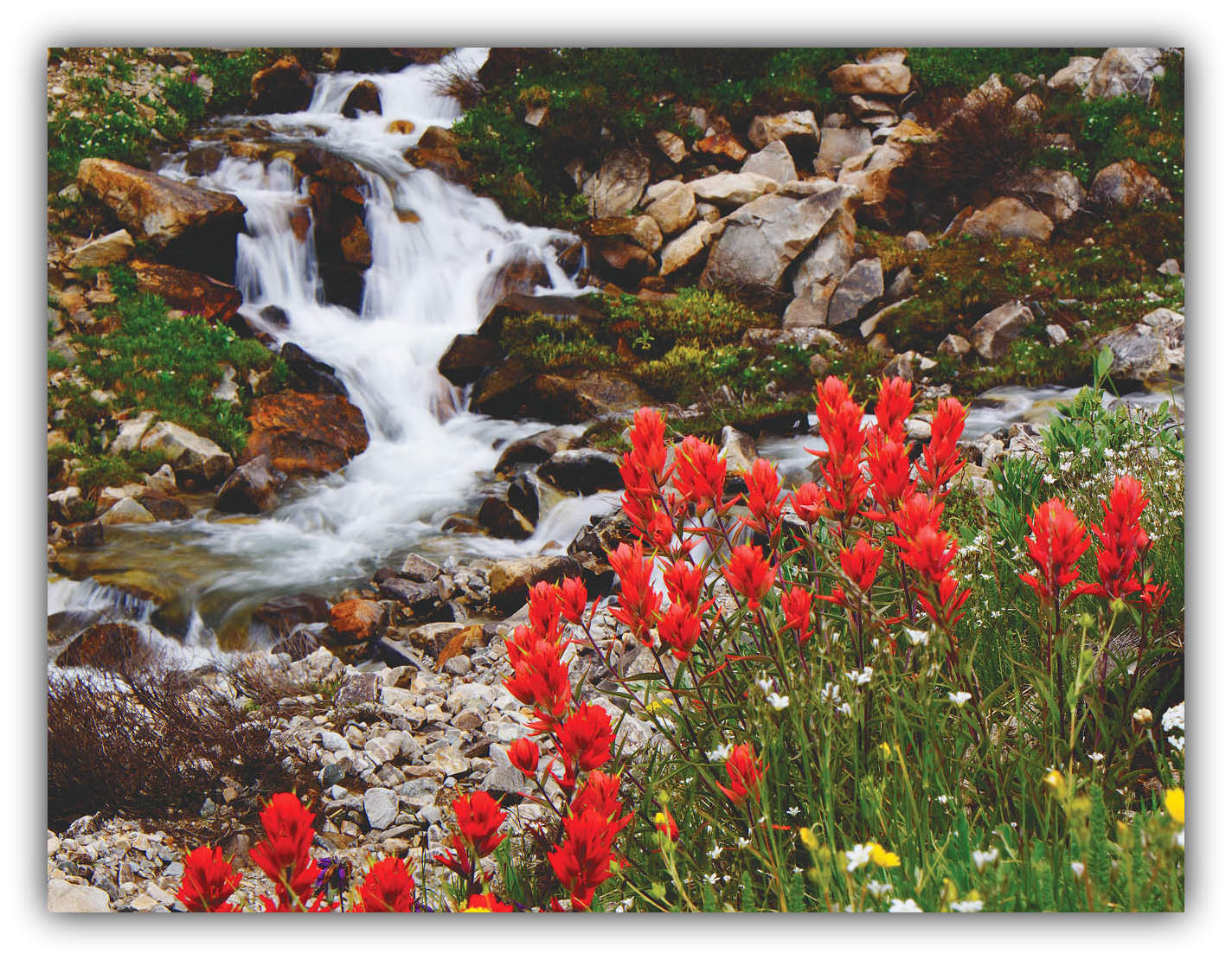
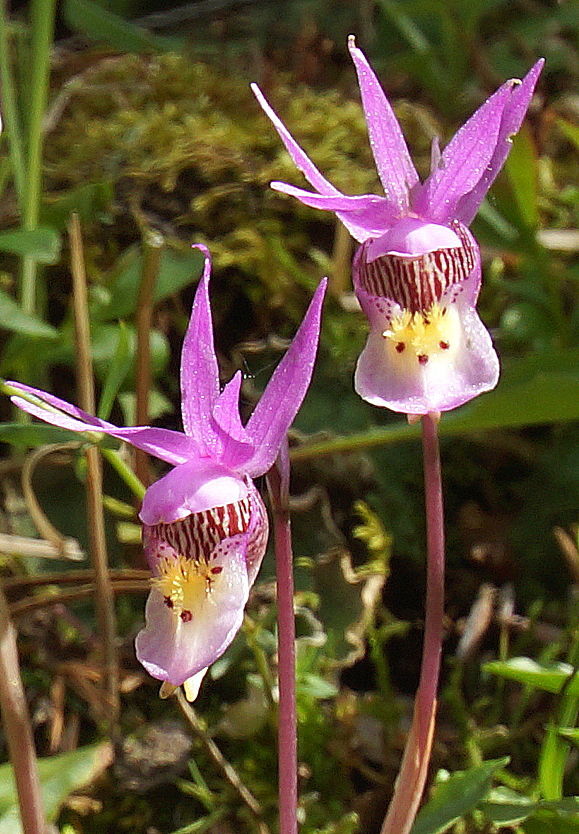
Moisture dictates the start and finish of “high” wildflower season, depending on how much snowmelt there is and when it begins. In the meantime, certain Rocky Mountain areas are moist all of the time and there you can source bittercress, chiming bells and other blooms who love the water.
Photo tip: Some of the best pictures include water in the background for an interesting visual element Here you may use a tripod or steady surface so that you can take a longer exposure with smaller aperture. This makes the water “look smooth as silk,” said Bernie.
9. Wildflowers at high altitudes, alpine region
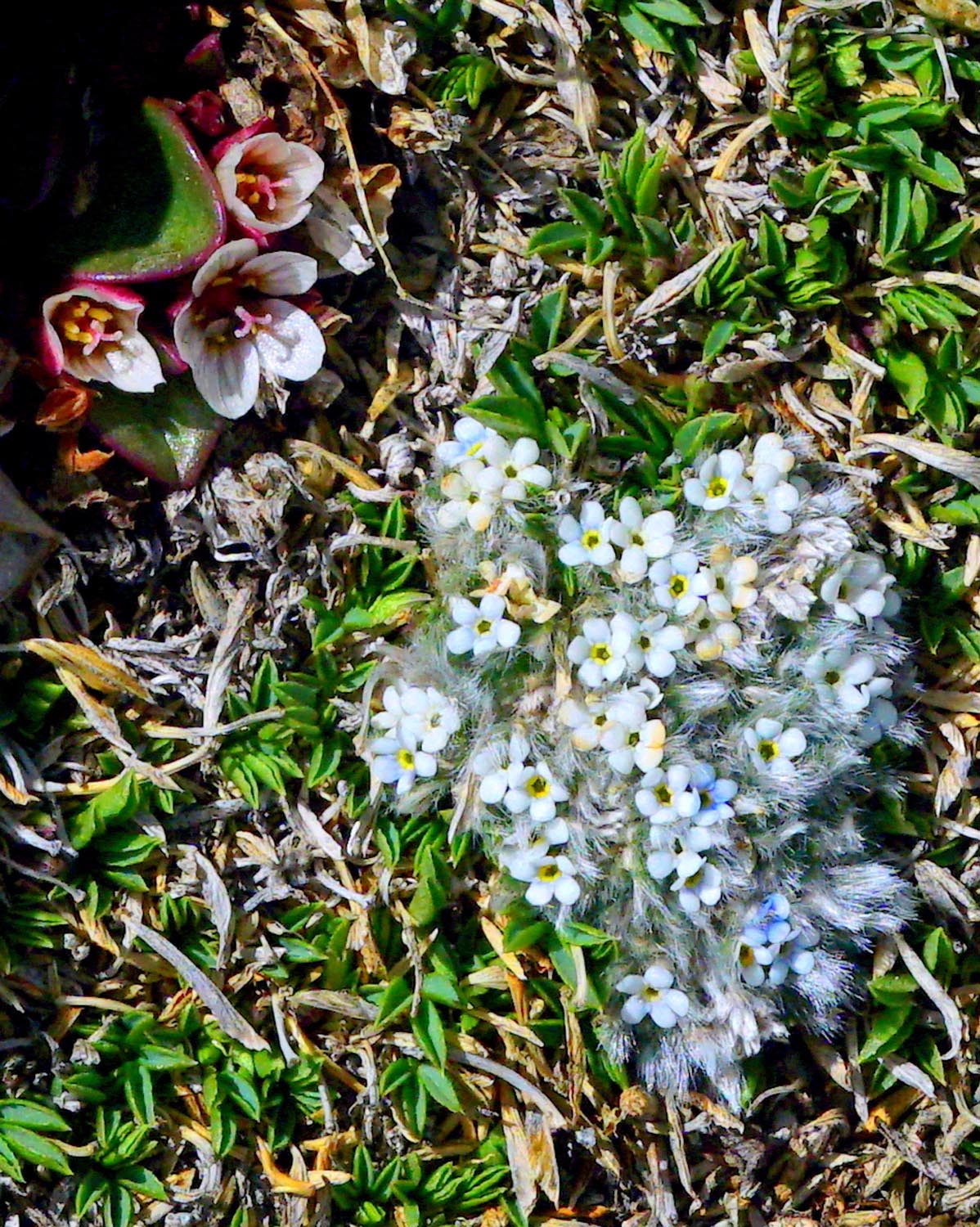
Alpine flowers do not appear at the same time as those growing lower than 11,500 feet. Many of the first springtime flowers like the avalanche lilies lift their delicate heads while snow is still on the ground in the high mountain meadows. Other hardy, early risers include the whiteish marsh marigold and glossy yellow snow buttercup.
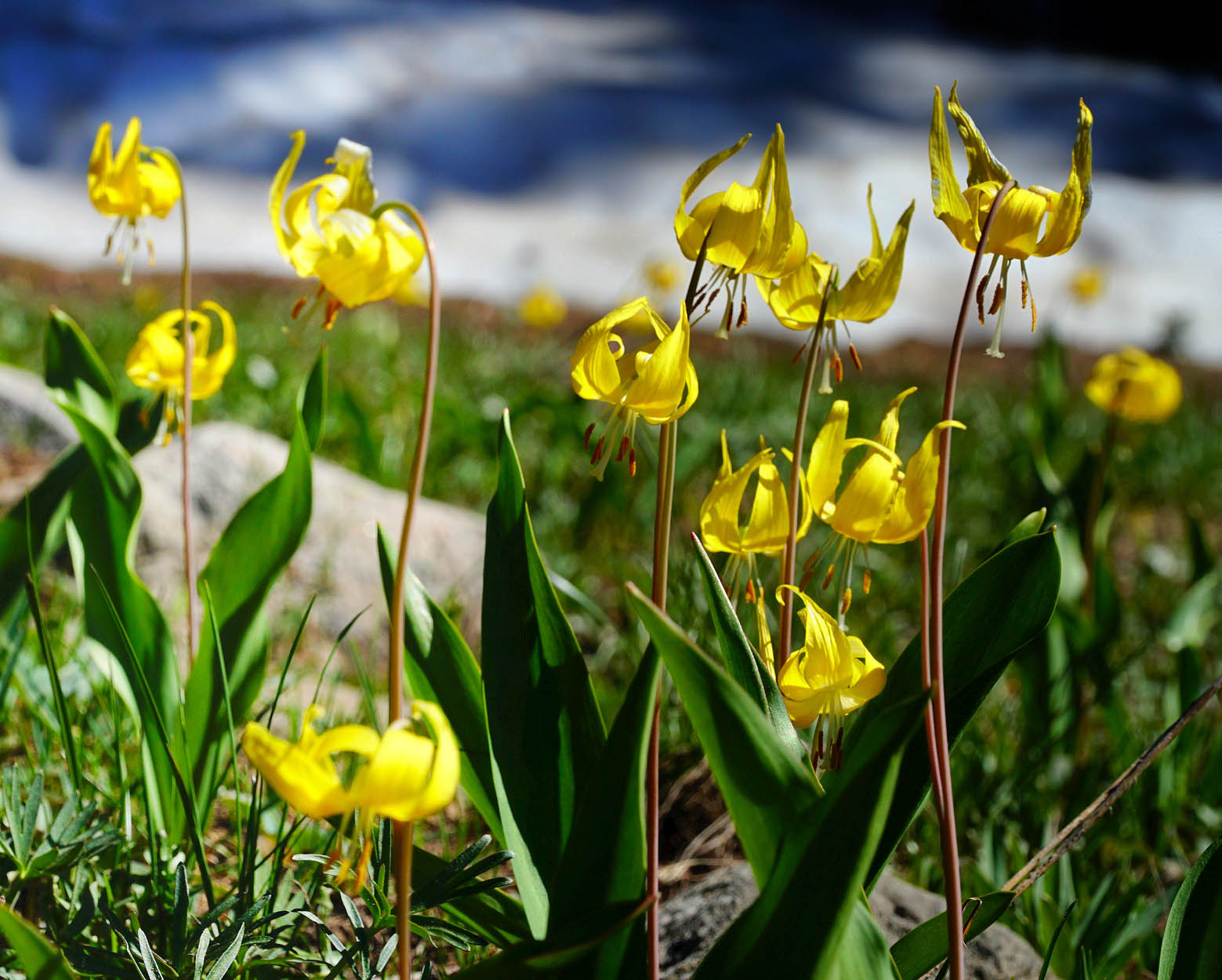
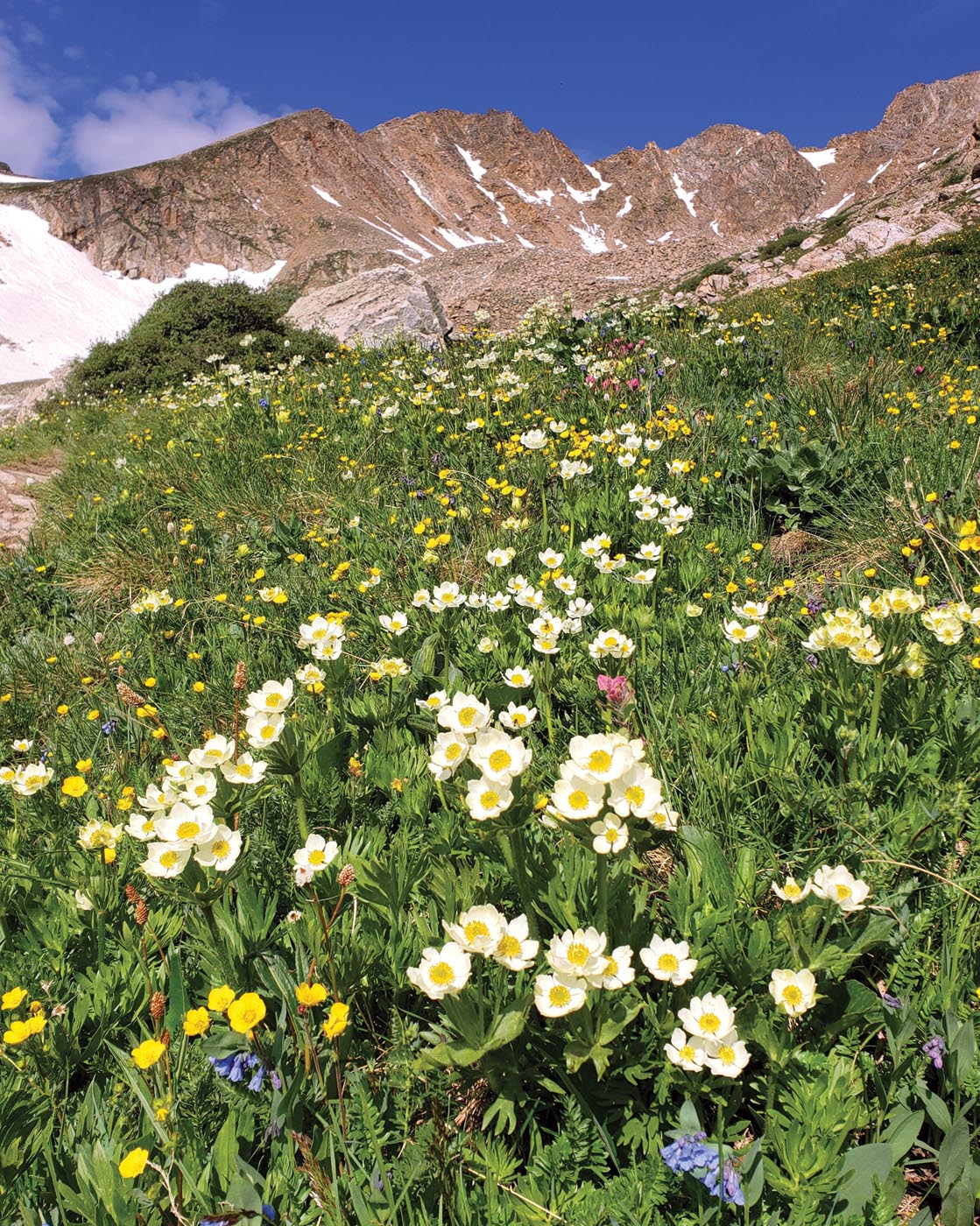
Photo tip: For this shot, bring down your aperture by a half to a full stop or go to a faster speed setting. This creates a more pleasant result that is slightly underexposed, keeping the white areas at the base of this flower from getting washed out—you want to retain the flower’s natural beauty.
10. Wildflowers along roadsides
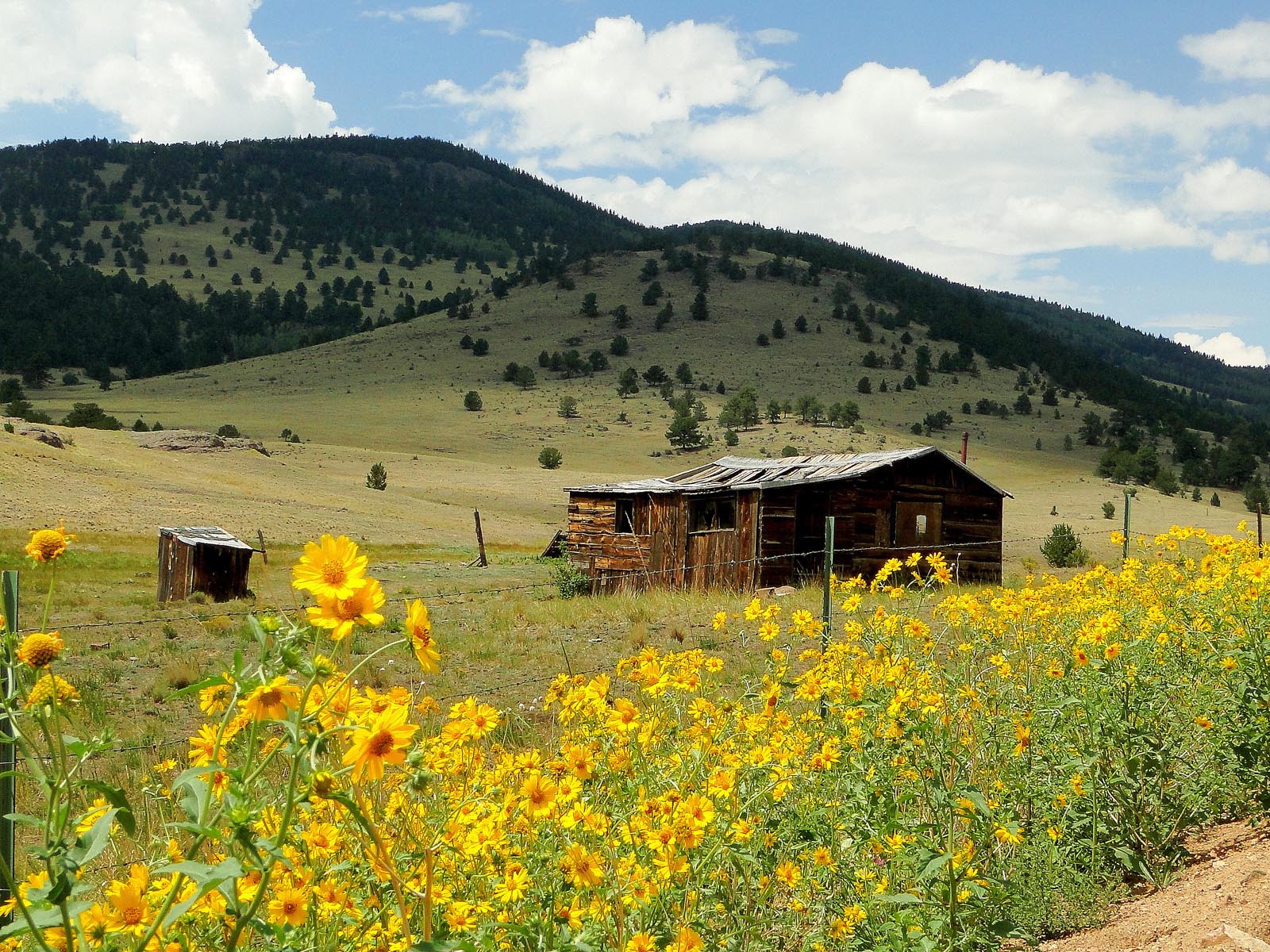
As you embark upon your adventures in Colorado, stun your carmates with your knowledge, even if the roadsides are flying by. If you see a perfect photo, be careful pulling over before you shoot your masterpiece.
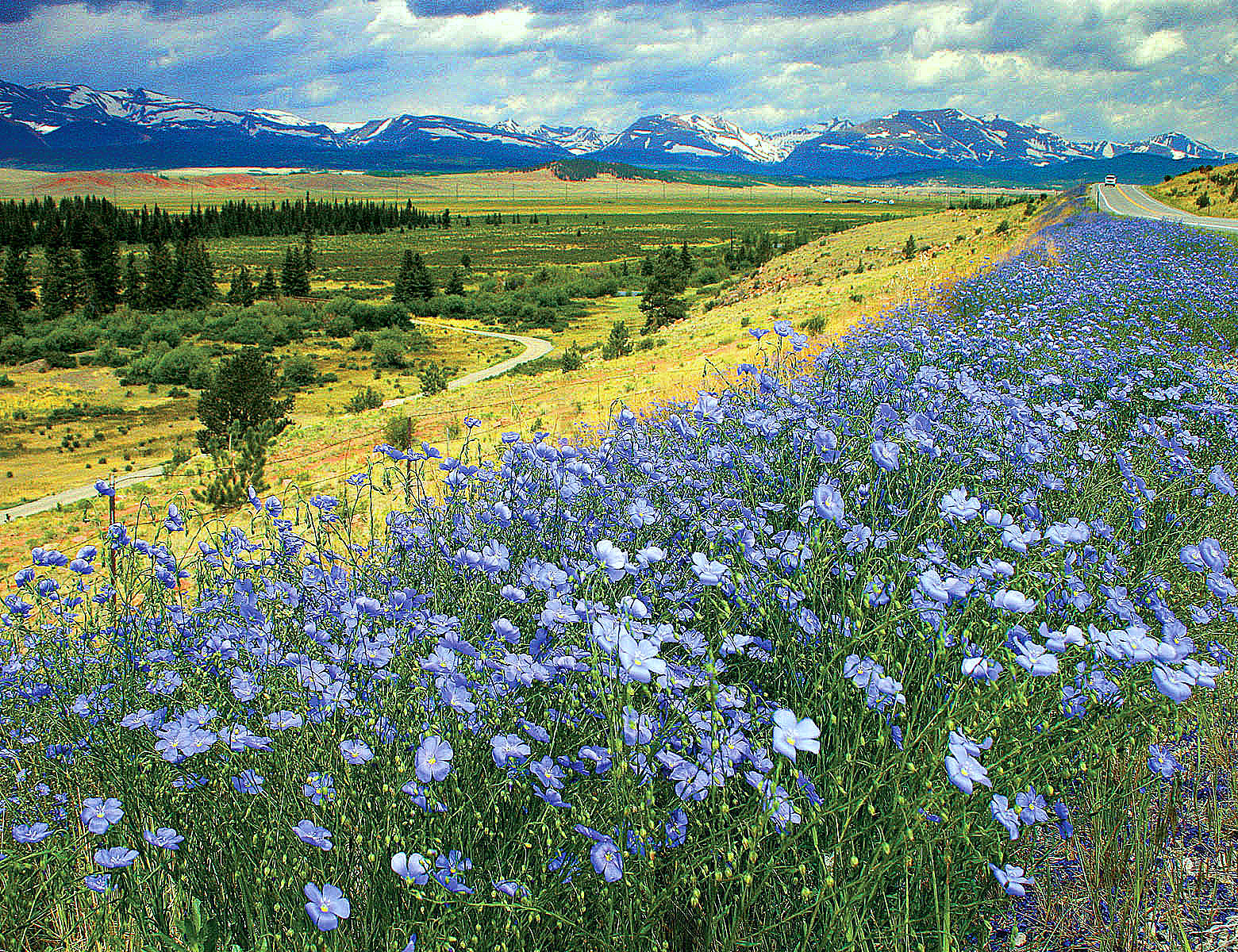
Photo tip: Shoot wildflowers early mornings until 11 or after 3 p.m. to add nice shadows to the picture. You can also have your friend create shade to gain the same effect by standing behind the flowers.
11. Rocky Mountain Wildflowers Field Guide
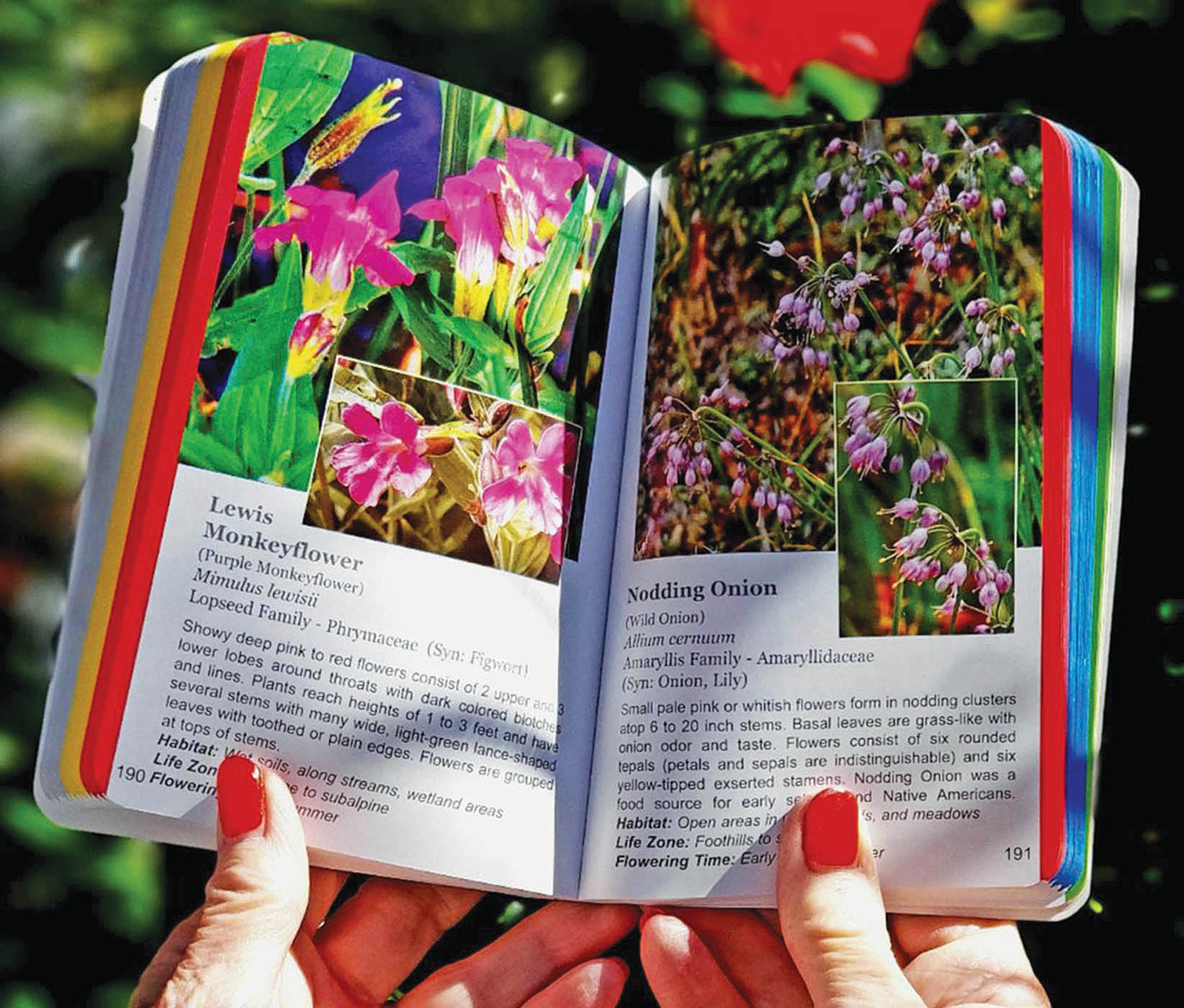
The Nagys’ book supports two long-time Coloradans’ small business and will help you enjoy your outdoor adventures this summer and fall to the utmost. Order online at www.highcountryartworks.com for a signed copy and mention code OTWILDFLOWER at check out for a price better than your usual online retailer –with free shipping. Use the link: https://highcountryartworks.com/discount/OTWILDFLOWERS
Or instantly download the award-winning eBook from Amazon before you get up to the rainbow of high country meadows where often there’s no cell service to be had.
The Nagys’ last tip is the most important:
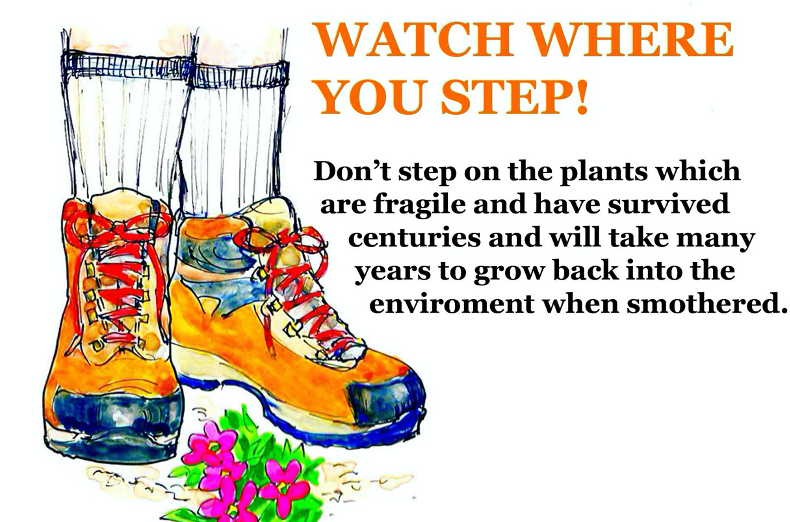
Get OutThere
Signup today for free and be the first to get notified on new updates.
PREV
PREVIOUS
High Country Artwork

Cyclist faces life-threatening injuries after being hit by truck in Colorado
A cyclist has life-threatening injuries after being hit a by a pickup on Garden of the Gods Road Thursday evening, Colorado Springs police said. Police said the truck was exiting a business at about 5 p.m. when it hit the bicyclist at the 500 block of West Garden of the Gods Road. According to police, the […]