





‘Save the Rialto’ a plea for survival of Colorado community theaters threatened by pandemic shutdowns
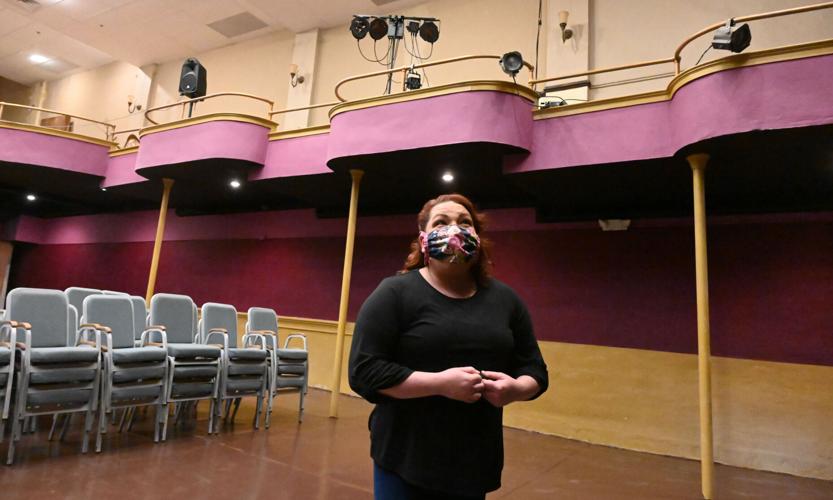
“We have enough to get us through the end of August without doing anything,” says Jennifer Bowers, a frequent performer and member of the board of directors for the Rialto Theater in Florence, of the theater’s financial straits. The theater was built in 1923 and has gone through many transformations.
JERILEE BENNETT, the gazette

FLORENCE • This isn’t the first time the Rialto Theater has needed saving. But the need has perhaps never been this serious or broadcast like this for all to see.
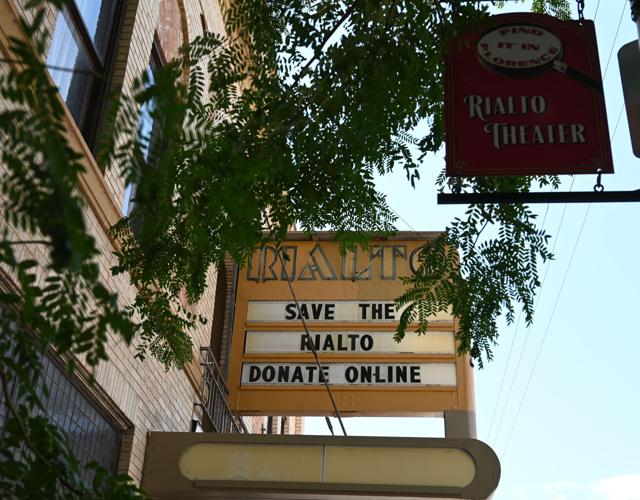
It’s blasted on the historic theater’s marquee: “Save the Rialto. Donate Online.”
The plea for help is there all day for passersby, many of whom have supported this place time after time. The small town’s residents and business owners have collectively thrown millions of dollars over the years at the theater they cherish.
This time, with a pause in ticketed shows and donations dwindling, it’s worse. The coronavirus pandemic has taken a harsh toll on vulnerable community theaters like the Rialto. Even though the stage is empty, there are still bills to pay. And money is running out.
“We have enough to get us through the end of August without doing anything,” says Jennifer Bowers, a frequent performer and member of the theater’s board of directors. “After that? Who knows what we’ll do.”
A similar tragic story is being written at the Rialto Theater in Loveland.
“The short answer is that the corona is devastating to our theater,” manager Steve Lemmon said.
“We have canceled or postponed all of our fall events. Most rental partners have pulled out over concerns, including safety and how to make their revenue in a theater that has a reduced capacity.”
The theater, which Lemmon says many consider to be the cultural center of Loveland, was supposed to celebrate its 100th anniversary this summer. Instead, questions hang over its future.
“With no shows, how do we justify our staff continuing to work?” Lemmon said. “Even if we had events, are people ready to come and sit in a theater right now? And on and on.”
Newer venues, such as the Millibo Art Theater in Colorado Springs, face the same troubles.
The nonprofit theater has always depended on donations to some degree, says executive director Jim Jackson, who founded the theater with his wife in 2001.
“Our leverage for that has always been all these shows we’re doing and that there’s always something going on, so it’s worth it,” he said. “Now we can’t promise that.”
He knows the entire arts community is experiencing a “huge hit.”
“Live performance, theater, music, small music venues … we are all in the same boat,” he said. “There’s not any big advocate voice for saying we got to help these guys out.”
It’s a particular kind of gut punch after all the Rialto — both theaters with the Rialto name — have been through to survive.
Florence’s Rialto opened in 1923 as an opera house. It’s had many lives, including spending several decades as a talkie cinema, and years spent falling into disrepair only to be put in the spotlight again, like when it was added to the Colorado State Register of Historical Places in 1993. The back and forth continued.
In the last decade, though, the Rialto has picked up steam.
By 2014, more than $1.3 million in locally raised funds and 40,000 hours of volunteer work had been invested in the theater’s restoration. Among other work, retrofitting piers underneath the stage required removing more than 127 tons of dirt.
The next year, events like plays and haunted houses returned to the theater.
And its magic reached a new generation.
“As soon as I walked in here, I felt a sense of belonging,” Bowers said. “It was this feeling, like, I’m home.”
On a tour of her home, she points out all of its features, good and bad.
Inside the 10,000-square-foot brick building, treasures from its original days remain, like a 50-foot fly tower built above the stage to move backdrops and curtains up and down. Less than 20 fly towers like it remain in the country.
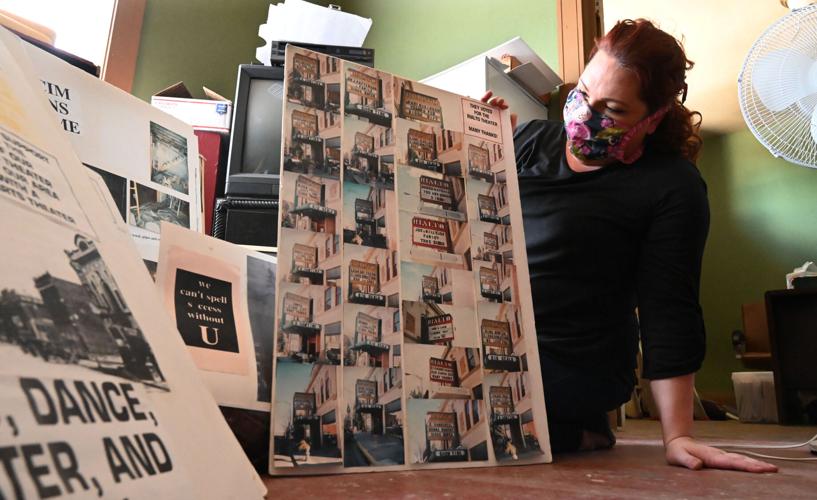
From hundreds of props and costumes to pages of historic photos, the theater holds so much to love. And so much its caretakers don’t want to see disappear.
Bowers points out ornate artwork on the walls and ceilings that goes back to the ‘20s. Performers from the old days are known to hang around, too. There have been sightings of a dancer, Lily, and a shadowy gentleman on the balcony who tips his hat at the end of a play.
There have been no hat tips to see recently, as shows have been on hold since March.
The coronavirus pandemic has also halted work on a long to-do list of renovations.
Bowers and others continue to be creative to raise money. They’re hosting a virtual Carol Burnett show, among other online events.
Even though the Rialto is empty, the marquee lights up each night. The lights are a reminder that this place is, after everything, still alive. The words illuminated — “Save the Rialto” — are a reminder that it still needs help.

Denver area events for Dec. 7
Carlotta Olson
carlotta-olson@denvergazette.com
Updated 11 hours ago
If you have an event taking place in the Denver area, email information to carlotta.olson@gazette.com at least two weeks in advance. All events are listed in the calendar on space availability. Sunday Latkes and Lights Hanukkah Celebration — 10 a.m.-1 p.m., JCC...

Carlotta Olson
Reporter
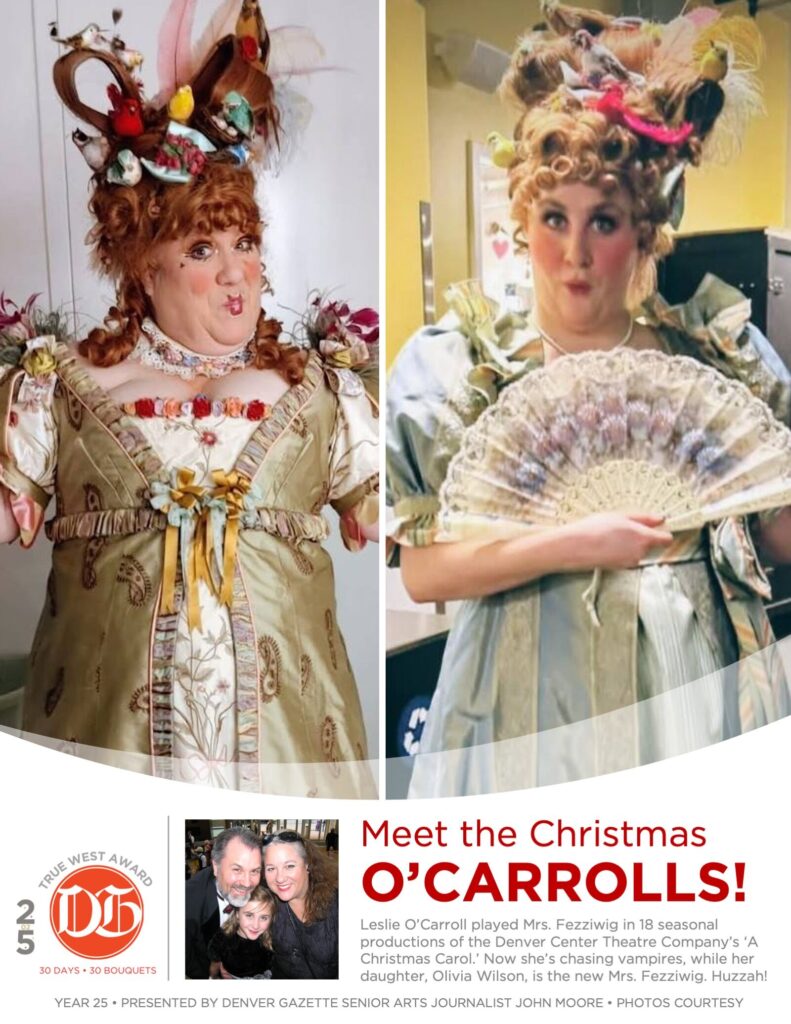
Full ‘swing’: Daughter steps into mom’s iconic Mrs. Fezziwig role
John Moore
john.moore@denvergazette.com
Updated 2 days ago
2025 DENVER GAZETTE TRUE WEST AWARDS: DAY 6 Talk about mirror images! Denver Center replacement actor Olivia Wilson steps into ‘A Christmas Carol’ role mom Leslie O’Carroll made iconic It was only the first act of the third preview performance...

John Moore
Reporter
Denver area events for Dec. 6
Carlotta Olson
carlotta-olson@denvergazette.com
Updated 2 days ago
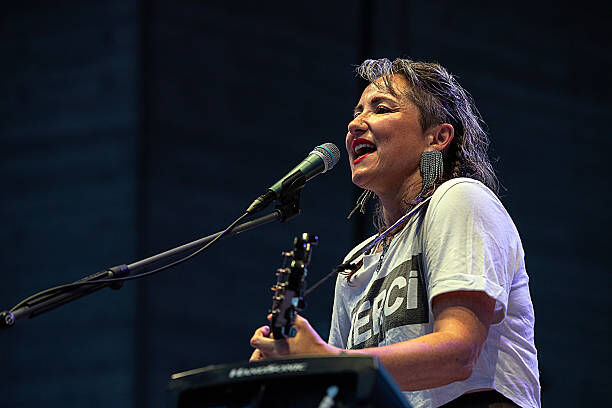
If you have an event taking place in the Denver area, email information to carlotta.olson@gazette.com at least two weeks in advance. All events are listed in the calendar on space availability. Saturday Wings & Wonder Holiday Festival — Live bird ambassadors, photos...
Carlotta Olson
Reporter
Denver area events for Dec. 5
Carlotta Olson
carlotta-olson@denvergazette.com
Updated 3 days ago
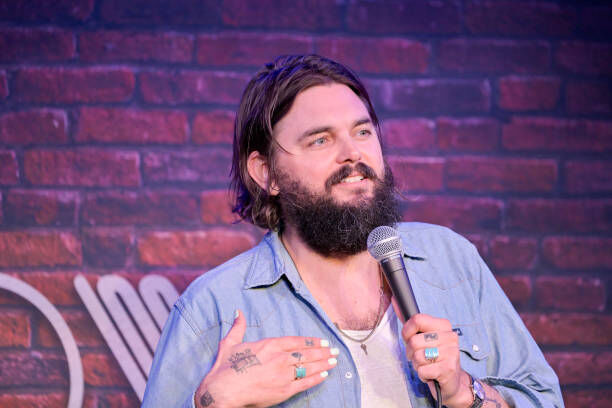
If you have an event taking place in the Denver area, email information to carlotta.olson@gazette.com at least two weeks in advance. All events are listed in the calendar on space availability. Friday Chris Williamson – Self Discovery Live Show — 7:30 p.m.,...
Carlotta Olson
Reporter

Denver area events for Dec. 4
Carlotta Olson
carlotta-olson@denvergazette.com
Updated 4 days ago
If you have an event taking place in the Denver area, email information to carlotta.olson@gazette.com at least two weeks in advance. All events are listed in the calendar on space availability. Thursday Waterparks — With Heart Attack Man, Winona Fighter, 7 p.m.,...
Carlotta Olson
Reporter
Denver area events for Dec. 3
Carlotta Olson
carlotta-olson@denvergazette.com
Updated 5 days ago
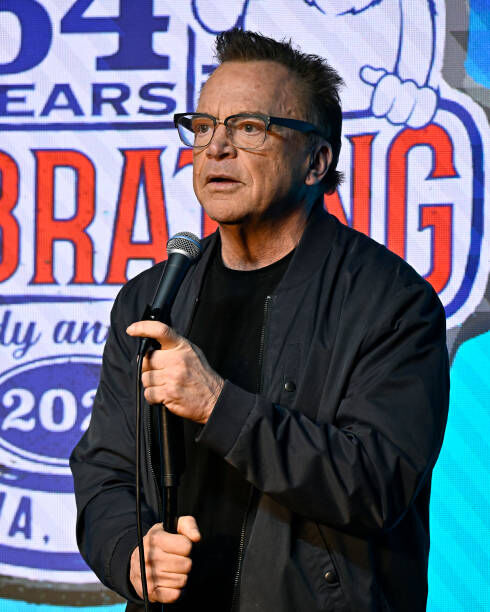
If you have an event taking place in the Denver area, email information to carlotta.olson@gazette.com at least two weeks in advance. All events are listed in the calendar on space availability. Wednesday The Broadway Hollywood Holiday Songbook — 2 and 7:30 p.m.,...
Carlotta Olson
Reporter

Denver area events for Dec. 2
Carlotta Olson
carlotta-olson@denvergazette.com
Updated 6 days ago
If you have an event taking place in the Denver area, email information to carlotta.olson@gazette.com at least two weeks in advance. All events are listed in the calendar on space availability. Tuesday Downtown Denver Food Tour — 1-4 p.m., Denver, $60 and...
Carlotta Olson
Reporter

Denver area events for Dec. 1
Carlotta Olson
carlotta-olson@denvergazette.com
Updated 1 week ago
If you have an event taking place in the Denver area, email information to carlotta.olson@gazette.com at least two weeks in advance. All events are listed in the calendar on space availability. Monday RiNo Arts District Food Tour — 1-4 p.m., Denver, $60...
Carlotta Olson
Reporter
Denver area events for Nov. 30
Carlotta Olson
carlotta-olson@denvergazette.com
Updated 1 week ago
If you have an event taking place in the Denver area, email information to carlotta.olson@gazette.com at least two weeks in advance. All events are listed in the calendar on space availability. Sunday Denver Bazaar – RiNo Holiday Market — 11 a.m.-5 p.m,...
Carlotta Olson
Reporter
Denver area events for Nov. 29
Carlotta Olson
carlotta-olson@denvergazette.com
Updated 1 week ago
If you have an event taking place in the Denver area, email information to carlotta.olson@gazette.com at least two weeks in advance. All events are listed in the calendar on space availability. Saturday Photos with the Grinch —11 a.m.-1 p.m., Orchard Town Center,...
Carlotta Olson
Reporter
PREV
PREVIOUS
Colorado-based songwriter is behind George Strait's hits — and he's headed for the Hall of Fame
Dean Dillion has written hundreds of songs in his lifetime, many of which have been number one hits sung by country stars like George Strait and Chris Stapleton. This week, the Country Music Association announced the legendary songwriter would be entering Country Music Hall of Fame’s Class of 2020 alongside Hank Williams Jr. and Marty […]

Luke Combs, Toby Keith, Carrie Underwood to headline Colorado’s biggest country music festival
This summer’s 2021 Country Jam music festival is going to include performances by Luke Combs, Toby Keith, Carrie Underwood and several other stars, organizers announced Monday. Country Jam, the largest country music festival in the state, is returning in June after canceling last summer due to COVID-19. The three-day outdoor festival is set to kick […]