







Social media is killing public life (Exhibit A: last week’s debate) | Vince Bzdek
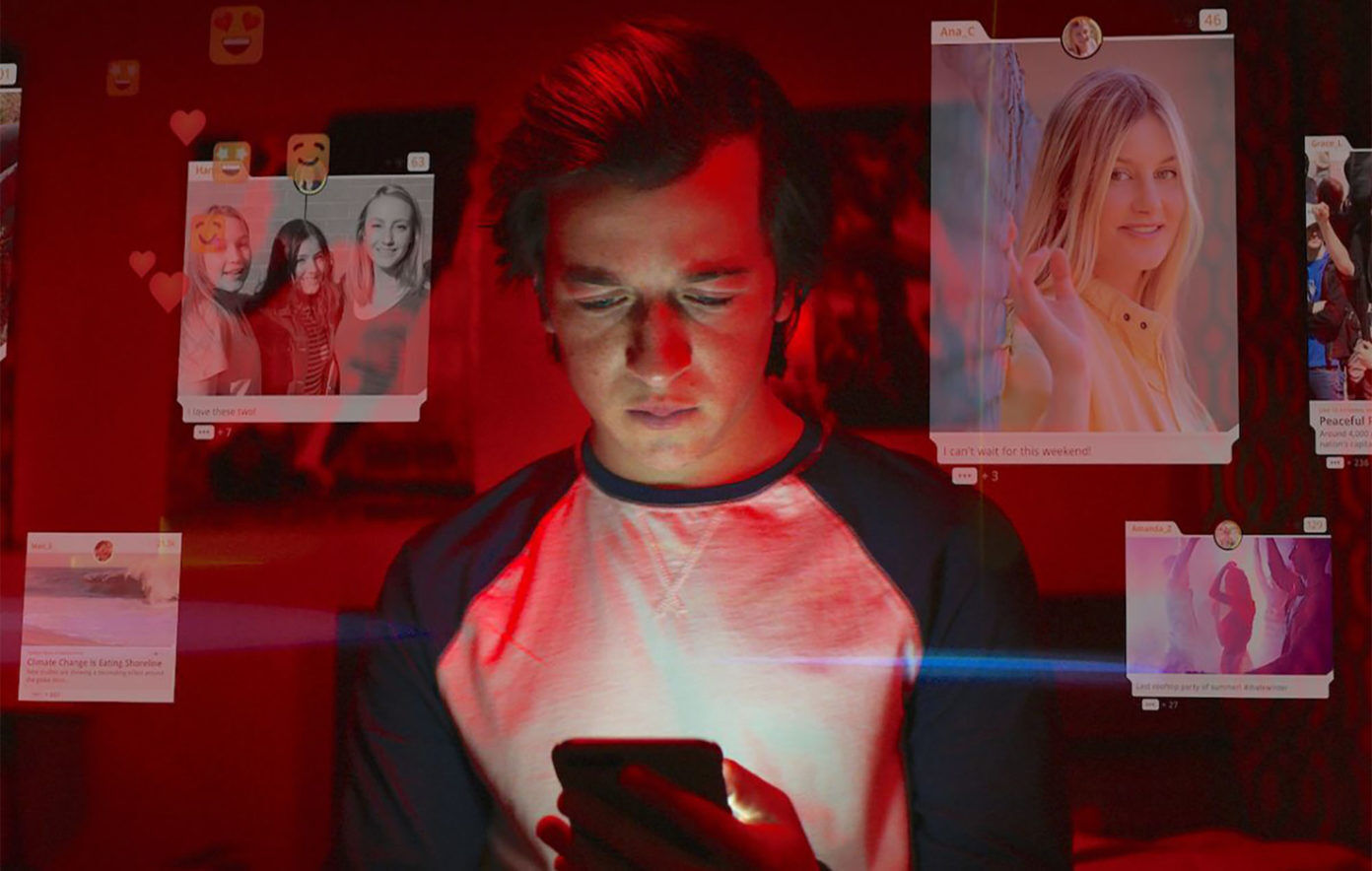
Question of the week: Who’s to blame for that barroom brawl we saw last week that was supposed to be a presidential debate?
Boulder filmmaker Jeff Orlowski has a pretty succinct answer: social media.
He’s made what may be one of the year’s most important movies, Netflix’s “The Social Dilemma,” in which former tech execs warn that social media companies have become digital Frankensteins.
Among other things, social media is derailing productive public discourse, the Emmy-winning director told me Friday.
“Public discourse has become more contentious and is often performed in ways that mirror how we interact online,” Orlowski said. “It favors outrage over empathy and soundbites over nuance. When it comes to a political debate, social media also creates an information ecosystem in which winning often isn’t determined by the substance of the debate, but by who can capture the Twitterverse.”
I’d say last week’s debate, which felt like a tweet-storm-made-flesh, is Exhibit A for his case.
“Giving people something to talk about is more valuable than the integrity of your positions” now, Orlowski notes.
He sees a direct connection between the way technology platforms have changed how we receive and process information and the divisive state of our politics.
Orlowski’s movie describes a Facebook Inc. team’s blunt message to senior executives in 2018. The company’s algorithms weren’t bringing people together, the little-known memo found, they were driving people apart.
“Our algorithms exploit the human brain’s attraction to divisiveness,” read a slide from a 2018 presentation. “If left unchecked,” it warned, Facebook would feed users “more and more divisive content in an effort to gain user attention & increase time on the platform.”
Social media makes a profit by polarizing us. “It’s a disinformation for profit business model,” explains Tristan Harris, former Design Ethicist at Google, in the movie.
“False information makes the companies more money than the truth. You make money the more you allow unregulated messages to reach anyone for the best price.”
Harris, who has been called the closest thing Silicon Valley has to a conscience, is just one of many former tech officials profiled in the movie who now regret what they’ve spawned.
Roger McNamee, a Facebook early investor, points out that Facebook and Twitter and Instagram have created billions of private public squares, each of us getting our own “feeds” tailor-made by algorithms. When we have conversations with each other now, like the debate Tuesday, we can’t relate to each other because we don’t have the same sources of information.
“If everyone is entitled to their own facts, there is really no need for compromise, really no need for people to come together. In fact there’s really no need for people to interact,” said McNamee.
“We need to have some shared understanding of reality. Otherwise we aren’t a country.”
Social media has taken our shared Americanness from us. If that debate is any indication, it’s unraveling the very fabric of democracy.
After nearly three years of working on his film, Orlowski now sees “the social dilemma” underlying many of the other societal conflicts that require compromise and a shared understanding to fix. “If two sides can’t agree, if two sides can’t come together, if two sides are constantly fed reflections of their preexisting ideology, we will never be able to build bridges and heal the challenges that plague humanity,” he said in an email interview.
Harris seconds that idea in the movie: “And then you look over at the other side. And you start to think, how can those people be so stupid? Look at all this information that I’m constantly seeing. How are they not seeing that same information? And the answer is, they’re not seeing that same information.”
The saddest, most ironic part is that we’re all going on social media looking for community, and it is undermining the very idea of community. Social media is anti-social.
“Social media is a drug,” said Dr. Anna Lembke, an addiction specialist at Stanford. “We have a basic biological imperative to connect with other people that directly affects the release of dopamines and the reward pathway. Millions of years of evolution are behind that system to get us to come together and live in communities. So there is no doubt that social media which optimizes this connection between people is going to have the potential for addiction.”
Harris adds that, “It’s not about the technology being a threat. It’s about the technology bringing out the worst in society, and the worst in society being the existential threat.
“If technology creates mass chaos, outrage, instability, lack of trust in each other, loneliness, alienation, more polarization, more election hacking, more populism, more distraction so we don’t focus on the real issues,” that becomes our society. “And now society is incapable of healing itself.”
Harris believes social media has to be held responsible for its content. The way newspapers are, for instance.
Let’s compare and contrast. I’ve been working for more than a month editing a sensitive story, discussing the story repeatedly with the reporter, the reporter’s editor, our CEO and publisher, making sure we have contacted everyone mentioned in the story multiple times to hear all sides, reaching out to multiple sources to confirm the information we have before publishing, finding new sources to confirm what those sources are saying, doing open records requests for relevant documents to add more weight to the statements of sources, and asking a First Amendment lawyer to review the piece for possible legal issues.
Facebook, which I would argue should be governed by the same libel and copyright laws that govern us, does none of that. They just publish whatever anyone wants to publish, whether its true, libelous, or hate-filled.
“The platforms have to be responsible. When they take over election advertising, they have to be responsible for elections,” argues Harris. “They’ve taken over our politics and our discourse without taking the responsibility for taking over the public square.”
Even Facebook CEO Mark Zuckerberg is now calling for more regulation of companies like his.
That’s up to the lawmakers of course. What do we manipulated peons do right now, in the 30 days before the election?
For one, “we have to reevaluate how we’re getting information, and seek news from sources outside of social media’s misleading algorithms,” argues Orlowski. “Unlearning compulsive, destructive technology habits as a society will take time. Understanding the control that these platforms have over our time and attention is a first step.”
At the end of the movie, Jaron Zepel Lanier, a dreadlocked computer philosopher and author of “Ten Arguments for Deleting Your Social Media Accounts Right Now,” offers this:
“Deleting your social media accounts frees up space for a conversation. I want there to be enough people out in society who are free of the manipulation to have a societal conversation that isn’t bounded by manipulation.
“Do it, delete. Get out of the system. The world is beautiful.”

Aurora council unanimously approves creation of tobacco retail license to address youth access
Kyla Pearce
kyla-pearce@denvergazette.com
Updated 2 hours ago
After months of discussion in policy committee meetings and input from members of the public, Aurora City Council members approved the creation of a retail license Monday that limits and imposes certain requirements on businesses that sell tobacco and psychoactive...

Kyla Pearce
Reporter
Colorado senators hold heated debate on latest immigration bill
Marianne Goodland
marianne-goodland@denvergazette.com
Updated 5 hours ago
A bill that would allow individuals who get injured during an immigration action to sue federal agents in state court won preliminary approval from the Colorado Senate on Monday. The bill would permit a “cause of action” by such individuals...

Marianne Goodland
Reporter
What the numbers say about Denver Nuggets clutch struggles | NBA Insider
Vinny Benedetto
vinny-benedetto@denvergazette.com
Updated 3 hours ago
Denver Gazette beat writer Vinny Benedetto takes you around the NBA and inside the Nuggets locker room: NBA Insider When Nikola Jokic admits concern, something is wrong. That’s what happened after the Nuggets suffered another close loss against the Warriors...

Vinny Benedetto
Reporter
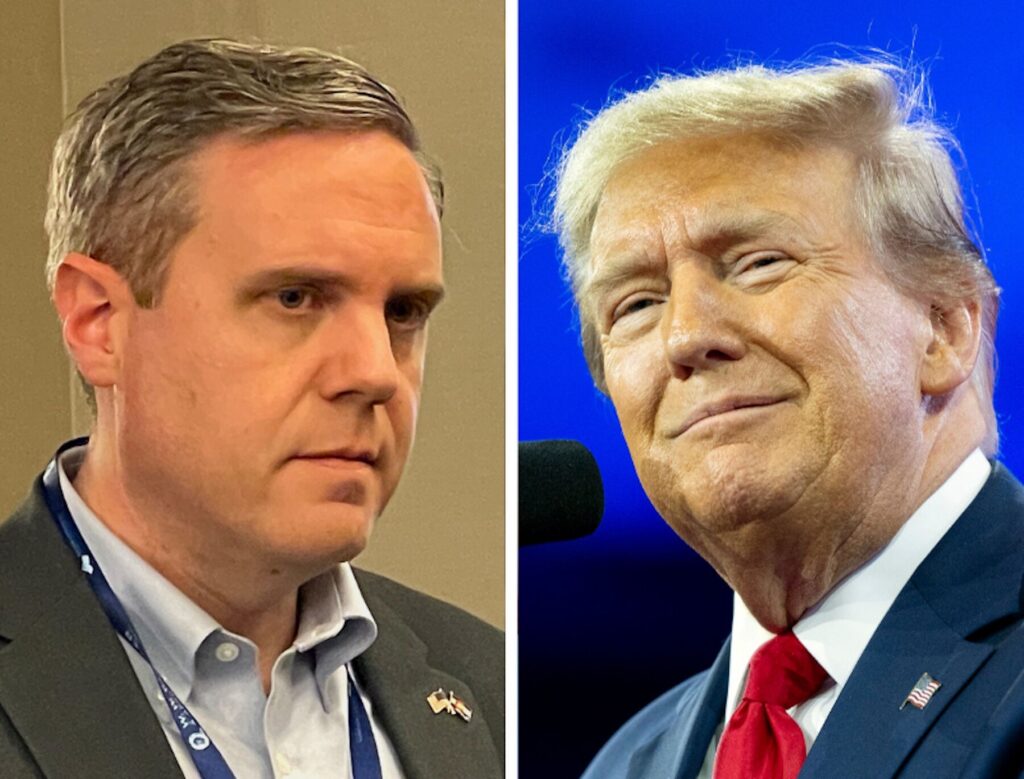
Trump pulls endorsement from Jeff Hurd over tariffs, backs Colorado Republican’s primary challenger
Ernest Luning
ernest-luning@denvergazette.com
Updated 5 hours ago
President Donald Trump on Saturday rescinded his endorsement of U.S. Rep. Jeff Hurd and threw his support behind the Colorado Republican’s primary challenger, Hope Scheppelman, citing the first-term incumbent’s “lack of support” for the administration’s tariff policy. The move comes...

Ernest Luning
Reporter
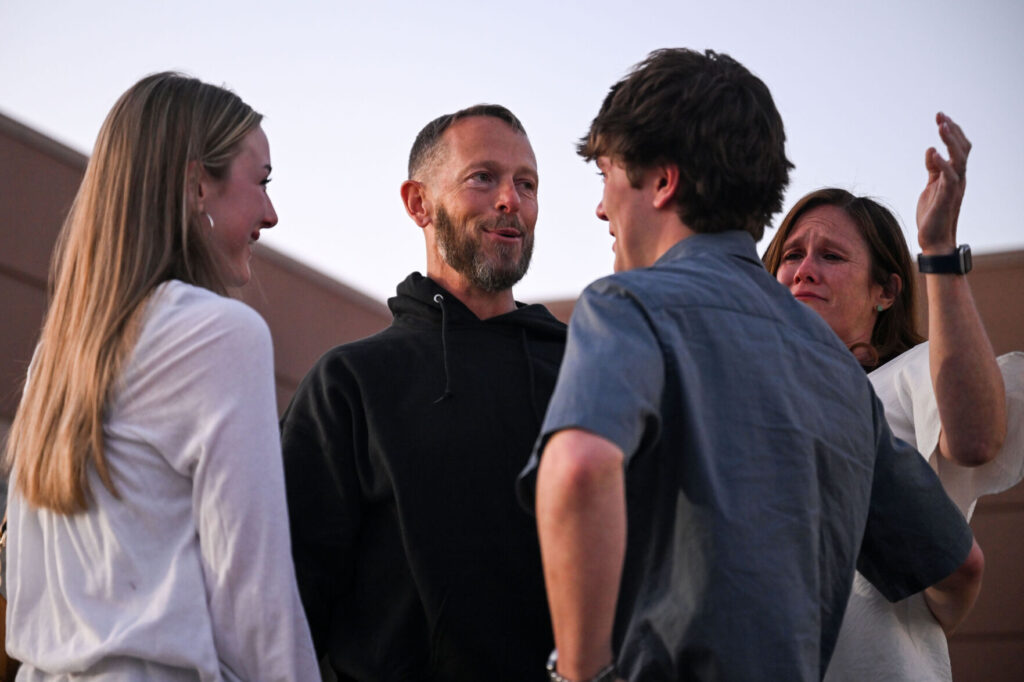
Judge: CBI ordered to provide access to thousands of DNA cases
Jenny Deam
jenny-deam@denvergazette.com
Updated 6 hours ago
Boulder County District Judge Nancy W. Salomone on Monday ordered the Colorado Bureau of Investigation to provide access to thousands of cases where past DNA analysis could be in question or show a pattern. The ruling came in a pre-trial...

Jenny Deam
Reporter
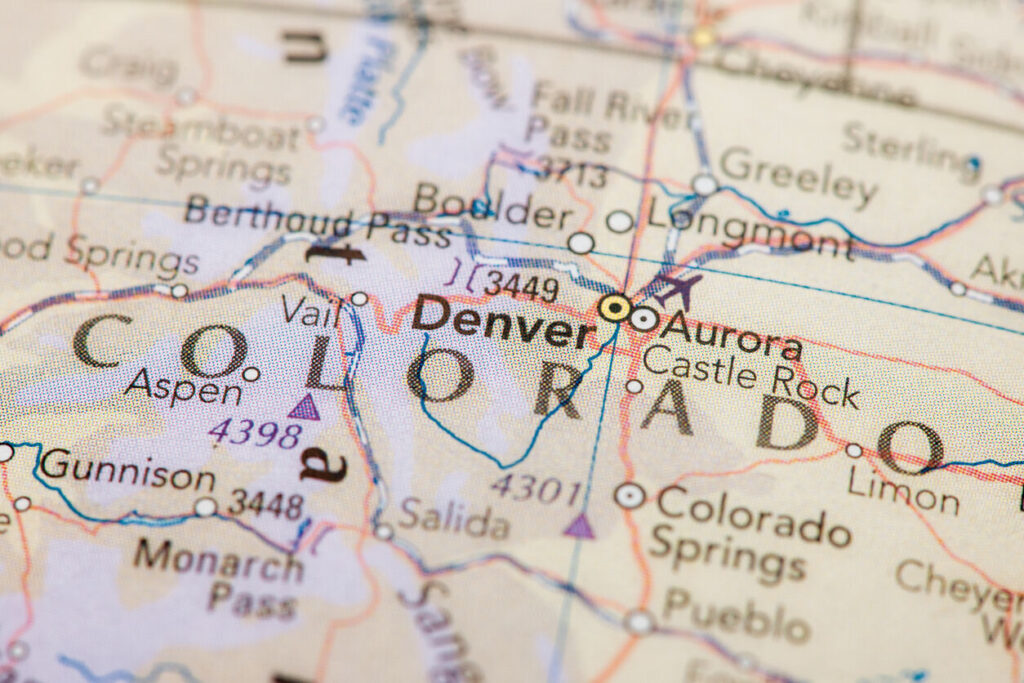
Here’s where Colorado ranks among the ‘most sinful’ states in the US
Piper Russell
piper.russell@outtherecolorado.com
Updated 8 hours ago
Each state across the U.S. has its own vices, and WalletHub, a personal-finance company, recently conducted a study to determine which states are the most sinful. Colorado ended up ranking close to the middle of the pack as the eighteenth...

Piper Russell
Reporter
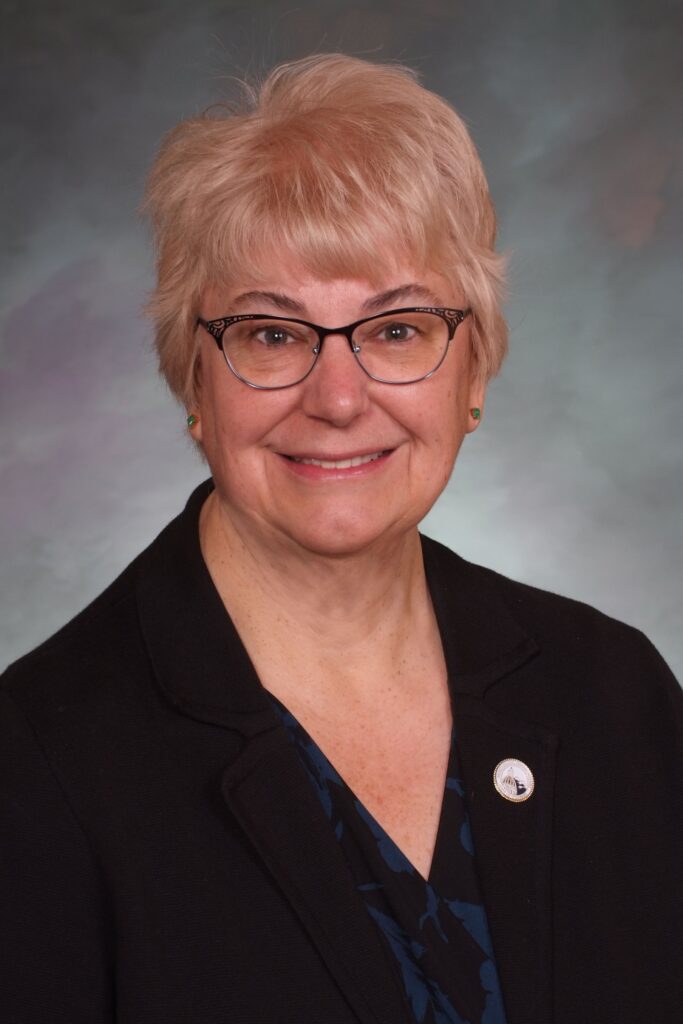
Colorado Senate Democrats choose Sen. Cathy Kipp as president pro tempore
Marianne Goodland
marianne-goodland@denvergazette.com
Updated 7 hours ago
Senate Democrats on Monday elected Sen. Cathy Kipp, D-Fort Collins, as the next president pro tempore. Kipp replaced former Sen. Dafna Michaelson Jenet, D-Commerce City, who resigned her seat earlier this month. Kipp faced off against Sen. Tony Exum, D-Colorado...
Marianne Goodland
Reporter

Weekly Weather Outlook for Colorado: February 23 through March 1
Piper Russell
piper.russell@outtherecolorado.com
Updated 8 hours ago
Warm and dry weather returns to Colorado for the beginning of this week, with strong winds coming on Tuesday and Wednesday. While the lower elevations will stay mostly dry and mild, snow is expected to return to the mountains mid-week....
Piper Russell
Reporter

Guilty plea in stabbing hoax involving Colorado state park
Spencer McKee
spencer@outtherecolorado.com
Updated 8 hours ago
Roughly six months after the report of a park ranger getting stabbed prompted the evacuation of Colorado’s Staunton State Park, the man behind what’s been since described as an elaborate hoax has struck a plea deal. On August 19, seasonal...

Spencer McKee
Reporter
With deadline looming, Colorado House Ethics Committee narrows case against Rep. Ron Weinberg
Marianne Goodland
marianne-goodland@denvergazette.com
Updated 8 hours ago
With a Wednesday deadline to vote on seven ethics allegations against Rep. Ron Weinberg, R-Loveland, the Colorado House Ethics Committee signaled that it is poised to dismiss most of the claims, including campaign finance, conduct and firearm-related accusations, while focusing...
Marianne Goodland
Reporter