







Fed economist: Spread of virus will dictate path of recovery

Courtesy Federal Reserve Bank of Kansas City
The timing and extent of the nation’s and Colorado’s economic recovery from the COVID-19 pandemic will depend on how quickly the virus spreads in the coming months, a Federal Reserve Bank economist said Tuesday.
The state’s and nation’s economies have recovered somewhat from layoffs triggered by measures to slow the spread of the virus, but unemployment remains well above historic lows reached before the pandemic took hold, said Nicholas Sly, assistant vice president, economist and Denver branch executive for the Federal Reserve Bank of Kansas City. Over the longer term, he remains concerned about how willing and able laid-off workers will be to return to work.
Economist: Expect rough winter as pandemic spreads, stronger recovery for Colorado after
“In the near term, the path of COVID-19 remains the key driver of the (economic outlook),” Sly told bankers and business leaders watching the bank’s Colorado virtual economic forum. “When can the recovery begin in earnest across the broad swath of the economy? When will we have fewer cases and when will consumers have more confidence to spend and travel?”
Sly remains concerned that the longer people are out of work, some may not renew required licenses or certifications and others could lose key workplace skills that will make it more difficult for them to return to work. That will hamper business expansion plans by making recalling or hiring employees more difficult, especially if workers are reluctant to return to their jobs due to safety concerns related to the pandemic, he said.
Two economic forecasts on horizon for Colorado Springs
Consumer spending has recovered, plateaued and lost ground in concert with the rate at which the virus has spread — when cases spike, consumers are reluctant to spend on just about anything, Sly said. There are questions to what extent industries such as restaurants and travel continue to recover as virus cases jump in Colorado and other states and cold weather makes social distancing more difficult, he said.
Even when the Colorado and national economies have recovered, what that recovery looks like will be far different than in the past as a result of changes in how and where employees work and live, Sly said. The structures of entire industries have changed, likely permanently, as a result of the pandemic, including more employees working from home, more virtual meetings and medical appointments and retailers selling more merchandise for pickup or delivery, he said.
Economic recovery will take a while, Colorado Springs economists say
“The long-term question (for the state and national economies) is what does the new normal look like,” Sly said. “We should expect a new normal. The recovery will look different and there are some sectors that will not go back to the way they looked before. How quickly we get to the new normal ultimately will determine the shape of the recovery.”
Contact Wayne Heilman 636-0234
Facebook www.facebook.com/wayne.heilman
Twitter twitter.com/wayneheilman


Israel launches attack on Iran’s capital with US help as tensions high over nuclear talks
The Associated
the-associated@gazette.com
Updated 29 minutes ago
Israel launched a daylight attack Saturday on Iran’s capital, with a cloud of smoke rising from the city’s downtown. The first apparent strike happened near the offices of Supreme Leader Ayatollah Ali Khamenei. The United States is participating, though it was...

The Associated
Reporter
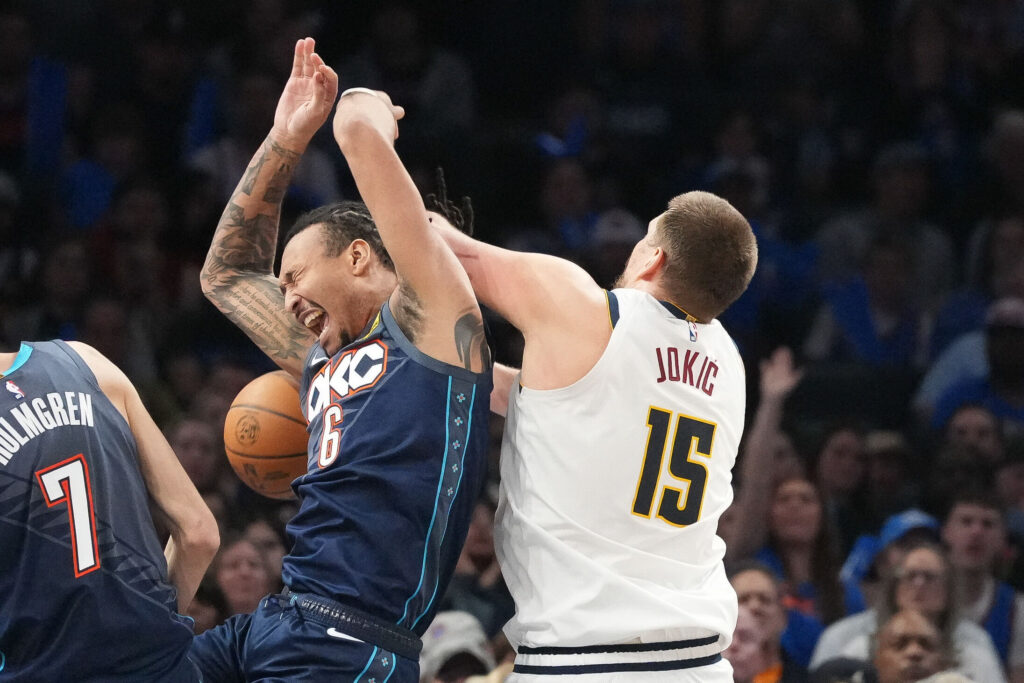
Tempers flare during another tightly contested matchup between Denver Nuggets, Oklahoma City Thunder
Vinny Benedetto
vinny-benedetto@denvergazette.com
Updated 51 minutes ago
OKLAHOMA CITY – The temperature of one of the NBA’s most heated rivalries got turned up a couple of notches Friday at Paycom Center. Things reached a boiling point with eight minutes left in regulation after Jared McCain gave the...

Vinny Benedetto
Reporter

Kaidan Mbereko, upperclassmen show up for Colorado College as Tigers beat No. 9 Bulldogs
Hugh Johnson
hugh-johnson@denvergazette.com
Updated 59 minutes ago
Friday night, Colorado College hockey walked the walk. The Tigers earned a 4-1 win over No. 9 Minnesota Duluth at the Bulldogs’ Amsoil Arena. After five straight weeks of close calls, CC earned the win on the opening night of...

Hugh Johnson
Reporter
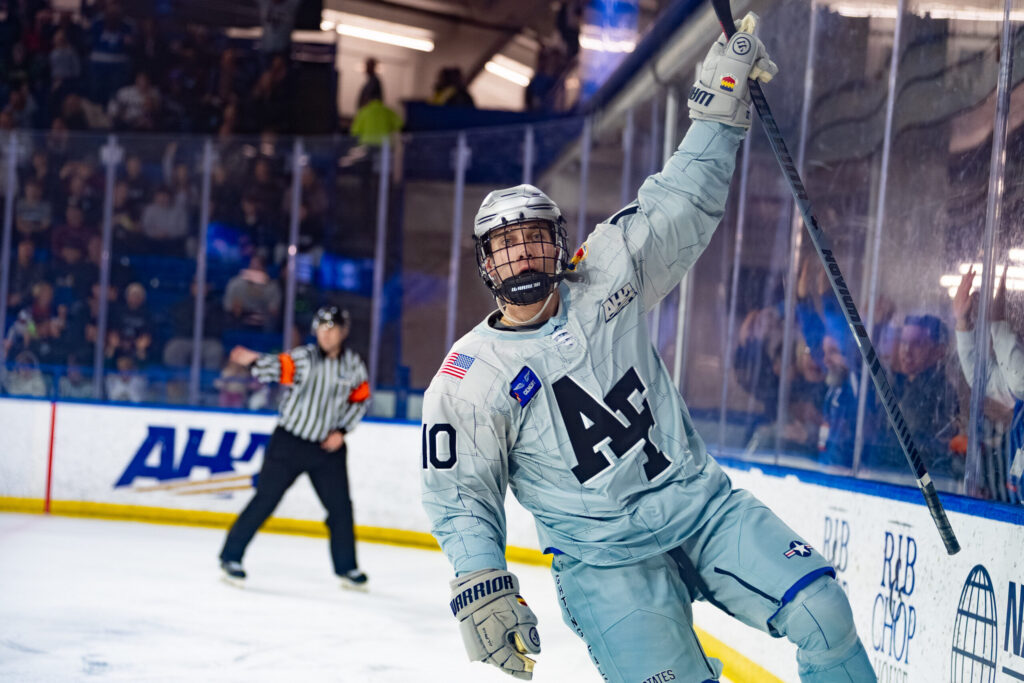
Air Force earns pivotal win at Bentley to boost AHA playoff outlook
Brent Briggeman
brent-briggeman@denvergazette.com
Updated 3 hours ago
Air Force hockey may have played itself out of a play-in situation. With a wire-to-wire 3-2 victory at Bentley – the Atlantic Hockey America’s top team – Air Force leapt out of seventh place in the conference on Friday night...

Brent Briggeman
Reporter

‘The rule wasn’t made for them’ | What Nuggets, Thunder coaches said about NBA’s 65-game threshold
Vinny Benedetto
vinny-benedetto@denvergazette.com
Updated 4 hours ago
OKLAHOMA CITY – The NBA got a step closer to another contentious Most Valuable Player debate Friday at Paycom Center. Thunder star Shai Gilgeous-Alexander made his return against Nikola Jokic and the Nuggets after missing the previous nine games with...
Vinny Benedetto
Reporter
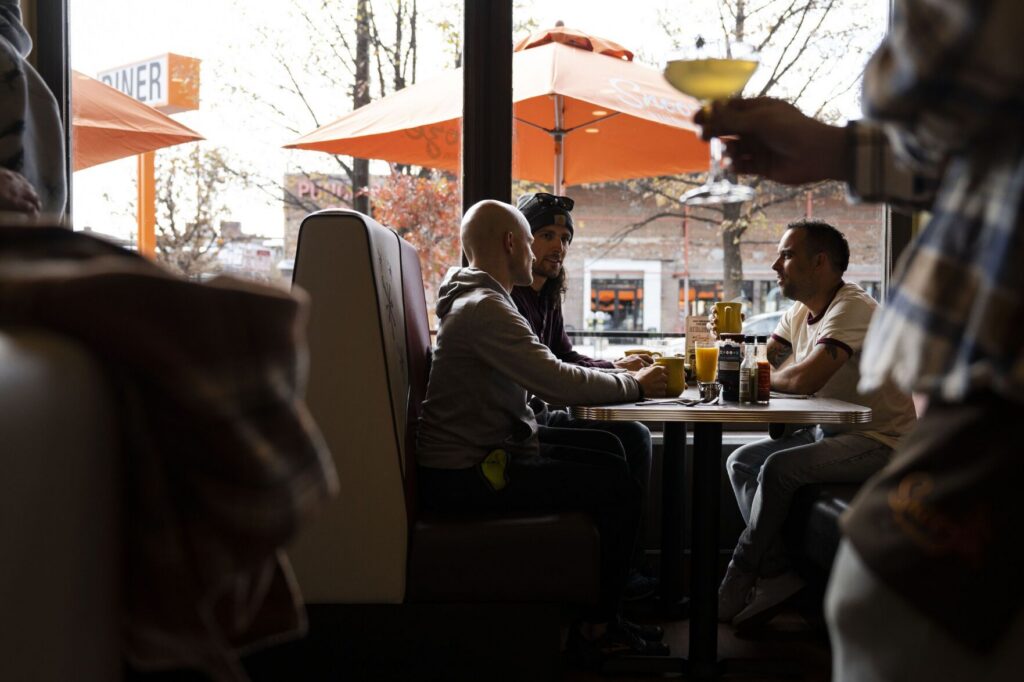
Report says Denver’s restaurant industry in need of intervention
Bernadette Berdychowski
bernadette.berdychowski@denvergazette.com
Updated 6 hours ago
Denver’s restaurant industry is struggling and facing “sustained structural pressure,” according to a report by local industry leaders. Last year, the city’s economic development department and Visit Denver created a six-month liaison program to research issues affecting the restaurant sector...

Bernadette Berdychowski
Reporter
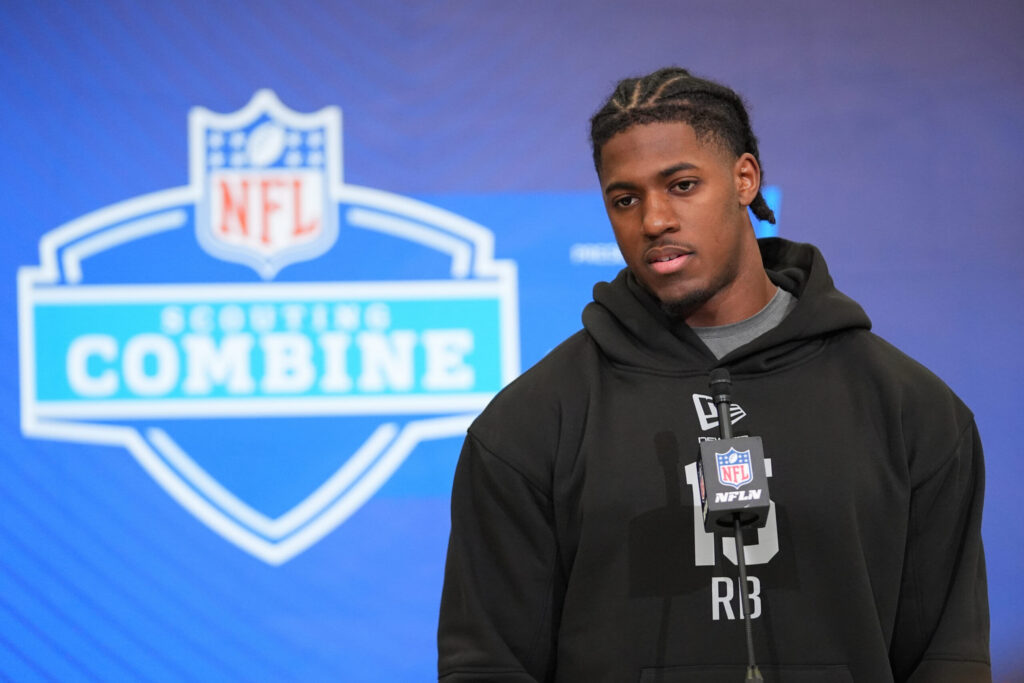
With Broncos eyeing running backs in draft, versatile Jadarian Price says, ‘I think they like me’
Chris Tomasson
chris.tomasson@gazette.com
Updated 3 hours ago
INDIANAPOLIS – Never mind that the last running back the Broncos selected from Notre Dame didn’t work out. They might grab another one early in the 2026 draft. The Broncos have plenty of interest in Fighting Irish stalwart Jadarian Price,...

Chris Tomasson
Reporter
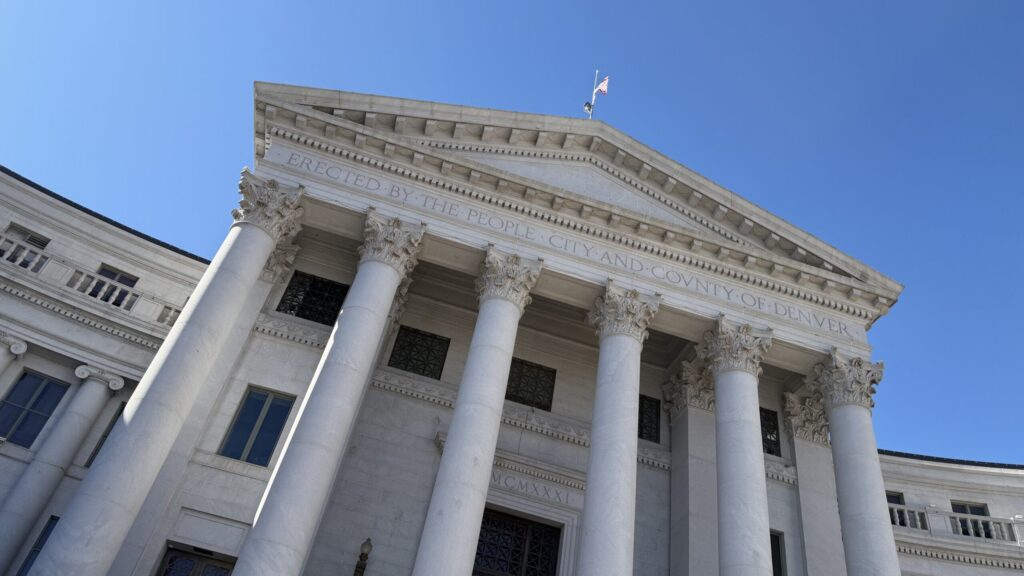
Denver City Council to vote on police identity bill and quarterly reporting
Deborah Grigsby
deborah.smith@denvergazette.com
Updated 8 hours ago
Two bills are up for final consideration by the Denver City Council on Monday. The first is Council Bill 26-0125, which proposes an ordinance to prohibit law enforcement officers, including federal immigration agents, from concealing their identities while interrogating, detaining,...

Deborah Grigsby
Reporter
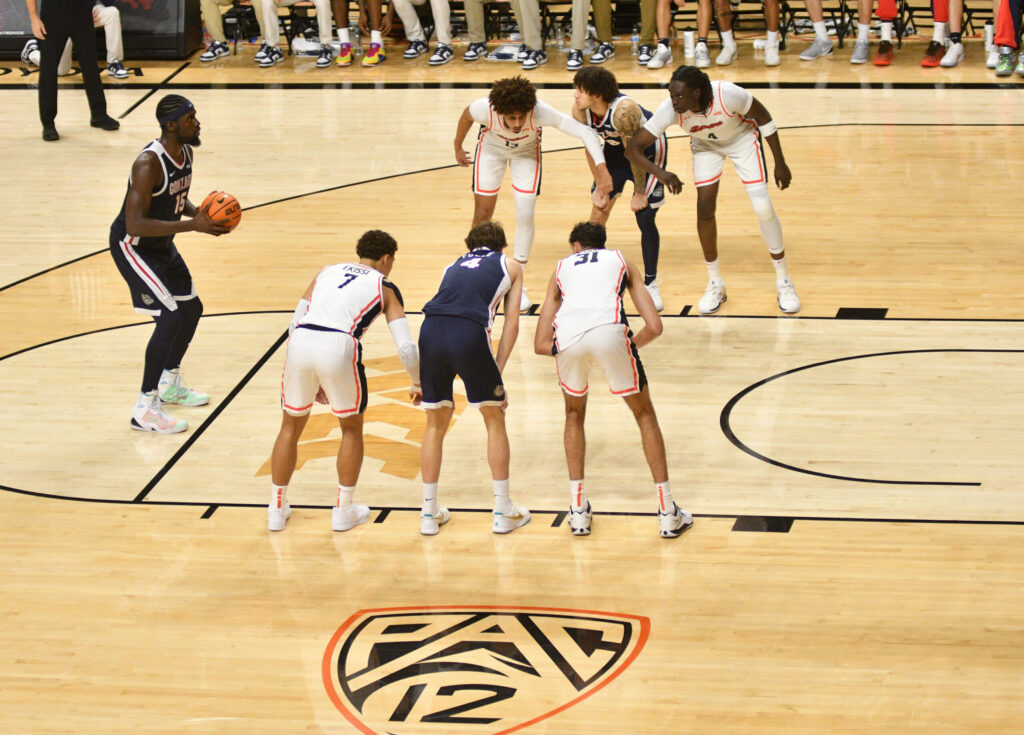
The new-look Pac-12 is coming. Can it crash the high-major hoops party? | College Basketball Insider
Tyler King tyler.king@gazette.com
tyler.king@gazette.com
Updated 3 hours ago
Football will pay the bills, but the new-look Pac-12’s identity should be defined on the hardwood. After a two-year hiatus, the West Coast’s premier conference will return next fall, and while its ceiling on the football field is mostly limited...

Tyler King tyler.king@gazette.com
Reporter

Unvaccinated child in Boulder County tests positive for measles
Nicole C. Brambila nico.brambila@denvergazette.com
nico.brambila@denvergazette.com
Updated 7 hours ago
Public health officials have confirmed a measles case in Boulder County. The child was not vaccinated against measles, mumps and rubella and had not traveled outside the state or had a known exposure, according to state health officials. The case...
