







CU Boulder study says emissions aren’t growing as fast as worst-case predictions
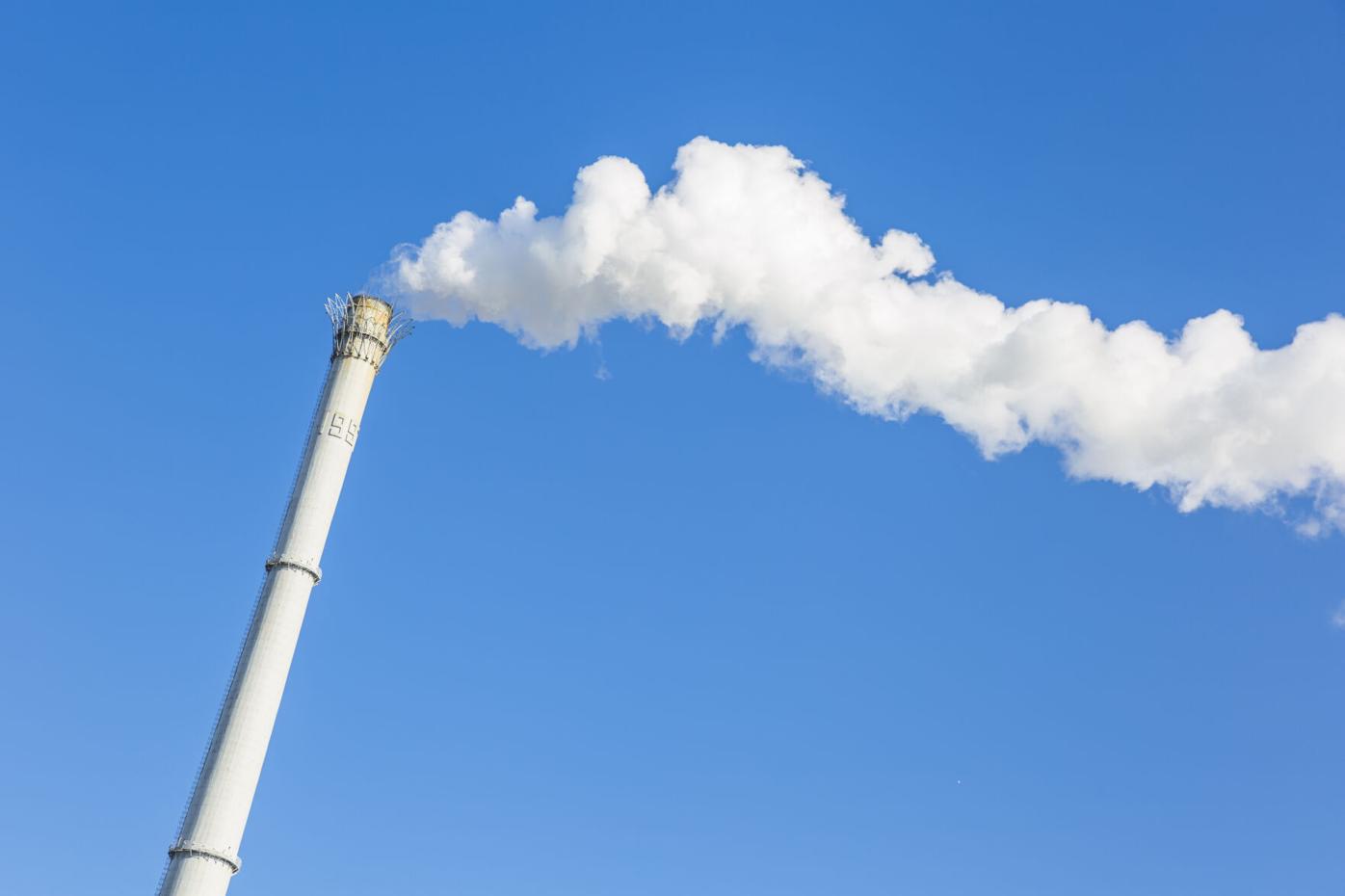
Research from the University of Colorado Boulder found that emissions aren’t growing nearly as fast as the United Nations’ worst-case climate change projections.
The study, published last week by Environmental Research Letters, said the UN’s projections don’t accurately reflect the slowing growth of the global economy and emission rates are unlikely to catch up to the projections anytime soon.
The UN’s worst-case projections saw global temperatures increasing by more than 3.6 degrees Fahrenheit by 2100, leading to a global sea level rise of 1.5 feet.
“We’re still affecting the climate and the challenge of reducing emissions is as hard as ever,” said co-author Roger Pielke Jr. “Just because it’s not the worst-case scenario doesn’t mean that the problem goes away.”
Pielke and his colleagues found that even before the COVID-19 pandemic began, the UN’s high-emissions scenarios from 2014 were significantly off track by 2020 because of slower than anticipated GDP growth and declining global use of coal.
The pandemic’s effect on the global economy will only increase this disparity, the researchers said.
New CU study shows that frequent and rapid COVID-19 testing could reduce the virus impact
The UN’s high-emission scenarios were used in its Intergovernmental Panel on Climate Change global assessments, which helps to shape global climate policy.
Based on their results, the CU Boulder researchers recommend that the climate change scenarios be more frequently updated to reflect changes in the world’s economy, technology and climate.
“If we’re making policy based on anticipating future possibilities, then we should be using the most realistic scenarios possible,” said lead author Matt Burgess. “We’ll have better policies as a result.”
The full study is available online at Environmental Research Letters.