







Pandemic emissions reduction hasn’t helped ocean acidity, CU research finds
Research led by the University of Colorado Boulder found that the drop in greenhouse gas emissions during the COVID-19 pandemic hasn’t influenced the ocean’s acidity levels like it was hoped.
These findings were presented Friday at the American Geophysical Union 2020 Fall Meeting by CU associate professor Nicole Lovenduski.
Lovenduski said, though factors like less car and air travel have resulted in a 9% decrease in greenhouse gas emissions, the reduction hasn’t caused any detectable slowing of ocean acidification.
In fact, even if emissions dropped at four times the rate they have in 2020, it still would have a barely noticeable effect on ocean acidity.
“It’s almost impossible to see it in pH,” Lovenduski said. “So has this solved ocean acidification? No, it has not.”
The ocean absorbs a lot of the carbon dioxide humans emit into the atmosphere which heats the ocean, leading to water expansion and rising sea levels. The carbon also causes ocean acidification, harming coral reefs and ocean life.
Part of the reason the emissions drop hasn’t helped is that researchers view the decrease as a short-term, one-time change, not the long-term change needed to fight the acidification.
“This reduction in emissions is what it will take every single year to get us back to something that’s a healthy version of our climate,” Lovenduski said.
CU Boulder study says emissions aren’t growing as fast as worst-case predictions
But all hope is not lost. Lovenduski said her analysis showed the ocean will absorb slightly less carbon from the atmosphere in 2021 due to 2020’s emissions reductions.
Her research has also provided insight on how to track changes in ocean carbon and how much action it will take to stop the impacts of climate change.
“This sudden precipitous drop in emissions is a big deal,” Lovenduski said. “It can offer insight into what might happen if we actually follow a plan like the Paris Climate Agreement.”
Lovenduski’s research will be submitted to the journal Geophysical Research Letters for publication.


Another TABOR fight: Democrats plan to redirect refunds to Colorado residents
Marianne Goodland
marianne.goodland@coloradopolitics.com
Updated 4 hours ago
Colorado voters could decide this fall whether billions of dollars that would otherwise be returned as refunds under the Taxpayer’s Bill of Rights should instead go to public schools under a ballot measure unveiled Thursday by Democrats. Supporters say the...

Marianne Goodland
Reporter

Procedural clash exposes rift on Denver school board
Nicole C. Brambila nico.brambila@denvergazette.com
nico.brambila@denvergazette.com
Updated 9 hours ago
The coalition that restored the president’s gavel to Denver school board Director Xóchitl Gaytán showed cracks Thursday, with board members trading accusations during its regular meeting and arguing over procedure while the district’s general counsel flipped through Robert’s Rules of...


DPS board considers policy designating schools as ‘safe zones’ from immigration enforcement
Nicole C. Brambila nico.brambila@denvergazette.com
nico.brambila@denvergazette.com
Updated 14 hours ago
The Denver school board discussed a major policy amendment that, if passed, will designate all district properties as “Safe Zones” and “Sensitive Locations.” In practical terms, the proposed policy amendment would restrict federal immigration agents from interacting with students and...

Over 60 Colorado school districts to look for candidates at recruitment fair
Sage Kelley
sage.kelley@denvergazette.com
Updated 1 day ago
Colorado school districts are looking for the next generation of teachers and employees this weekend. The Colorado Educator Recruitment Fair will be held from 8 a.m. to 4 p.m. on Saturday at Frederick High School, 5690 Tipple Parkway, according to...

Sage Kelley
Reporter
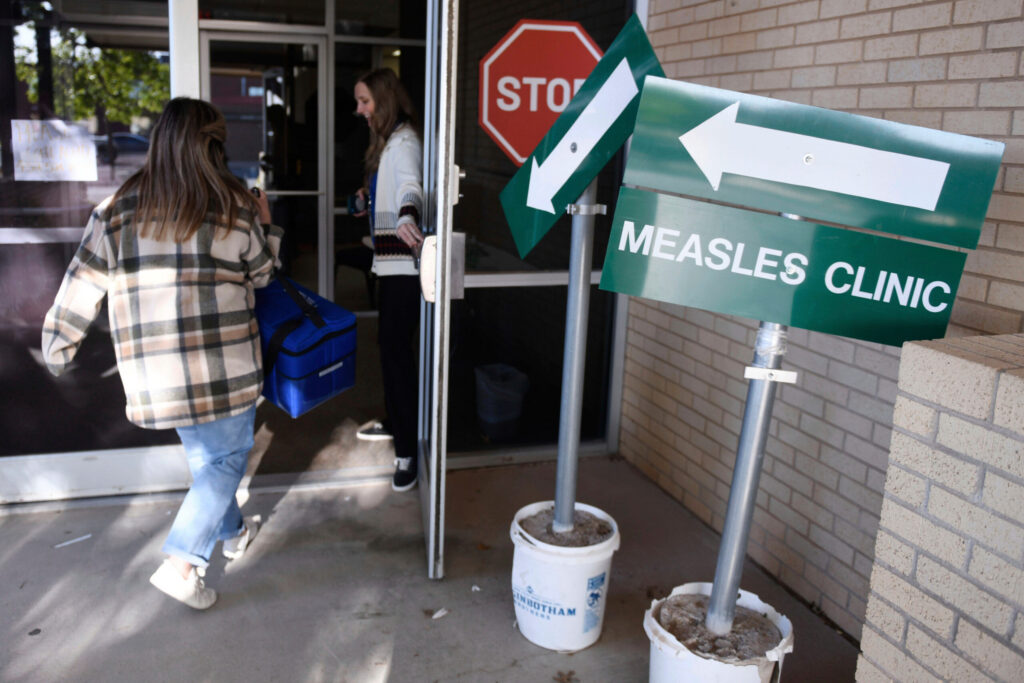
Broomfield High School keeps 26 students out after confirmed measles case
Nicole C. Brambila nico.brambila@denvergazette.com
nico.brambila@denvergazette.com
Updated 3 days ago
After state officials confirmed a measles case last week at Broomfield High School, 26 students are not allowed to attend class, the district said Monday. On Friday, school officials requested students who are not vaccinated against measles to not attend...

Jeffco teachers’ unions want guarantees on how mill levy money will be spent
Sage Kelley
sage.kelley@denvergazette.com
Updated 1 week ago
Teachers’ unions in Jefferson County won’t back the school district’s mill levy override (MLO) attempts without guarantees on how the money will be spent. During the Jeffco Public Schools’ Board of Education meeting on Feb. 12, union leaders and teachers...
Sage Kelley
Reporter
Ex-Cherry Creek superintendent must repay one month’s salary after abrupt resignation
Nicole C. Brambila nico.brambila@denvergazette.com
nico.brambila@denvergazette.com
Updated 1 week ago
Former Cherry Creek School District Superintendent Chris Smith must repay one month’s salary for failing to provide the board of education with three-month’s notice of his resignation, The Denver Gazette has learned. The board of education has not waived the...
Parent group accuses DPS of racketeering in challenge to school financing structure
Nicole C. Brambila nico.brambila@denvergazette.com
nico.brambila@denvergazette.com
Updated 1 week ago
The parent advocacy group that previously accused Denver Public Schools of financial misconduct in court documents has escalated its claims, alleging the district engaged in racketeering through its bond and lease-financing structures. Mamás de DPS filed a complaint in Denver...
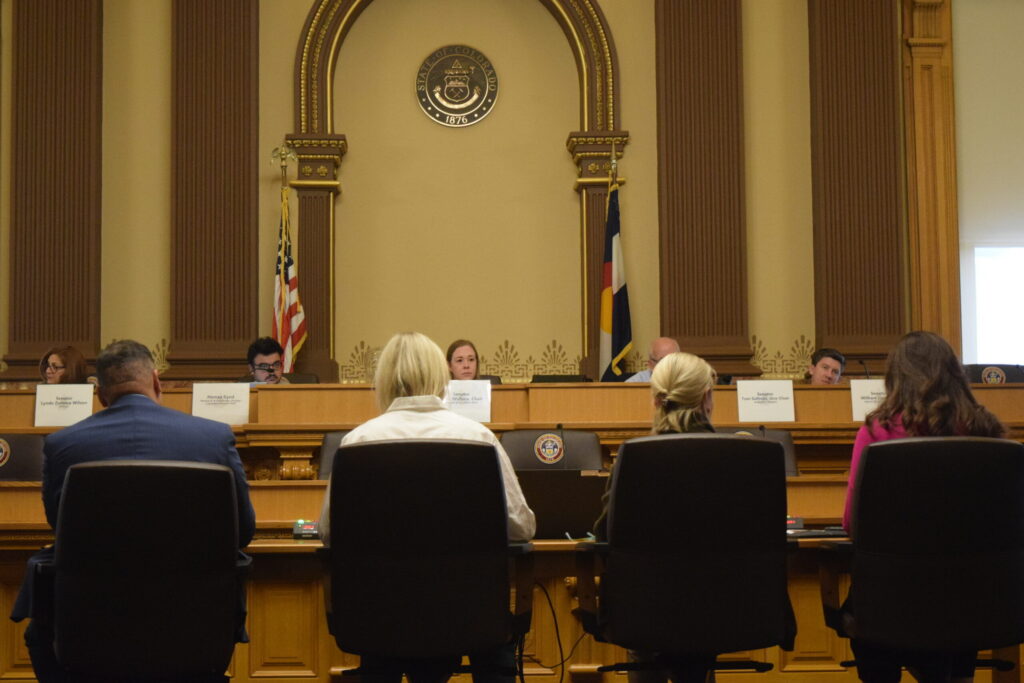
Senate committee kills bill to track education violations
Sage Kelley
sage.kelley@denvergazette.com
Updated 1 week ago
A proposed bill following in the wake of multiple Jeffco Public Schools sexual misconduct cases won’t make it to the Senate floor. The Colorado Senate State, Veterans and Military Affairs committee denied proposed Senate Bill 26-055 on Tuesday afternoon with...
Sage Kelley
Reporter
Cherry Creek school district to pay ex-superintendent $165K after resignation amid toxic workplace claims
Nicole C. Brambila nico.brambila@denvergazette.com
nico.brambila@denvergazette.com
Updated 1 week ago
The Cherry Creek School District will pay nearly $165,000 to former Superintendent Chris Smith following his resignation last month amid allegations of a toxic workplace. The board of education announced last week that the district is contractually obligated to pay...
PREV
PREVIOUS

More than 10,000 Colorado students utilized Colorado Free Application Day, a 28% increase to last year
Facebook Twitter WhatsApp SMS Email Print Copy article link Save Facebook Twitter WhatsApp SMS Email Print Copy article link Save Colorado students submitted nearly 57,000 college applications during Colorado’s third Free Application Day on Oct. 13. The total number of applications submitted was 28% higher than last year and Colorado State University received the most […]
Colorado’s mountains are starting to recover from acid rains, CU research finds
Facebook Twitter WhatsApp SMS Email Print Copy article link Save Facebook Twitter WhatsApp SMS Email Print Copy article link Save Research led by the University of Colorado Boulder found evidence of long-term ecological improvement in areas of the Rocky Mountains suffering from increased acidity. The findings, published in the Journal of Geophysical Research, suggest that […]