





CU report provides policy recommendations to reduce U.S. greenhouse gas emissions
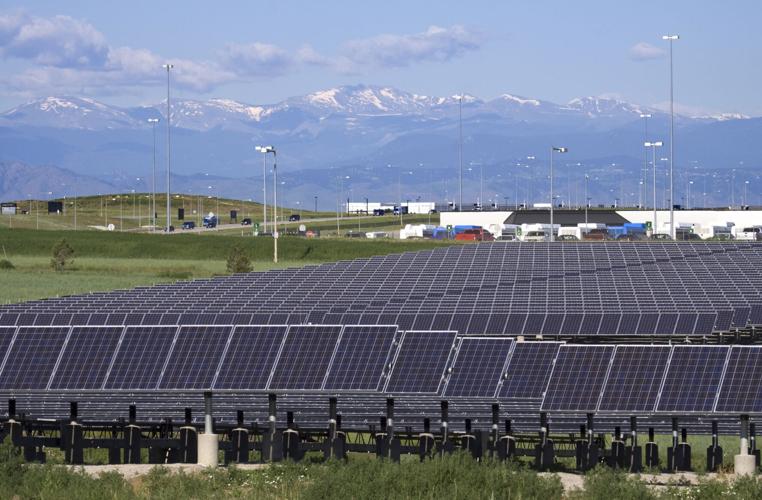
milehightraveler, iStock / Getty Images
Researchers from the University of Colorado Boulder outlined key steps the U.S. can take to reduce the country’s carbon dioxide emissions to zero in a new report released last week.
“The United States has less than 5% of the world’s population but is responsible for about 25% of historic carbon dioxide emissions,” said lead author Charles Kutscher. “(It) needs to take a leadership role in addressing climate change.”
The report, Accelerating the U.S. Clean Energy Transformation, focuses on transitioning from fossil fuels to sustainable energy sources since 75% of the U.S.’s greenhouse gas emissions are from burning fossil fuels for energy.
Co-author Jeffrey Logan said the report contains sector-by-sector policy options that provide building blocks for federal, state and local governments.
Xcel backslides in transition from coal
While the U.S. and other countries are transitioning to clean energy like solar and wind, Kutscher said these technologies must be deployed much faster to address climate change.
“Committing to this clean energy transformation yields many benefits beyond addressing climate change,” Kutscher said.
“We can eliminate the high healthcare costs associated with air pollution, create millions of good-paying jobs and address systemic social justice issues all at the same time.”
For the electricity sector, the report suggests creating clean energy targets, implementing carbon taxes, expanding federal spending on renewable power and integrating electric vehicle charging and advanced transmission interconnections.
Colorado Public Utilities Commission approves vehicle electrification plan
The report also recommends maximizing energy efficiency in buildings, using modern heat pump systems and minimizing embodied carbon emissions in construction materials.
For transportation, the report calls for transitioning government light-duty vehicles to electric by 2025, adopting a buy-back policy for internal combustion vehicles, promoting mass transit and walkable communities and issuing a moratorium of the sale and production of internal combustion vehicles by 2030.
Other recommendations include electrifying heating requirements, converting processes from fuels to electricity and hydrogen and reducing the cost of renewable hydrogen production and hydrogen storage.
When it comes to implementing these policy outlines, Kutscher said the country must begin moving quickly.
Denver forms new task force to lead clean energy plan for current, future buildings across the city
“We have already experienced severe climate change impacts, including extreme storms and flooding, extensive droughts and record wildfires,” he said.
Last week, the Colorado Air Quality Control Commission unanimously approved a proposal to reduce ozone pollution and improve air quality in the Front Range.
Air quality data from 2018 to 2020 shows that the Denver Metro and North Front Range ozone nonattainment area will likely be reclassified to severe nonattainment status in early 2022.
“We know we need to reduce emissions even more,” said John Putnam, with the Colorado Department of Public Health and Environment. “We’re committed to continuing the action we need to take to bring the Front Range into attainment.”
The full report is available online at colorado.edu.

Higher home values, abatements to push DPS tax bills up in 2025
Nico Brambila
nico-brambila@denvergazette.com
Updated 9 hours ago
Denver homeowners will pay more in school taxes next year even though Denver Public Schools (DPS) slightly lowered its overall tax rate. The increase is being driven by rising assessed home values, a full 52.142-mill levy and a dramatic increase...

Nico Brambila
Reporter
Clash of the titans: Democratic race for governor pits two candidates similar in focus, but very different in style | Vince Bzdek
Vince Bzdek
vince-bzdek@denvergazette.com
Updated 2 days ago
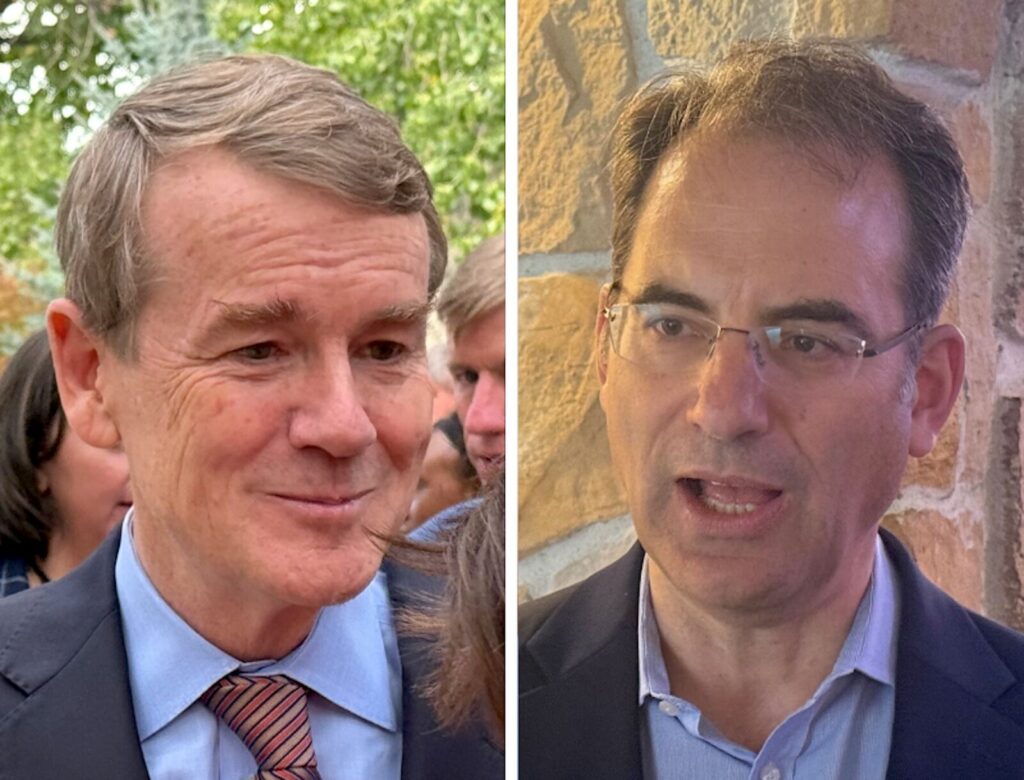
By Vince Bzdek The race for governor is shaping up to be a clash of Democratic titans, U.S. Sen. Michael Bennet and Attorney General Phil Weiser. They are two of Colorado’s highest profile politicians with deep track records who...

Vince Bzdek
Reporter
Plaintiffs win $10M settlement against CU Anschutz School of Medicine over COVID-19 vaccine exemption denials
Michael Braithwaite
michael.braithwaite@gazette.com
Updated 5 days ago
Eighteen plaintiffs will receive more than $10 million in damages after settling with the University of Colorado Anschutz School of Medicine on Monday over claims the school denied religious exemptions from the COVID-19 vaccination mandate. The $10.3 million settlement ended...

Michael Braithwaite
Reporter
New-look Douglas County school board names returning director as president
Noah Festenstein
noah-festenstein@denvergazette.com
Updated 5 days ago
After four new directors swore in earlier than expected, the new-look Douglas County school board met for the first time Tuesday night to elect a new board president and discuss issues addressed by the previous board. Douglas County voters in...

Noah Festenstein
Reporter
Denver school board elects Gaytán as president
Nico Brambila
nico-brambila@denvergazette.com
Updated 15 hours ago
After weeks of jockeying for votes, the Denver Public Schools Board of Education chose a new slate of officers during a specially called meeting Tuesday, selecting Director Xóchitl Gaytán as board president — a role that carries significant control over...
Nico Brambila
Reporter
Colorado Higher Education Director Angie Paccione to step down
Marianne Goodland
marianne-goodland@denvergazette.com
Updated 1 day ago
Angie Paccione, who has led the Colorado Department of Higher Education since 2019, is returning to the private sector, Gov. Jared Polis said. Paccione’s last day is Jan. 9. The governor’s office said Gov. Jared Polis would decide on the...

Marianne Goodland
Reporter

Survey reveals widespread dissatisfaction with Colorado’s public education system
Marissa Ventrelli
marissa-ventrelli@denvergazette.com
Updated 5 days ago
Most Colorado voters are dissatisfied with the state’s public education system and many lament that it’s headed in the wrong direction, citing – among other worries – “woke” ideology permeating schools, according to a recent poll. Meanwhile, the minority of...

Marissa Ventrelli
Reporter
Gaytán builds support for Denver school board presidency bid
Nico Brambila
nico-brambila@denvergazette.com
Updated 7 days ago
Denver Public Schools Director Xóchitl Gaytán has been seeking support behind the scenes for a bid to lead the school board, according to people familiar with the conversations — a move that follows her visible role at the swearing-in last...
Nico Brambila
Reporter
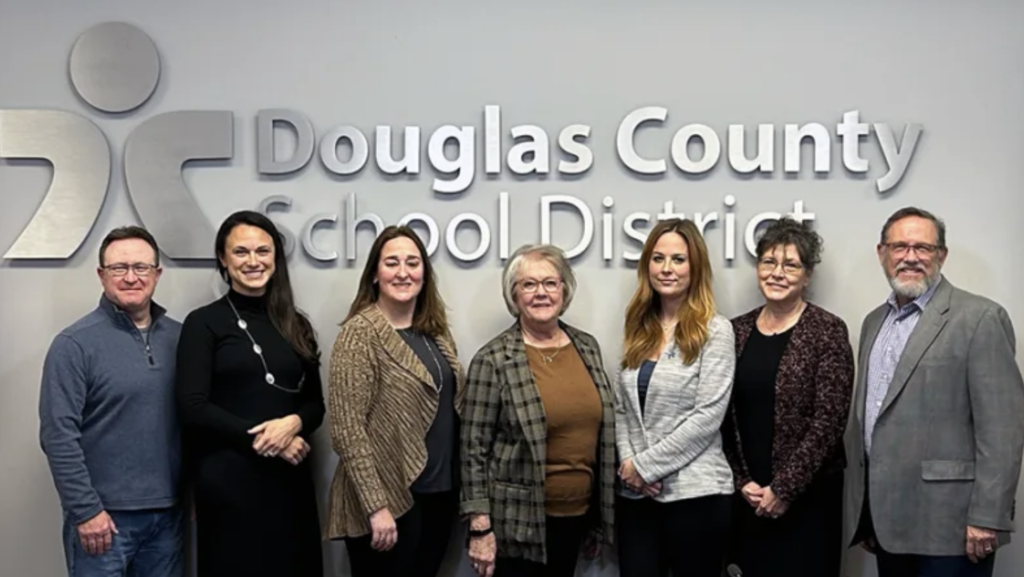
Outgoing Douglas County school board members accuse incoming directors of swearing in ‘secretly’
Noah Festenstein
noah-festenstein@denvergazette.com
Updated 6 days ago
Incoming members say previous members are trying to ‘delegitimize’ election The new members of the Douglas County school board have already assumed their seats — in “secret,” according to the outgoing president. The move by incoming directors effectively kicked out...
Noah Festenstein
Reporter
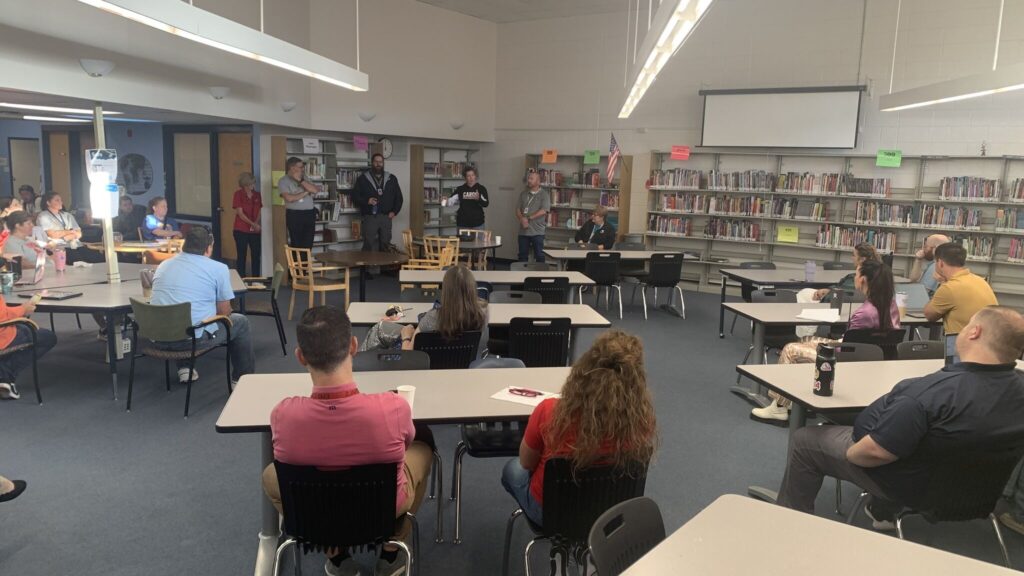
Dean alleges firing over opposition to book ban in Elizabeth School District
Deborah Grigsby
deborah.smith@denvergazette.com
Updated 6 days ago
A former Elizabeth Middle School dean of students has filed a lawsuit in federal court alleging she was terminated because of her opposition to the district’s book ban policy and her advocacy against “racism” in the school. On Nov. 30,...

Deborah Grigsby
Reporter
PREV
PREVIOUS

Colorado state officials consider public school funding amid first enrollment drop in decades
Facebook Twitter WhatsApp SMS Email Print Copy article link Save The state’s public school funding is at risk as COVID-19 has pushed Colorado students to homeschool and other alternatives, leading to the first state-wide enrollment decrease in more than 30 years. Enrollment has dropped by 3.3%, or nearly 30,000 students, compared to 2019, according to […]

County Sheriffs of Colorado scholarship opens to Boulder students
Facebook Twitter WhatsApp SMS Email Print Copy article link Save Facebook Twitter WhatsApp SMS Email Print Copy article link Save The County Sheriffs of Colorado has opened its scholarship program to Boulder County students, awarding one $500 scholarship for the fall or spring semester. The state sheriffs’ association has held the annual scholarship program since […]