







City of Denver files emergency court order to allow sweeps without notice
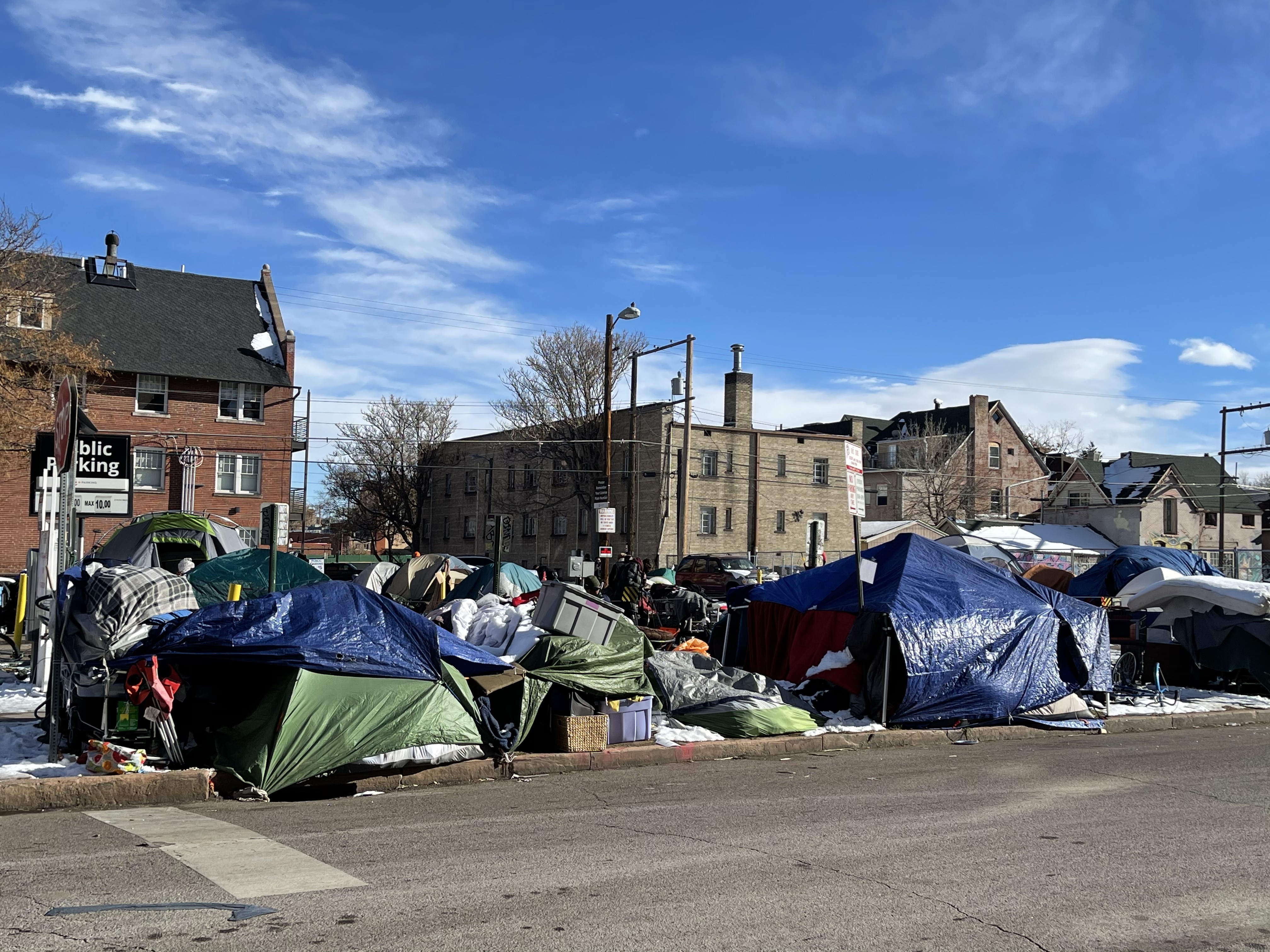
The City of Denver is seeking an emergency court order that would allow to continue to conduct sweeps of homeless camps without notice.
The city filed its appeal Tuesday, one day after Federal Judge William Martinez ordered that the city must provide at least seven days’ notice before sweeps — and at least 48 hours notice in the case of a health emergency.
His order came in response to a class action lawsuit filed by Attorney Andy McNulty.
In the motion city officials argue that these new guidelines put the healthy and safety of the all of Denver’s residents, including the homeless population, at a higher risk.
“If Denver is prohibited from making decision related to encampments when significant public health, environmental, and/or safety risks are found — especially during the COVID-19 pandemic — all Denver’s residents, including people experiencing homelessness — could be placed at grave risk of significant and irreparable harm,” the motion read.
“The district court’s Order prevents Denver’s departments from quickly addressing significant and imminent public health, environmental, and safety conditions found in encampments. And the decision also removes DDPHE’s ability to quickly act to stop the spread of disease and the continuous deterioration of public health, environmental, and safety conditions.”
Although the city was previously required to give notice before a sweep, Martinez said the city had chosen to not give such notices on multiple occasions last year to avoid potential residents who would protest such sweeps.
Martinez ruled that, by failing inform the public prior to the sweep, the city had threatened “First-Amendment-protected activity.”
“That lack of notice violated the constitutional rights of an entire population of our city,” McNulty said. “That violation was, again, premised on Mayor Hancock and his officials not wanting folks to show up to protest and bear witness to the cruelty of the sweeps.”
Martinez ruled that in emergency situations where sweeps address potential public health or safety risks, a 48-hour notice must be given and signed off by the Colorado Department of Public Health and Environment (CDPHE).
In addition to providing prior notice of the sweeps, Denver must inform McNulty and the district’s City Council representative of the sweeps and explain their reasoning for the sweep.
City of Denver files emergency court order to allow sweeps without notice

The City of Denver is seeking an emergency court order that would allow to continue to conduct sweeps of homeless camps without notice.
The city filed its appeal Tuesday, one day after Federal Judge William Martinez ordered that the city must provide at least seven days’ notice before sweeps — and at least 48 hours notice in the case of a health emergency.
His order came in response to a class action lawsuit filed by Attorney Andy McNulty.
Judge rules Denver must provide 7-day notice before homeless sweeps; city to appeal
In the motion city officials argue that these new guidelines put the healthy and safety of the all of Denver’s residents, including the homeless population, at a higher risk.
“If Denver is prohibited from making decision related to encampments when significant public health, environmental, and/or safety risks are found — especially during the COVID-19 pandemic — all Denver’s residents, including people experiencing homelessness — could be placed at grave risk of significant and irreparable harm,” the motion read.
“The district court’s Order prevents Denver’s departments from quickly addressing significant and imminent public health, environmental, and safety conditions found in encampments. And the decision also removes DDPHE’s ability to quickly act to stop the spread of disease and the continuous deterioration of public health, environmental, and safety conditions.”
Although the city was previously required to give notice before a sweep, Martinez said the city had chosen to not give such notices on multiple occasions last year to avoid potential residents who would protest such sweeps.
Martinez ruled that, by failing inform the public prior to the sweep, the city had threatened “First-Amendment-protected activity.”
“That lack of notice violated the constitutional rights of an entire population of our city,” McNulty said. “That violation was, again, premised on Mayor Hancock and his officials not wanting folks to show up to protest and bear witness to the cruelty of the sweeps.”
Martinez ruled that in emergency situations where sweeps address potential public health or safety risks, a 48-hour notice must be given and signed off by the Colorado Department of Public Health and Environment (CDPHE).
In addition to providing prior notice of the sweeps, Denver must inform McNulty and the district’s City Council representative of the sweeps and explain their reasoning for the sweep.