







Lincoln Hills the beautiful: The Colorado mountain retreat built by and for Black lives

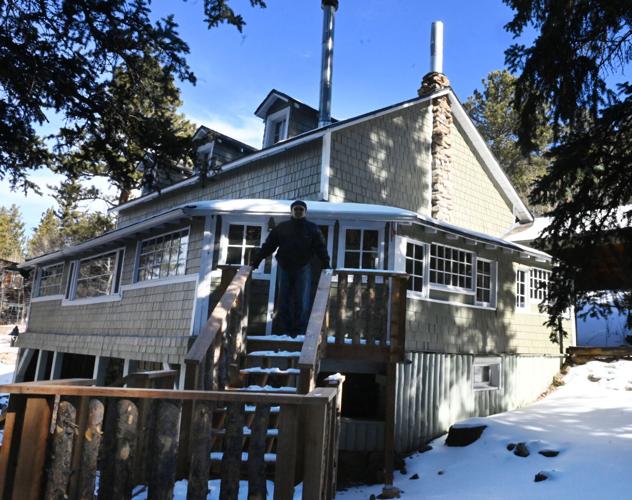
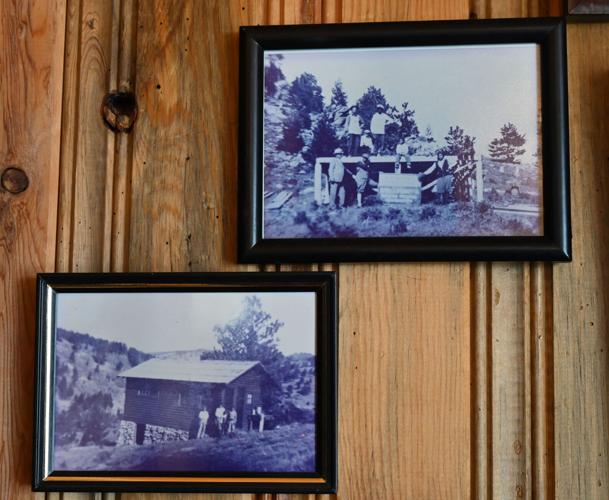
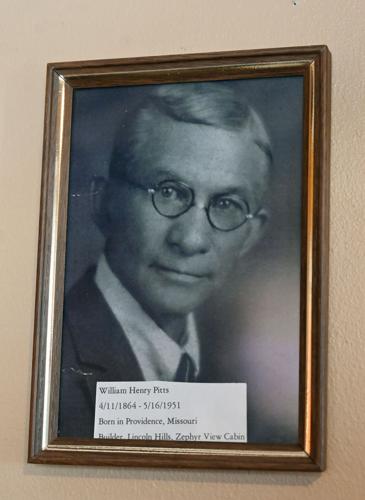
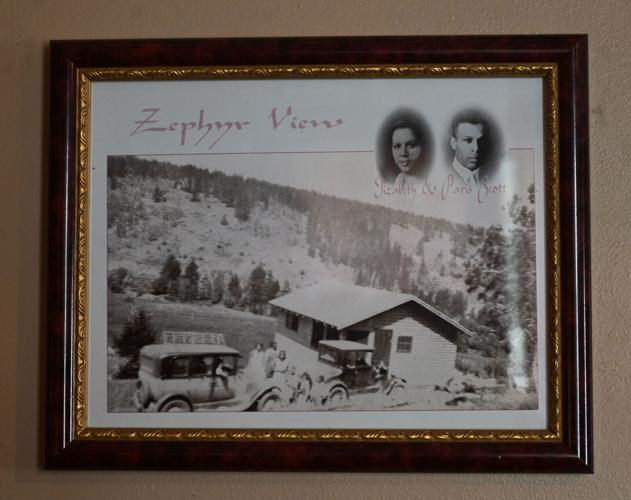
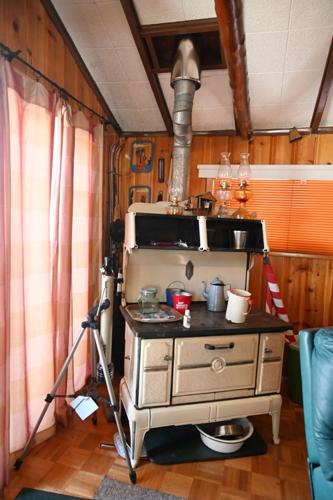
Retired Judge Gary Jackson always puts out his flag when visiting the family cabin that his great-grandfather built in Lincoln Hills. The cabin that is named Zephyr View was one of the cabins built by William Pitts in 1928 as a place of respite for African Americans.
JERILEE BENNETT, the gazette


When he retired from his Denver bench at the end of last year, there was no doubt in Judge Gary Jackson’s mind as to where he would go next.
He would go to Lincoln Hills. To the cabin in the Gilpin County mountains about 40 miles from the city but seemingly much farther away.
His family has frequented it for 95 years now. In times good and bad, here they’ve always been greeted by birdsong and the running stream and the cool, pine-scented air. The mighty Indian Peaks scrape the sky beyond.
“I retired on December 30th. Symbolically, I went to the cabin on December 31st,” Jackson says.
He went as a child through the 1950s. Went in the following decades as he embarked on a barrier-breaking career in the law, attaining titles few to no Black men held in Colorado at the time. For all of the stress throughout, Jackson could always find relief at Lincoln Hills, just like his parents and grandparents before him.
Lincoln Hills “was a safe haven,” Jackson says. “And it’s still for me a place of peace and calm and beauty.”
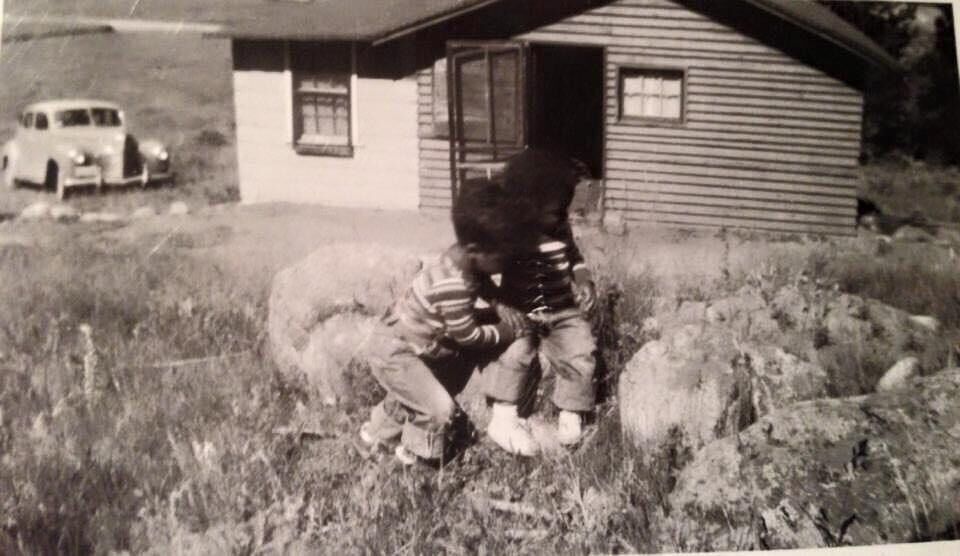
Gary Jackson and his brother, Larry, at the family cabin at Lincoln Hills , the Colorado mountain resort created in the 1920s by and for Black people .
courtesy of Judge Gary Jackson


Gary Jackson and his brother, Larry, at the family cabin at Lincoln Hills, the Colorado mountain resort created in the 1920s by and for Black people.
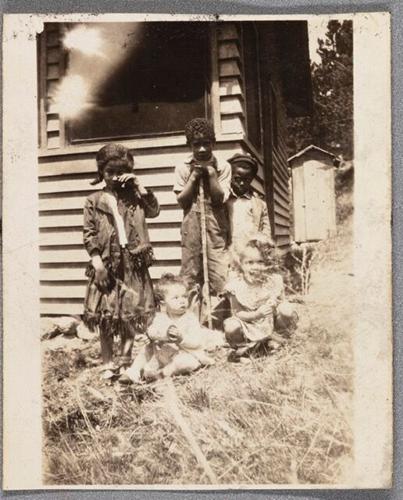
His great-grandfather was William Pitts, one of the visionaries behind this retreat unlike anything the West has ever known. On this side of the Mississippi, Lincoln Hills became known as the only place of leisure built by and for Black lives in the days of segregation, a place where they could escape from hate.
“A place of respite, a place of comfort,” says Terri Gentry, the Denver native whose family cabin is next door to the Jacksons’. Both were built by Pitts in the 1920s, among the first and still-remaining cabins here.
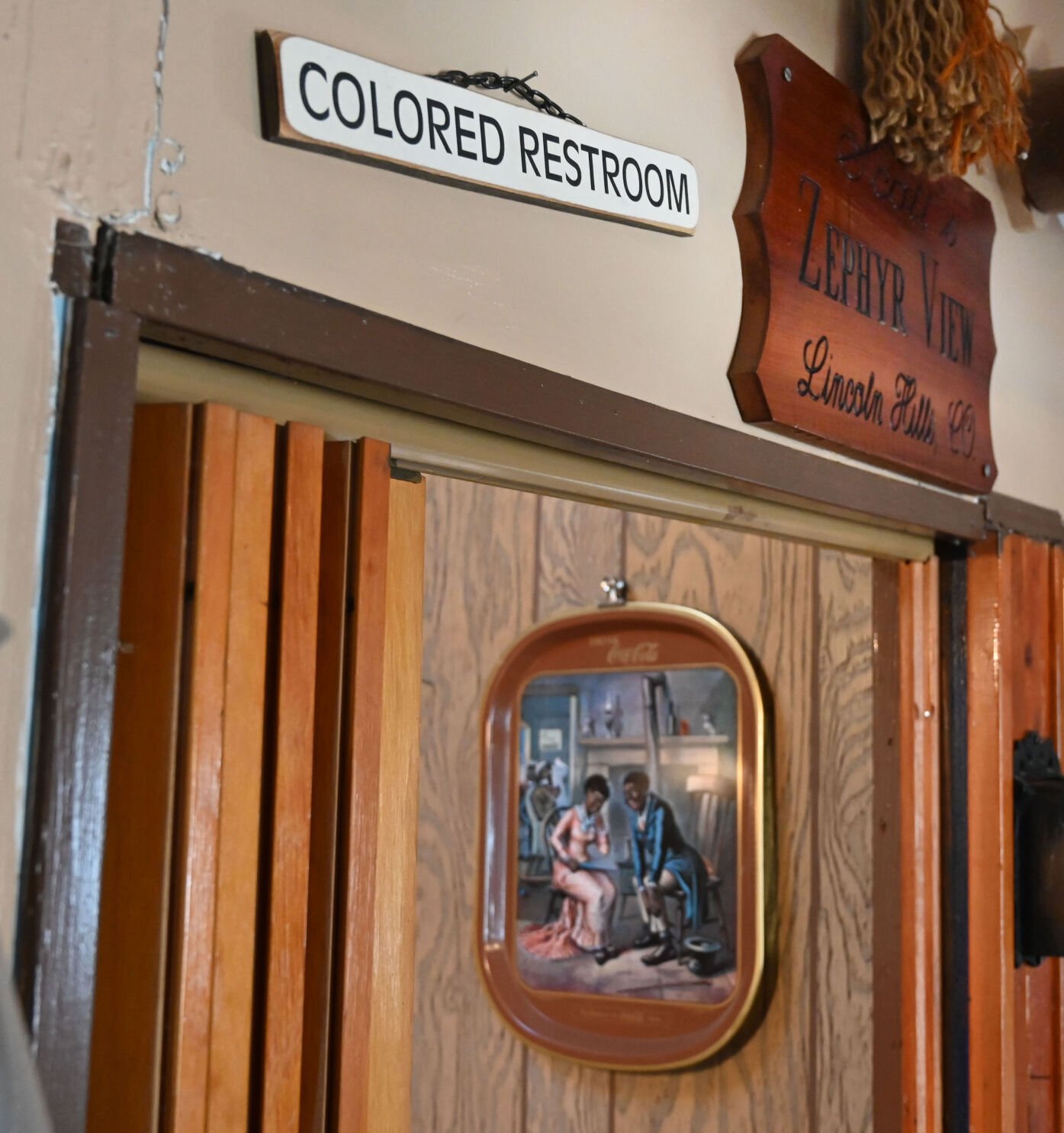
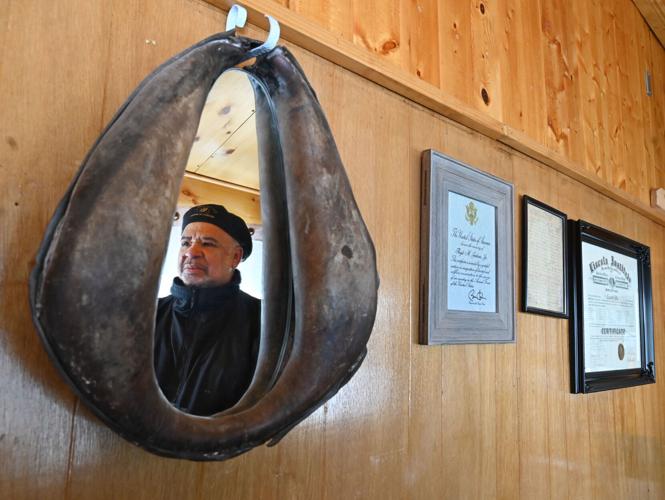
JERILEE BENNETT Gary Jackson’s great-grandfather, William Pitts, brought this “Colored Restroom” sign from Missouri. The historical sign now hangs above the bathroom at the Zephyr View cabin in Lincoln Hills. (Photo by Jerilee Bennett, The Gazette)
JERILEE BENNETT


JERILEE BENNETT Gary Jackson’s great-grandfather, William Pitts, brought this “Colored Restroom” sign from Missouri. The historical sign now hangs above the bathroom at the Zephyr View cabin in Lincoln Hills. (Photo by Jerilee Bennett, The Gazette)
“Lincoln Hills,” Gentry continues, “was a place for us to celebrate our love and our aspirations and our talent and our skills and our ideology. A place for us to not have to prove anything. To just be. A place to just exist.”
Lincoln Hills was a dream for Pitts, who came to Colorado in 1919. He was the son of a slave from Missouri. He was a builder set on building a new life for his family in the West.
Pitts started by raising homes near what was then a city dump and is now the Cherry Creek Shopping Center. Then he turned his gaze to Lincoln Hills, established in 1922 by a pair of Black developers. They had a country club in mind for Denver’s emerging Black middle class.
“LINCOLN HILLS: THE BEAUTIFUL,” read an advertisement.
A flyer painted the picture: “Nestled within the grandeur of the everlasting hills, bathed in perpetual sunshine and fragrant with the odors of wildflowers and the health-giving pine forests, we are building a place that will attract thousands of people and at the same time show our genius and constructive ability.”
The scenery was good, as was the fishing, remarked influential pastor G.L. Prince. “(B)ut to point with pride to beautiful Lincoln Hills as the product of our own creative genius is still more inspiring.”
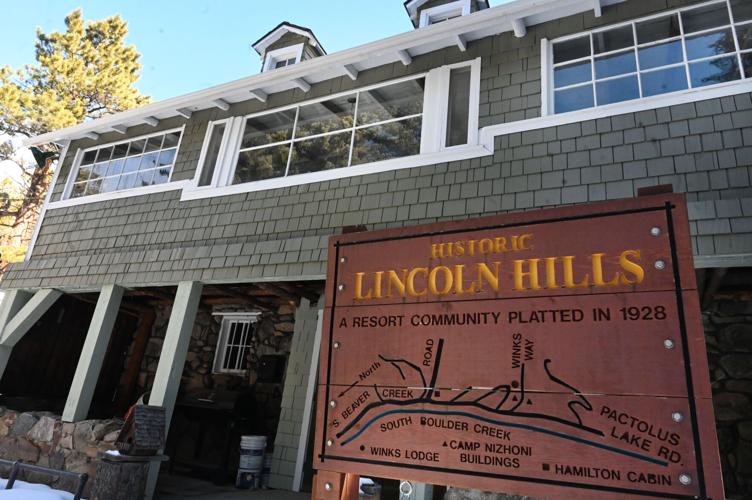
Lincoln Hills was a symbol of protest, suggest authors of the detailed record adding the property’s most prominent structure to the National Register of Historic Places. “Winks Lodge,” the paper reads, “was part of a larger center of African-American independence, self-reliance, and resistance to oppression.”
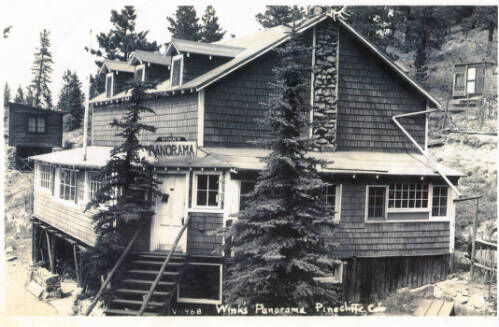
Winks Lodge, finished in 1928, was a gathering place for the resort community of Lincoln Hills.
courtesy of Denver Public Library Special Collections


Winks Lodge, finished in 1928, was a gathering place for the resort community of Lincoln Hills.
The 1928 construction of the lodge, also known as Winks Panorama, coincided with America’s automobile boom. This period came with such guides as the Negro Motorist Green Book, directing travelers of color to safe establishments on the road. It was unwise to be driving at night, especially where the Ku Klux Klan lurked in high ranks, including in Colorado.
But still people came from afar to Lincoln Hills, from all regions of the nation. Lots were marketed for $50. Camping was free “for yourself and your friends,” read an ad, “and if you feel inclined to pay for this privilege, we suggest that you give it to your church or YWCA or YMCA.”
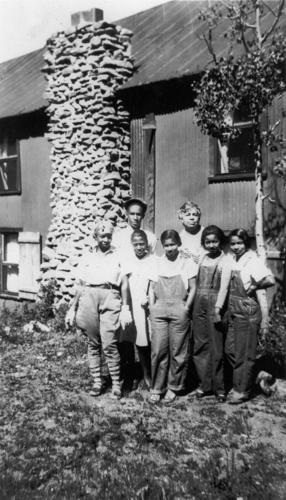
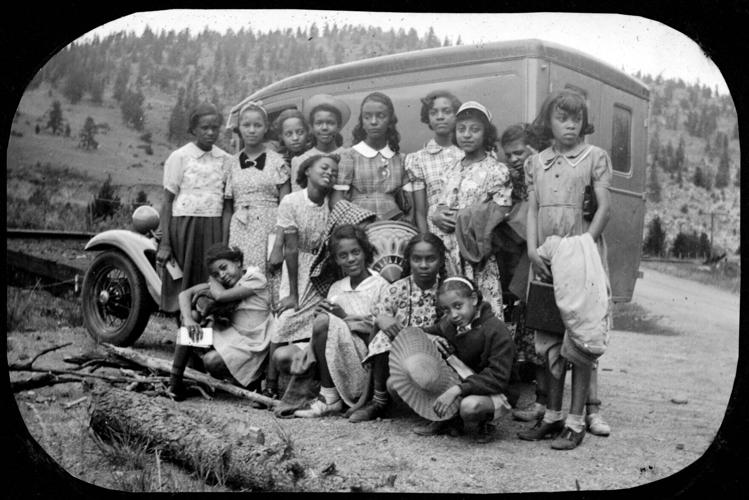
Where Black girls could not join their white peers in Young Women’s Christian Association camps, they had Lincoln Hills. They had Camp Nizhoni, the Navajo word for “beautiful.”
Many would arrive by cramped, segregated train cars. “When it was time to go back, my little sister would hide,” the late Jennie Rucker recalled in a Rocky Mountain PBS documentary. “She’d hide until the train left.”
Campers would hike, sing, cook, practice art and learn botany and astronomy, according to a dissertation chronicling the “Harlem Renaissance in the Rockies.” A former camp counselor, the late Marie Anderson Greenwood, is quoted: “It made us comrades.”
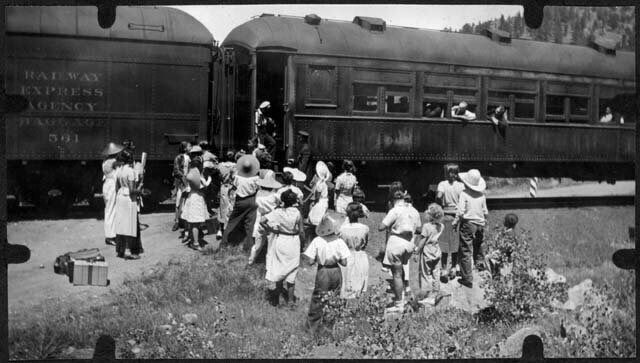
Camp Nizhoni at Lincoln Hills was for young Black women who could not join their white counterparts at Young Women’s Christian Association camps. Many arrived by train every summer after Lincoln Hills was established in the 1920s.
courtesy of Judge Gary Jackson


Camp Nizhoni at Lincoln Hills was for young Black women who could not join their white counterparts at Young Women’s Christian Association camps. Many arrived by train every summer after Lincoln Hills was established in the 1920s.
That account wasn’t the first or last to tie Lincoln Hills with the renaissance on the East Coast. Winks Lodge was said to have hosted some of the great luminaries of the day, artists who stopped at clubs of Denver’s Five Points neighborhood. They reportedly skipped the hassle of racist city accommodations in favor of the lodge: Duke Ellington, Count Basie, Langston Hughes and Zora Neale Hurston.
Reading and dancing was as famous as the food and drink at Winks Lodge, finished in 1928 by Obrey “Winks” Hamlet.
“My own cottage,” he wrote in a letter of thanks to the original developers, “built by my own hands, painted orange and trimmed in brown, nestled amid the evergreen trees, away from the smoke, noise and confusion of the city and where the air and water are always pure, fulfills my every desire for rest and recreation.”
His lodge and all other dreams at Lincoln Hills were realized amid a threatening backdrop. An infamous 1926 picture serves as a stark reminder: hundreds of white-hooded figures marching down Larimer Street.
In 1924, The Denver Post declared the Ku Klux Klan the “largest and most efficiently organized political force in the state of Colorado today.”
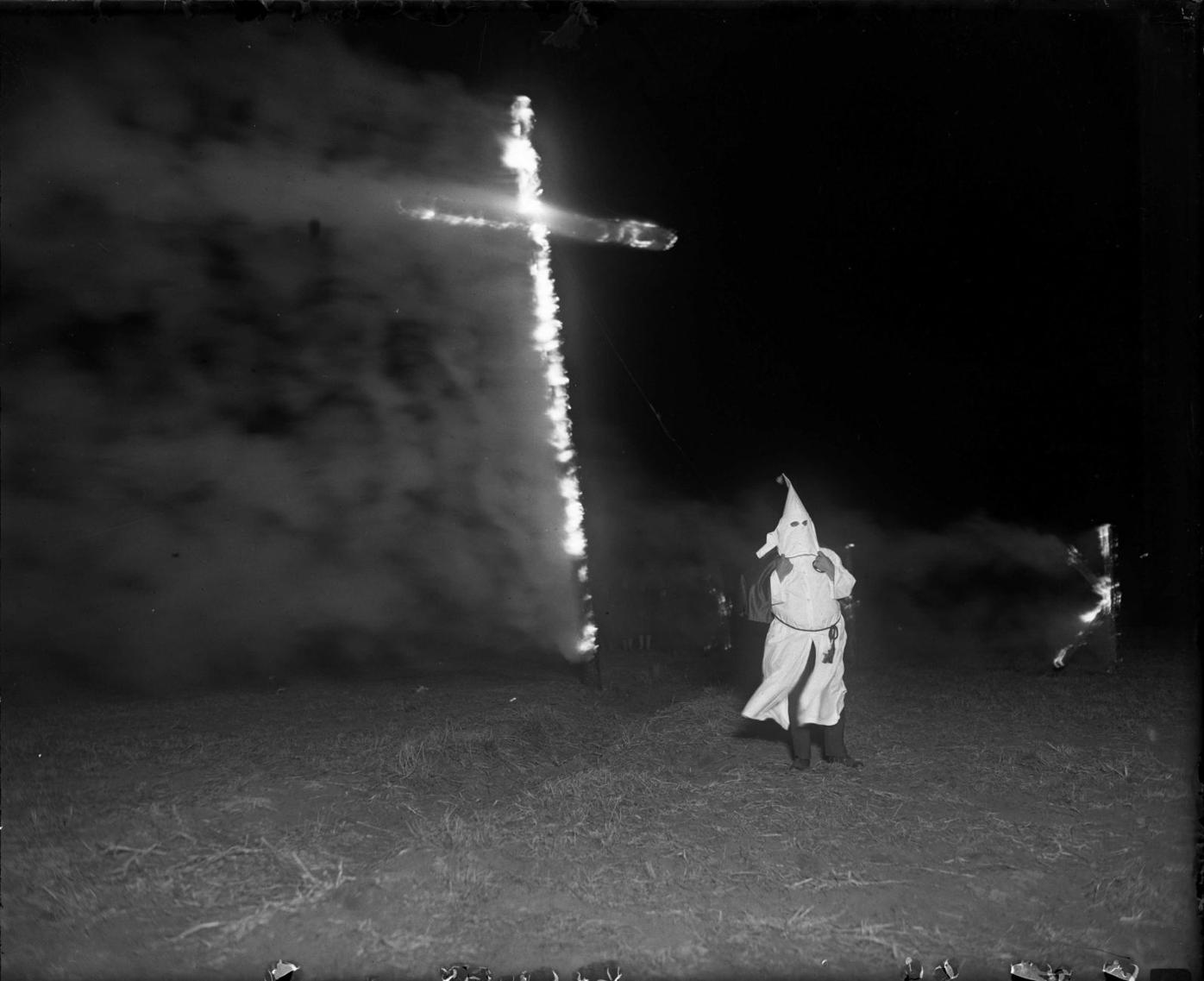
Ku Klux Klan cross burning in Denver Ruby Hill Park in the 1920s. Denver Public Library; Western History Photographic Collection; photo by Harry M. Rhoads. Ku Klux Klan cross burning in Denver Ruby Hill Park in the 1920s. Photo courtesy Denver Public Library’s Western History Photographic Collection; photos by Harry M. Rhoads
Ku Klux Klan cross burning in Denver Ruby Hill Park in the 1920s. Denver Public Library; Western History Photographic Collection; photo by Harry M. Rhoads.


Ku Klux Klan cross burning in Denver Ruby Hill Park in the 1920s. Denver Public Library; Western History Photographic Collection; photo by Harry M. Rhoads. Ku Klux Klan cross burning in Denver Ruby Hill Park in the 1920s. Photo courtesy Denver Public Library’s Western History Photographic Collection; photos by Harry M. Rhoads
A member of the terrorists, Clarence Morley, was elected governor in 1925. Denver’s mayor at the time, Benjamin Stapleton, was also a klansman. As was the state’s U.S. senator then, Rice Means. Colorado’s House of Representatives in the 1920s was considered a Klan majority.
“The Colorado Klan used political power to create a hostile environment for African Americans, immigrants, Jews, Hispanos and other minorities,” explains a History Colorado exhibit, which puts Klan membership around 17,000 in Denver alone.
Policies made upward mobility difficult to impossible, aimed at keeping Black workers confined to certain neighborhoods and low-wage jobs. And where some professionals rose, they were met with intimidation.
In 1925, for example, a cross burned on the lawn of an outspoken dentist, Clarence Holmes. This was a familiar scene for any Black family daring to cross supposed lines. Also in 1925, congregants suspected the KKK of setting aflame the African Methodist Episcopal church at 23rd and Cleveland streets. In 1932, there were reports of a “violent white mob attack” on activists at the white-only swimming lake at Washington Park.
Lincoln Hills thrived throughout — “against the odds,” Jackson says.
He has fond memories from his childhood. Fishing, swimming, shooting his BB gun and later, as one on a short list of Black lawyers in Colorado in the 1970s, hosting fellow attorneys of color at the cabin.
By then, Lincoln Hills was what it had always been: peaceful and empowering. And yet it was forever changed.

One of the original cabins of Lincoln Hills was a favorite place of respite for movie star Lena Horne. Gary Jackson walks down the road near Winks Lodge this month.
photos by JERILEE BENNETT, the denver gazette


One of the original cabins of Lincoln Hills was a favorite place of respite for movie star Lena Horne. Gary Jackson walks down the road near Winks Lodge this month.
“Winks” Hamlet had died in 1965, his lodge gone quiet. With the passage of the Civil Rights Act the year before, “many African-Americans chose to take their rightful place alongside their fellow Americans in newly desegregated public accommodations,” reads the lodge’s historical record, “rather than to continue visiting oases of the past.”
But the appeal of Lincoln Hills lasted for Gentry.
Integrating junior high in Denver was “absolutely horrific,” she says, the hate permeating classrooms and hallways. At Lincoln Hills, she’d feel the trauma fade as she’d hike alongside her sisters and cousins on a rough mountainside.
“We’d love to get up there,” Gentry says. “To feel like you’re conquering the mountain.”
She considers other conquerers. Her grandmother, the dance teacher in Denver. And her grandfather, the porter on trains.
“He was also a World War II veteran,” Gentry says. “He told me he went to Okinawa on a segregated ship and came back on an integrated ship. And the stuff he had to deal with …
“And the crap he had to deal with on a day-to-day basis just trying to do his job … And my grandmother, the crap she had to deal with on a day-to-day basis, the people she had to deal with. …”
Gentry pauses, fighting tears. “And so this place took them away from all of that.”
As it does for her today. She can’t help but feel a certain presence up there.
“I always wonder if there’s a lot of spiritual entities around. I’m a believer in that, you know,” she says. “I think there’s a lot of spiritual entities around protecting us. You just feel safe.”