







EDITORIAL: Paper or plastic? Environmental impact not as clear as politicians assert
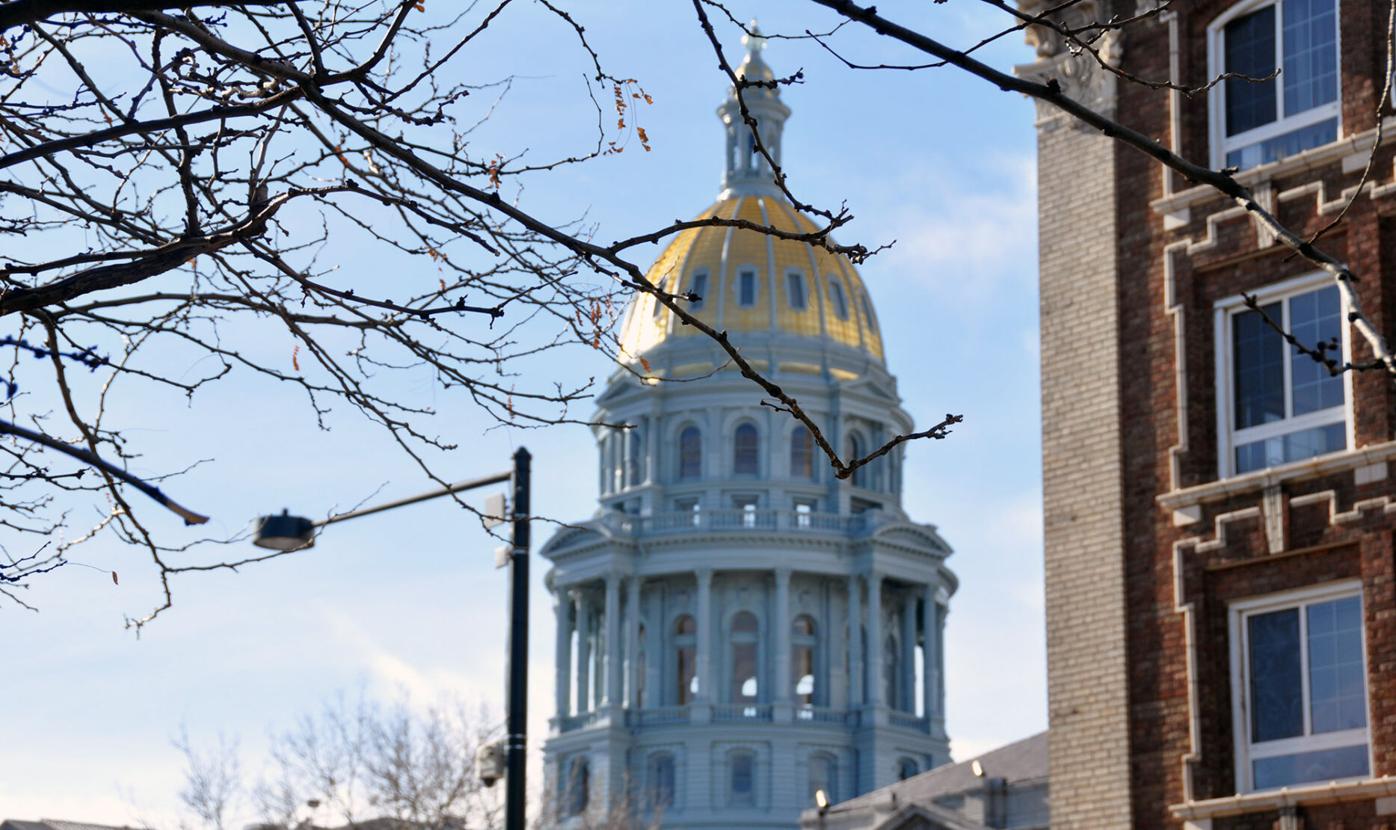
(Ernest Luning/Colorado Politics)
Restaurants and other businesses are scrambling to survive. We’re recovering from a record-breaking forest fire season and looking at more of the same. Suicide rates continue rising. Children are behind in school. We have a mental health crisis and a worsening transportation infrastructure problem. We’re mourning the deaths of more than 6,000 Coloradans taken by COVID-19 and an additional 10 murdered this week by a lunatic in Boulder.
We are, as a state and a country, a long way from normal. This is no time for politicians to fret over which bags we take home from restaurants and stores. Easy, efficient, affordable takeout has become the last hope for many Colorado businesses. The state should ease take-home sales, not burden them with regulations and fees.
In these trying times, tone-deaf legislators plan to waste time on a 13-page bill that would forbid retailers from sending customers away with merchandise in one or more plastic bags. It would outlaw to-go food containers made from “expanded polystyrene foam,” aka “foam No. 6.”
The bill would negate a law enacted last year that prohibits local governments from prohibiting plastic bags and foam containers. The state protected disposable bags and containers to enhance public health and safety. They did so because reusable bags, common alternatives to disposable bags and containers, are notorious incubators and distributors of viruses and bacteria.
With COVID spreading like wildfire in 2020, lawmakers wisely considered imminent health concerns more pressing than the important-though-long-term challenge of keeping plastics out of waterways and trees.
HB-1162 would prohibit stores and restaurants from providing single-use plastic bags on Sept. 1, 2022. Businesses that buy plastic containers before that date could distribute them until March 31, 2023, but only if they charge customers 10 cents for each container or bag. The law would not apply to merchants selling to customers receiving federal or state food assistance.
The rationale for this proposed law is, of course, the environment.
“The General Assembly finds, determines, and declares that limiting the use of single-use plastic carryout bags and expanded polystyrene products will mitigate the harmful effects on our state’s natural resources and our environment that result from disposing of these products in our landfills,” the bill states.
Simply because a clique of politicians “finds, determines, and declares” this law would help the environment does not make it so. The “paper or plastic” debate has drawn out for decades because no one knows, for certain, whether paper or plastic bags and containers are the better choice.
“Manufacturing a paper bag takes about four times as much energy as it takes to produce a plastic bag, plus the chemicals and fertilizers used in producing paper bags create additional harm to the environment,” explains National Geographic in a deep-dive examination into paper and plastic. “Studies have shown that, for a paper bag to neutralize its environmental impact compared to plastic, it would have to be used anywhere from three to 43 times.”
Reusable bags and containers are fraught with environmental concerns.
“To have a comparable environmental footprint (which encompasses climate change as well as other environmental effects) to plastic bags, a cotton bag potentially has to be used thousands of times,” the National Geographic researchers conclude.
Then there is the good old-fashioned, anti-woke plastic container.
“A major advantage of plastic bags is that, when compared to other types of shopping bags, producing them carries the lowest environmental toll,” National Geographic found.
“The thin, plastic grocery store bags are most commonly made from high-density polyethylene (HDPE). Although production of these bags does use resources like petroleum, it results in less carbon emissions, waste, and harmful byproducts than cotton or paper bag production.”
One does not transform cotton, tree pulp, or other products into containers without using chemicals and energy that create toxic emissions. National Geographic’s report mentions past studies that show consumers frequently reuse thin plastic grocery bags to line wastebaskets and clean up pet waste — an activity that reduces consumption and waste.
The jury will remain out for the foreseeable future regarding which containers most favor the environment. Given that we don’t have an option that reduces harm by 5%, 10%, or more — for certain — the government should not concern itself with the paper or plastic debate.
Conventional options for carrying food from a restaurant or store have environmental consequences. That makes container decisions perfect for merchants and consumers to work out among themselves.
Get serious and kill this bill in committee. Focus on people who need jobs and income. Help them obtain an adequate and reliable source of food before we demand how they carry it home to their families.
The Gazette Editorial Board