By
Leslie JamesApril 9, 2021 | updated 5 years ago
1. Black SwallowtailThe Black Swallowtail is predominately black with hints of yellow. Males have a yellow band on the edge of the wings and females have a row of yellow spots and iridescent blue markings. Both genders of the Black Swallowtail feature a bull’s eye marking of a black spot within a larger orange spot on the inner hind wings. These butterflies can be found more commonly in eastern Colorado. West of the Continental Divide, the Black Swallowtail is found in extreme southwestern parts of the state.Photo Credit: marcophotos (iStock).
As springtime days warm up and the snow starts to melt, Colorado blossoms with colors from turquoise waters and wildflowers. On top of the colorful wildflower bloom, the wings of 45 species of butterflies fill the air in mountains, meadows, and prairies around the state. Here are 15 butterflies you’ll likely find on a Colorado adventure.
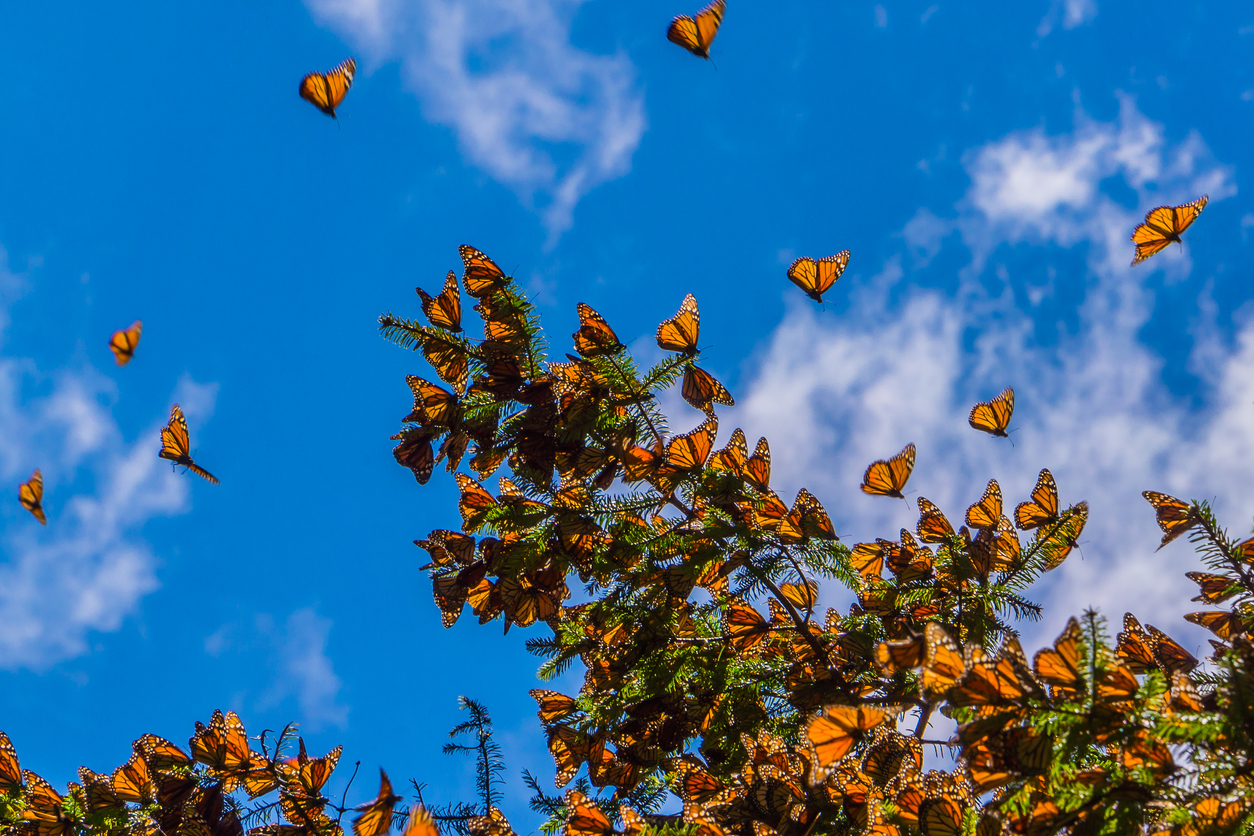
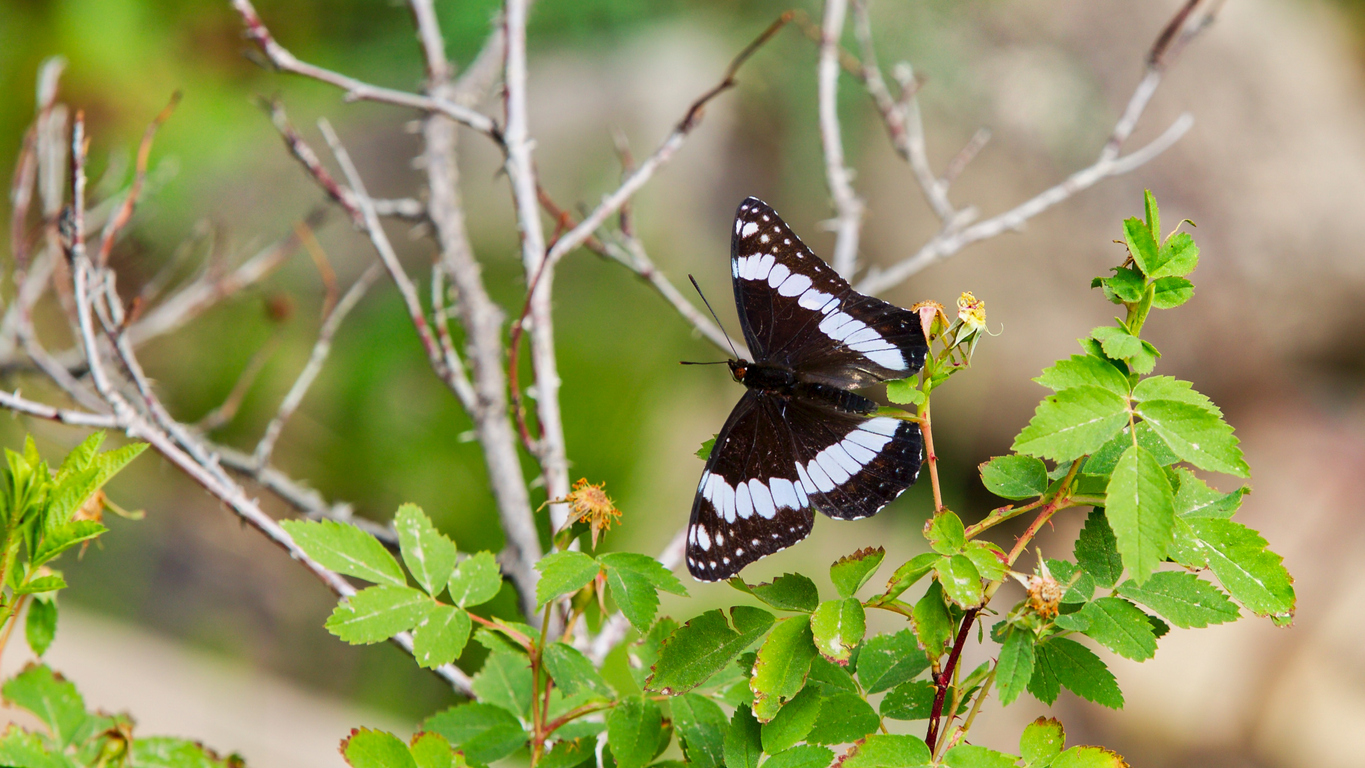
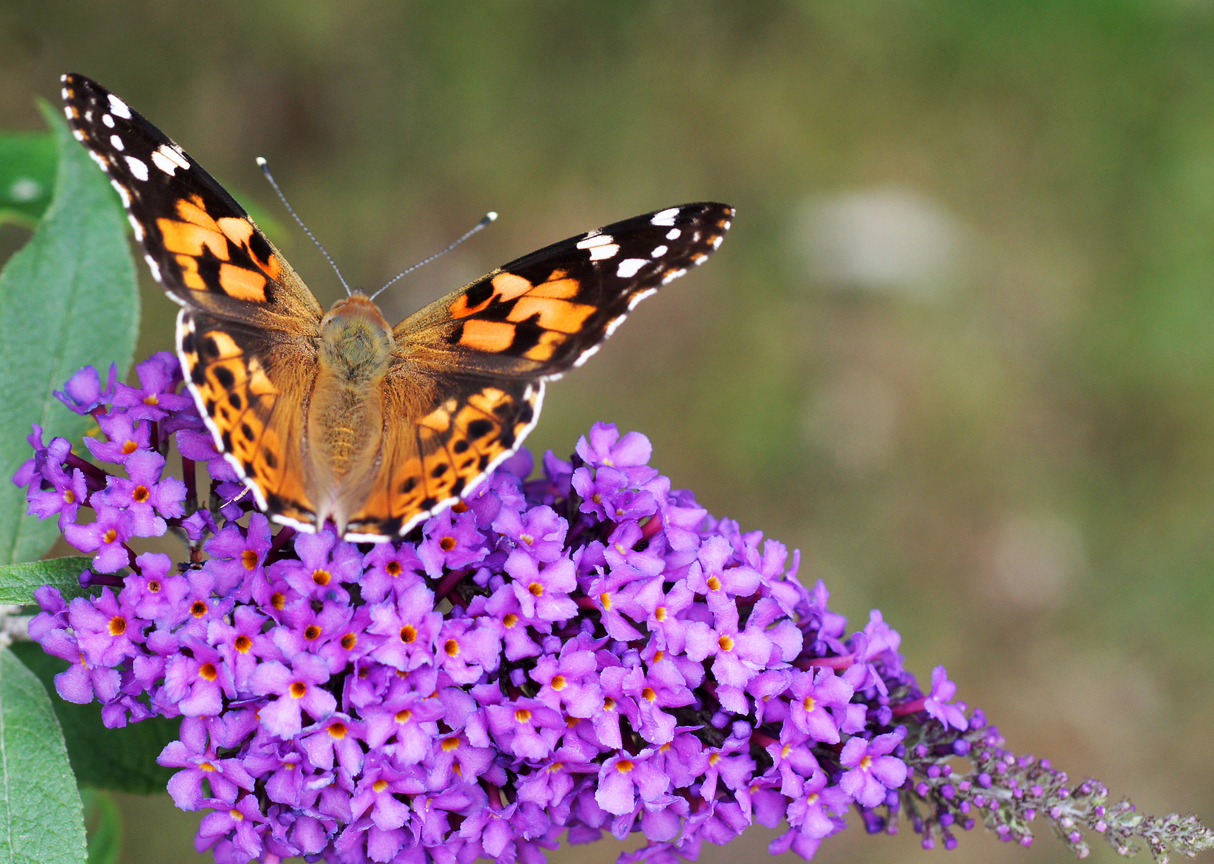
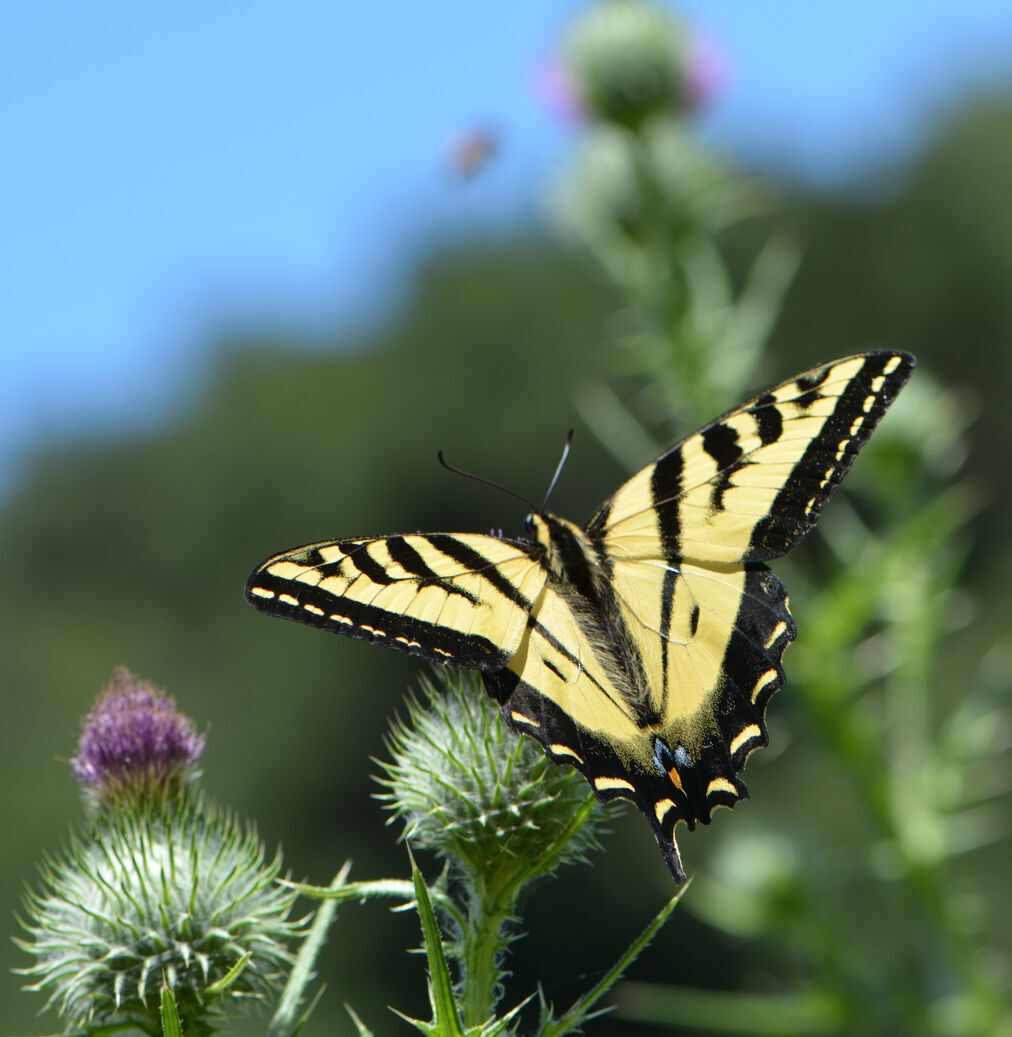
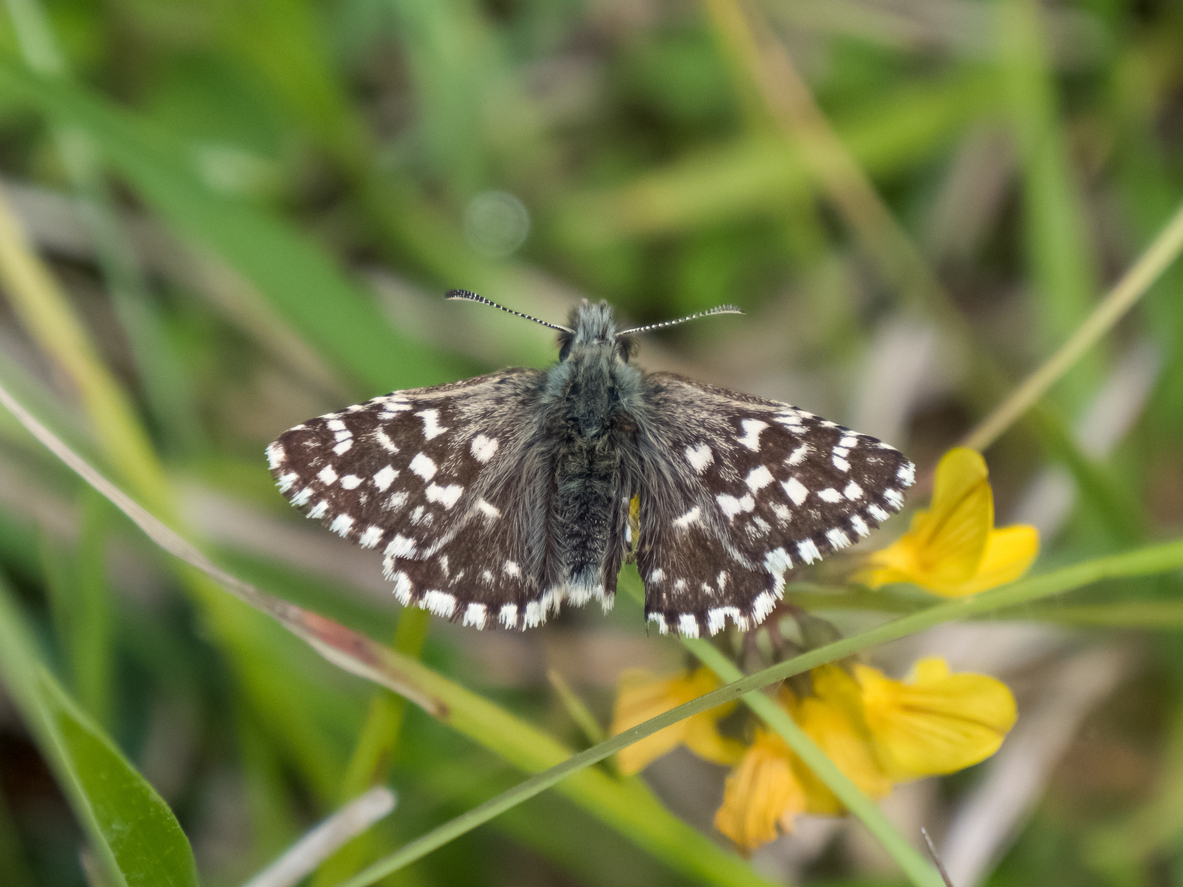
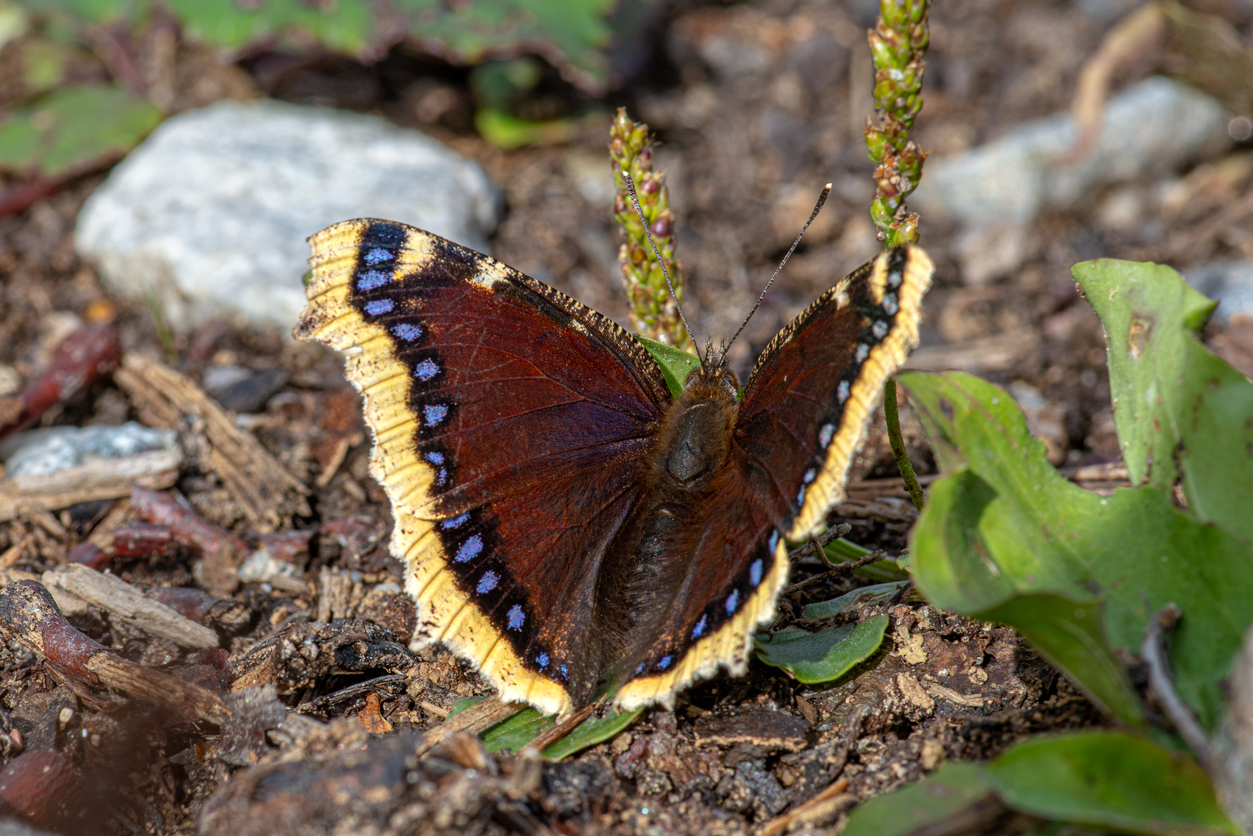
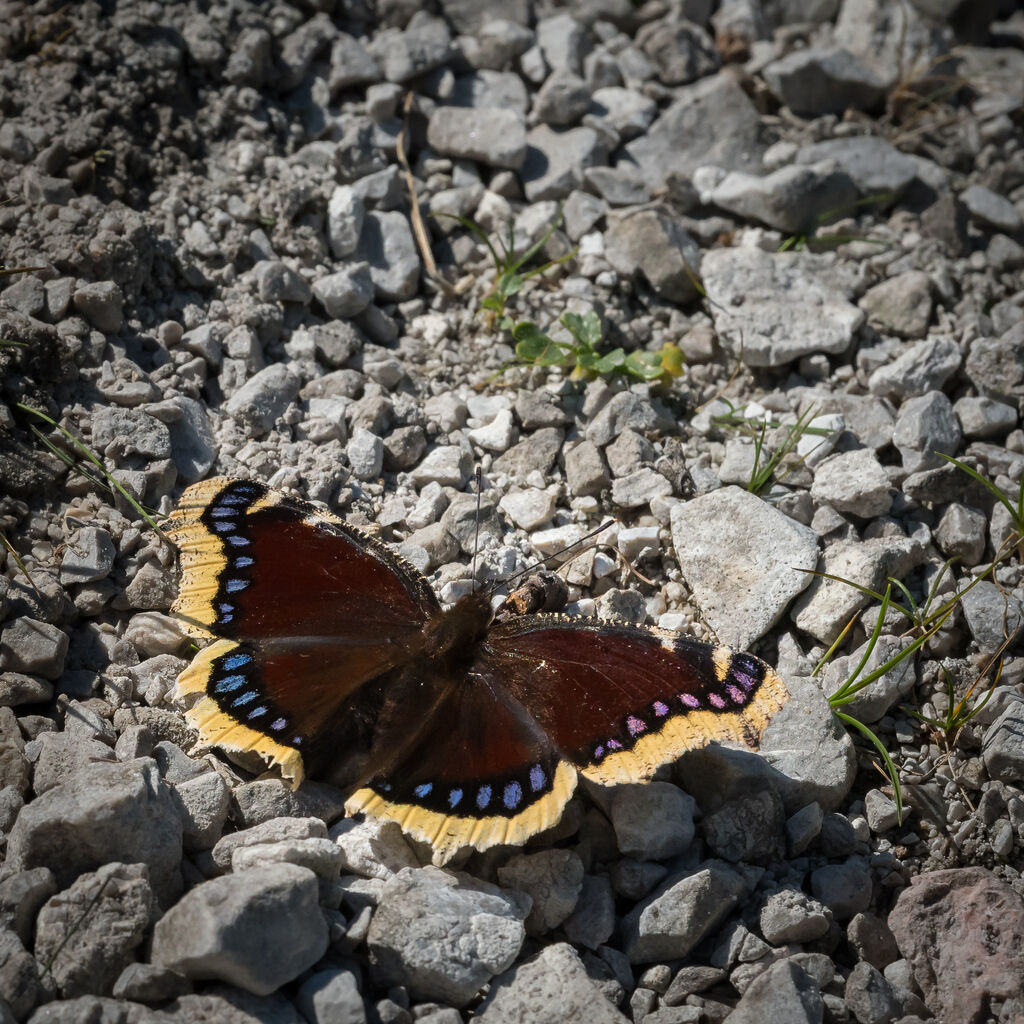
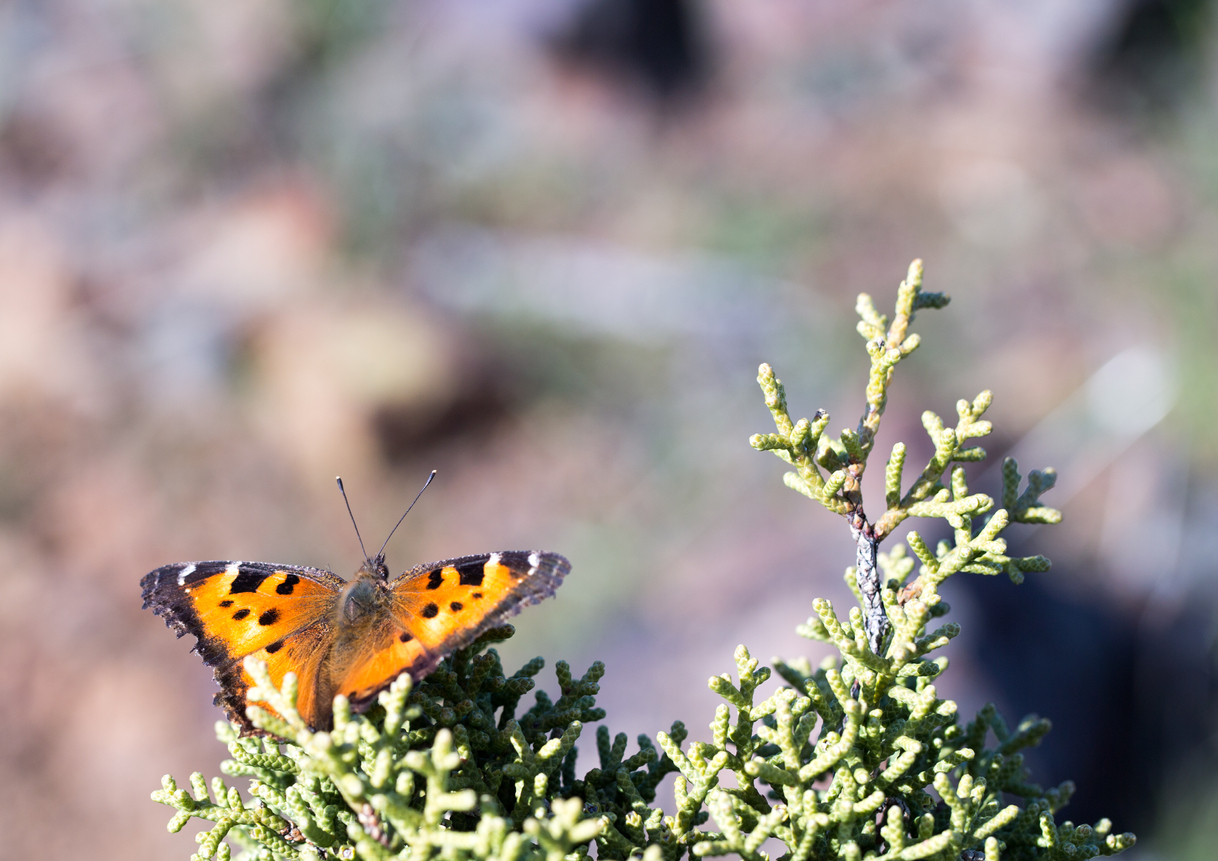
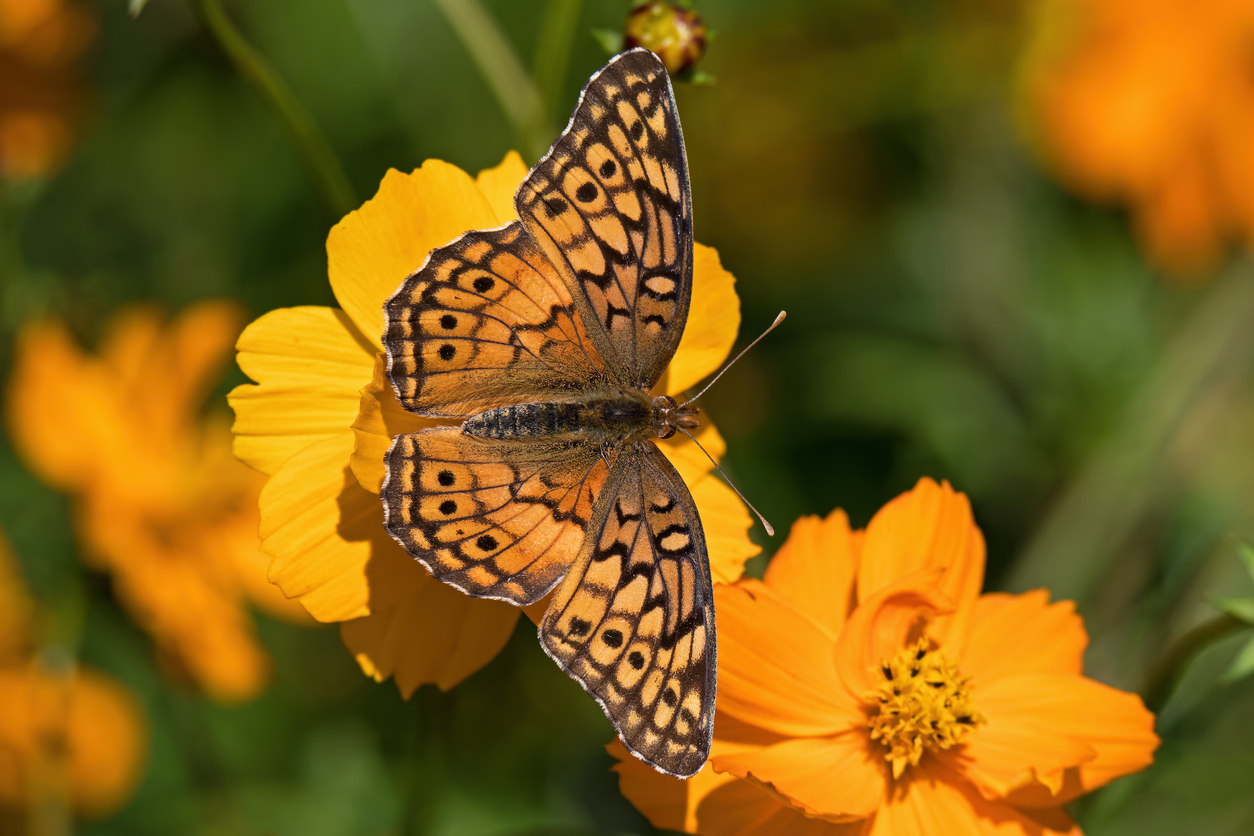
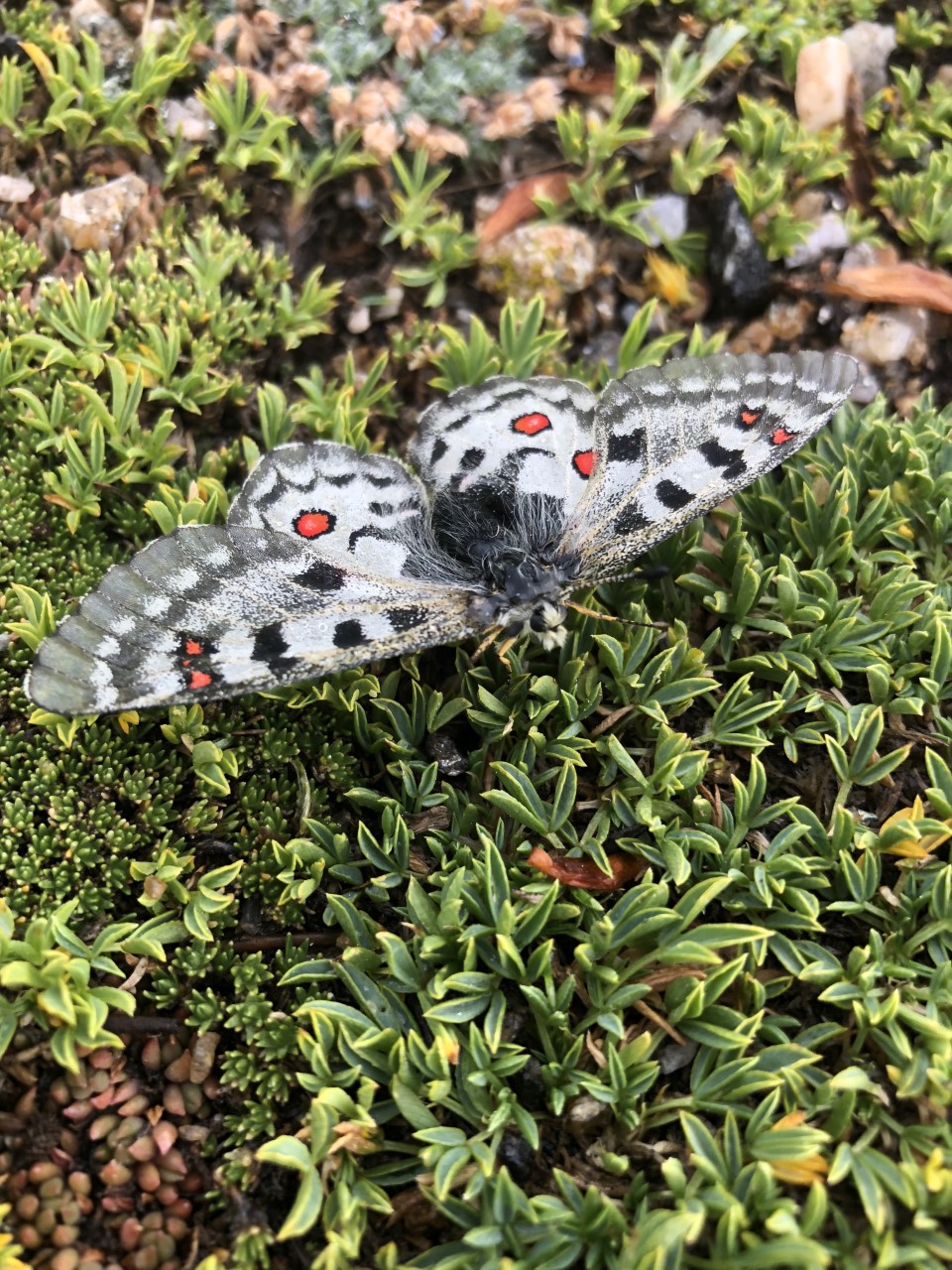
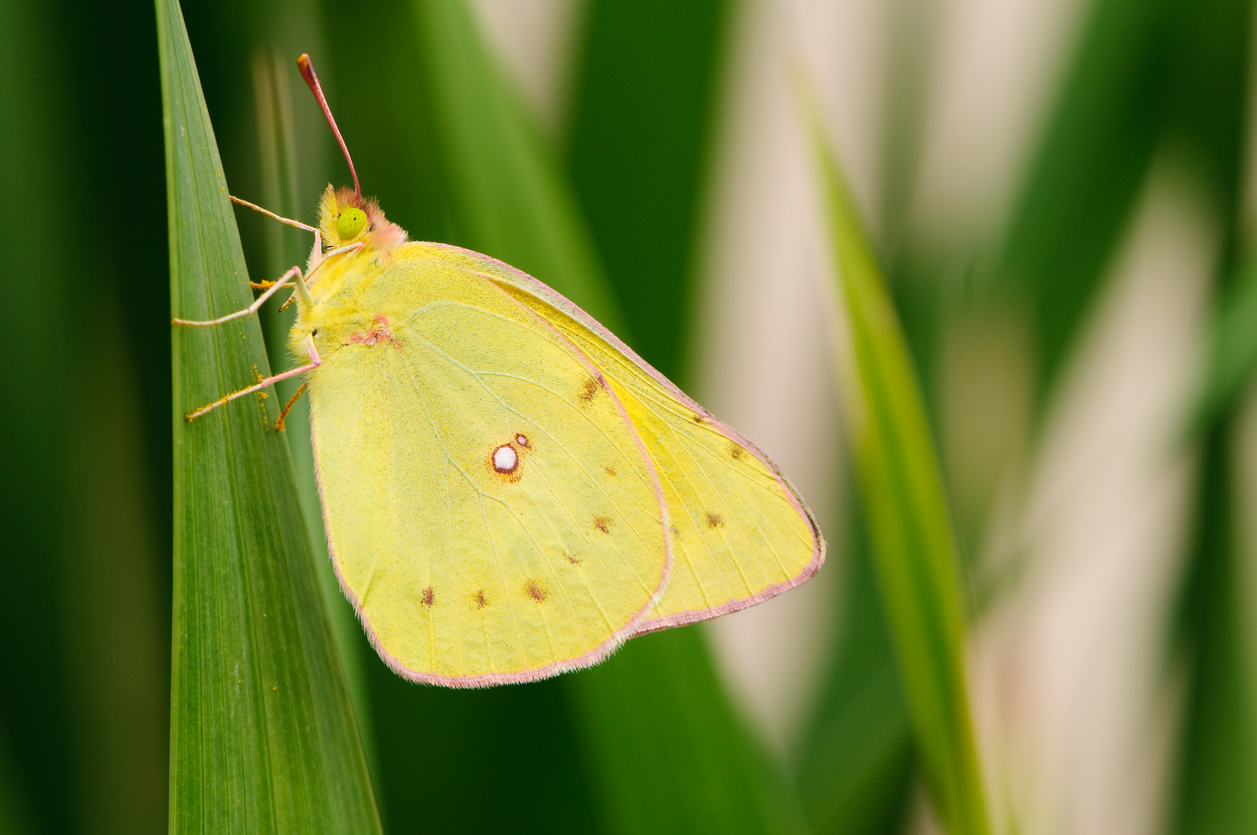
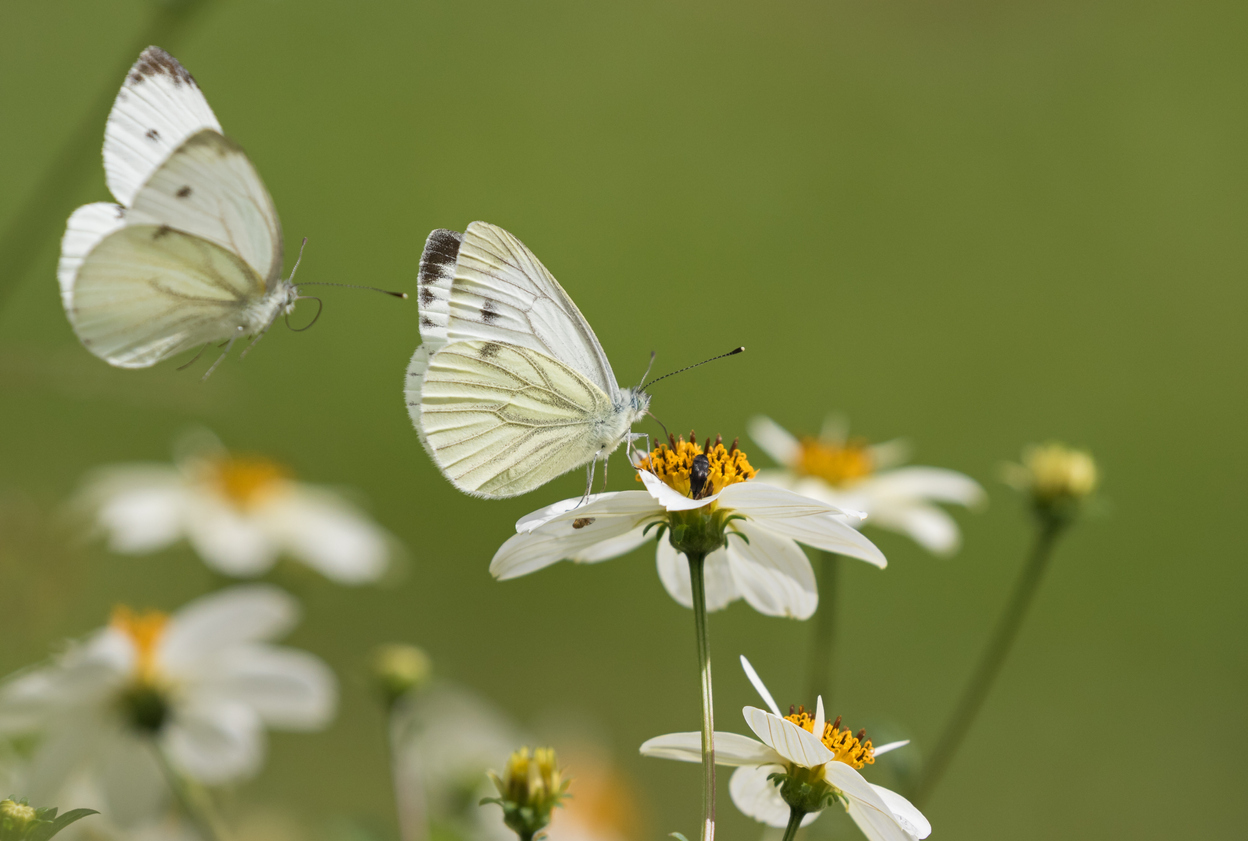
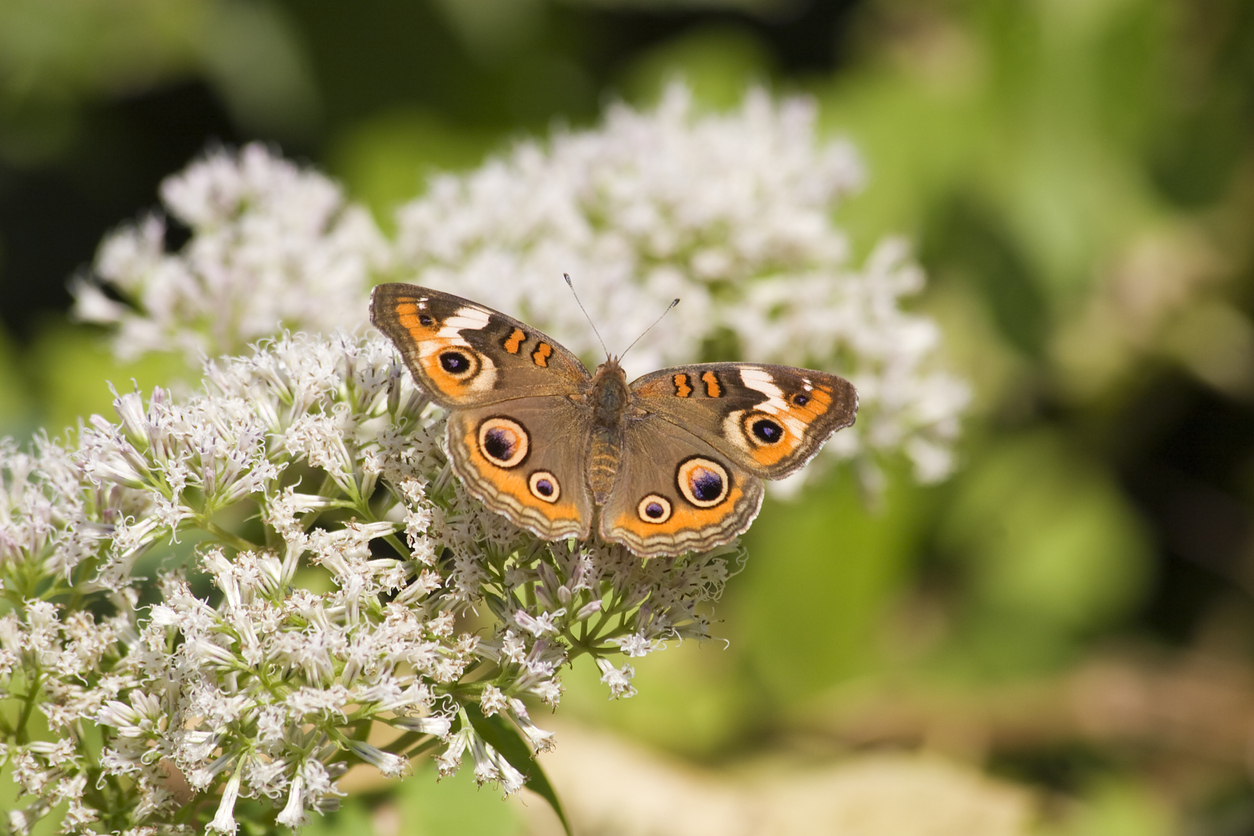
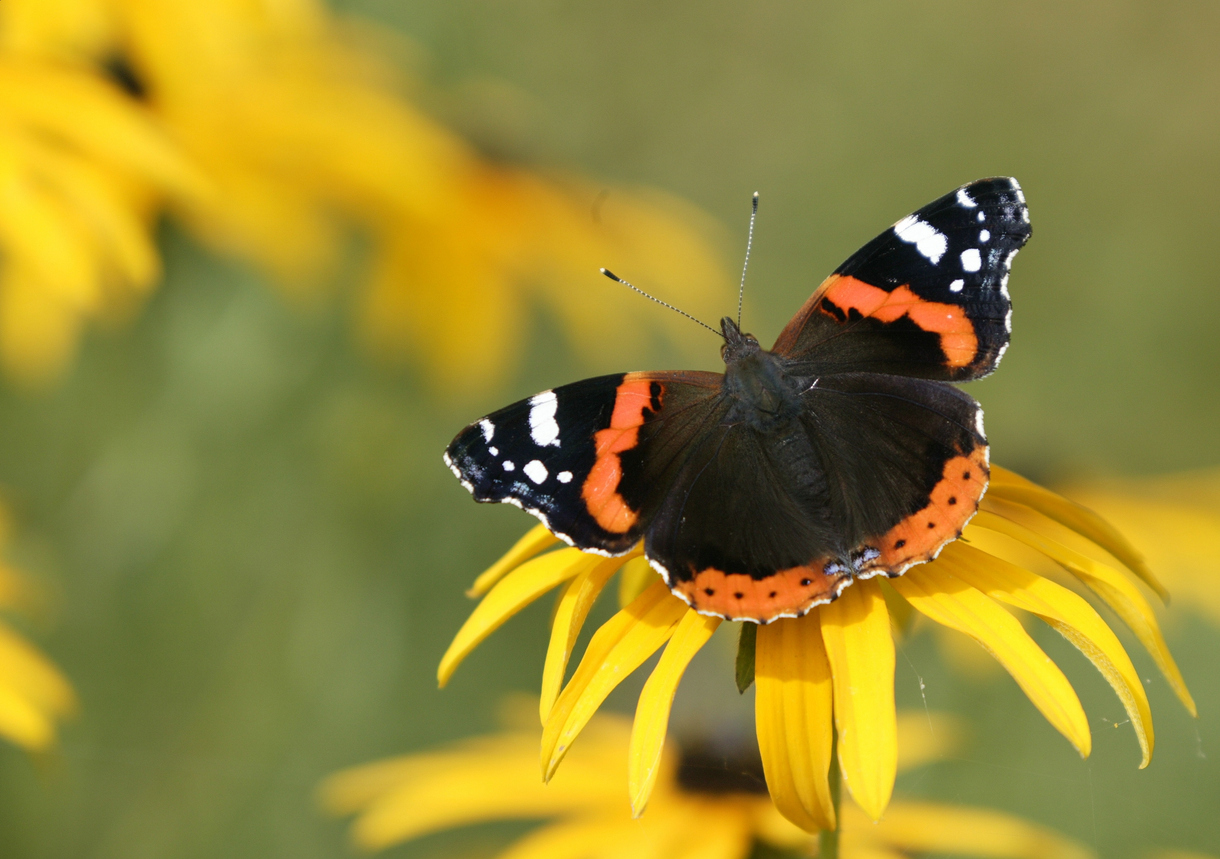
1. Black SwallowtailThe Black Swallowtail is predominately black with hints of yellow. Males have a yellow band on the edge of the wings and females have a row of yellow spots and iridescent blue markings. Both genders of the Black Swallowtail feature a bull’s eye marking of a black spot within a larger orange spot on the inner hind wings. These butterflies can be found more commonly in eastern Colorado. West of the Continental Divide, the Black Swallowtail is found in extreme southwestern parts of the state.Photo Credit: marcophotos (iStock).2. MonarchThe Monarch is one of the world’s most recognized and well-studied butterfly species. Monarch wings are orange and laced with black lines around the boarder with white dots. The Monarch is famous, especially in Colorado, for the awe-inspiring seasonal migration. Following the end of winter, Monarchs migrate north typically between March and June.Photo Credit: Jeff Stefan (iStock).2. Monarch (cont.)There’s something special about the Monarchs that pass through Colorado during their migration. While the Rocky Mountains of the Continental Divide separate the Western and Eastern populations, both groups flutter through the state and put on a glowing show for those in Colorado.Photo Credit: JHVEPhoto (iStock).3. Weidmeyer’s AdmiralThe Weidmeyer’s Admiral butterfly is primarily black with white bands and blocks on both wings. This butterfly can be found in the woodlands along mountain streams and other montane environments from early June to early September.Photo Credit: Jeffengeloutdoors.com (iStock).4. Painted LadyThe Painted Lady is a large butterfly found anywhere in Colorado, primarily in fields and open areas. The wings are predominantly orange and black with dark eyespot markings. This butterfly is the most widely distributed throughout the world, found in North America, Central America, Africa, Europe, and Asia.Photo Credit: Wieland Teixeira (iStock).5. Two-Tailed SwallowtailAnother large butterfly found in Colorado is the Two-Tailed Swallowtail. These butterflies have a wingspan up to five inches with wings of mostly yellow and black striping. Two-Tailed Swallowtails can be seen throughout Colorado, particularly where ash trees are planted.Photo Credit: Czezar (iStock).6. Checkered SkipperThe Checkered Skipper is the fastest butterfly in the world, capable of reaching speeds up to 37 miles per hour while most butterflies fly at 5 to 12 mph. The Checkered Skipper adapts well to great changes in elevation, making Colorado a great home for them. Males are a blue-gray with a pattern of white checkering and females are brown-black with smaller areas of white checkering.Photo Credit: ShaftInAction (iStock).7. Mourning CloakFeaturing unique colors compared to other butterflies, the Mourning Cloak is a purple-black with slightly reflective purple and blue markings. A yellowish band stretches along the wing edges, creating a stark difference from its overall dark appearance.Photo Credit: Binnerstam (iStock).7. Mourning Cloak (cont.)As caterpillars, the Mourning Cloak features fleshy spines across a velvety-black body. The Mourning Cloak is one of few butterflies that survives winter thanks to the dark colors that absorb heat energy from the sun.Photo Credit: Stefan Rotter (iStock).8. Hoary CommaThe Hoary Comma is dark red-orange and brown with black spots and bars. The wing edges are jagged and marked by a row of yellow dots. The underside of the wings are overall gray with portions of darker shades, resembling tree bark. The Hoary Comma is usually found in conifer or mixed woods near streams, prairies, and meadows.Photo Credit: yhelfman (iStock).9. Variegated FritillaryThe Variegated Fritillary is a light, tawny orange with thick dark veins and markings. This species is the only large Fritillary that does not have silver spots.Photo Credit: McKinneMike (iStock).10. Rocky Mountain ParnassianThe Rocky Mountain Parnassian is a commonly seen butterfly in Colorado. These butterflies are overall white with bold black markings and gray edging on the forewings. Red and black spots are featured on its wings.Photo Credit: Leslie James, OutThere Colorado.11. Clouded SulphurOne of the most striking butterflies found in Colorado is the Clouded Sulphur, featuring bright yellow and orange-pink colorings. Most Sulphurs rest with their wings closed, so it takes patience and luck for a photographer to get a shot of this butterfly with its wings spread.Photo Credit: OGphoto (iStock).12. Cabbage WhiteThe Cabbage White is another one of Colorado’s most common and widespread butterflies. It features white with gray patches on the wingtips.Photo Credit: Andyworks (iStock).13. Common BuckeyeMany “eyes” are featured on the Common Buckeye. Spots that resemble eyes are found on both the forewings and hindwings. The forewing features two orange bars and two large black eyespots outlined in orange. The hindwing has two eyespots, with the upper featuring a magenta crescent.Photo Credit: JillLang (iStock). (JillLang)14. Western-Tailed Blue ButterflyThe Western-Tailed Blue butterfly features a small tail on the hindwing. Males are purple-blue and females are slate gray with blue at the wing base. The Western-Tailed Blue butterfly can be found April through August in moist habitats, open woodland, foothills, and meadows.Photo Credit: skyscapes (iStock).15. Red Admiral ButterflyKnown as the “patriotic” butterfly, the Red Admiral features red, white, and blue on the edges of the forewings. Overall, the Red Admiral is brownish-black with a reddish orange median band.Photo Credit: AtWaG (iStock).Butterfly Pavilion in DenverWant to experience abundant flutters of butterflies up-close? The Butterfly Pavilion in Denver aims to foster the existence of invertebrates and educate the public on their importance to the natural environment. The Butterfly Pavilion features the Wings of the Tropics exhibit where visitors can walk among free-flying butterflies in a tropical paradise.Photo Credit: Ann Smith (iStock).
Get OutThere
Signup today for free and be the first to get notified on new updates.