








Third-generation Denverite Councilwoman Jamie Torres talks representing her home District 3

For Councilwoman Jamie Torres, serving Denver is in her blood. A third-generation Denverite, Torres represents District 3 with a life-long respect and admiration for the community it holds.
Torres was born and raised in west Denver, with her family having lived in the same Villa Park house since her grandparents bought it in the 1960s. She moved to Littleton as a teenager but returned to Denver after earning her undergraduate degree. Today, she lives five blocks from her family home.
Prior to her time on City Council, Torres spent 18 years in Denver’s Human Rights and Community Partnerships Agency and went on to develop the Office of Immigrant and Refugee Affairs. While serving as director of the office, Torres was inspired to seek public office.
Nearly two years since she was elected to represent District 3 — comprised of the Barnum, Barnum West, LaAlma/Lincoln Park, MarLee, Sun Valley, Villa Park, West Colfax and Westwood neighborhoods — Torres talked to The Denver Gazette about her time serving her home district.
What made you want to become your district’s city council representative?
The Office of Immigrant Affairs was my first exposure to the different kinds of conversations that happen in local government. I saw that I could propose new ideas for how community engagement happens and how I could advocate for things that are important. After the 2016 election, I realized how much the laws and the legislation that we build in local government affects families’ lives. The ways we engaged to help support immigrant and refugee families really opened my eyes to that and that got me excited for what I could offer my district.
Council committee OKs changes to Denver Ethics Code, rules for cabinet member approvals
What I had seen taking place was a gap in information in the office that I worked in, but also just as a resident in west Denver. We’re a long-standing, working-class community and these are folks that are often working multiple jobs. They may not hear about the public meetings that are happening or the board of commissions that is recruiting, so you miss out on a lot of the things the city may be doing. I wanted to help serve them.
I feel so honored to represent this district on City Council because of my ties to these neighborhoods.
How has your experience as a council member been so far?
We’ve now been in this pandemic experience for over a year, which is longer than my time as a City Council person outside of the pandemic. It has challenged us in a number of ways with communication, staying in touch with people, being able to get resources to residents. At the beginning, a group of us local electives in west Denver got together right away, talking every week and doing a town hall every week to share and transmit information. That became a real saving grace and is something we’re continuing to this day.
I’ve had highs recently that have been really incredible, like the work that I and other electives have been doing with equity clinics. We didn’t know how successful they would be, but we started with one and we’ve done two more since then, vaccinating over 3,000 people. Watching people bring their parents through — 80-year-olds, 90-year-olds — there were tears of relief and hope. That was moving to me, that we were actively providing something that was desperately needed. That gave me a lot of inspiration to continue doing these things that are really hard.
Also, in 2019 before the pandemic, we established an anti-displacement working group, bringing folks together to understand who’s doing what work when it comes to keeping residents in their homes, building affordable housing, making opportunities together. Just bringing everyone together and figuring out where are the gaps. That group became even more important during the pandemic.
Denver City Council expands group living amendment citywide
Language access has also become a really prominent issue for me, wanting to make sure that we make headway when it comes to language access planning in city departments and how we deliberately accommodate languages in the work that we do. After I was elected, by January we had a working group established to start building the plan and, within a couple months, we had a commitment from the administration that this is something they’d support. I’ve started working with my prior office and they brought on a coordinator to build what a language access policy would look like.
As a council member, what are your priorities for the future?
This year, my biggest priority is making sure that we’ve got COVID-19 testing and vaccination clinics available. It’s been a lot of conversations on why and how we do equity in those spaces. And even as we open up, opening up where it is equitable. I don’t want to see us come back in that inverted L. Being able to influence equitable implementation of what our recovery can look like is a huge priority. If we go back to normal in those vulnerabilities, we would not be effectively serving a district like District 3.
In my 40-something-years in this community, I’ve seen a lot of change. We’ve probably grown by 10,000 to 15,000 people since the last Census. Paying attention to the growing needs of a growing and diversifying district is both exciting and also challenging. I’ve come into it with an element of trying to plan well, while not losing the cultural influence that has made west Denver so remarkable. Our artists, small business owners and creatives have really put our footprint down and I don’t want to lose that. I want to be a part of preserving it.
I want my legacy to be one of effectiveness — that I was effective in advocating for communities that historically weren’t listened to and that we changed that dynamic and actually saw successes. That we will implement a language access plan for the city, that we will make good on our commitment to Indigenous communities. Actively and effectively being able to make that imprint on righting historical wrongs and improving families’ lives is what I hope are mine and my colleagues’ legacies.
This interview has been edited for length and clarity.


Commerce City to become largest Colorado city with full EV trash collection fleet
Kyla Pearce
kyla-pearce@denvergazette.com
Updated 3 hours ago
Starting in January, Commerce City will roll out a fully electric recycling and waste collection fleet, making it the largest Colorado city to adopt such a fleet, a city news release announced. In partnership with Republic Services, Commerce City officials...

Kyla Pearce
Reporter

Feds order coal-fired Craig powerplant to remain open
Scott Weiser
scott-weiser@denvergazette.com
Updated 7 hours ago
The Department of Energy ordered Tuesday that one of three generating units at the Craig Generating Station be available for operation despite an impending shutdown of the plant and its supplying coal mines. Secretary of Energy Chris Wright issued the...

Scott Weiser
Reporter
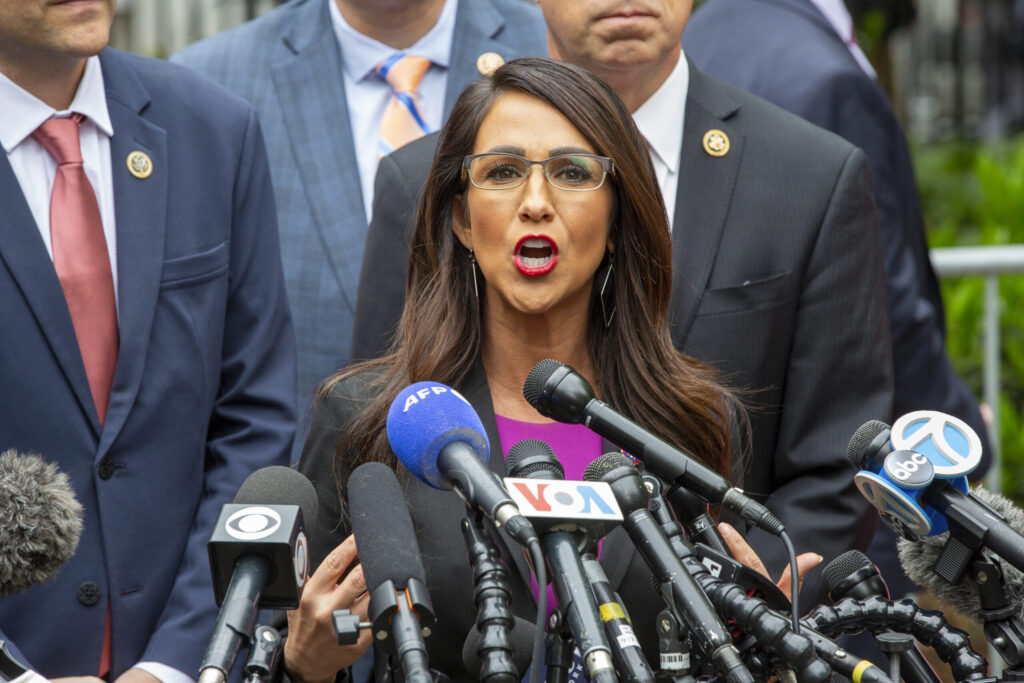
US Rep. Lauren Boebert calls for override vote after Trump vetoes bipartisan Colorado water bill
Marianne Goodland
marianne-goodland@denvergazette.com
Updated 10 hours ago
President Donald Trump issued the first veto of his second term Tuesday, blocking a long-awaited bipartisan effort to finish a southeastern Colorado water project that supporters say is critical to delivering clean drinking water to roughly 50,000 residents of the...

Marianne Goodland
Reporter
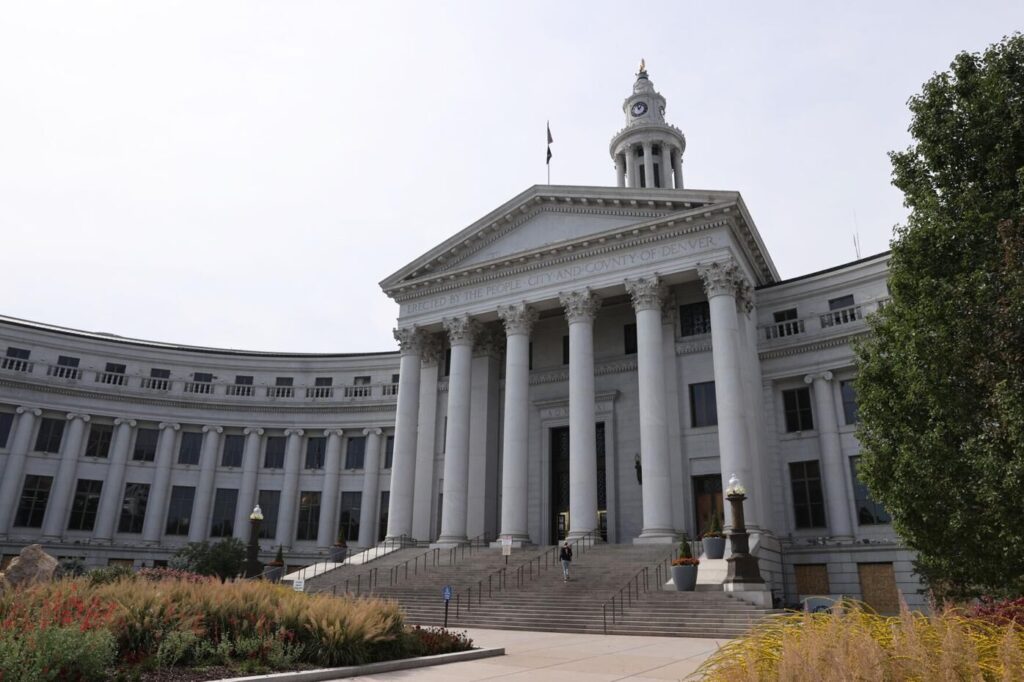
Denver government and services to close for New Year’s Day
Michael Braithwaite
michael.braithwaite@gazette.com
Updated 15 hours ago
After the world rings in the new year Wednesday night, Denver city officials, like many others, will be taking Thursday off. In observance of New Year’s Day on Thursday, the Denver city government and city services will be closed to...

Michael Braithwaite
Reporter
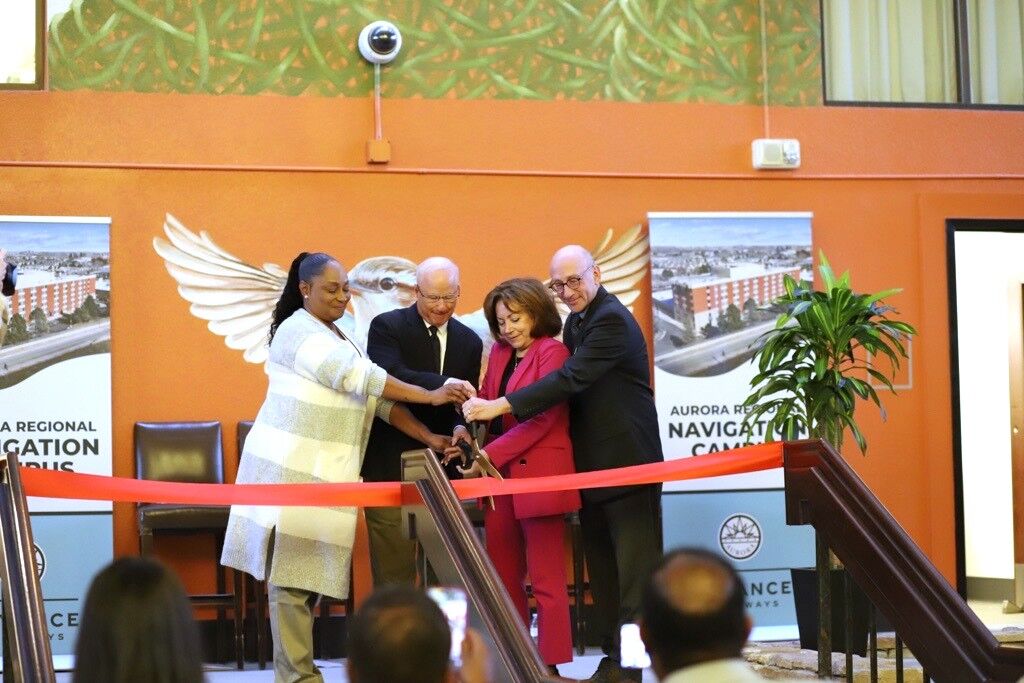
Voters flip Aurora City Council, homeless navigation campus opens
Kyla Pearce
kyla-pearce@denvergazette.com
Updated 1 day ago
In November’s election, Aurora voters flipped what was previously a seven-to-three conservative majority on the City Council to a six-to-four progressive majority. Conservative incumbents Danielle Jurinsky, Steve Sundberg and Amsalu Kassaw were all voted out in favor of progressive Councilmembers...
Kyla Pearce
Reporter

Jefferson County sends out surveys for Hazard Mitigation Plan
Sage Kelley
sage-kelley@denvergazette.com
Updated 2 days ago
Jefferson County officials asked residents to chime in on potential hazards to their communities to help secure mitigation funding in the future. The county sent out its Hazard Mitigation Plan Survey on Saturday, asking residents to categorize the risk levels...

Sage Kelley
Reporter
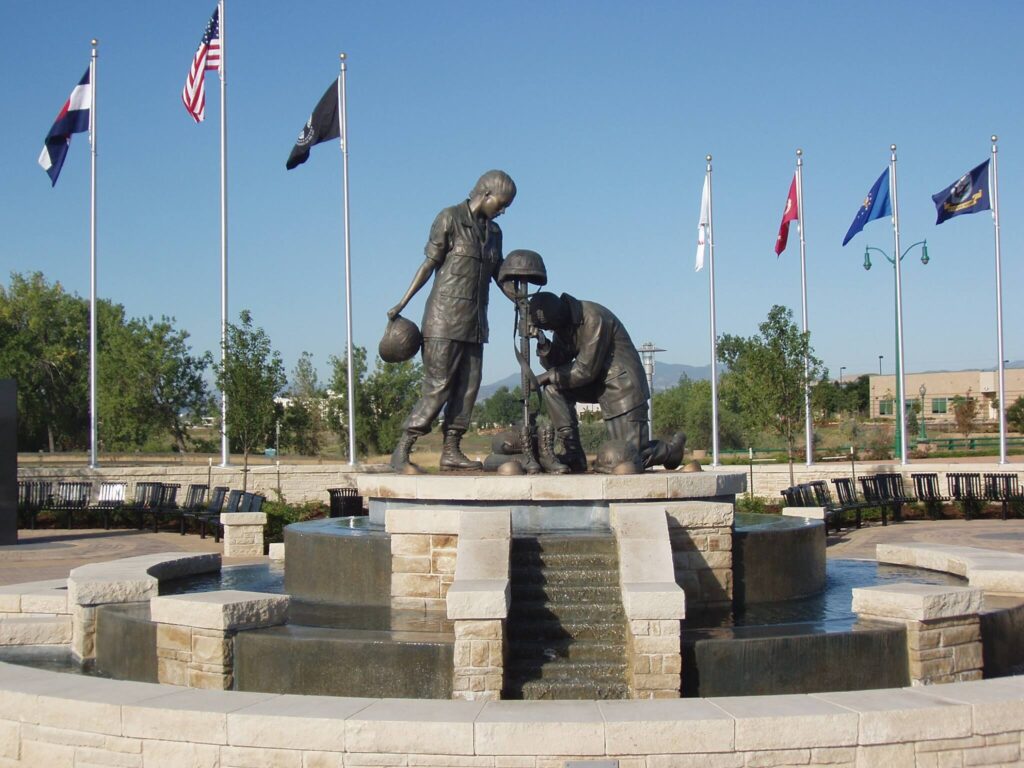
Proposed Lao Hmong memorial in Westminster shelved
Sage Kelley
sage-kelley@denvergazette.com
Updated 1 day ago
A nearly $80,000 Vietnam memorial is not coming to Westminster despite being planned for over a decade. City Manager Jody Andrews announced to the City Council on Dec. 15 that the National Lao Hmong Memorial Foundation has decided to relocate...
Sage Kelley
Reporter
Denver’s budget deficit shaped 2025 news coverage
Deborah Grigsby
deborah.smith@denvergazette.com
Updated 4 days ago
It was a year of big goals on a tight budget for the Mile High City, where Mayor Mike Johnston’s announcement of a $200 million city budget deficit dominated the news coverage. Facing a $50 million gap in its 2025...

Deborah Grigsby
Reporter
‘The canary in the democracy mine is local journalism’ | Vince Bzdek
Vince Bzdek
vince-bzdek@denvergazette.com
Updated 5 days ago
Colorado could do a lot more to save newspapers – and democracy – in rural areas By Vince Bzdek As another new year and another legislative session dawn for Colorado, it’s a good time to ask what the absolute most...

Vince Bzdek
Reporter

2025 Unfiltered: Top stories of the Colorado General Assembly
Marianne Goodland
marianne-goodland@denvergazette.com
Updated 3 days ago
In 2025, the Colorado legislature faced a budget deficit, sought to tackle a lingering housing crisis and saw a wave of lawmakers leaving for other opportunities, prompting multiple vacancy committees to act. Here are a look at the year’s top...
Marianne Goodland
Reporter
PREV
PREVIOUS
COVER STORY: A NEED FOR WELL-BEING | Hard times yield good prospects for Colorado’s mental health care
Facebook Twitter WhatsApp SMS Email Print Copy article link Save Colorado’s need for mental health care has never been greater, after a year of living under the dark clouds of COVID-19, economic disruption, social unrest, record wildfires and another mass shooting. Government money has never been easier to come by. Peanut butter, meet jelly. The […]

Senate sends safe gun storage bill to Polis' desk
Facebook Twitter WhatsApp SMS Email Print Copy article link Save Along with House Bill 21-1106, which is set to require gun owners to use locking devices, gun safes or other devices to secure firearms in the home, the Senate also sent a bill to Gov. Jared Polis’ desk last week requiring firearm owners to report […]