







We vote our pets’ interests as well as our own


Roland Halpern
Last September, I wrote a commentary entitled, “Animal welfare tops the ballot for many voters.” At its conclusion I speculated: “It is therefore not a far stretch to conclude pet owners will vote for candidates that share their values when it comes to protecting animals.”
There is now some evidence supporting that hypothesis.
One month after my article appeared, the release of a survey conducted on behalf of Banfield Pet Hospital found 65% of pet owners said that when they vote (in the 2020 elections) they will take into consideration how different issues might impact their pet’s future.
More recently, Perri Otto, a graduate student from the University of Colorado at Denver, conducted a survey among registered voters that found 62.7% of respondents who owned pets said they would be more likely to vote for candidates who supported strong animal protection laws. This survey was mailed to 2,100 randomly selected registered voters picked from the Colorado secretary of state voter database. The survey was split evenly among the seven congressional districts, 300 surveys each, and further divided by 100 Republicans, 100 Democrats, and 100 unaffiliated voters. To reduce possible bias between rural and urban areas, the survey was limited to pet ownership and did not include livestock, wildlife, or other animals.
A total of 637 responses, or 30.3%. were returned: 255 from Democrats, 205 from Republicans, and 157 from unaffiliated voters. Of those, 65.9% identifying as Democrats said they would be more likely to vote for candidates who supported strong animal-protection laws; 46.8% of Republicans would be more likely, as would 59.9% of unaffiliated voters.
In terms of pet ownership, 72% of respondents indicated they currently owned pets. Of the 28% who did not, 45.5% said they still would be more likely to vote for candidates that support strong animal protection laws.
As to negative responses, only 1.9% of Democrats, 8.3% of Republicans, and 7.3% of unaffiliated voters said they would be less likely to vote for candidates who supported strong animal protection laws. The remaining 33% (combined) replied it would have no influence as to who they would vote for.
Lawmakers need to be mindful of the shifting demographics in our state, which includes the increased importance pets play within families, and how it will affect future voting trends. Consider a 2019 survey among 2,000 pet owners on behalf of the pet food company “I and Love and You” that found 34% of parents said they preferred their pets over their own children, while a 2016 article in Forbes Magazine noted a growing number of millennials were choosing pets over parenthood. As my dog would say, that’s something to chew on.
To assist voters in their search for animal-friendly candidates, Colorado Voters for Animals produces an annual scorecard that rates legislators based on past support of animal-related bills, and in election years CVA’s “ballot buddy” ranks candidates based on responses to survey questions concerning animal welfare.
Roland Halpern is executive director of Colorado Voters for Animals, a nonpartisan nonprofit advocacy organization whose mission is to identify and help elect animal-friendly candidates and work with lawmakers to pass sensible animal protection laws.

U.S. House probes reports of fraud, waste in Colorado’s Medicaid program
Marianne Goodland
marianne.goodland@coloradopolitics.com
Updated 54 minutes ago
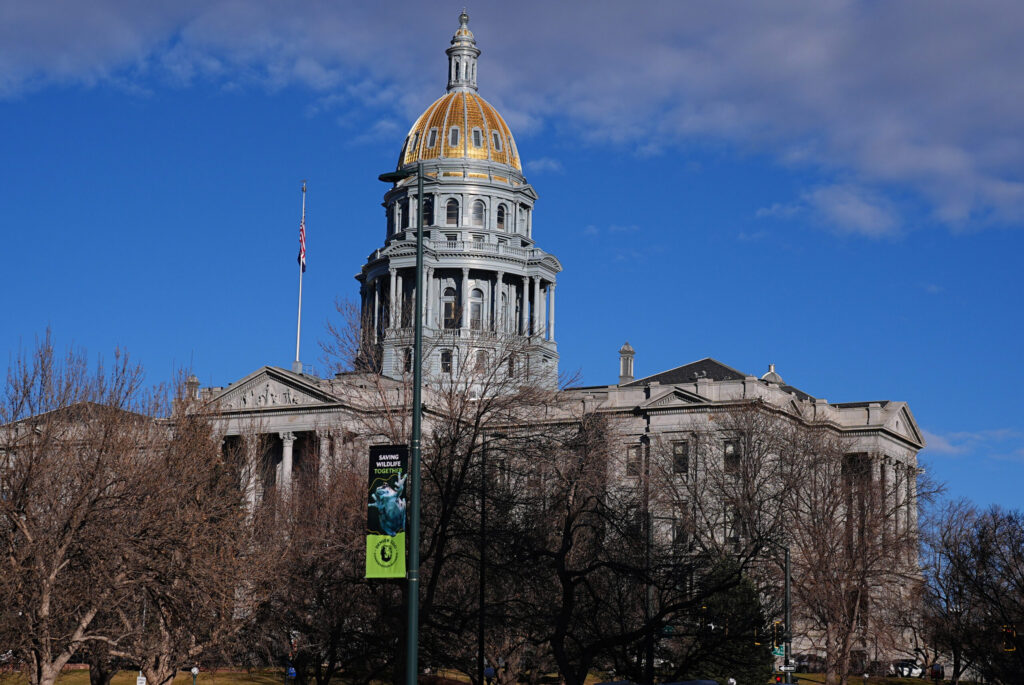
A congressional committee is probing reports of waste, fraud and abuse in Colorado’s Medicaid program, citing recent stories outlining over-billing in transportation spending and The U.S. House Committee on Energy and Commerce has sent a letter to Gov. Jared Polis...

Marianne Goodland
Reporter

Denver closes first $410 million Vibrant Denver Bond tranche
Deborah Grigsby
deborah.smith@denvergazette.com
Updated 2 hours ago
Denver wrapped the sale of the first $410 million tranche of Mayor Mike Johnston’s $950 million Vibrant Denver bond package, the city said in a statement Thursday. The sale, according to the Department of Finance, “will allow the city to...

Deborah Grigsby
Reporter
Colorado lawmakers’ speeches on immigration, Iran draw worries about decorum, grandstanding
Marianne Goodland
marianne.goodland@coloradopolitics.com
Updated 4 hours ago
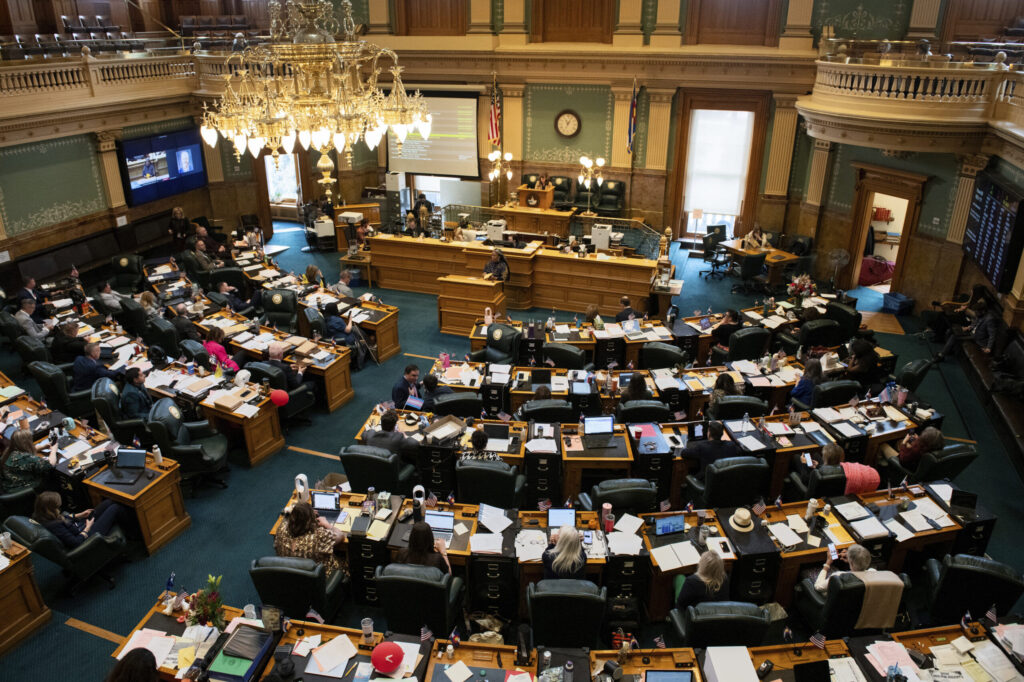
Several speeches from Colorado legislators this week have raised new worries about decorum and grandstanding in the state House after two members talked about immigration and Iran using what’s called a “point of personal privilege.” Under the rules of the...
Marianne Goodland
Reporter
Ernest House Jr. to shape Denver’s American Indian Cultural Embassy
Deborah Grigsby
deborah.smith@denvergazette.com
Updated 2 hours ago
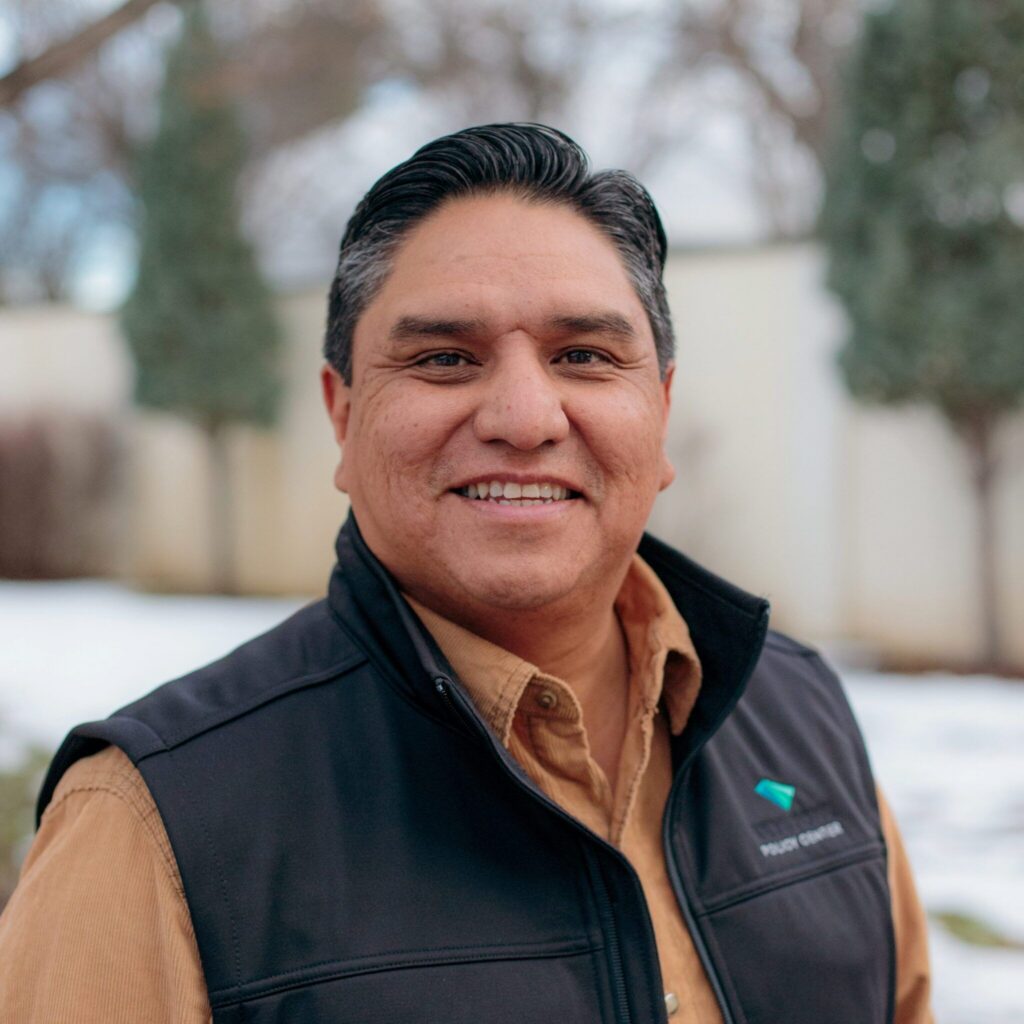
Denver has tapped Ernest House Jr., director of tribal and Indigenous engagement at the Keystone Policy Center, to lead planning efforts for the city’s future American Indian Cultural Embassy. House, a member of the Ute Mountain Tribe, will guide an...
Deborah Grigsby
Reporter

Colorado legislators eye changes to credit card ‘swipe fees’
Marianne Goodland
marianne.goodland@coloradopolitics.com
Updated 5 hours ago
Colorado legislators are proposing to eliminate “swipe fees” on sales taxes, a move that proponents say would save businesses tens of thousands of dollars a year but which will likely revive counter-arguments that those fees help create a stable and...
Marianne Goodland
Reporter
Almost 40 apply for board to oversee revitalization of Colfax Avenue
Kyla Pearce
kyla-pearce@denvergazette.com
Updated 9 hours ago
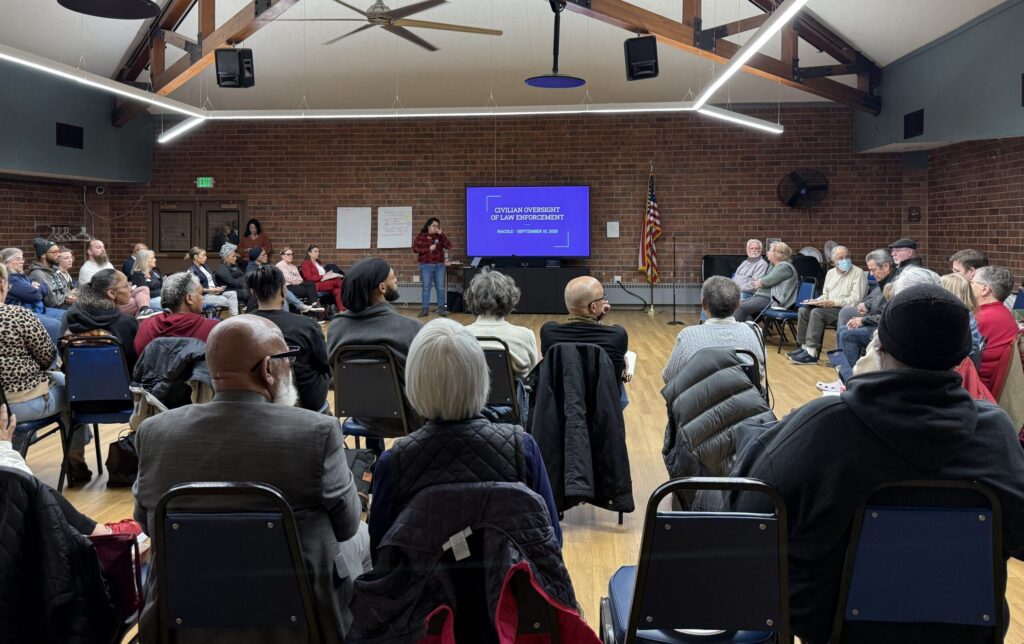
Aurora officials received almost 40 applications for the Aurora Downtown Development Authority Board that will oversee the revitalization of Colfax Avenue. The application period ended Saturday, and an Aurora spokesperson said 38 people applied. Of the 38 applicants, 32 met...

Kyla Pearce
Reporter

Data: U.S. maternal deaths fell in 2024 and may have dropped again last year
The Associated Press
the-associated-press@denvergazette.com
Updated 11 hours ago
NEW YORK — Fewer U.S. women died around the time of childbirth in 2024, a government analysis shows, and provisional data suggests the trend may have continued last year. The U.S. Centers for Disease Control and Prevention on Wednesday reported...

The Associated Press
Reporter

Denver police chief on mask ban, mayor’s orders: ‘What enforcement looks like, I’m not exactly sure’
Deborah Grigsby
deborah.smith@denvergazette.com
Updated 12 hours ago
Denver bans wearing of face masks by law enforcers, use of city property to stage immigration operations As Denver takes steps to restrict federal agents conducting immigration enforcement in the Mile High City, its police chief said he is unclear...
Deborah Grigsby
Reporter
Colorado Gov. Jared Polis ignites fierce debate after raising clemency questions in Tina Peters case
Marianne Goodland
marianne-goodland@denvergazette.com
Updated 3 hours ago
Gov. Jared Polis ignited a political firestorm Tuesday night after weighing in on the prison sentences of two former Colorado officials — a Democrat and a Republican — convicted of attempting to influence a public servant. The comments quickly fueled...

Marianne Goodland
Reporter

Gov. Jared Polis, Upper Basin states criticize federal draft plan for managing the Colorado River
Marianne Goodland
marianne.goodland@coloradopolitics.com
Updated 1 day ago
With no agreement among the seven Colorado River states, which missed multiple federal deadlines, the Upper Colorado River Commission on Monday sharply criticized the U.S. Department of the Interior’s draft plan for managing the river after the current guidelines expire...
Marianne Goodland
Reporter
PREV
PREVIOUS

Denver auditor granted subpoena power by City Council
Facebook Twitter WhatsApp SMS Email Print Copy article link Save Denver Auditor Timothy O’Brien now has the ability to issue subpoenas after the City Council approved a bill Monday granting the position subpoena power. With this new power, O’Brien can demand a person or entity provide documents, information or testimony when conducting internal audits, investigations […]

Dave Gruber won’t run again for Aurora City Council, leaving one incumbent in race
Facebook Twitter WhatsApp SMS Email Print Copy article link Save Aurora City Councilman Dave Gruber has added his name to the list of council members who will not be defending their seats in the November election. Gruber, a Republican elected as an at-large council member 2017, announced he would not be running for a second […]