




Denver gets drought respite while other parts of Colorado remain parched
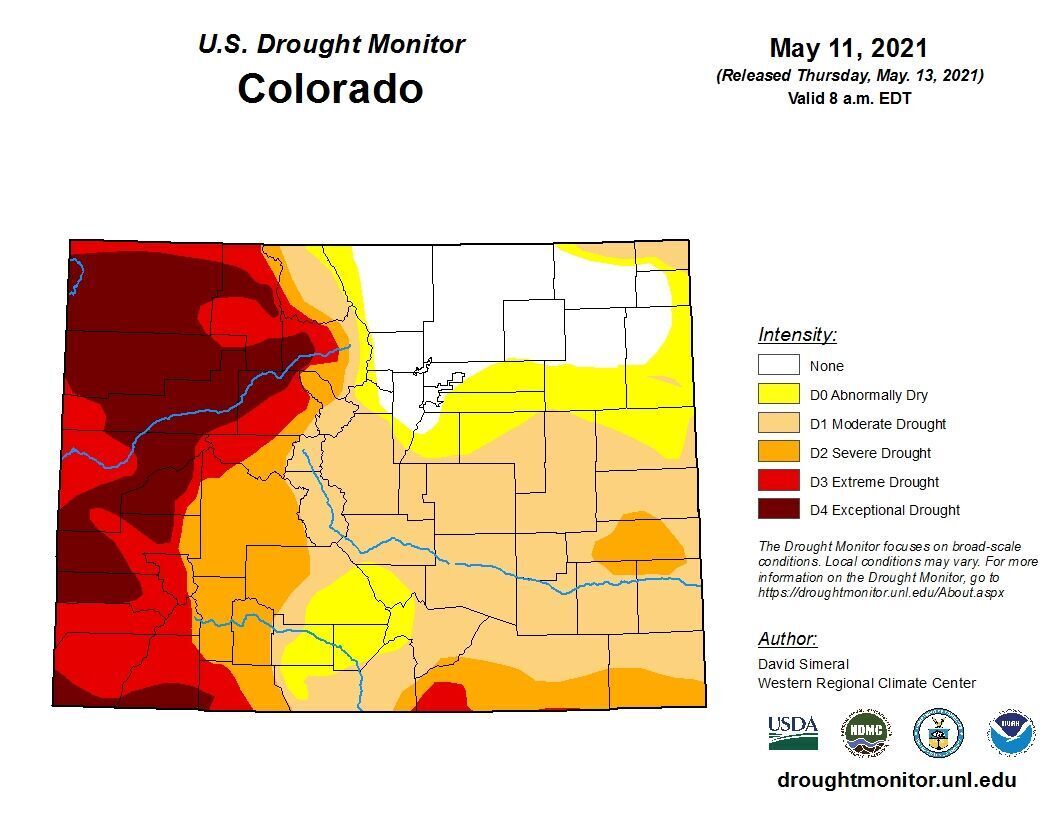
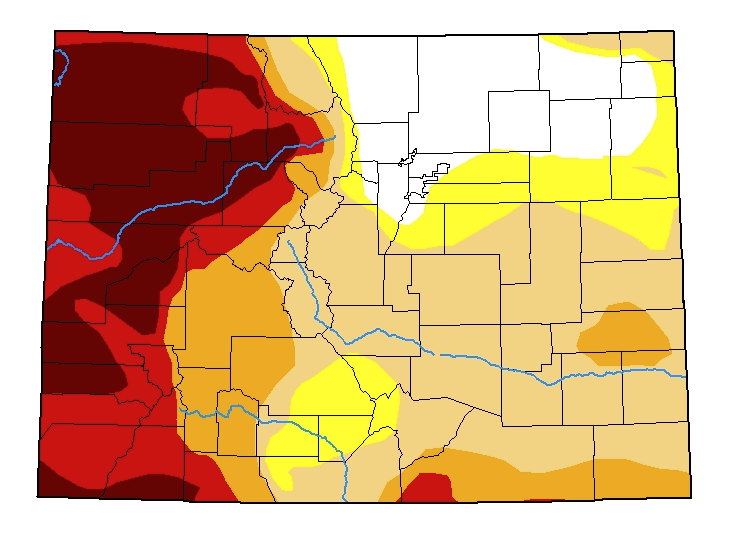
For the first time in a year, the Denver, Boulder and Fort Collins areas are no longer experiencing drought or abnormal dryness.
The return to normal for some of the state’s most populous areas comes after several waves of spring rain and snowstorms.
But the improved conditions come with a big caveat: Much of western Colorado remains in severe and exceptional drought, part of a regional pattern affecting the Southwest.
Conditions have improved in the areas around Colorado Springs and Pueblo as well, receding from severe and extreme drought into only moderate drought.
“We’ve seen a lot of improvement over the past couple months,” National Weather Service meteorologist Kari Bowen said.
The precipitation patterns this winter favored the northern areas of the front range, she said.
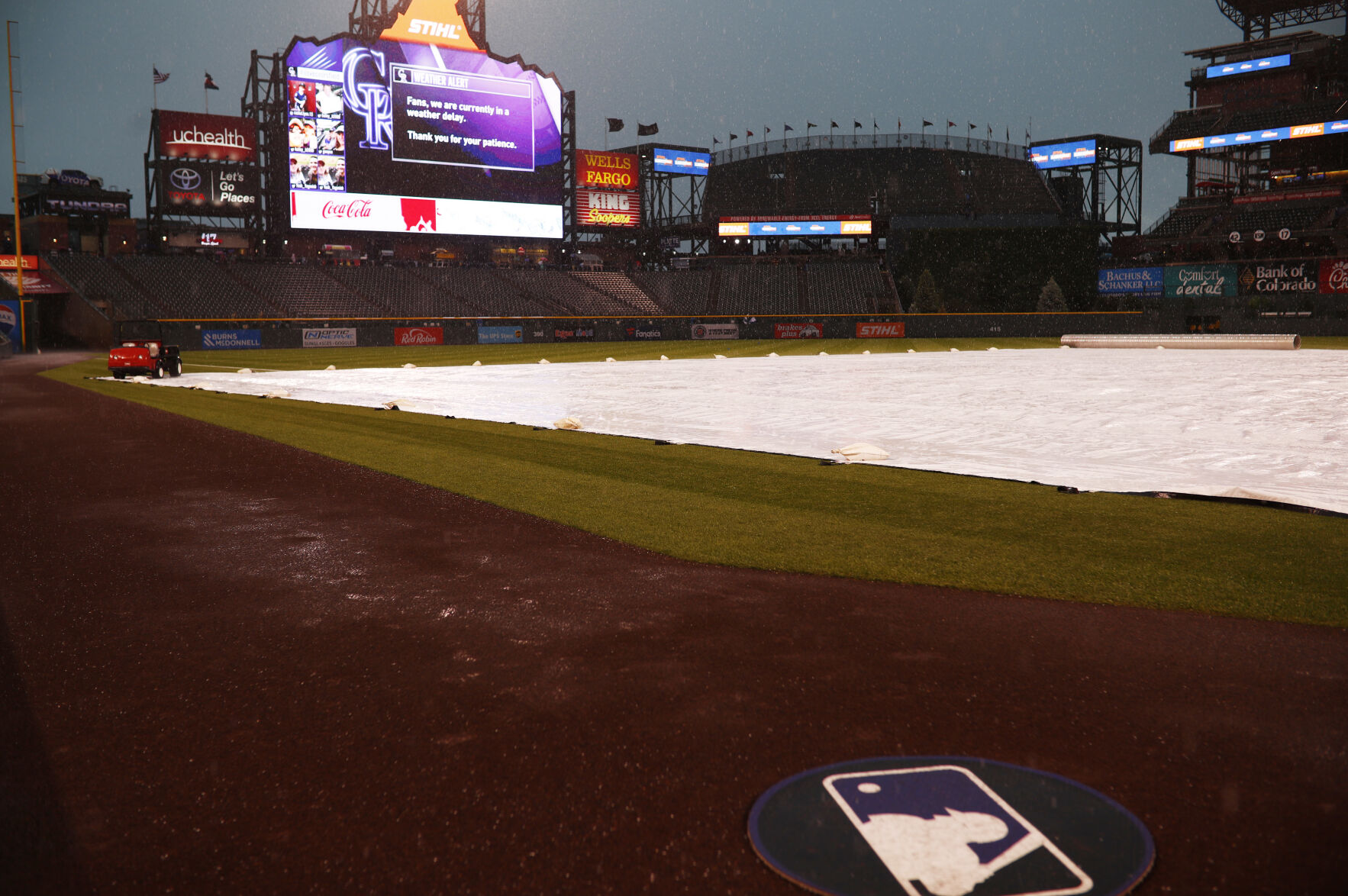
“It’s typical for a La Niña winter,” Bowen said about the winter weather pattern affecting North America this year. “It’s dryer for the Southwest, like in western and southern Colorado and into Texas, with weather conditions coming from the Pacific Northwest.”
With less winter precipitation in the southwestern part of the state, exceptional drought conditions, the most severe categorization, have remained.
Peter Goble, a climatologist at the Colorado State University Colorado Climate Center, said the recent precipitation and return to non-drought conditions could be just a temporary improvement, and that the larger trend is a pervasive drought across the West, and especially focused in the Colorado River Basin.
“It’s really good to get this news on this side of the state, but the forecasted inflows into Lake Powell is only around 28% of normal. It’s going to be a really tough water supply year,” he said. “These late winter and spring storms can mask the long-term trend.”
Predictions aren’t showing the worst year for inflows, he said, but it is forecast to be in the bottom five.
And the summer precipitation forecast is a tossup, Goble said, with some of the seasonal models predicting an average to “leaning dry” summer, but consensus about likely warmer temperatures.
“The climate prediction center has an increased chance for above normal temperatures for all of Colorado, which is unsurprising, because our summers have been trending toward above average,” Goble said. “And the monsoon is always hard to predict.”
A heat wave is predicted to deepen the pervasive regional drought in the coming week, affecting most of the U.S. Southwest and into western and southern Colorado.
All told, the conditions are expected to produce another bad wildfire season.
Forecasts now predict southern Colorado has a higher-than-normal chance for large wildfires through June, Goble said, and the same heightened risk of large wildfires for all of western Colorado through July.
Get OutThere
Signup today for free and be the first to get notified on new updates.
PREV
PREVIOUS
Tweet from the NWS. (Click to see if image does not show on your device)
Snowpack in the South Platte basin continued to hold fairly steady, but elsewhere across Colorado snowpack continued declining. Maps & graphs courtesy of the NRCS. Additional links https://t.co/n8oTGDSkFE. NRCS News https://t.co/j1wiFJSuAa & Report: https://t.co/sTECOGLo0Y #cowx pic.twitter.com/v7m7A6JkEE — NWS Boulder (@NWSBoulder) May 13, 2021

Colorado city dubbed 'most dog-friendly city' in America
Are you looking for a dog-friendly city to call home with your four-legged best friends? Then look no further than the Mile High City of Denver! Denver is the most dog-friendly city in the country, according to a new survey from Rover and Zillow. To determine the list of “Top Emerging Dog-Friendly Cities for 2021,” Rover […]