







Annual State of Downtown report shows major drop in foot traffic, office vacancies up
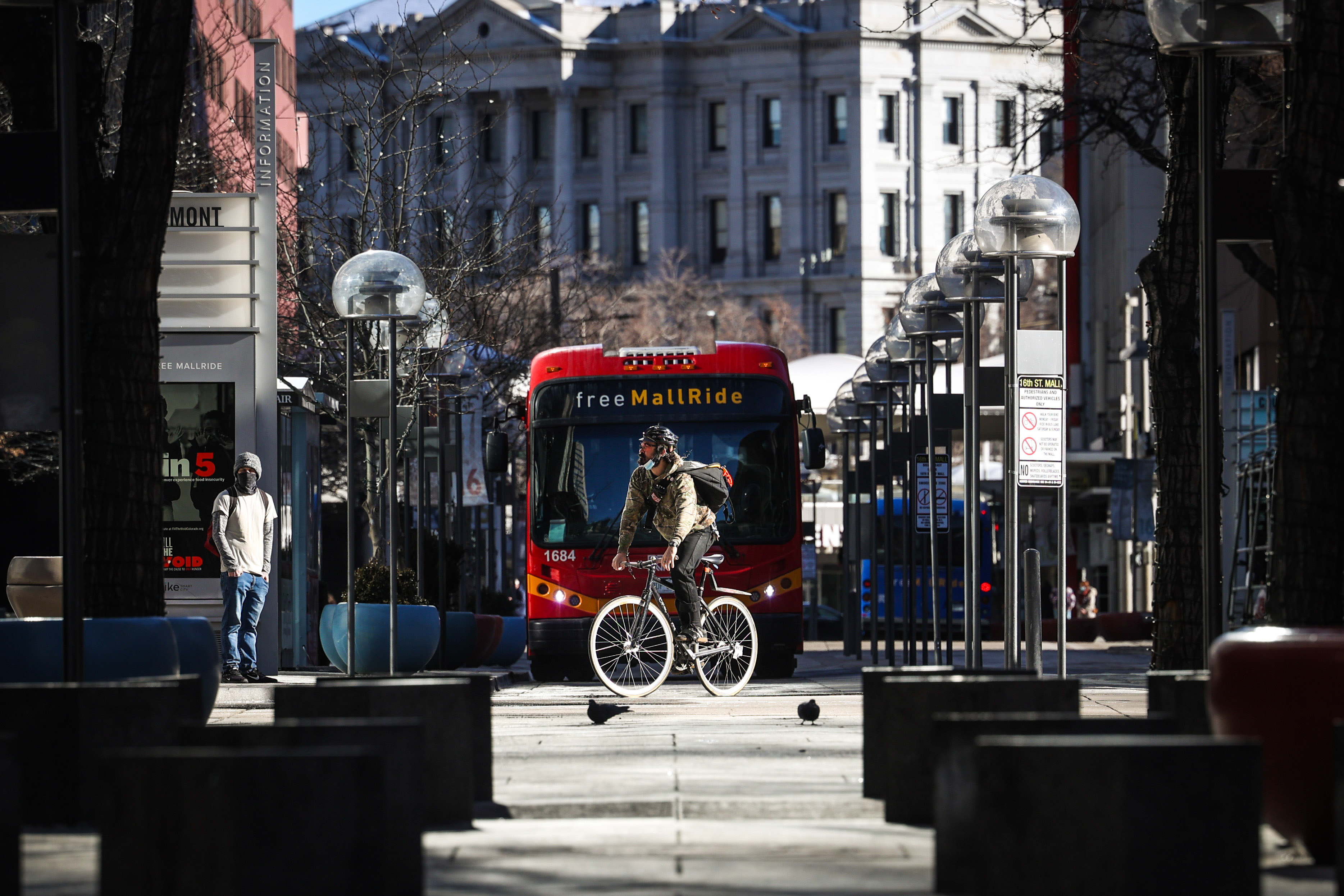
This year’s State of Downtown Denver report shows just how extensive an impact the COVID-19 pandemic had on the city.
General foot traffic declined by as much as 84% in comparison to pre-pandemic. Employment growth dropped for the first time in over a decade and more of downtown’s 40 million square feet of office space was vacant.
But as more people get vaccinated and become comfortable traveling and returning to the office, the situation is expected to improve, according to the report by the Downtown Denver Partnership.
“This year’s State of Downtown Denver report tells the story of a truly resilient city; one poised for recovery,” wrote Tami Door, the president and CEO of DDP in the report. “Today, downtown is on track to return to pre-pandemic levels of activity, and we have the data to prove it.”
Although daily foot traffic declined from 250,000 people to as low as 40,000 in March 2020, the number have grown in recent months. In March of this year the number rose 207.5% compared to 2020, and in May thus far, daily traffic has grown to 148,000 people, according to the report.
DDP currently projects that the number of daily foot traffic could surpass 200,000 people daily by January 2022 and credits the increase in tourism and return of employees downtown.
With fewer people downtown, retail tax collection drastically decreased 42% in 2020 when compared to 2019. This is the first time the figure has declined since DDP began recording the number in 2011, according to the report.
The City and County of Denver as a whole saw a 15% reduction in retail tax collection.
DDP blamed the decrease on lack of tourism, conventions, meetings and on downtown’s reliance on restaurants, hotels and other hospitality industries.
In 2019, Denver hosted nearly 32 million visitors that accounted for $7 billion in the local economy. Additionally meetings and groups spent nearly $800 million at over 1,000 meetings at the Colorado Convention Center and Denver hotels, according to the report.
Due to the pandemic those numbers dropped for the first time in 15 years, but they are expected to rebound.
Likewise, as more people transitioned to working with a view of the 16th Street Mall to staying home with their furry friends, the downtown office vacancy rate has grown to 17%.
But office space vacancies are expected to decline as more workers return to the office. This could prompt more businesses to move into downtown, or even expand their current spaces, according to the report.
According to CBRE’s America’s Investor Intentions survey, Denver was ranked in the top five markets for commercial real estate investment in 2021.
Although the number of office space vacancies grew throughout the pandemic, 15 businesses signed new leases in downtown including Liberty Oilfield Services at 950 17th St, who signed a nearly lease on a nearly 72,000 square foot space, according to the report.
Like most places employment rose — from 2.7% in February 2020 to 6.7% in March of this year. More than half of the downtown jobs lost were in the leisure and hospitality industry, according to the report.
Despite the increase in unemployment, employment at information and high tech firms increased throughout the pandemic. This continued a decade-long trend as the sector has grown from 5% of the total jobs downtown in 2010 to 12% in 2020, according to the report.
Denver was one of the only metros to grow its labor force since the beginning to the pandemic, according to the report.
In sum, although 2020 was an extremely difficult year for businesses in the downtown area, there is a lot to be excited about within the coming months, the report said.
“Successful cities are resilient cities,” Door wrote. “Where is a community of forward-thinking, collaborate and inclusive city builders who commit to standing tall together, there is always a strong path forward.”
