







McWhinney Development’s new CEO plots expansion plans
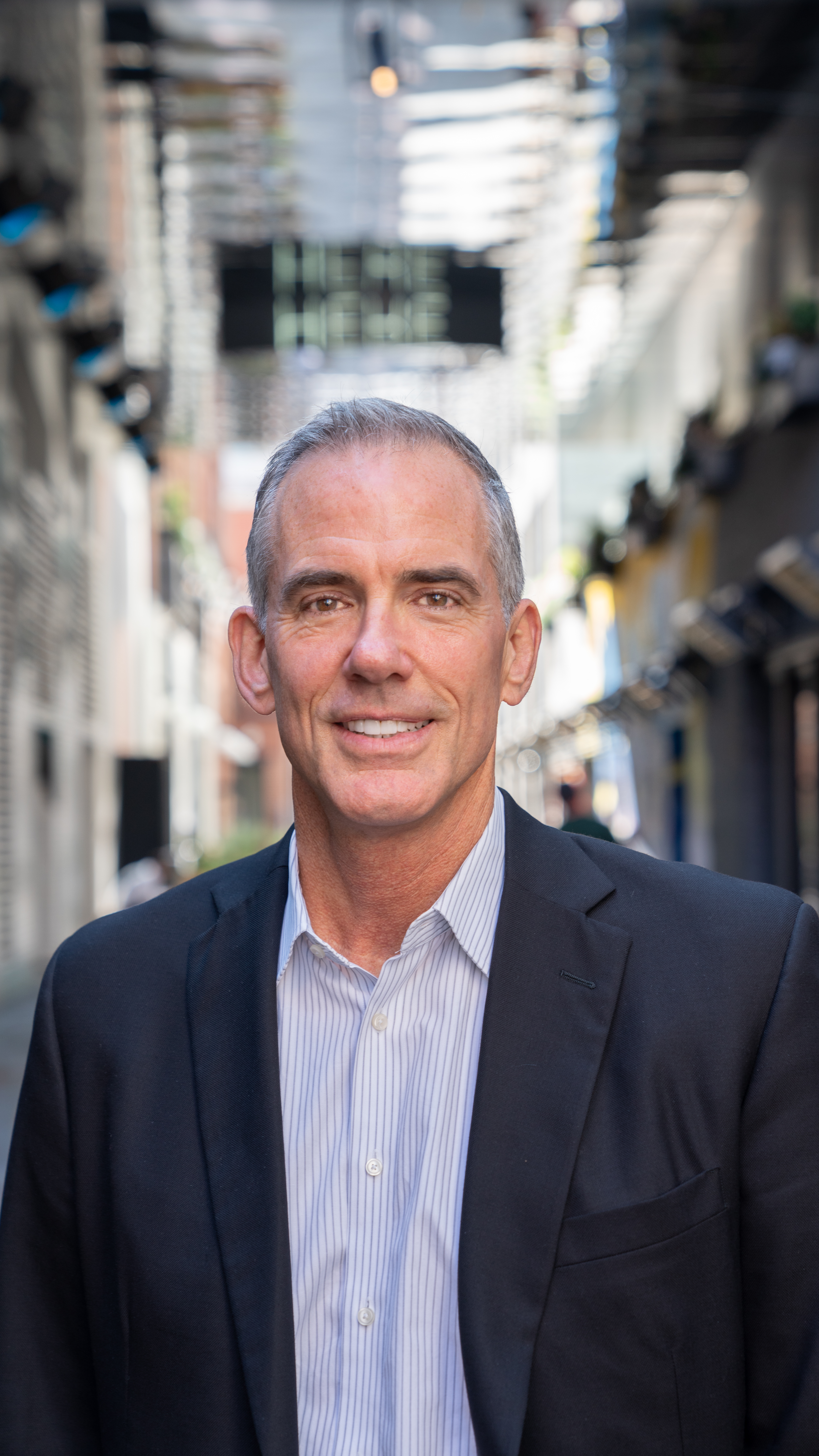
Ray Pittman has been running in metro Denver’s commercial real estate circles for more than 21 years. First as a developer with Catellus, then his own Pittman Development and two stints with CRE giant CBRE.
Now Pittman will assume the role of Chief Executive Officer of McWhinney Development.
Founded by brothers Chad and Troy McWhinney, the Colorado-based company has been moving dirt since 1991 with offices in Loveland and Denver. It’s developed more than 6,000 acres of master-planned communities, 11 million square feet of vertical commercial and mixed-use properties. Its most recent crown jewels of infill development include Union Station and the Dairy Block in LoDo.
“With our commitment to the company’s continued growth and success, the Board and I felt it was a strong time to build upon our positive momentum and transition Ray Pittman into the CEO role to lead the business forward,” said Chad McWhinney in a statement. “We have great confidence in Ray’s leadership abilities and experience, alongside my focus on the strategic vision of the company including new markets and new product types. This is the right move, the right person and the right time for us to make this advancement.”
Pittman joined McWhinney as president and chief operating officer in 2019. Though it wasn’t originally envisioned Pittman would take over CEO duties for the company of about 200 employees, the plans evolved over time as they worked together.
“We realized Troy, Chad and I had good complimentary skills and evolved our roles,” Pittman said in an interview. “We’re all playing our natural positions now. Chad (executive chairman) is a natural entrepreneur, investor and strategist and he’s great at that. Troy (senior board member and chief investment officer) is a natural administrator and our lead capital raiser. My role is in organizational leadership.”
Many don’t know Pittman and a development partner bought speculative prairie land near Aurora where the Gaylord Rockies Resort and Conference Center now sits and the High Point development off 64th Avenue and E-470. They sold the 1,600 acres of land to LNR Properties LLC bought the 1,600 in May 2006 for about $70 million.
“It’s really gratifying, actually, in the development industry when years or even decades later you look out there and feel like you’ve made a contribution to the community,” Pittman said.
McWhinney, unlike many developers, holds on to the assets it builds. The private company does well by investors with its large portfolio, but it also has the challenge of raising fresh capital for every deal.
“There’s long-term value there that appreciates,” he said. “Plus it allows us to be part of the community. We’re invested in those communities. … It’s unique that we’ll have part of the ownership of Union Station forever, and the Dairy Block forever.”
The Dairy Block on 18th and Wazee streets has the 172-room Maven Hotel, run by Sage Hospitality, 15 shops, 19 restaurants, the Denver Milk Market food hall, seven bars and popular The Alley. It’s name comes from the fact it was the longtime home of Windsor Dairy.
The company just broke ground on a luxury apartment high rise complex off 38th and Blake streets in Denver’s River North Arts District. Dubbed FoundryLine, McWhinney’s plans include 17 stories, 348 apartments, a 16th-floor rooftop pool, a dog run and a 282-car garage on the one-acre site.
“The Dairy Block is doing great,” he said. “It’s recovering well from the COVID shutdown. With the great restaurant experiences and retail there, it was hit fairly hard. But people love coming to that activated alley and it stayed relatively busy through COVID with that space to socially distance.”
Pittman said McWhinney plans to expand soon to the high-growth markets of the Wasatch range area in Utah – which has many similarities to Colorado’ Front Range — and the “Texas Triangle” of Austin, Houston and San Antonio.
“As a long-term investor, those long-term growth outlooks are important communities for us to be in,” Pittman said. “The McWhinneys are savvy investors and long-term thinkers. So while 2050 seems a long way out, we might still own in these places.”