







Around the House: Look for cause of rusty window wells
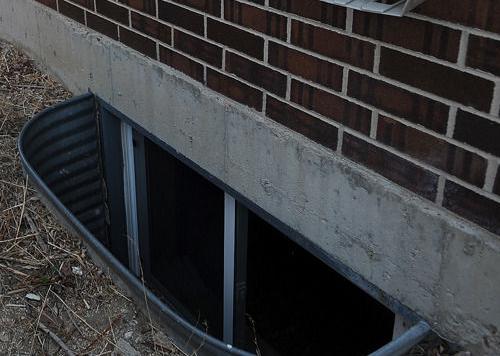
Dear Ken: How can I clean up my rusty window wells? They are pretty ugly. — Galen
Answer: There are rust inhibitor paints that you can use. They combine with the iron oxide to create a primer coat you can then cover with a spray-on enamel; check with a name-brand paint store. I’m concerned, though, about what might actually be the cause of the rust you mention. The culprit is usually drainage. Make sure that the top lip of the well is a few inches above the surrounding soil and that the surface drainage pattern slopes away from it.
Sometimes a hose faucet or sprinkler zone valve box is nearby, and that can also create trouble for the window well. You could use a concrete splash block under the faucet to carry water away. If it’s the sprinklers, dig out the box and install some heavy duty plastic sheeting underneath it. Then punch a few holes in the cover to aid evaporation of water that accumulates inside.
Around the House: Opt for plug-in when getting a carbon monoxide detector
Dear Ken: Can I overlay the concrete surface on my patio? What are my options? — James
Answer: You have lots of choices. If the surface is intact, you could simply stain it with a water-based product, “glue” natural flagstone to the old concrete or sand-bed brick or concrete pavers on top. Many companies offer faux finishes, like an epoxy-based pebble surface or a colored and stamped concrete overlay. Be careful, though. Check out the warranties offered by these folks — plus their reputations — before you commit. If the patio is cracked and heaved, chances are it will do it again after it’s replaced. In that case, why not use the old patio as a “footer” and construct a wood or plastic composite deck right over it? It’s incredibly simple, since you can cut short legs out of treated lumber to hold up the new framework.
Around the House: Turn to attic fan to cool off overly hot attic
Dear Ken: We have concrete crawl space walls, and the prior family’s kids spray painted some — shall we say —naughty words on them How can I cover it all up? — Daniel
I like our old friend KILZ for this job. It’s essentially a pigmented shellac that seals over almost anything. There are two versions: the original “oil-based” product and a newer water-soluble version. Since you’re going to have a fume problem in the confines of your crawl space, I suggest the latter. Ventilate the area with a couple of box fans, use an appropriate mask and take frequent breaks. You may have to roll on two or three coats to get the coverage you’ll need.
Around the House: How to remedy a stinky garbage disposal
Dear Ken: My older moss rock fireplace looks dark and dirty. How can we clean it? Or should we replace it? —Michelle
Answer: Moss rock fireplaces are part of the ‘70s motif we thought was so cool back then — dark and darker was the motto of that era. Replacing it would not be an option for me; it will be very messy and quite expensive. You can clean it up a little with a shop vac and a furniture brush to remove clinging dust. Then start a regimen of feeding the moss (it’s actually lichen). Some folks report that a mixture of water and beer — half and half — will wake up the foliage.
You can also cancel out some of the effects of the rock wall with decorating. A large mirror or just the right painting would help. And how about some new lighting? Brighten up the area with a halogen track light set. Or add a tubular skylight for extra brightness.
Around the House: Solving one stinky situation in the bathroom
Dear Ken: I have a flagstone patio extension and all the grout is chipping away. It’s laid on sand, not on concrete, by the way. — Ronny
Answer: I hope they bedded it in sand for some extra stability. This is a tough one because there are two culprits here. The soil is probably shifting a little as seasonal moisture comes and goes. Also, the thermal expansion and contraction of the grout itself contributes to the deterioration you describe.
The best long-term answer is to rebed the flagstones with polymeric sand between the cracks, instead of regular mortar. This stuff hardens up when it gets wet and will lock everything together; plus, it’s easy to replace.
Dear Ken: Our older water heater in the crawl space is one of those short tanks. It’s natural gas, but a friend said I might not be able to replace it. Is that true? — Todd
Answer: Unfortunately, the so-called “stubby” water heaters are now only made in electric versions. Apparently, they just weren’t selling enough to continue their manufacture; they were quite expensive compared to their more upright cousins — and that may also have been a contributing factor. They do, however, make electric versions of these little guys. What that means to you is that you’ll have to pull a 240 volt circuit wire to the current water heater location.
Of course, it will cost more to heat water electrically, but you can mitigate some of that extra expense by installing an insulating blanket around the tank. In fact, that would be a good idea right now with your existing tank, since crawl spaces are a little cooler than the rest of the house, and hence, suck more heat through the tank walls.
Finally, you might want to install a couple of battery-powered water alarms around the base of the tank you have now. That way, when it does fail, you can attend to it before it floods the crawl space.
Ken Moon is a home inspector in the Pikes Peak region. His call-in radio show airs at 4 p.m. Saturdays on KRDO, FM 105.5 and AM 1240. Visit aroundthehouse.com


From decrepit to opulent: How 20 years of the Ellie Caulkins Opera House has elevated Denver
John Moore
john.moore@denvergazette.com
Updated 12 hours ago
Celebrating two decades since downtown finally got a worthy home for opera, ballet, concerts and more People forget what life was like before the Ellie Caulkins Opera House. When opera fans had to head down to the basement to find...

John Moore
Reporter
For Valentine’s Day, a love letter to Colorado’s great outdoors
Seth Boster
seth-boster@denvergazette.com
Updated 2 days ago
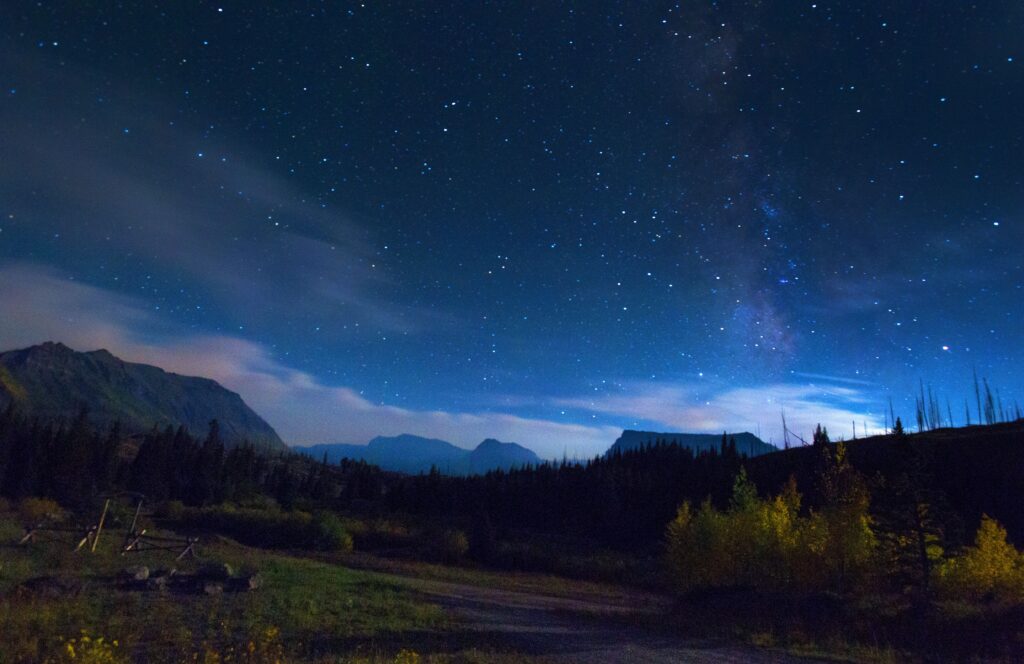
Dearest Colorado, It is Valentine’s Day, a day to profess my love for thee. But where to begin? Where our love story begins, of course, almost 10 years ago. I was wandering in a way that some of your earliest...

Seth Boster
Reporter

Colorado New Play Summit turns 20 this weekend
John Moore
john.moore@denvergazette.com
Updated 2 days ago
Arts news: Four developing scripts will be presented for future consideration on the Denver Center Theatre Company’s upcoming seasons Things are rapidly changing in the American theater. But the Denver Center Theatre Company’s place as a major player in new-play...
John Moore
Reporter

Thriller! Denver 12-year-old joins Broadway cast of Michael Jackson musical
John Moore
john.moore@denvergazette.com
Updated 3 days ago
Denver School of the Arts student Blake Channing Taylor, his dad and uncle ‘are going to make this work’ When I met young Blake Channing Taylor (not Tatum!) in August 2024, he was dressed as Snoopy, complete with an attached...
John Moore
Reporter

James Van Der Beek, the ‘Dawson’s Creek’ star, has died at 48
The Associated Press
the-associated-press@denvergazette.com
Updated 4 days ago
NEW YORK — James Van Der Beek, a heartthrob who starred in coming-of-age dramas at the dawn of the new millennium, shooting to fame playing the titular character in “Dawson’s Creek” and in later years mocking his own hunky persona,...

The Associated Press
Reporter
Free day coming up at national parks, first of many scheduled for 2026
Seth Boster
seth-boster@denvergazette.com
Updated 6 days ago
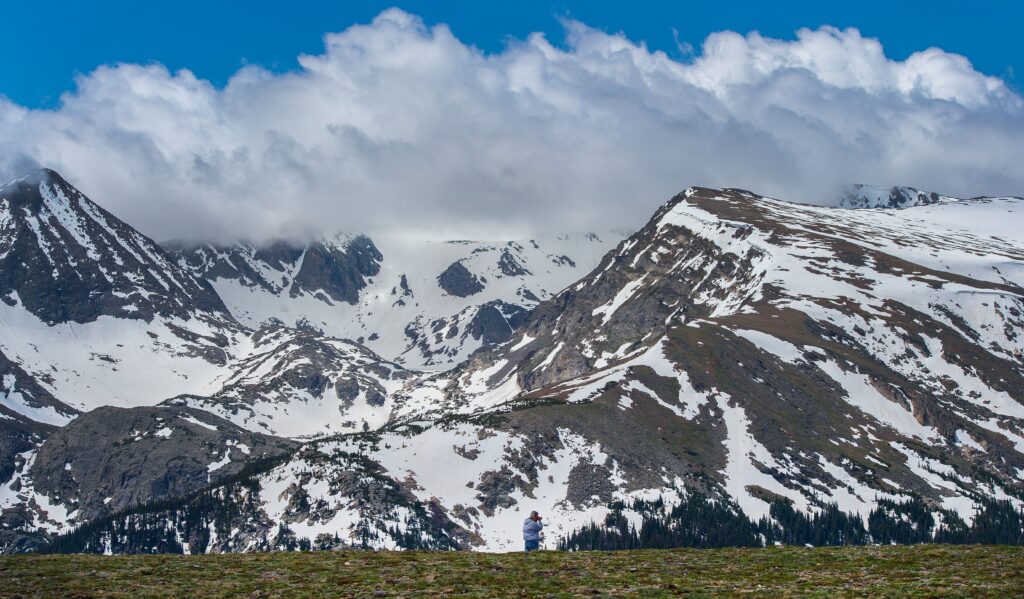
Trying to save money on your next visit to one of Colorado’s greatest natural treasures? Some dates on the 2026 calendar will help you do just that, starting Monday. Presidents Day is the first of the National Park Service’s free...
Seth Boster
Reporter
Colorado landscape plants, trees, need winter watering during warm, dry weather
Scott Weiser
scott-weiser@denvergazette.com
Updated 1 day ago
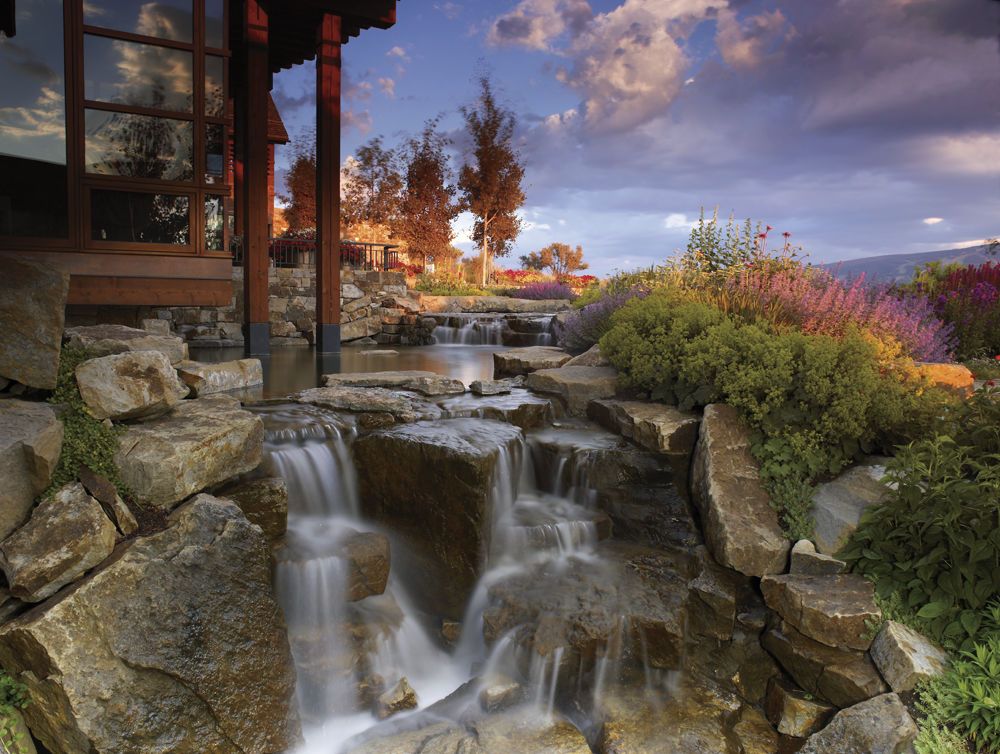
Dry, sunny, warm and windy winter conditions have left many Colorado landscape plants short of moisture, and Colorado State University Extension specialists recommend supplemental watering to prevent root damage and promote healthier spring growth. Evergreens, newly planted trees and shrubs,...

Scott Weiser
Reporter
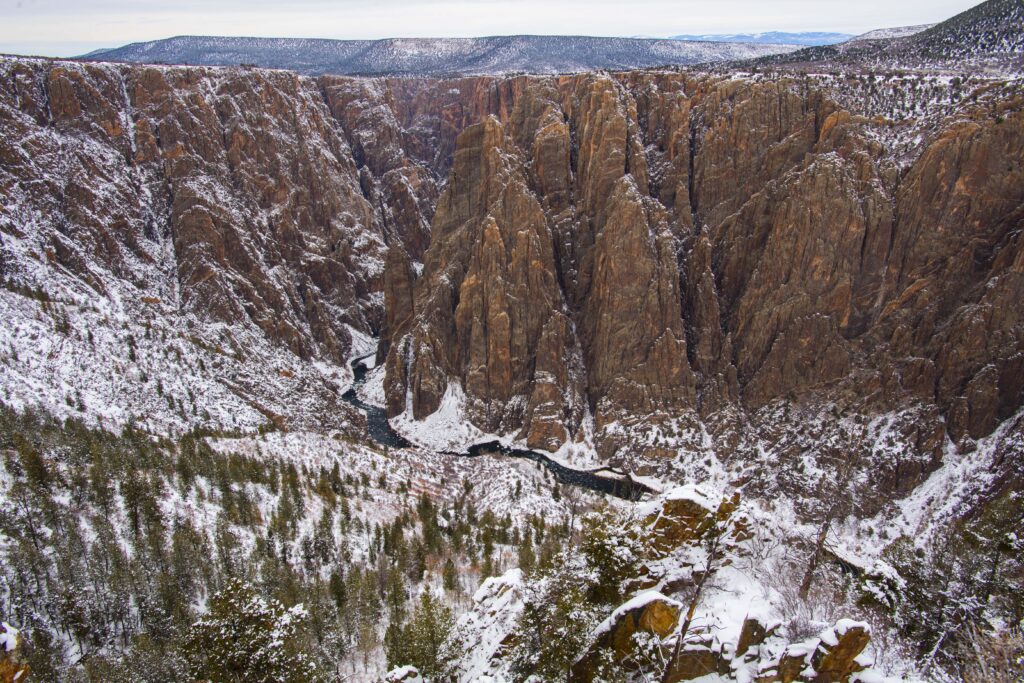
Ski trail returns to rim of famed canyon in western Colorado
Seth Boster
seth-boster@denvergazette.com
Updated 5 days ago
The chance to ski atop one of Colorado’s most picturesque canyons only comes around every so often. Now might be the time. Finally, amid a record dry spell, grooming has started along South Rim Road at Black Canyon of the...
Seth Boster
Reporter

Yes, indeed, Piggly Wiggly grocery stores once had a home in Colorado Springs
Linda Navarro
linda-navarro@denvergazette.com
Updated 1 week ago
Gazette readers have been wondering about stories passed down by family members about shopping at their neighborhood Piggly Wiggly stores “way back when” in Colorado Springs. True or not? Piggly Wiggly was, and still is, a familiar grocery name in...

Linda Navarro
Reporter

Longtime Colorado Springs entertainer brings new dueling pianos show, other events to historic hotel
Jennifer Mulson
jennifer-mulson@denvergazette.com
Updated 6 days ago
The lobby of The Antlers, A Wyndham Hotel is silent as a library, save for the booming sounds of the charismatic man nestled behind the grand piano. With nary a musical scale to warm up his fingers or vocal exercises...

Jennifer Mulson
Reporter
PREV
PREVIOUS

Permits proposed for popular Colorado wilderness
Facebook Twitter WhatsApp SMS Email Print Copy article link Save The U.S. Forest Service is proposing permits and fees for popular areas of an iconic wilderness area in Colorado. Under the proposal, the Four Pass loop, the 26-mile backpacking trail outside Aspen, would be one destination subject to limited $12 overnight reservations. Also between May […]
4 upcoming Colorado festivals: Boulder Taco Fest, Headless Chicken and more
Facebook Twitter WhatsApp SMS Email Print Copy article link Save Facebook Twitter WhatsApp SMS Email Print Copy article link Save Time to plan on hitting the road for some upcoming Colorado festivals. Mike the Headless Chicken Festival, Fruita, Aug. 27-28 Mike was planned as the main course for supper on Sept. 10, 1945, in Fruita, […]