







Grand Lake: Exhibit captures emotions of East Troublesome’s aftermath

People view photography from photojournalist Thomas Cooper at the “Troublesome Stories: Art & Artifacts From the East Troublesome Fire” exhibit in Grand Lake . 080821-dg-news-gl-exhibit 01
Photos by Chancey Bush, The Gazette
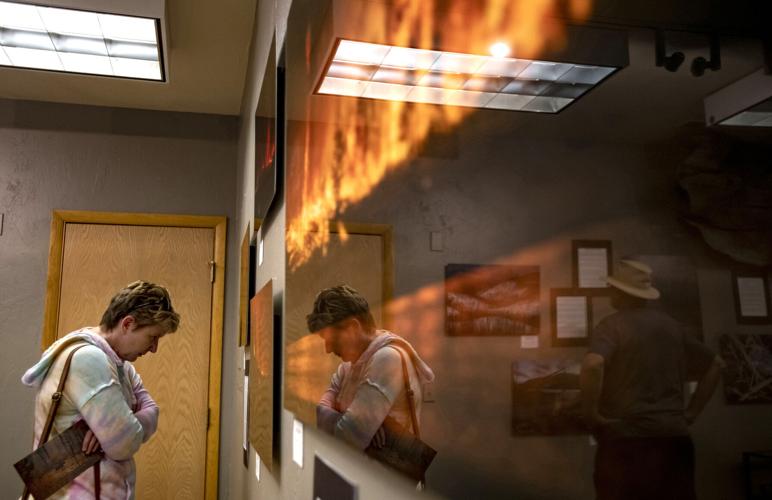
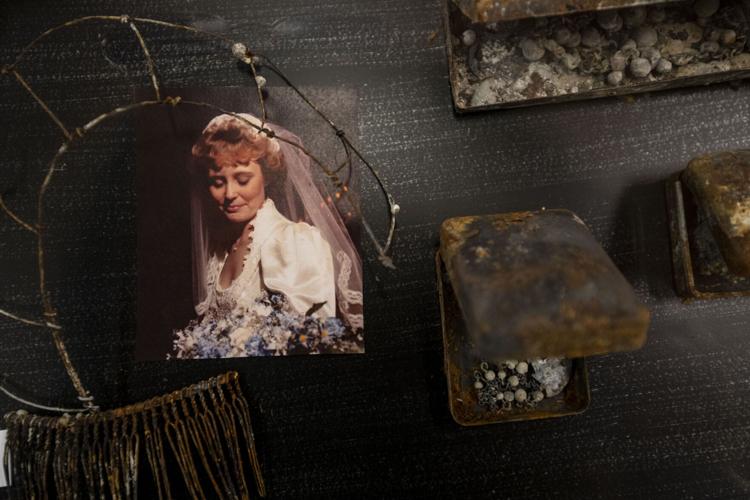
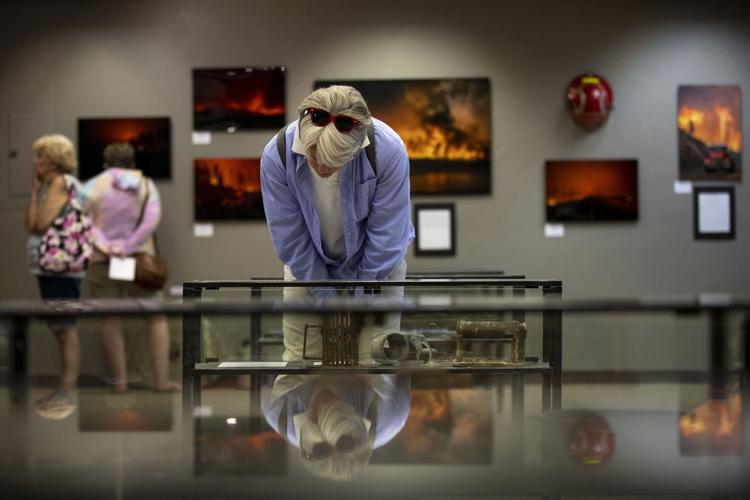
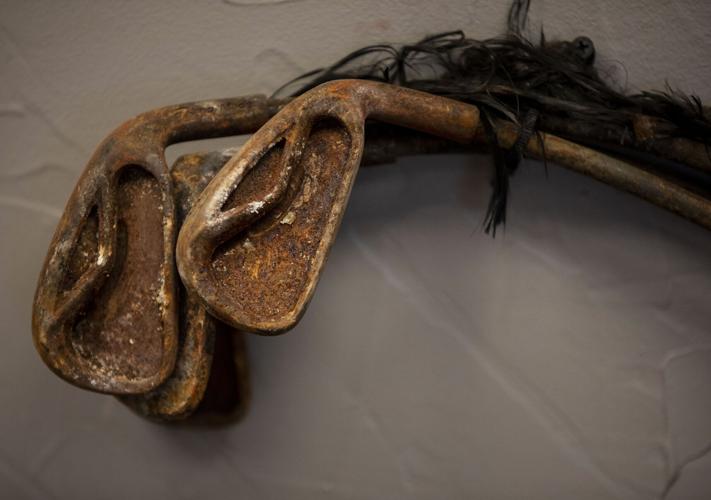
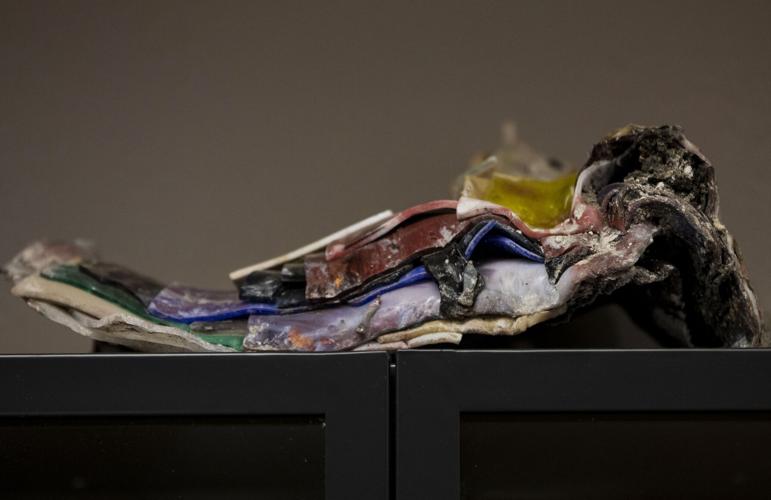
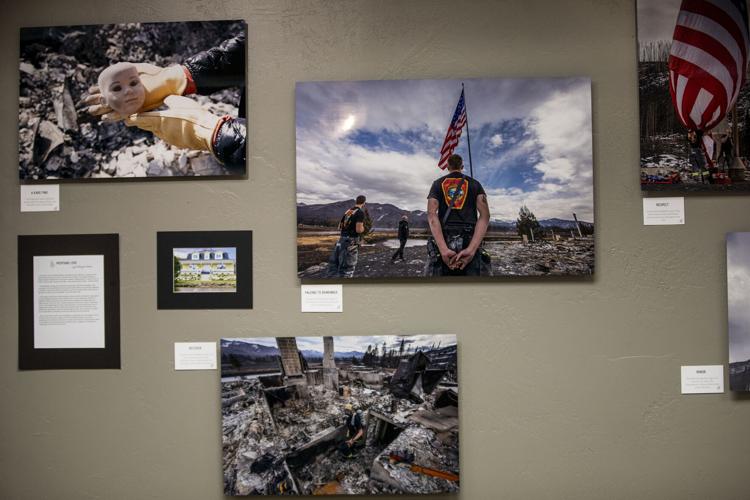
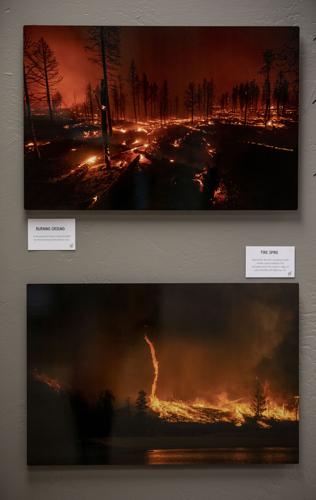
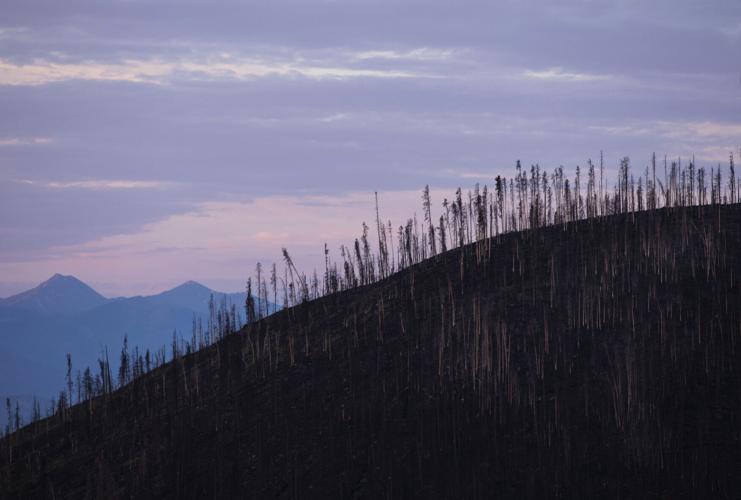
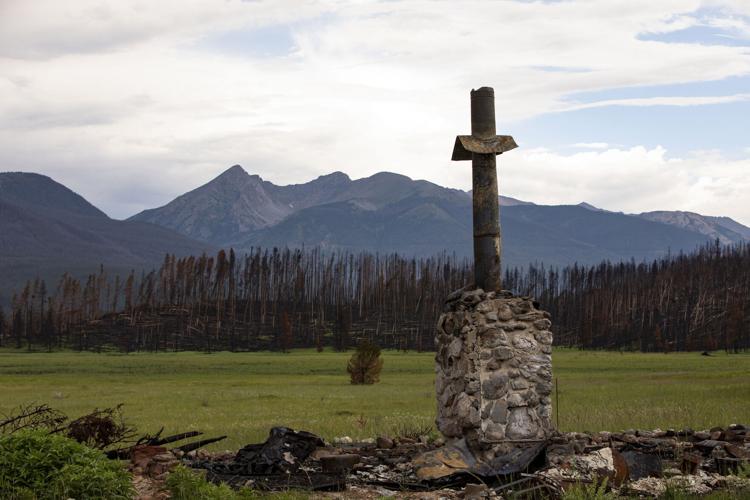
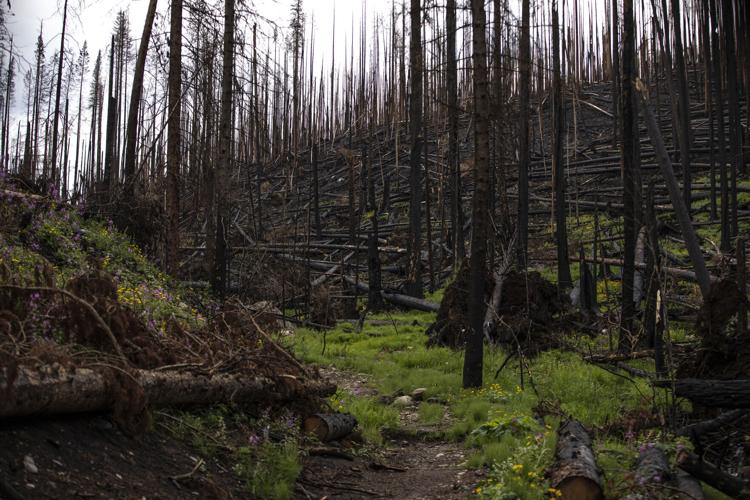
Charred golf clubs, a wedding veil and ring boxes stand on display inside the 1,400-square-foot Pitkin House in Grand Lake. Personal journals and firsthand accounts of the night of Oct. 21 hang on the walls with 48 images showing the destruction and chaos caused by the East Troublesome Fire.
The exhibit, “Troublesome Stories, Art and Artifacts from East Troublesome Fire” is a place of refuge for locals and poses answers to questions some community members of the small mountain town still cannot bear to think about.
Some people cry, others reflect on the devastation caused by the state’s second largest wildfire that left scars on the hillsides and in places much deeper, said Emily Hagen, curator of the exhibit and executive director of the Grand Lake Area Chamber of Commerce.
“We’ve had many tearful hugs, thank you’s, particularly from business owners who just can’t talk about the fire with every guest that has questions,” Hagen said. “I often say people won’t walk out of here feeling good, but they do walk out being changed, and that’s one of our goals here.”
The idea for the exhibit came after Hagen realized in November that community members needed a safe place. A place where visitors couldn’t ask them unbearable questions. A place where they can reflect on what happened.
“This project really came to fruition in my mind when I realized we needed a physical place for people to go to learn about how this fire has impacted us, is still impacting us, and to really give a visual to our resiliency,” Hagen said. “They can’t understand our regrowth until they see what we’re walking through.”
Hagen constructed the exhibit in partnership with a local business owner, Laura Kratz, who lost her home and contributed items to it, and Thomas Cooper, a Denver-based photojournalist and owner of LightBox images who covers wildfires across the United States.
The golf clubs, wedding veil and each charred item were donated voluntarily by locals who recovered them from their lots.
“I didn’t want anyone to feel compelled to participate in something that they weren’t ready for,” Hagen said.
But droves of community members were willing to have one or two possessions that survived the fire on display.
Cooper said he was contacted by Hagen after she stumbled upon his pictures of the fire and asked to partner together to not only educate but to help locals recover.
“It’s good for visitors to come and see this stuff, because it is really important. It’s a firsthand thing,” Cooper said. “People come here and don’t know what the devastation caused, they don’t see it when they pull up. They might see the ramp in the hills and the burn on the sides of the mountains, but they don’t know the traumatic effects and causes from the community standpoint.”
Since the exhibits opening in June, over 300 visitors a day have entered the Pitkin House and learned about the East Troublesome Fire’s devastation. Some, including Kim Abbas from Cedar Rapids, Iowa, felt compelled to see the exhibit after reading about the fires last year.
“It’s almost otherworldly,” Abbas said. “You really get the feeling of how out of control and how massive it was. Hard to put in words.”
Others like Victoria Temple of Denver who has a personal connection to Grand Lake said the exhibit was “very emotional.” She believes, like Cooper and Hagen, it’s important for visitors to understand the effects fires can have on communities.
“When you read about fire and you’re from out-of-state it’s purely an intellectual experience and you don’t really get it until you see something like this, and then you really get it,” Temple said.
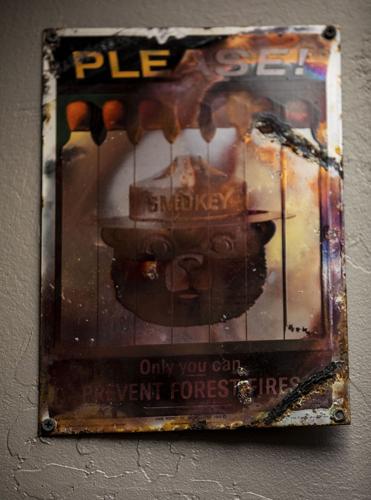
Even though visitors come to learn and some residents come to reflect, others can’t bear to walk through the door — like one of Hagen’s sons. Some, like Jodie and Donnie Kern, who lost their home of nearly two decades to the blaze volunteer at the exhibit and contributed multiple artifacts, including melted glass from windows that molded together and a “Smokey Bear” sign uncovered from the ruins of their home.
“It’s just so quiet and just so well done, and I think it tells a story that we individually, if you talk to all the people who experienced the fire wouldn’t be able to tell so eloquently,” Jodie Kern said. “It kind of puts the human face on it that you don’t see when you’re look at pictures on the news. These are people’s experiences and this is what happened.”
Although the exhibit is currently on display in Grand Lake, its curators hope it will eventually travel to other locales, including Denver.
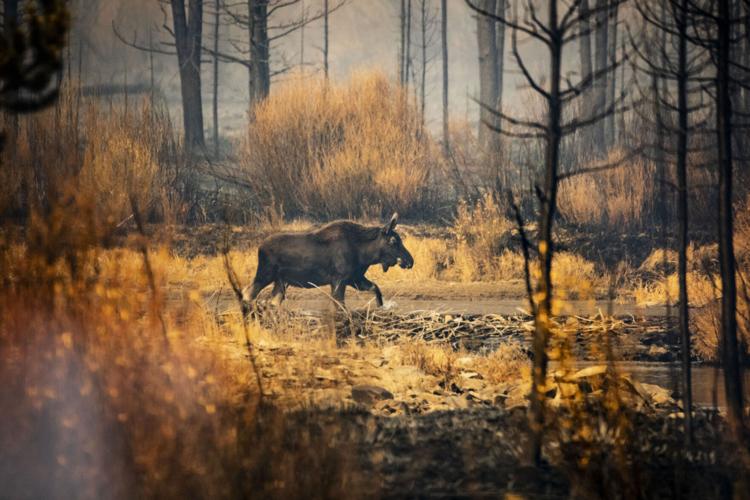
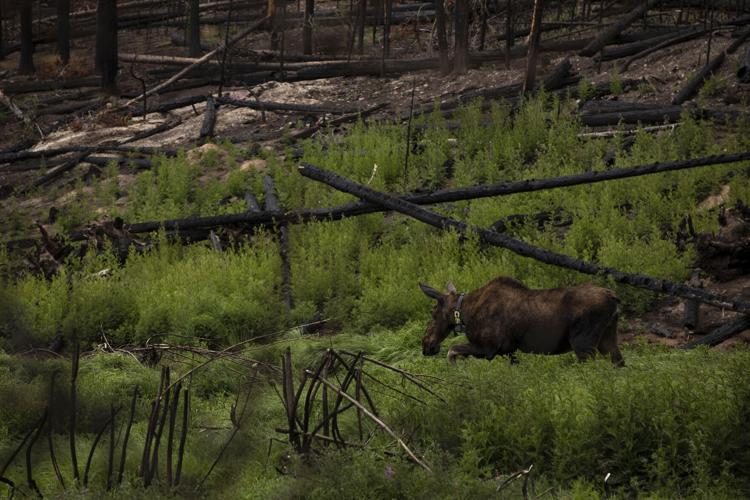
Of the 132 artifacts, 24 letters and 48 photographs in the exhibit, one in particular stands out to Hagen. A picture of a moose walking through a river, returning, it almost seems, to its burned home.
“It’s a symbol of hope for me,” Hagen said. “It’s a symbol of regrowth, it is nature reclaiming what’s hers.”