







2020 Census data report: White population shrinking; redistricting frenzy begins
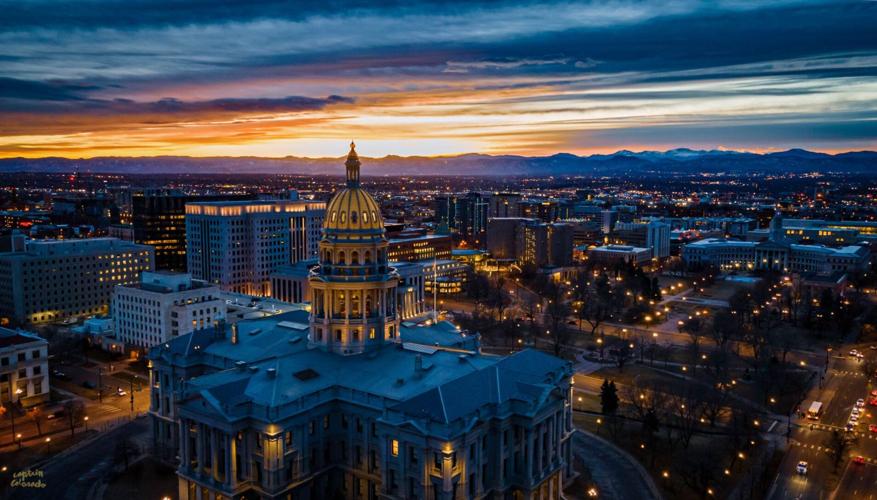
Sunset over the State Capitol
Jamie Rogers (via 9News)

The U.S. Census Bureau has released the official 2020 census data, providing a detailed snapshot of today’s United States population, and revealing how the nation has changed since the last full census 10 years ago.
The new data, which our reporters are currently analyzing, provide numbers of people and households, along with race and ethnicity data, down to small neighborhood units, giving the most granular look at the population in 10 years. It also provides data for the political reapportionment and redistricting that happens every 10 years, and give Congress an accurate count of the population to be used for congressional funding allocations.
Here are some highlights:
!function(){“use strict”;window.addEventListener(“message”,(function(e){if(void 0!==e.data[“datawrapper-height”]){var t=document.querySelectorAll(“iframe”);for(var a in e.data[“datawrapper-height”])for(var r=0;r<t.length;r++){if(t[r].contentWindow===e.source)t[r].style.height=e.data["datawrapper-height"][a]+"px"}}}))}();
– Click here for five takeaways from the census Bureau report.
– Population growth from 2010 to 2020 was 7.4%, marking the slowest growth since the 1930s. Read more here.
– Colorado grew faster than most states, with about 15% growth.
– Most of the state’s growth was concentrated in the urban Front Range corridor, with the three-quarters of the new Colorado residents moving into the area between El Paso County and the Wyoming border.
– Like the rest of the nation, Colorado became a more diverse state in the past ten years. The white portion of the state’s population dwindled from 72% to 69%, while minority communities increased their share of the population. Some of the biggest growth in non-white populations happened in already-diverse areas, that became even less white. One notable contrast is the faster than normal growth of the white population, which had the effect of making the city more white and less diverse.
– Redistricting season officially kicked off Thursday with the release of detailed population data from the U.S. Census Bureau that will be used to redraw voting districts nationwide — potentially helping determine control of the U.S. House in the 2022 elections and providing an electoral edge for the next decade. Read more here.
– The figures show continued migration to the South and Southwest and population losses in the Mississippi Delta and Appalachia. The numbers also indicate that the white population is aging and has fallen to its smallest share of the total population on record. Read more here.
Latino community advocates: Colorado redistricting plan needs big changes
Redistricting commission's tour of the state makes stop in Colorado Springs, but few show