







CU Boulder researchers on the path to developing universal vaccine
Courtesy of the University of Colorado Boulder
Researchers at the University of Colorado Boulder have developed a tool that could lead to the development of a universal vaccine.
Colorado reports most cases since late April, but state in better spot than elsewhere
The new tool is a first-of-its-kind and researchers say it could possibly prevent the spread of new viruses or mutations in COVID-19, and could potentially be effective against influenza, HIV and other deadly viruses across the world.
“We’ve developed a predictive tool that can tell you ahead of time which antibodies are going to be effective against circulating strains of virus,” said Timothy Whitehead, lead author and associate professor of chemical and biological engineering at the university. “But the implications for this technology are more profound: If you can predict what the variants will be in a given season, you could get vaccinated to match the sequence that will occur and short-circuit this seasonal variation.”
The secret weapon? Baker’s yeast.
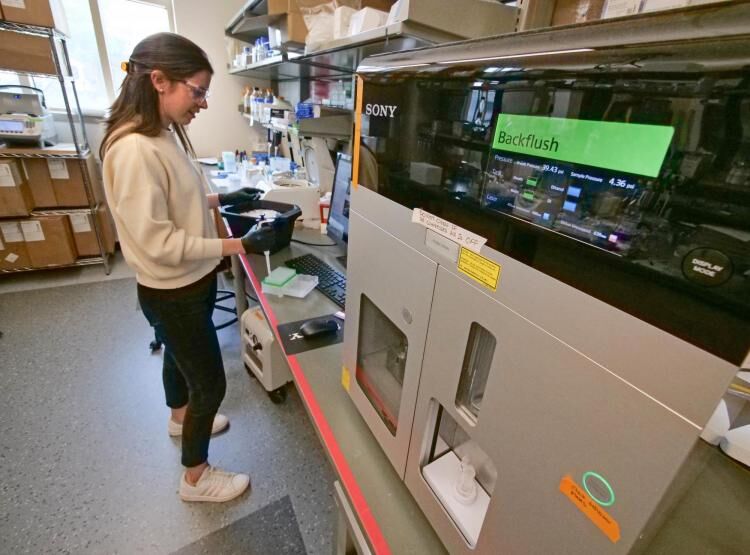
Irene Francino Urdaniz, co-author of the paper and a chemical and biological engineer graduate student, designed a genetically modified version of baker’s yeast that created the SARS-CoV-2 viral spike protein along its surface.
Spike proteins stick out from the surface of viruses in the coronavirus genome and when mutations occur, it causes antibodies to do a “double take.”
“There are mutations on the spike protein that prevent an antibody from going in and recognizing it,” Whitehead said. “Just like getting a new haircut, you look like a different person; this looks like a different virus to an antibody.”
Children's Hospital Colorado experiences 60% increase in ICU patients
Francino Urdaniz, also discovered how to sift through thousands of mutations and locate the ones that avoided the neutralizing antibodies. Her contributions have given researchers the opportunity to witness mutations materialize at the same speed at which yeast can grow — which is much faster than the rate a mutation emerges naturally.
“When a new variant was detected, based on my research, I could most of the time guess which mutations were present,” she said.
Through the team’s recordings and observations they could potentially create a road map that could lead to the creation of a more effective boosters, vaccines, and antibody treatments for patients with the most severe COVID-19 cases, Whitehead said.
State, hospitals studying pediatric hospital capacity as respiratory illness spikes
To date, the research team has identified several mutations currently spreading across the world and even identified some that have yet to circulate.
Whitehead and his research team will provide all of their information, methods and software to the public in hopes to accelerate therapeutic strategies against SARS-CoV-2. And potentially prevent other deadly diseases from spreading across the globe.
“You can (these methods) for mapping trajectories for influenza and for HIV potentially; for other viral diseases that are known, and also potentially emerging pandemic ones,” he said.
And to Francino Urdaniz, despite making these new discoveries, she’s thankful to be apart of something that could help people battle viruses for years to come.
“When the pandemic started, we saw the opportunity to apply techniques mastered by our lab to make a contribution,” she said. “I am very excited have contributed with my wok not only to this pandemic but possible to future vaccines.