







Nest of owls saved by construction worker in Gunnison released into wild
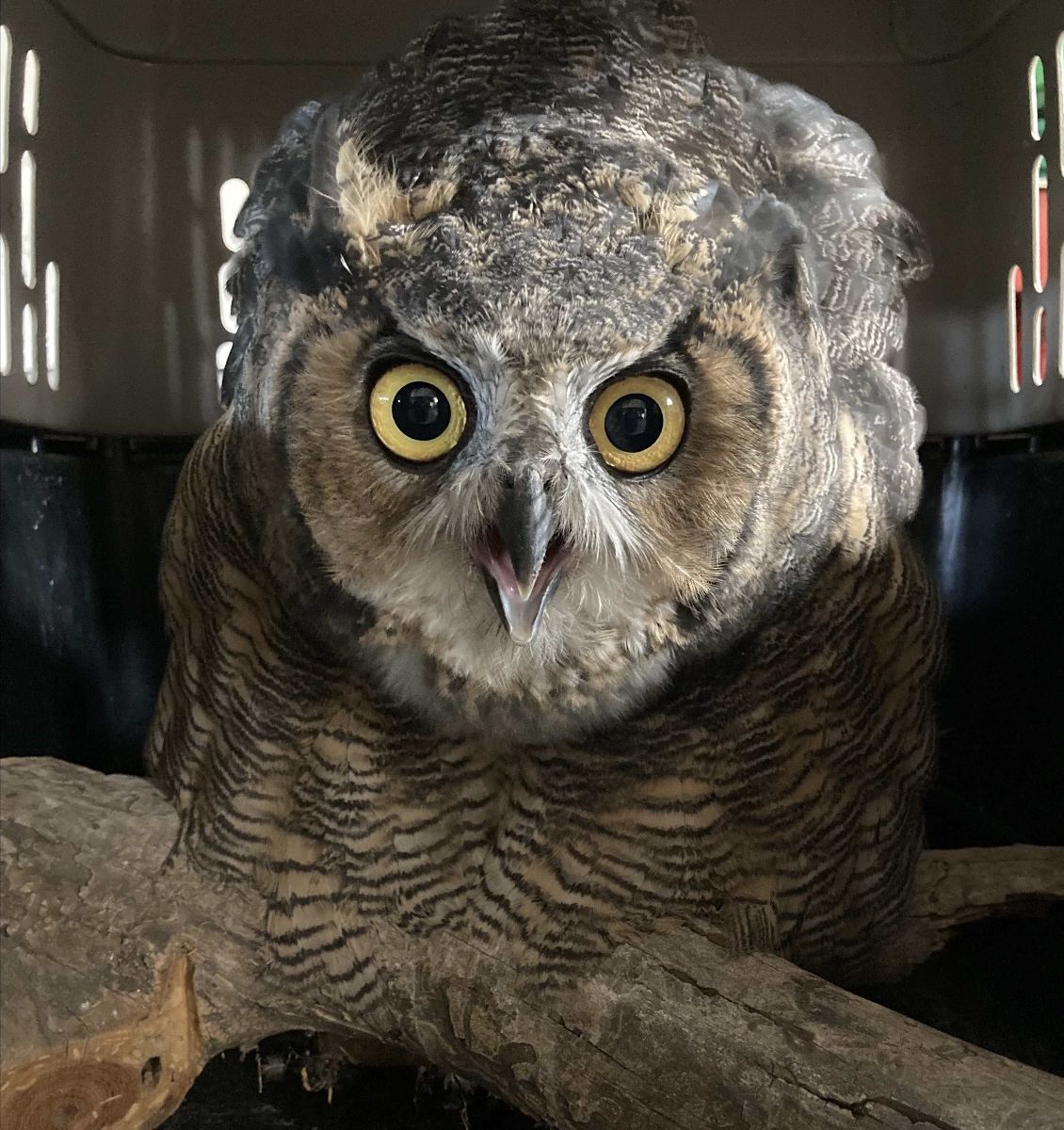
On the morning of April 13, Shawn Williams, a construction worker, was prepared to cut down several trees to clear the way for a new parking lot at the Wonder Nature School in Gunnison.
But as Williams pulled the cord for his chainsaw to start, he looked up and was met with the large eyes of an owl who then swooped past his head, Williams said.
“I saw these giant owl eyes. I thought, ‘Huh, that’s odd. Why did I just get buzzed by an owl?” Williams said. “I grabbed the chainsaw again and looked up to this small hole in the branches of the tree, and there was this little white head looking down at us. All of a sudden, I realized we shouldn’t drop that tree.”
Initially, construction crews were worried about possible delay for the project, but Williams, who describes himself as an experienced hunter and supporter of wildlife, knew great horned owls are protected by the Migratory Bird Treaty Act, and reached out to Colorado Parks and Wildlife.
“There was no way we were cutting that tree down and killing those babies,” Williams said. “I had to call CPW and see what we could do … The real heroes are the wildlife managers who came out.”
District Wildlife managers Clayton BonDurant and Chris Parmeters were dispatched to the tree along with property technicans Jermiah Rummel and Brooke Vasquez.
According to Colorado Parks and Wildlife, BonDurant and Rummel climbed about 35 to 40 feet to lure the owlets out of the nest and into their care.
The department took care of the owlets until Aug. 18, when they were released to the wild at Gunnison State Wildlife Area, officials said.
“We knew we had to act fast,” BonDurant said. “There was this construction project going on and another one across the street looming in the future. We thought even if they waited to take down this tree, there was a chance the mom might abandon the nest before the owlets could fledge with all the work going on around that tree.”
Officials said owls typically do not build their nests and instead use other nests built by other birds. Sometimes it’s possible to relocate the nest of a great horned owl and the mother will follow, but due to the work in the area that wasn’t possible.
After retrieving the owlets, BonDurant sent them to the Frisco Creek Wildlife Rehabilitation Center in Del Norte. The center takes anywhere between 40 and 50 reports per year and has a more than a 90% success rate at returning orphaned birds to the wild, according to Colorado Parks and Wildlife.
When they arrived the facility, manager Michael Sirochman began focusing on feeding as he waited for the owls to grow large enough to start flying, he said.
“When you get siblings and they are that young, you’re providing them with the nutrition mom would have along with shelter,” Sirochman said.
At first, the owls were fed chopped up mice from a bowl, but as they grew older they began eating whole mice.
Living conditions were also similar to the feeding program as they were originally in a small cage, but as they were about to fledge they were moved into a larger aviary that is roughly 50-feet long, officials said.
From here the owls have to learn how to hunt, which is traditionally learned by watching their mother. However, inside the facility they learned to rely on just instincts.
Sirochman placed a 20-foot-long, 10-foot wide containment area where live prey could be found and taught the owls how to hunt.
“It’s kind of like a cat — they see a mouse and they chase it,” Sirochman said. “We have to make sure birds can catch mice before they leave here, and they get that reward of having nice, fresh food.”
Once the owls learned that mice were food and they could successfully hunt them and once they reached an appropriate size, they were released.
When the three siblings first arrived to the facility, one of them was smaller than the rest, but by the time they were released on Aug. 18, it was just as strong and the same size as its siblings.
“When you get them out of the cage for the last time, put them in a kennel and know they are returning to a normal life in the wild, it’s a rewarding feeling,” Sirochman said.
Great horned owls tend to live between 13 and 15 years in the wild, but are known to live well into their 20s. BonDurant said this was a picture perfect tale for the owls.
“This was really the best possible outcome for the birds and everyone involved,” BonDurant said. “To get them down from that tree, over the rehab center to get growing and then to have them all take off and successfully fly away, it’s really good to see how it all happened.”
Nest of owls saved by construction worker in Gunnison released into wild

On the morning of April 13, Shawn Williams, a construction worker, was prepared to cut down several trees to clear the way for a new parking lot at the Wonder Nature School in Gunnison.
But as Williams pulled the cord for his chainsaw to start, he looked up and was met with the large eyes of an owl who then swooped past his head, Williams said.
“I saw these giant owl eyes. I thought, ‘Huh, that’s odd. Why did I just get buzzed by an owl?” Williams said. “I grabbed the chainsaw again and looked up to this small hole in the branches of the tree, and there was this little white head looking down at us. All of a sudden, I realized we shouldn’t drop that tree.”
Initially, construction crews were worried about possible delay for the project, but Williams, who describes himself as an experienced hunter and supporter of wildlife, knew great horned owls are protected by the Migratory Bird Treaty Act, and reached out to Colorado Parks and Wildlife.
“There was no way we were cutting that tree down and killing those babies,” Williams said. “I had to call CPW and see what we could do … The real heroes are the wildlife managers who came out.”
District Wildlife managers Clayton BonDurant and Chris Parmeters were dispatched to the tree along with property technicans Jermiah Rummel and Brooke Vasquez.
According to Colorado Parks and Wildlife, BonDurant and Rummel climbed about 35 to 40 feet to lure the owlets out of the nest and into their care.
The department took care of the owlets until Aug. 18, when they were released to the wild at Gunnison State Wildlife Area, officials said.
“We knew we had to act fast,” BonDurant said. “There was this construction project going on and another one across the street looming in the future. We thought even if they waited to take down this tree, there was a chance the mom might abandon the nest before the owlets could fledge with all the work going on around that tree.”
Officials said owls typically do not build their nests and instead use other nests built by other birds. Sometimes it’s possible to relocate the nest of a great horned owl and the mother will follow, but due to the work in the area that wasn’t possible.
After retrieving the owlets, BonDurant sent them to the Frisco Creek Wildlife Rehabilitation Center in Del Norte. The center takes anywhere between 40 and 50 reports per year and has a more than a 90% success rate at returning orphaned birds to the wild, according to Colorado Parks and Wildlife.
When they arrived the facility, manager Michael Sirochman began focusing on feeding as he waited for the owls to grow large enough to start flying, he said.
“When you get siblings and they are that young, you’re providing them with the nutrition mom would have along with shelter,” Sirochman said.
At first, the owls were fed chopped up mice from a bowl, but as they grew older they began eating whole mice.
Living conditions were also similar to the feeding program as they were originally in a small cage, but as they were about to fledge they were moved into a larger aviary that is roughly 50-feet long, officials said.
From here the owls have to learn how to hunt, which is traditionally learned by watching their mother. However, inside the facility they learned to rely on just instincts.
Sirochman placed a 20-foot-long, 10-foot wide containment area where live prey could be found and taught the owls how to hunt.
“It’s kind of like a cat — they see a mouse and they chase it,” Sirochman said. “We have to make sure birds can catch mice before they leave here, and they get that reward of having nice, fresh food.”
Once the owls learned that mice were food and they could successfully hunt them and once they reached an appropriate size, they were released.
When the three siblings first arrived to the facility, one of them was smaller than the rest, but by the time they were released on Aug. 18, it was just as strong and the same size as its siblings.
“When you get them out of the cage for the last time, put them in a kennel and know they are returning to a normal life in the wild, it’s a rewarding feeling,” Sirochman said.
Great horned owls tend to live between 13 and 15 years in the wild, but are known to live well into their 20s. BonDurant said this was a picture perfect tale for the owls.
“This was really the best possible outcome for the birds and everyone involved,” BonDurant said. “To get them down from that tree, over the rehab center to get growing and then to have them all take off and successfully fly away, it’s really good to see how it all happened.”