




City in ‘world’s largest alpine valley’ reports driest August on record in Colorado
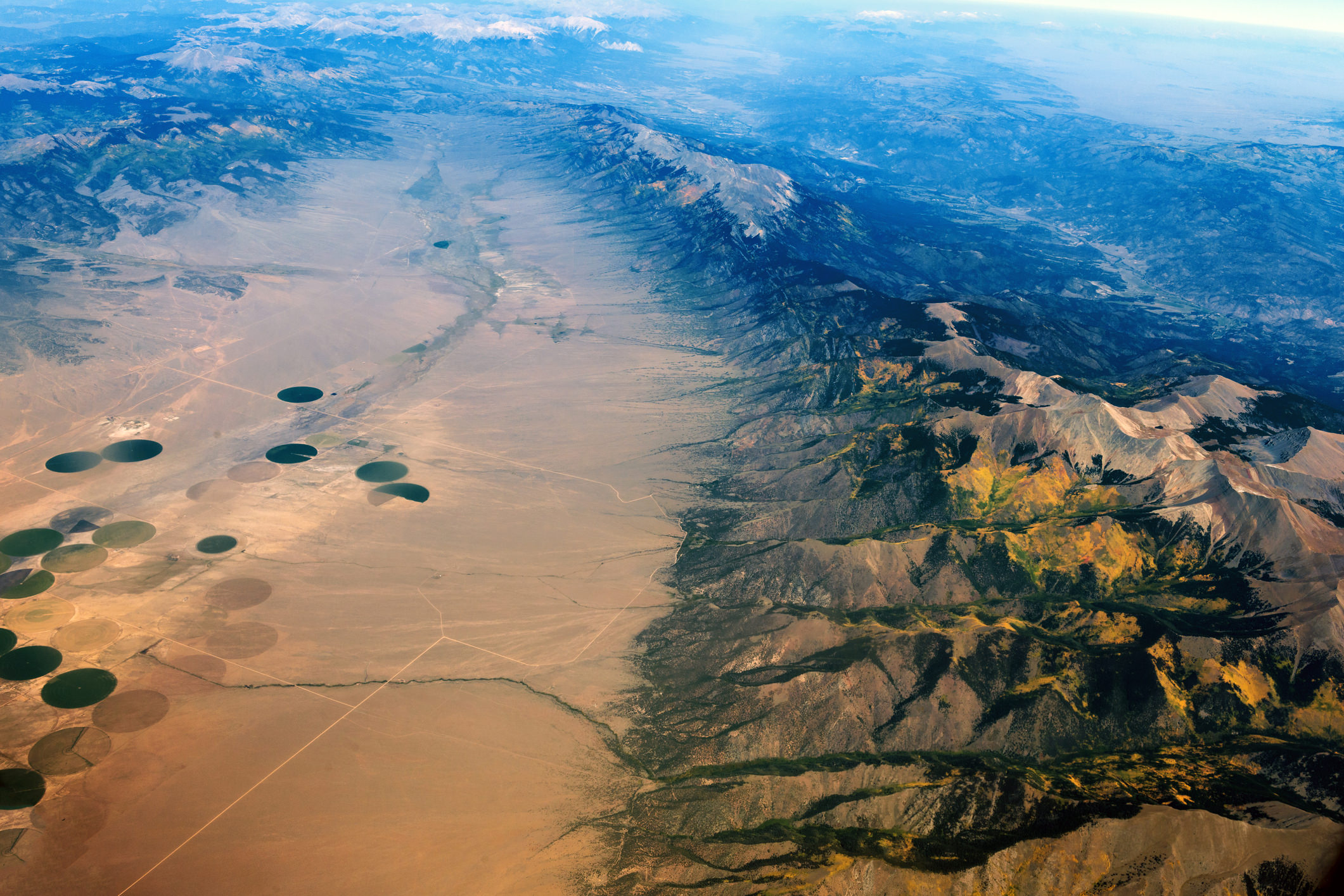
With a depositional basin of approximately 8,000 square miles, Colorado’s San Luis Valley is widely considered the largest alpine valley in the world. It’s roughly the size of Connecticut at 122 miles long and 74 miles wide with an average elevation of 7,664 feet. And this year, August in the valley was quite dry.
According to the National Weather Service out of Pueblo, August in Alamosa was the driest August for the city on record. Throughout the month, just 0.10 inches of precipitation fell, 1.19 inches below the norm. It’s also worth noting that it was the 6th warmest August on record in Alamosa, with an average temperature of 64.7 degrees – 1.5 degrees higher than the norm.
Despite the recent dryness, drought is not a concern in the valley as of August 24, according to the US Drought Monitor, despite the area experiencing drought conditions for several months earlier in the year. While more than 50 percent of Colorado is experiencing abnormal dryness or drought, this region is not included.
RELATED: The world’s largest alpine valley lies in Colorado
Other major cities monitored by the same weather station also reported interesting data in regard to August’s weather.
Colorado Springs saw the second-warmest August on record, with an average temperature of 74 degrees (3.9 degrees above the norm and 0.10 degrees behind the warmest August on record), as well as the fourth-driest August on record, recording just 0.20 inches of precipitation – a whopping 2.76 inches below the norm.
Meanwhile, Pueblo recorded the 15th warmest August on record, with an average temperature of 76.4 degrees, which is 1.6 degrees above the norm. This is significantly below the warmest August ever in Pueblo – in 1970, when the average temperature was 79.8 degrees.
STAY INFORMED: Sign-up for the daily OutThere Colorado newsletter here
Get OutThere
Signup today for free and be the first to get notified on new updates.
PREV
PREVIOUS
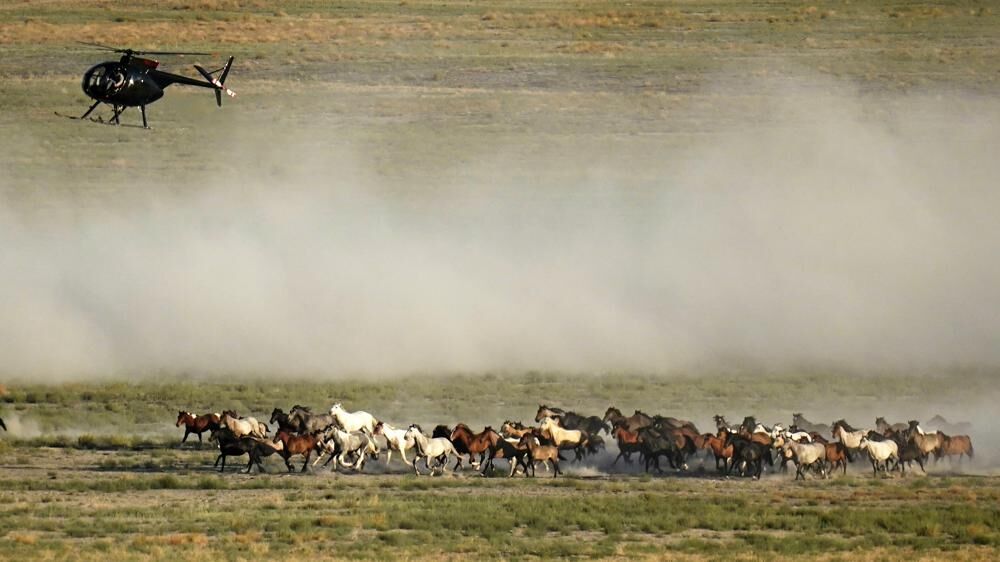
Controversial wild horse capture in Colorado to proceed despite slaughter concerns
DENVER (AP) — The federal government is launching an emergency roundup of more than 780 wild horses in a drought-stricken area of Colorado despite a last-minute appeal by Gov. Jared Polis to pause the operation so that what he called more humane options to control the size of the herd can be considered. The Democratic […]
[VIDEO] Elk calf attempts to escape wolf and grizzly in wild Canadian chase
Video footage captured a young elk being chased down by not one, but two wild apex predators in the Canadian Rockies. WARNING (violence/language): The embedded video shows an intense chase between three wild animals. It also includes explicit language. Viewer discretion is advised. The video first starts off with an elk calf screaming out in distress and escaping […]