Cultural organizations facing a ticking clock
I started this column intending to use this space to remind readers that, despite some hopeful evidence to the contrary, the economic devastation of the pandemic shutdown to our creative community is not over. Not by a long shot.
After a year of calamitous data quantifying just how bad this has all been on arts organizations that live or die (or go dormant) … on their ability to stage indoor performances, the news cycle has been surprisingly chipper of late. Organizations large and small from the Denver Center for the Performing Arts to the Colorado Symphony to little Buntport Theater have announced definitive, COVID-savvy plans for reopening that will bring (primarily vaccinated) audiences back indoors this fall, Delta be damned.
And you might think amid this ongoing stream of good news that once you get a concert venue or a dance company or a theater up and running again, it’s all better.
It’s not all better. You don’t just close up shop for 18 months and pick up from where you left off. Not when, if you’re the Denver Center, you lost out on $84 million in unrealized revenue and had to fire or furlough more than 250 people who are only now just starting to see income again.
A quick reminder of that calamitous data: Metro Denver’s creative industries lost about 30,000 jobs and $1.4 billion in sales revenue – and that was just between April and July of 2020. And the crisis, of course, didn’t end in July of 2020. When all is said and done and calculated, those numbers are going to be astronomical.
“For individual artists and our arts organizations, the crisis isn’t over yet,” said Denver Arts & Venues Executive Director Ginger White Brunetti. “Nationally, at the height of the pandemic, 63 percent of all creative workers were entirely unemployed, and today that number is still three times the national average. In all, 95 percent of creative workers lost income because of the pandemic.”
And despite yeoman relief efforts at the governmental, foundation, corporate and donor levels, it’s a given that every performing-arts organization is coming out of the pandemic in severe financial distress.
“I just don’t know of any other industry that can be closed for 18 months and expect to come back,” said White Brunetti.
Perfect timing, then, for a second round of federal relief. Another $1 million from the Denver CARES Artist Restart and Recovery Fund will soon provide $850,000 to local small- or mid-sized creative businesses, organizations and venues. And $150,000 to Denver-based individual artists. The deadline to apply is coming up on Sept. 20 at artsandvenuesdenver.com.
This brings to $2.4 million the total Arts & Venues has distributed to the local arts community since the onset of the pandemic (some out of its own budget), including the two $1 million rounds of CARES funding.
“We are fortunate that the city has continued to see the need to support our creative community,” said White Brunetti, whose department not only runs major venues like Red Rocks, it lobbies for relief dollars so that it can redistribute them. “We sought this additional $1 million to target support for Denver-based artists and Denver-based non-profit organizations and creative businesses with an eye toward reopening, recovering and regaining their financial footing.”
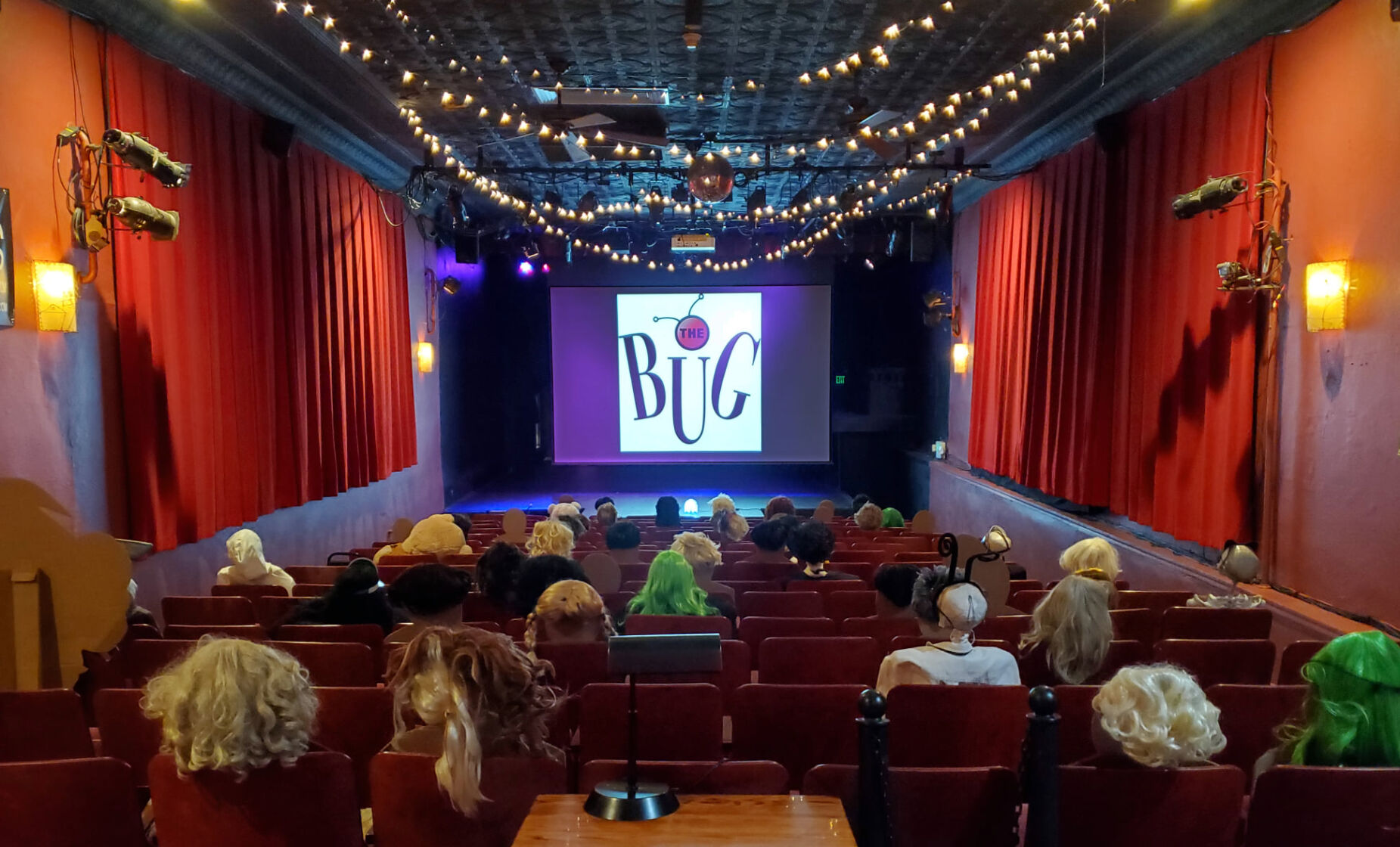
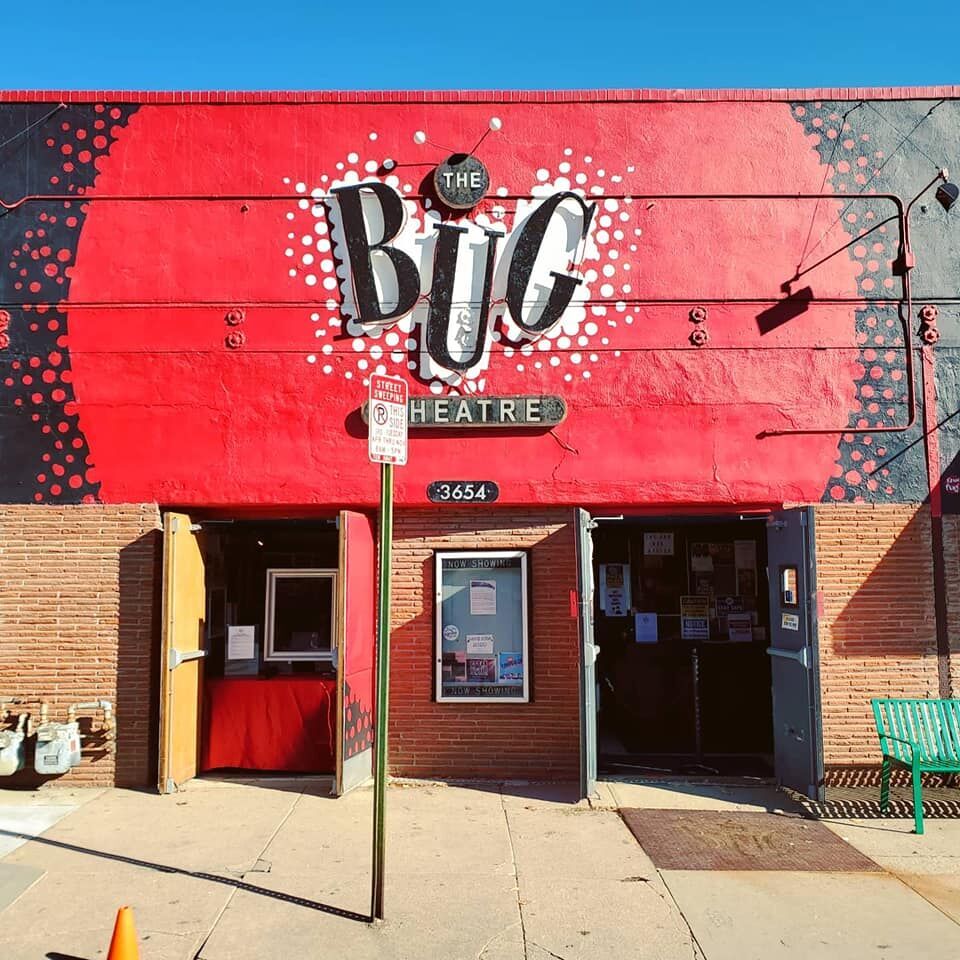
The first round of relief came at a time when Denver was permanently losing cherished entertainment venues including El Chapultepec, Three Kings Tavern, Live @ Jack’s and Le Cour (plus dozens more bars and restaurants that hosted live music). The first $1 million helped sustain more than 30 arts organizations and venues ranging from the Su Teatro Cultural and Performing Arts Center to The Bug Theatre to the Denver Turnverein Dance Center to Rhinoceropolis to Ophelia’s Electric Soapbox to Swallow Hill Music to the Sie FilmCenter to Levitt Pavilion to the Oriental Theater to the Mercury Cafe to Cleo Parker Robinson to RISE Comedy to Cervantes’ Masterpiece Ballroom to the Hi-Dive and Lost Lake.
So, I intended to write all of that (and I guess I just did), but, along the way, I got distracted by this: At least two additional businesses that received relief funds aren’t included on that representative list above because, after speaking to management, I agreed to leave their names out of it. Why? Because, they told me, when the list of grantees was first announced, they were subjected to hate and harassment. One says from members of the public who were unhappy about the handouts. The other from venues and peers whose applications were not approved.
“This grant has helped us pay our staff and maintain accounts that would have lapsed otherwise, and our gratitude is immeasurable,” one manager said. “But we have some hesitation about saying so publicly.”
So, in these incredibly stressful, polarizing times, it has come to this: In this rare example of partnership and collaboration among multiple levels of public and private interests to respond to a crisis, some venue owners would prefer anonymity for taking help and coming out of this alive – so far.
Which immediately recalled another big news story of the week: Jefferson County’s public-health department parked its three mobile COVID vaccination clinics after staff members were harassed and threatened by passersby while providing drive-by inoculations, according to the agency’s executive director. One man pulled up as if to request a shot and instead tossed a liquid out of his window onto the health-care worker and drove away. That liquid was water, but it was as if to say – it could have been something far more dangerous.
Makes about as much sense as someone feeling proactive anger over tax dollars helping to preserve a wide swath of our city’s cultural lifeblood.
“It seems everyone,” that CARES recipient added, “has had their center cores discombobulated. I get it, and have no hard feelings. But the ‘survivor guilt’ is real.”
And as COVID numbers keep rising, there is the ever-growing prospect that Delta will take firmer hold and waylay some of our cultural institutions’ desperately needed reopening plans. But if these organizations don’t get up and running, and soon, White Brunetti said, the problem will become much greater than one of mere money.
“I think some of those larger institutions really would suffer long-term negative effects,” she said. “I think the challenge at some point becomes one of lost momentum. Does it become ‘out of sight, out of mind?’ Will we have a change of consumer behavior on our hands where people are now spending their discretionary time and income watching Netflix instead of going to live theater?
“There’s a lot at stake here.”
Denver Gazette contributing arts columnist John Moore is an award-winning journalist who was named one of the 10 most influential theater critics by American Theatre Magazine. He is now producing independent journalism as part of his own company, Moore Media.