




Driver shortage forced Mountain Metro service cuts, no timeline for restoration set
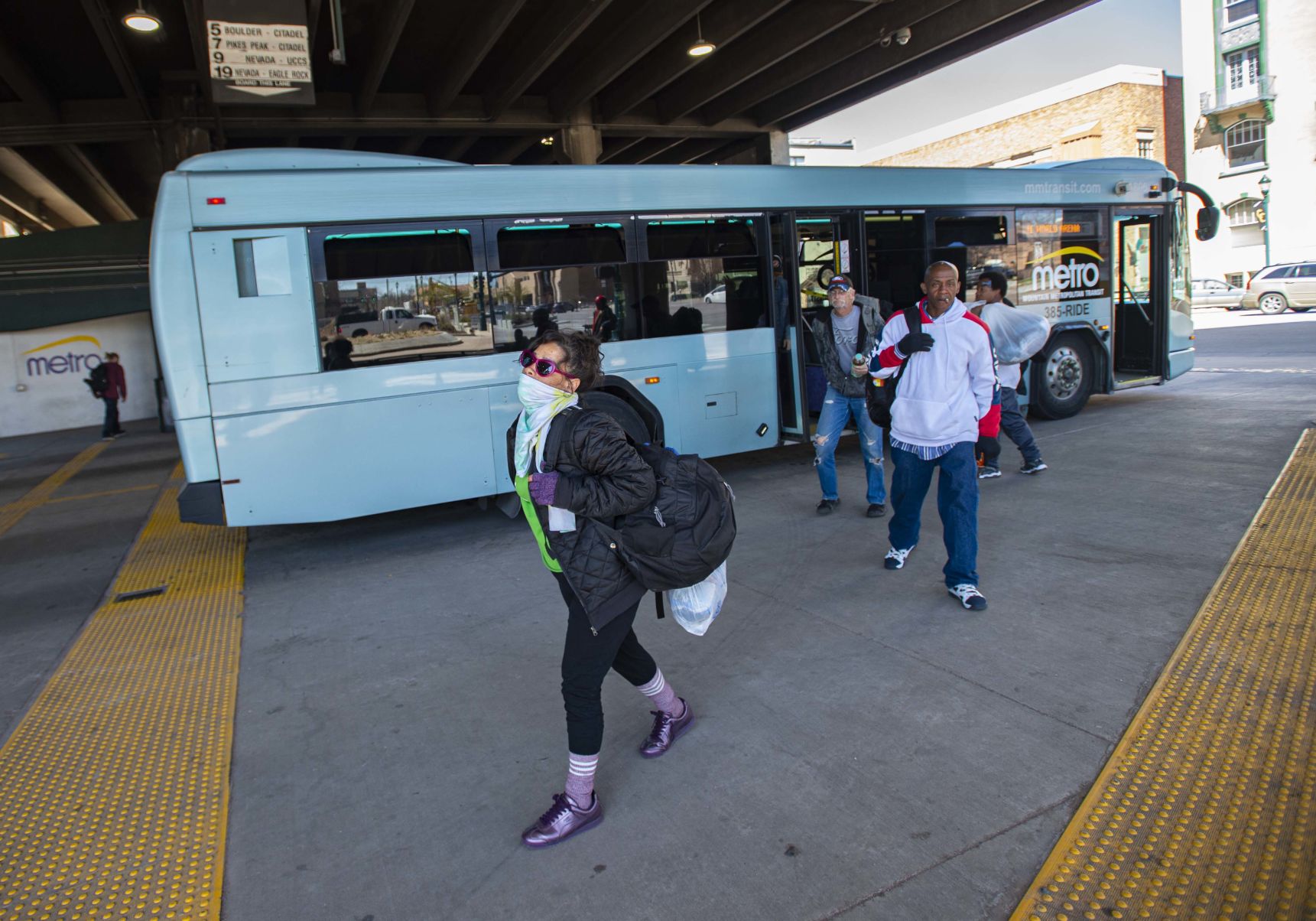
After running reduced bus service for nearly a month, Mountain Metro Transit has no timeline for when service could be restored because of an ongoing driver shortage.
“It’s heartbreaking to our staff at Mountain Metro to not be able to deliver the service that we have the funding for,” said Craig Blewitt, transit services manager for Mountain Metropolitan Transit.
The agency started seeing the labor shortage problems that are impacting many economic sectors nationally in the spring and summer of this year and cut weekday bus service down to a level close to what it normally provides on Saturdays in the middle of September to help provide predictability for riders, Blewitt said. As part of the reductions, Mountain Metro is no longer running routes 14, 15, 16, 17, 18, 35 and 38.
The agency is currently about 25 drivers short of the 130 it needs and expects to restore service as drivers come on, although it does not have a specific goal time for having service fully restored, Blewitt said.
Mountain Metro’s contractor RATP Dev, who provides drivers, has implemented steps to address the problem including increasing pay for trainees from $15.50 an hour to $17.50 an hour and hiring a recruiter specifically for Colorado Springs, he said. Recruits do not need to have a commercial driver’s license, although if they have one it can shorten the training time from six weeks to a month, he said.
The contractor has also increased marketing efforts generally and has been contacting 200 potential recruits every week, said Jacob Matsen, mobility supervisor for Mountain Metro.
The RATP Dev has not identified a single reason contributing to the problem aside from the overall labor shortage, Blewitt said.
If Mountain Metro needs to increase the amount it pays to its contractor to cover labor costs, it could use coronavirus federal relief funding to cover those costs, he said.
Average daily ridership on Mountain Metro was about 6,340 in September, down slightly for the same month last year and considerably lower than pre-pandemic levels, mostly due to route cuts, he said.
However, the agency expanded its new service to the Colorado Springs Airport and the new Amazon distribution center launched in June despite the cuts. The agency reassigned drivers from a summer route serving downtown Manitou Springs to the airport route, he said.
Mountain Metro also does not expect the driver shortage will impact the launch of the new free downtown shuttle service expected to start in May, Blewitt said.
The city’s paratransit for those with disabilities has not been impacted by the driver shortage.
Get OutThere
Signup today for free and be the first to get notified on new updates.
PREV
PREVIOUS
Ethics report on Clifford Brown of Custer County

Colorado Parks and Wildlife officials ask residents to remove attractants to reduce potential bear conflicts
Colorado Parks and Wildlife officials are asking residents to remove bear attractants to reduce potential conflicts and interactions as more bears enter hyperplasia. Bear relocated out of University Park neighborhood Hyperplasia is a period where bears prepare for hibernation by hunting for food for up to 20 hours per day. In turn, they digest more […]