




Early forecast for powder in Colorado a ‘toss-up’ to trusted meteorologist

Ask Joel Gratz for Colorado skiing advice approaching a La Niña winter, and he might suggest looking abroad.
“Maybe a trip to the north and northwest should be floating around,” he says.
That’s because the sport’s go-to, Boulder-based meteorologist behind OpenSnow.com feels better about that region’s powder chances in La Niña seasons.
These are seasons defined by cooler-than-average temperatures along the central Pacific Ocean. Storms tracking over La Niña waters historically mean more snow for the northern Rockies in Washington, Idaho, Montana and Wyoming.
“Beyond that, it gets a lot murkier,” Gratz says.
That’s for Colorado’s location on the map — “not too far north, not too far south,” Gratz says. And that’s for any number of variables that are the very essence of weather, such as wind and temperatures that can’t possibly be predicted months in advance.
“A lot of things control where storms track; it’s not just La Niña or El Niño,” Gratz says. “The only reason we talk about La Niña and El Niño is because it’s one of the only things that controls storm tracks that gives us some amount of predictability months out.”
According to Gratz’s models, last season’s La Niña brought lower-than-average snow totals across most of Colorado’s ski destinations for most of the winter.
“We spent most of the season roughly 80% of average,” Gratz says. “Fair is what I would call it.”
From his database, he pulls up a “weak” La Niña season in 2016-’17 and reflects on it as “a good season for most places.” A similar type of La Niña accompanied ’17-’18, he says. That was “not a very good season for most places.” He notes the “moderate” La Niña of ’11-’12 as “not good.”
Analyze La Niña and El Niño all you want. In the end, “it’s really just a toss-up,” Gratz says.


Get OutThere
Signup today for free and be the first to get notified on new updates.
Early forecast for powder in Colorado a ‘toss-up’ to trusted meteorologist
Ask Joel Gratz for Colorado skiing advice approaching a La Niña winter, and he might suggest looking abroad.
“Maybe a trip to the north and northwest should be floating around,” he says.
That’s because the sport’s go-to, Boulder-based meteorologist behind OpenSnow.com feels better about that region’s powder chances in La Niña seasons.
These are seasons defined by cooler-than-average temperatures along the central Pacific Ocean. Storms tracking over La Niña waters historically mean more snow for the northern Rockies in Washington, Idaho, Montana and Wyoming.
“Beyond that, it gets a lot murkier,” Gratz says.
That’s for Colorado’s location on the map — “not too far north, not too far south,” Gratz says. And that’s for any number of variables that are the very essence of weather, such as wind and temperatures that can’t possibly be predicted months in advance.
“A lot of things control where storms track; it’s not just La Niña or El Niño,” Gratz says. “The only reason we talk about La Niña and El Niño is because it’s one of the only things that controls storm tracks that gives us some amount of predictability months out.”
According to Gratz’s models, last season’s La Niña brought lower-than-average snow totals across most of Colorado’s ski destinations for most of the winter.
“We spent most of the season roughly 80% of average,” Gratz says. “Fair is what I would call it.”
From his database, he pulls up a “weak” La Niña season in 2016-’17 and reflects on it as “a good season for most places.” A similar type of La Niña accompanied ’17-’18, he says. That was “not a very good season for most places.” He notes the “moderate” La Niña of ’11-’12 as “not good.”
Analyze La Niña and El Niño all you want. In the end, “it’s really just a toss-up,” Gratz says.
Get OutThere
Signup today for free and be the first to get notified on new updates.
PREV
PREVIOUS

Hellish adventure: Meet Satan's Minions of Boulder
BOULDER • In the early morning darkness of the woods, Satan’s Minions are afoot. They are more than a dozen men and women this day, moving swiftly to their destination: a high rock wall that slants just right for them to do what no average hiker or runner would dare do. They will ascend without […]
Powder primer: A closer look at Colorado's ski areas
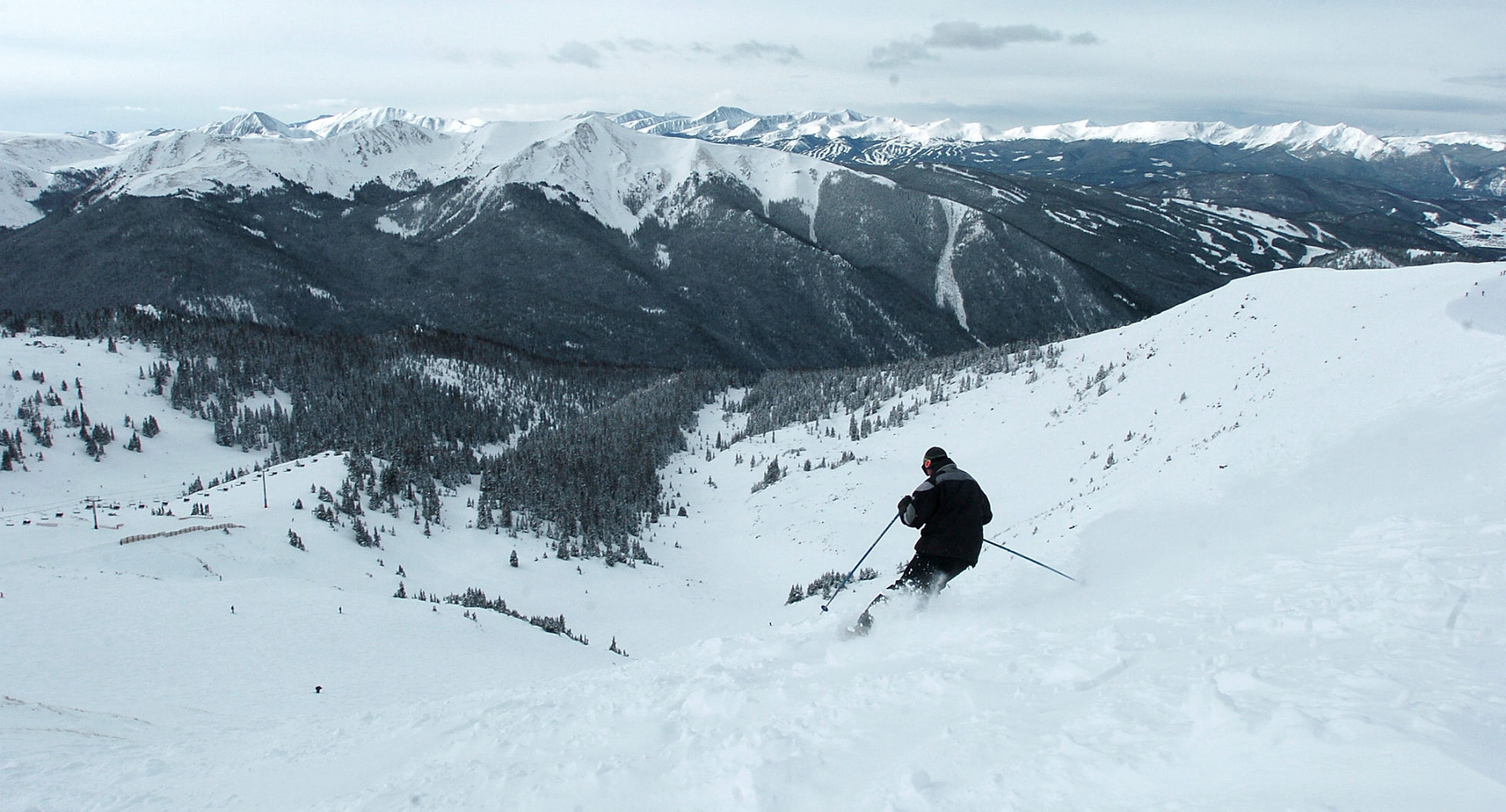
ARAPAHOE BASIN A-Basin is known as “The Legend.” That’s partly due to its long season — with more operating days than any other ski area in Colorado, typically opening first in North America and sometimes staying open through Independence Day. The ski area has open bowl skiing up top and serious glades just below. It’s […]