Air Force Academy Cadet Chapel renovation hits a delay
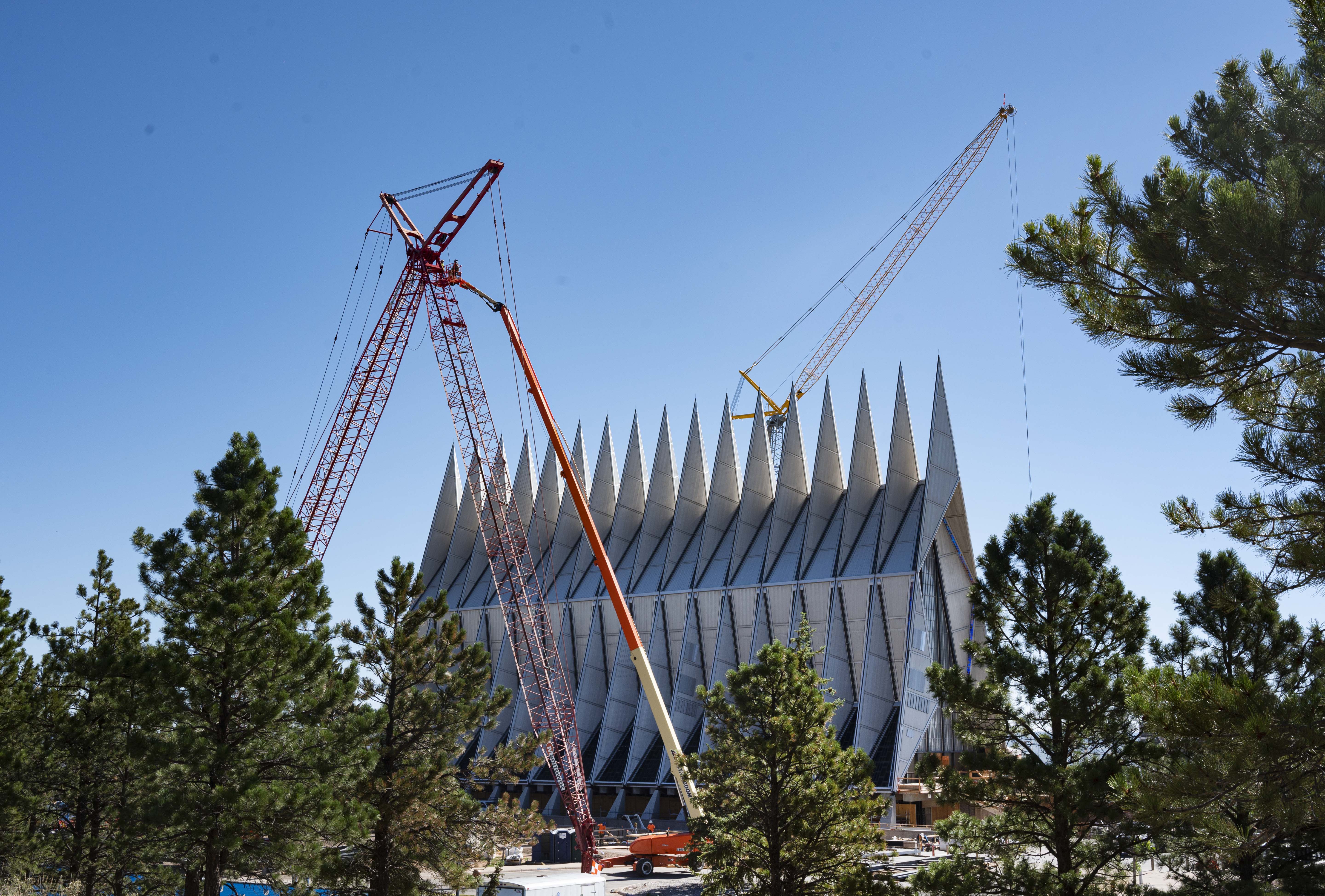
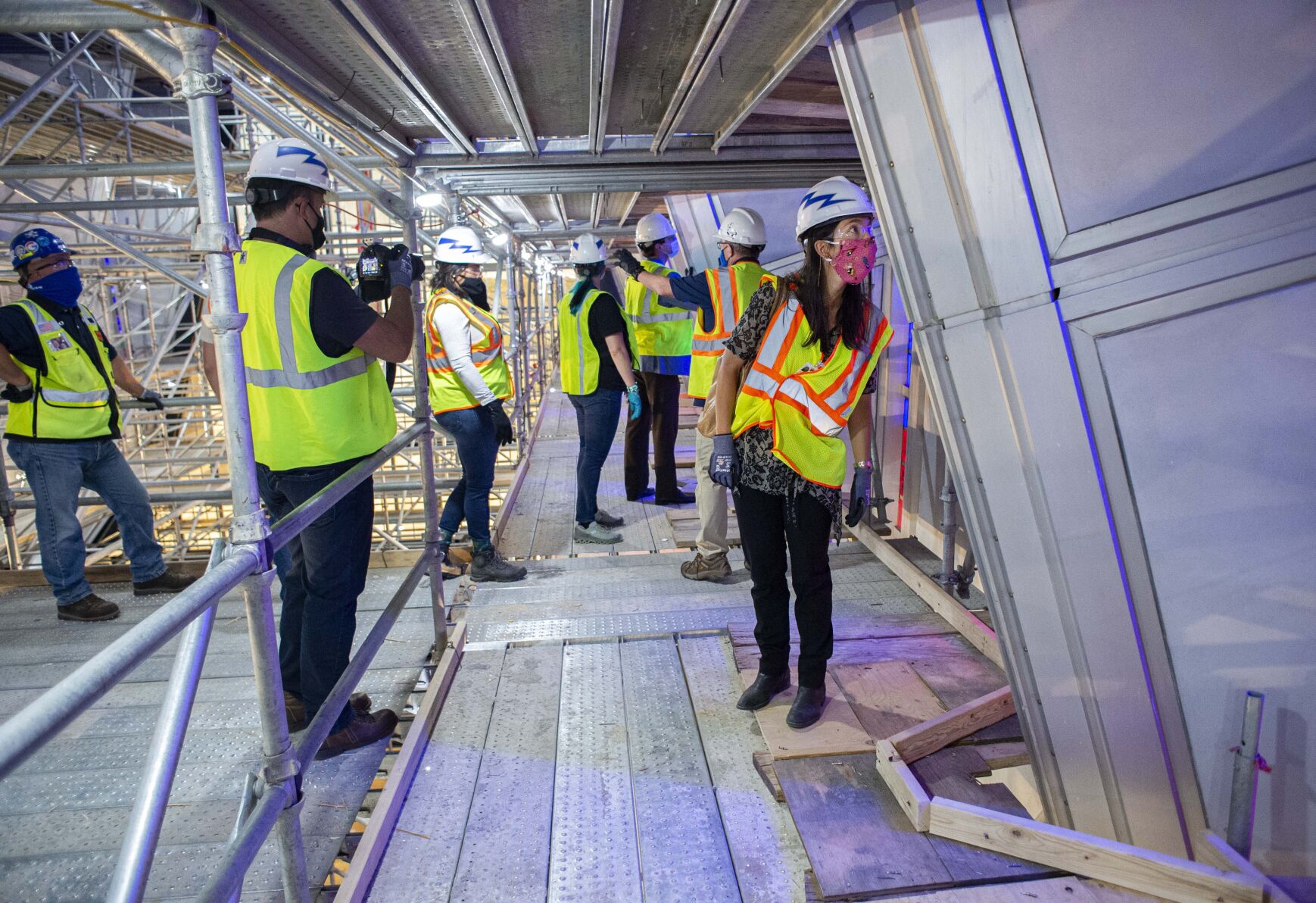
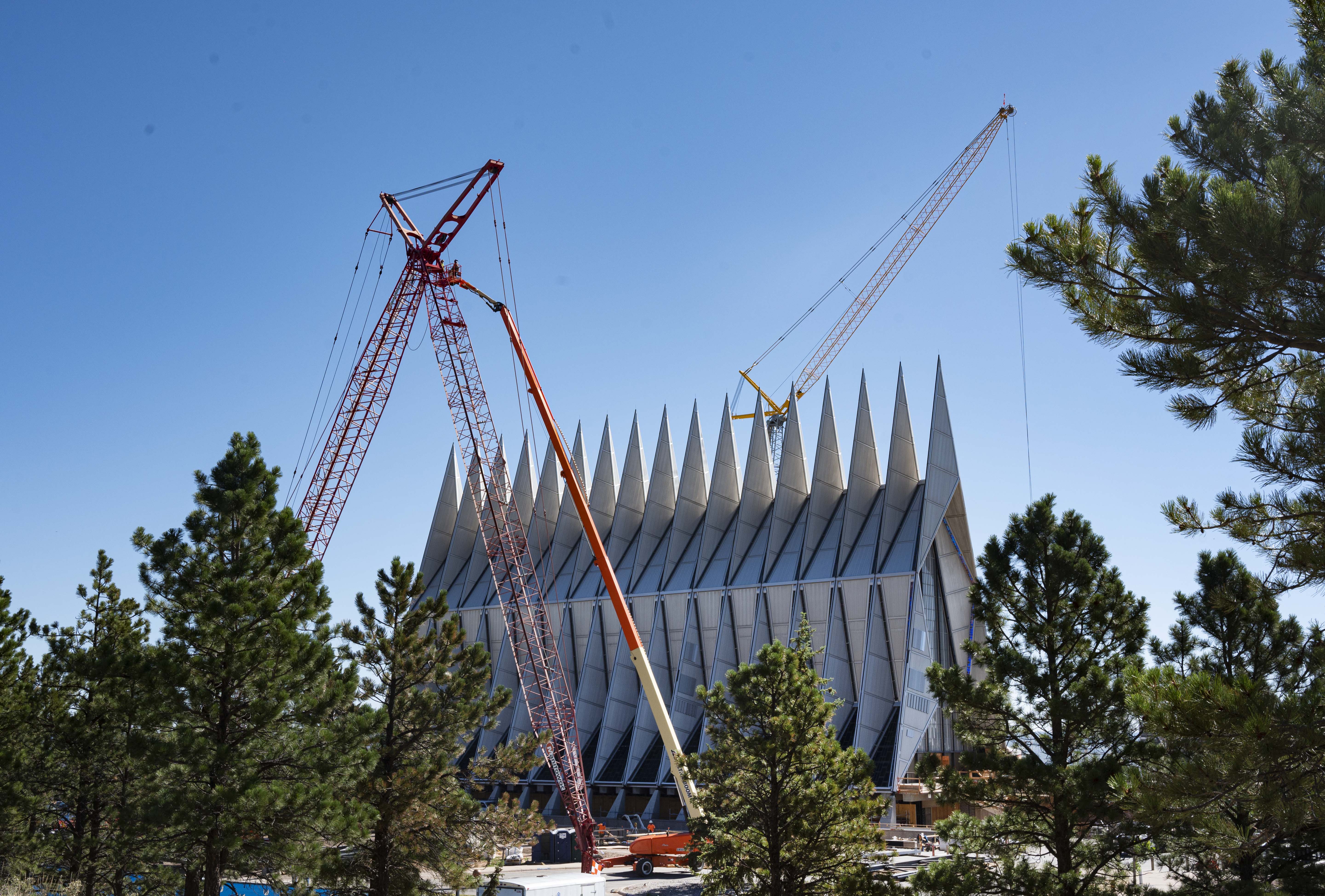
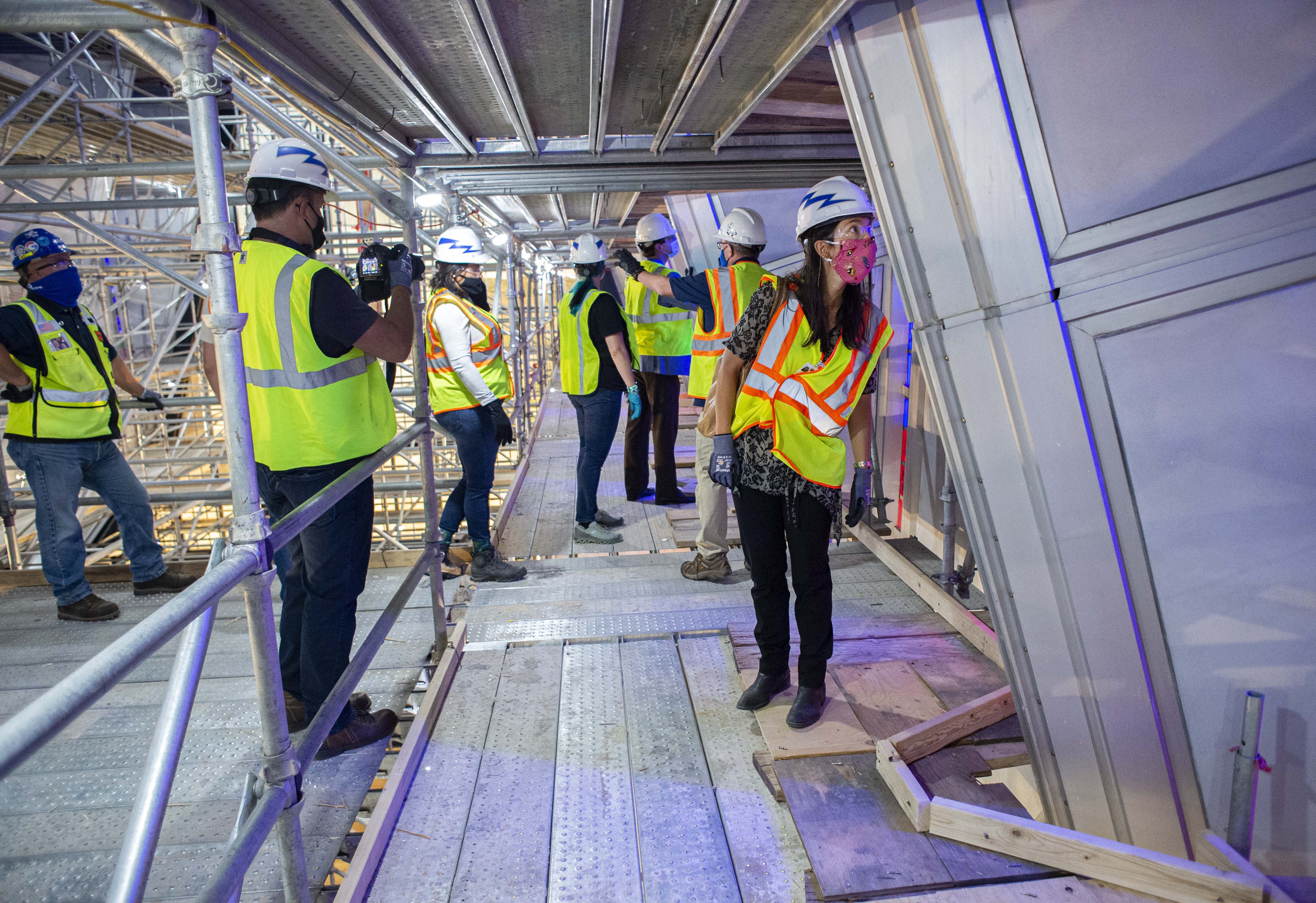
More than two years into renovation and preservation of the nearly 60-year-old Air Force Academy Cadet Chapel, more asbestos than anticipated has been found, pushing back the 2023 completion date and increasing the cost of the $158 million project, the academy said Thursday.
How delayed and how much more money remain unanswered questions for now.
“We always knew that there was a substantial amount of asbestos in the building … and now that we are into construction we are finding nooks and crannies are full of asbestos. We are addressing that and it’s going take some time,” academy architect Duane Boyle said.
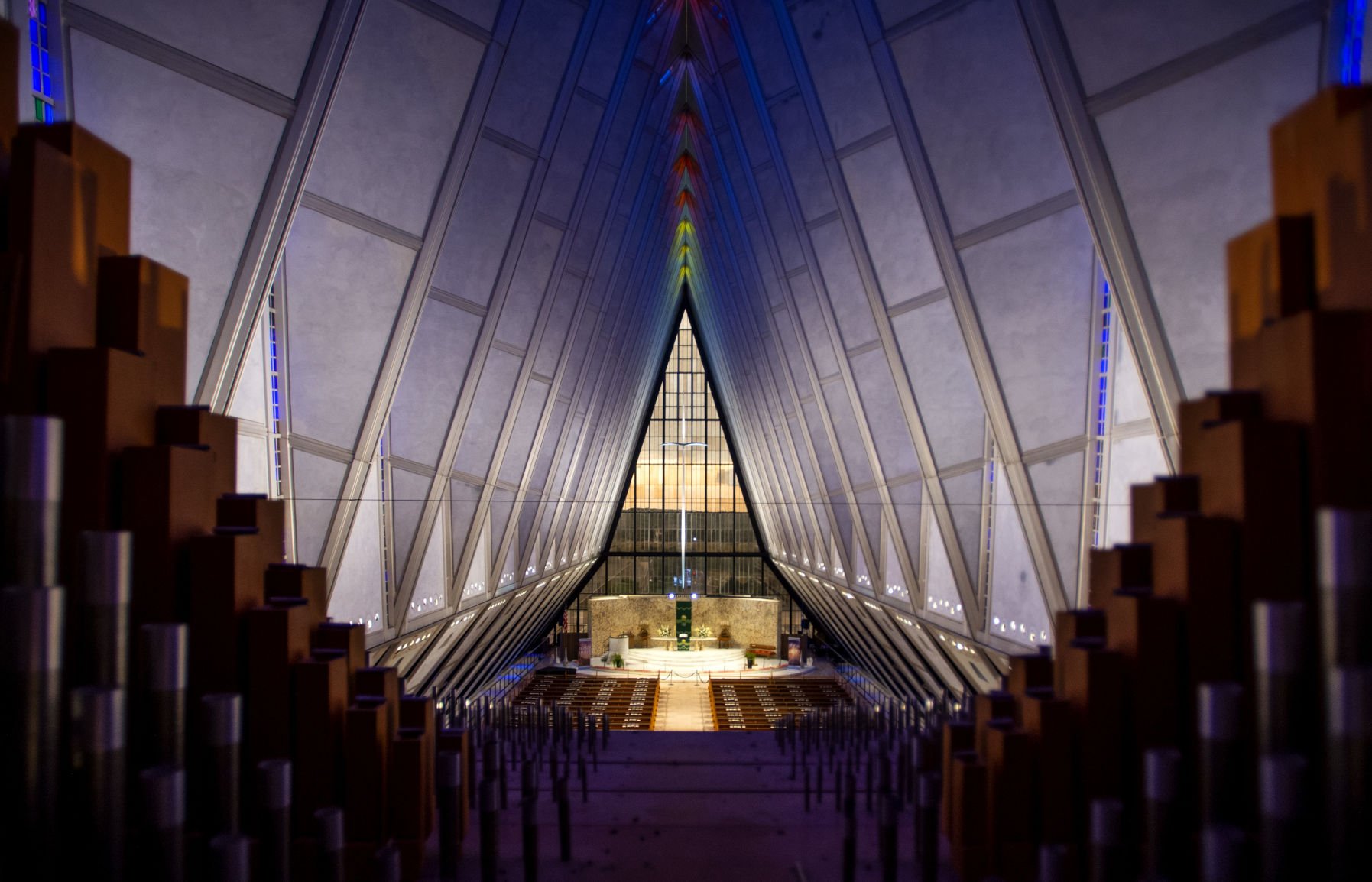
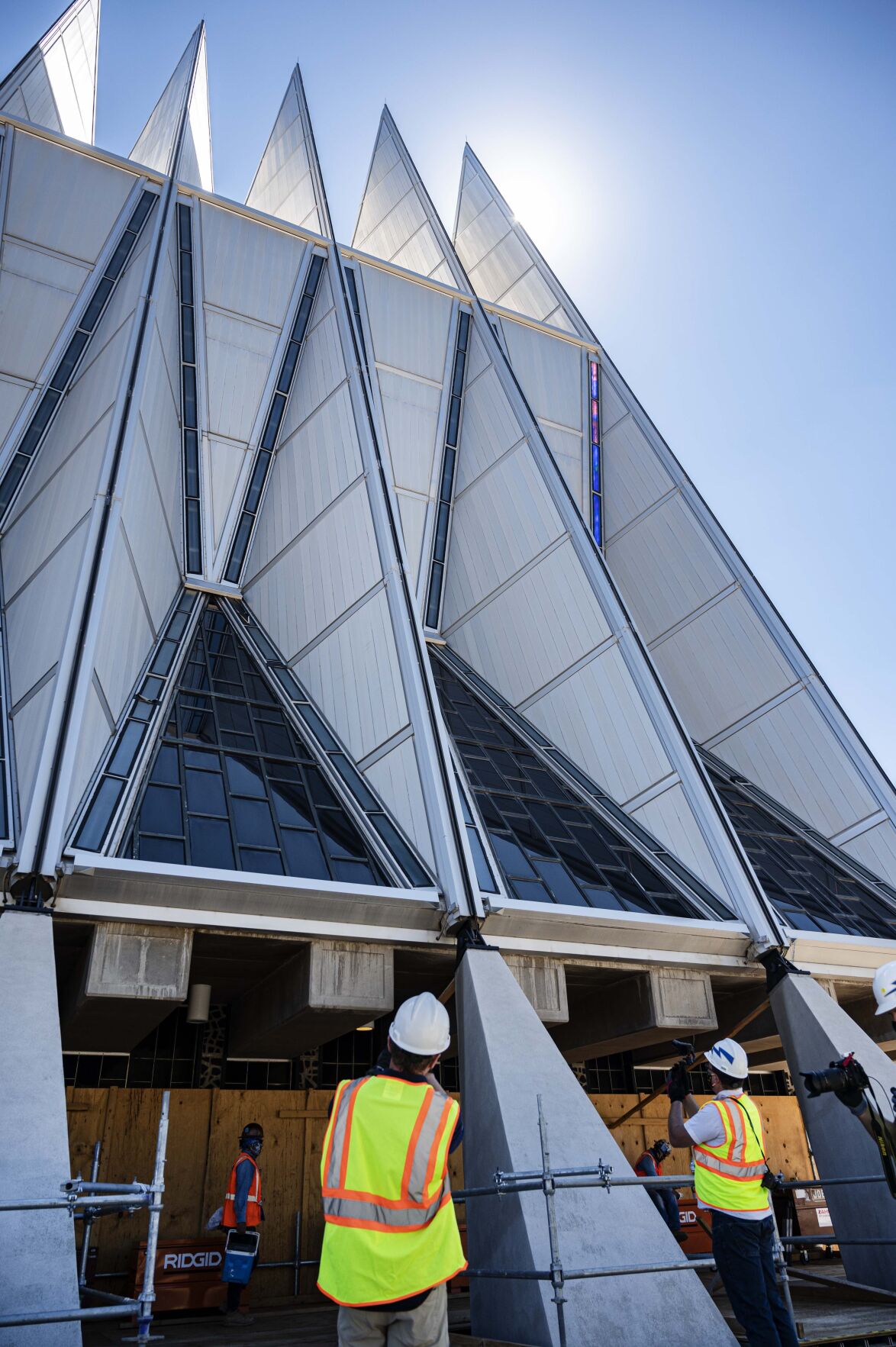
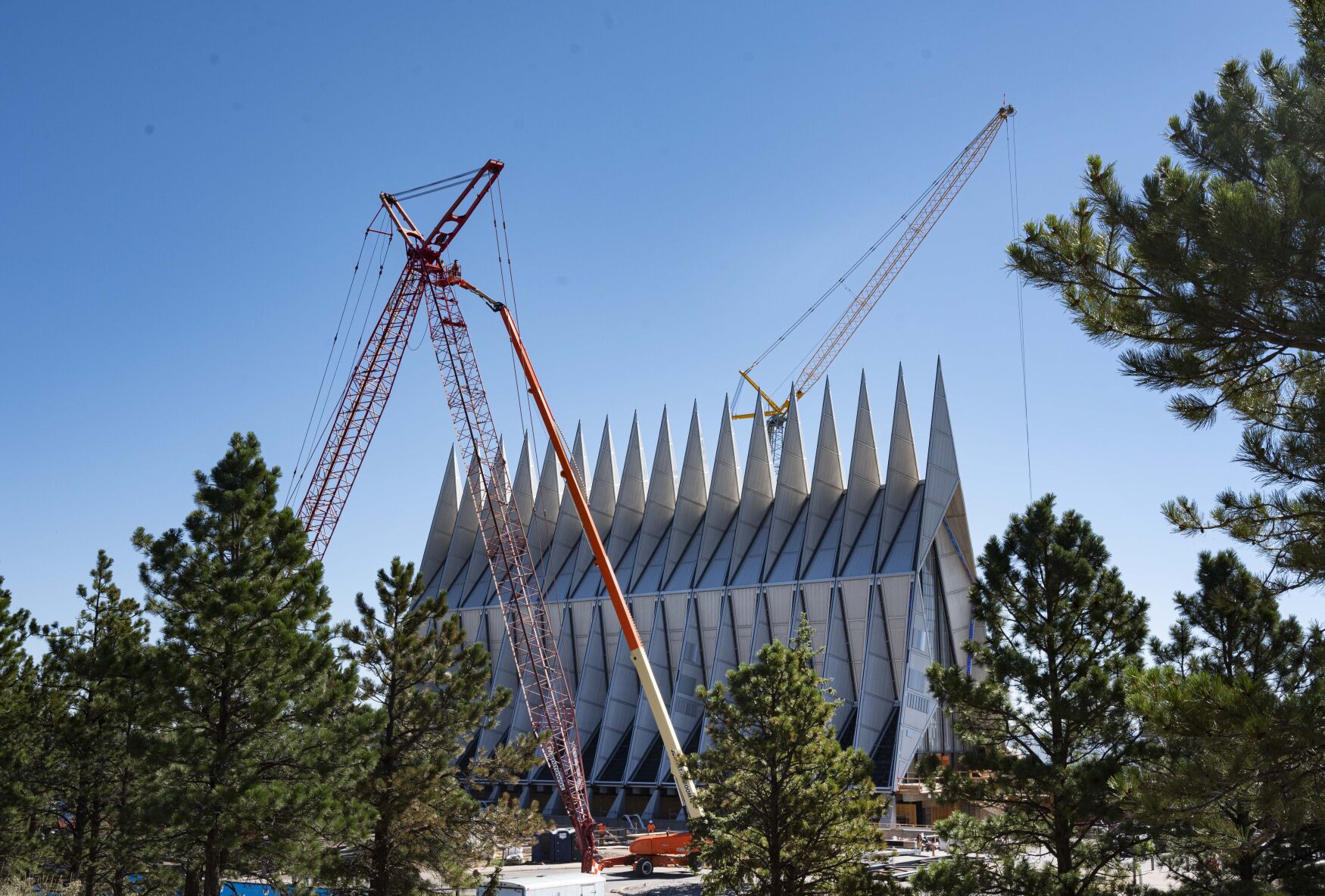
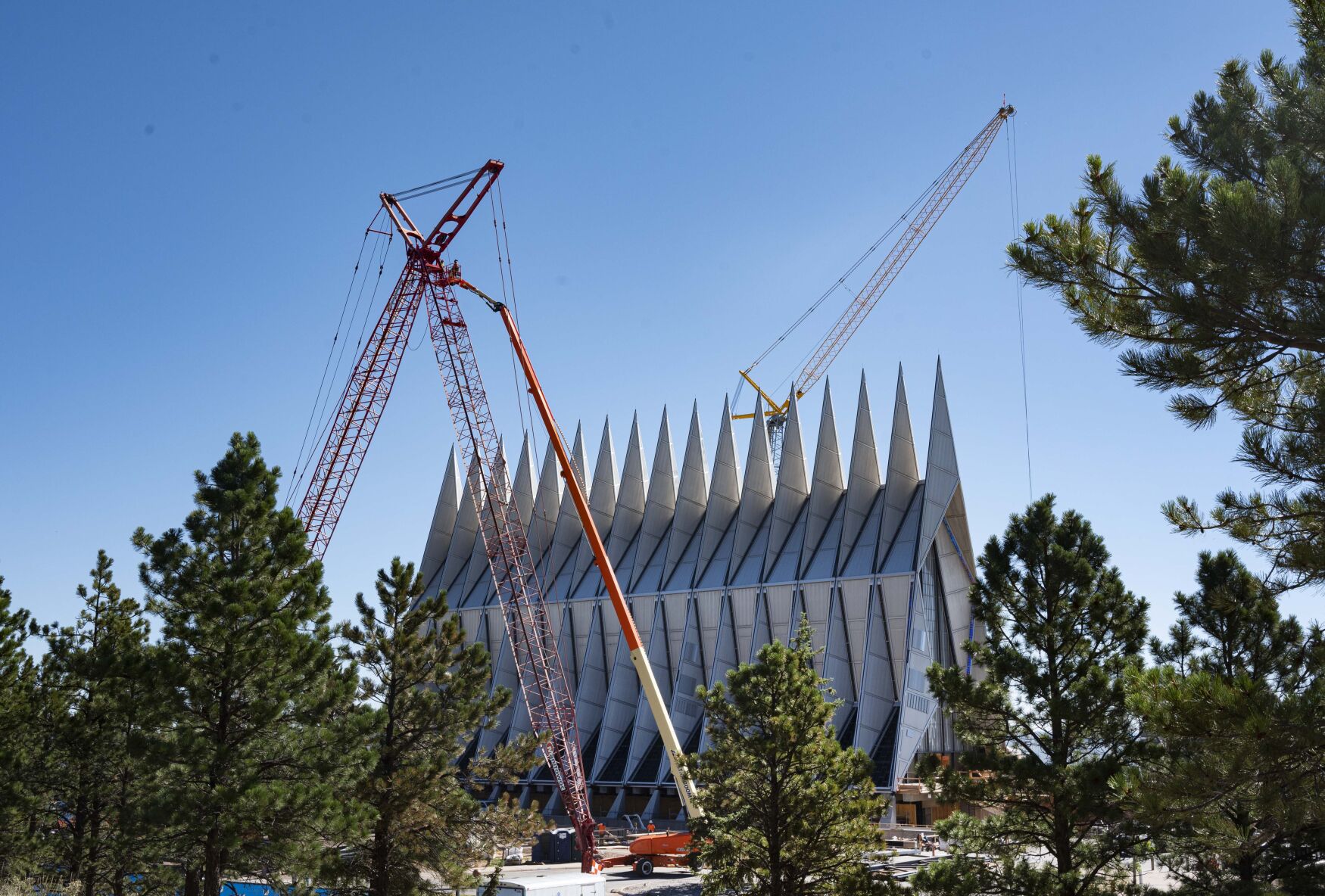
The national landmark with it soaring stained glass and 17 150-foot spires has been hidden from view, encased in a cocoon for more than a year, protecting the interior contents while allowing work to continue during inclement weather.
“The Air Force Academy and the Air Force understand the importance of this building. Not only to the Pikes Peak region and to Colorado but its broader importance to the nation and even international significance for one of the world’s great pieces of architecture,” Boyle said. “This has to be, if not the most historic preservation effort, one of the most that has ever been done.”
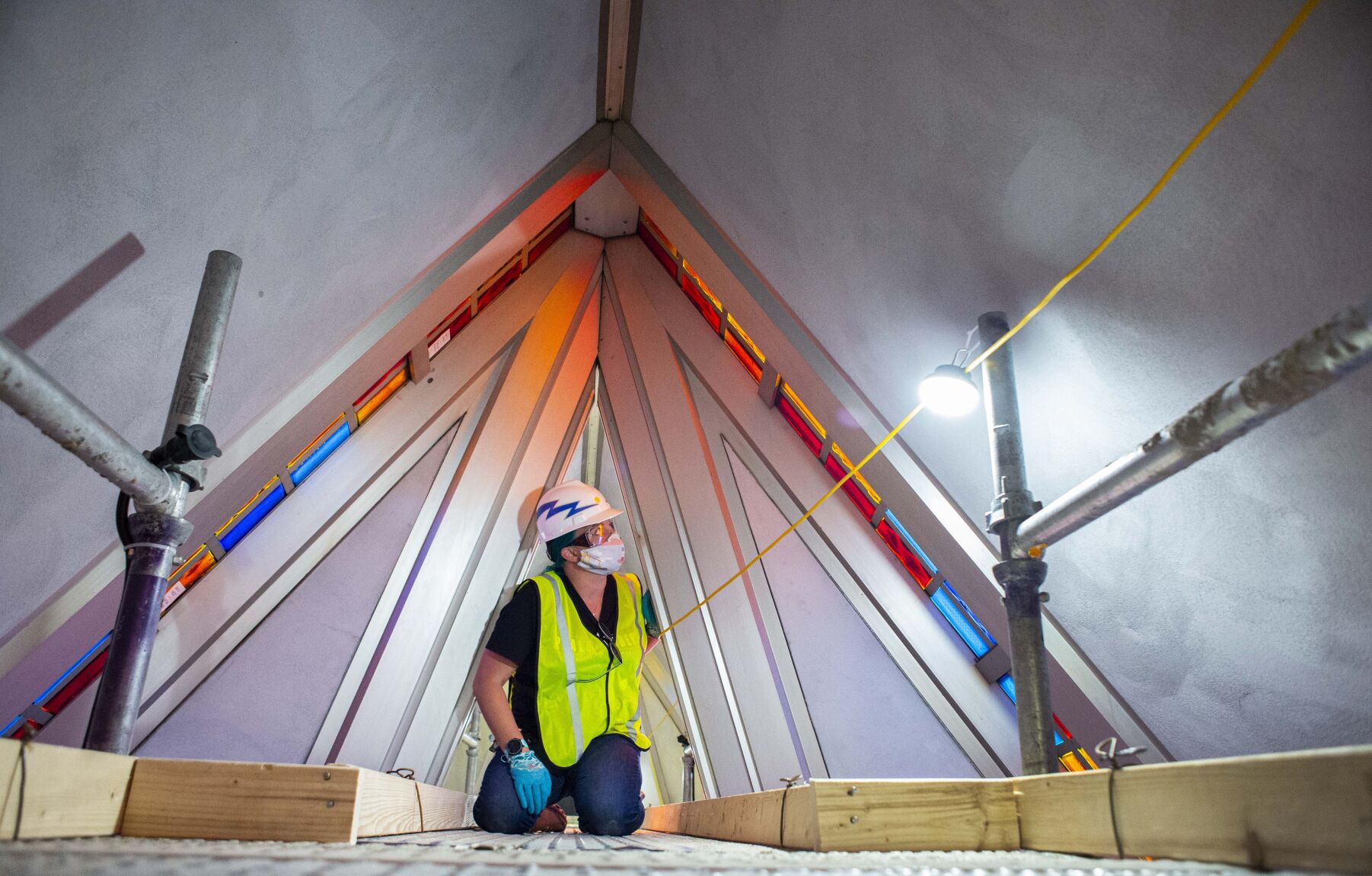
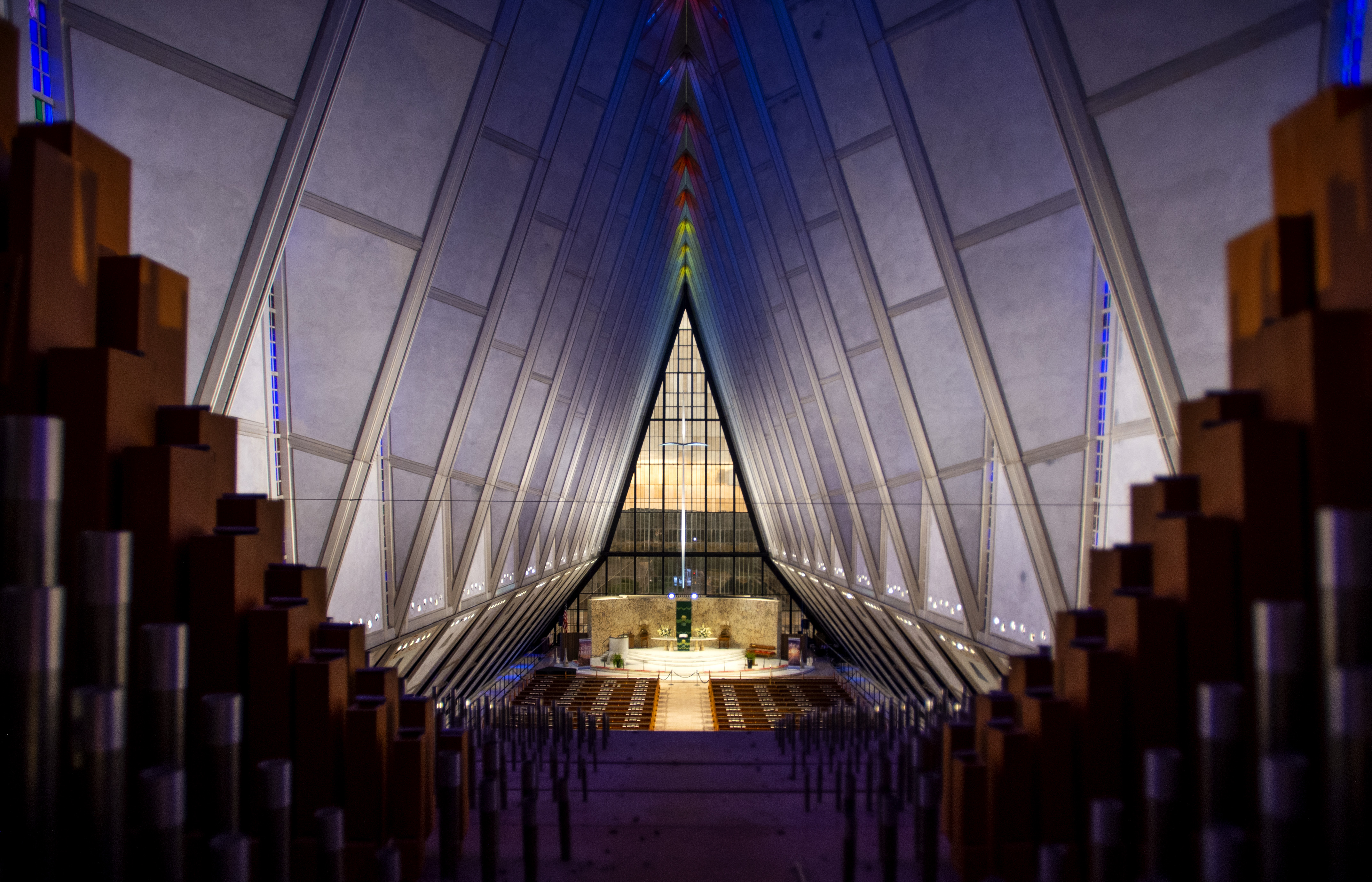
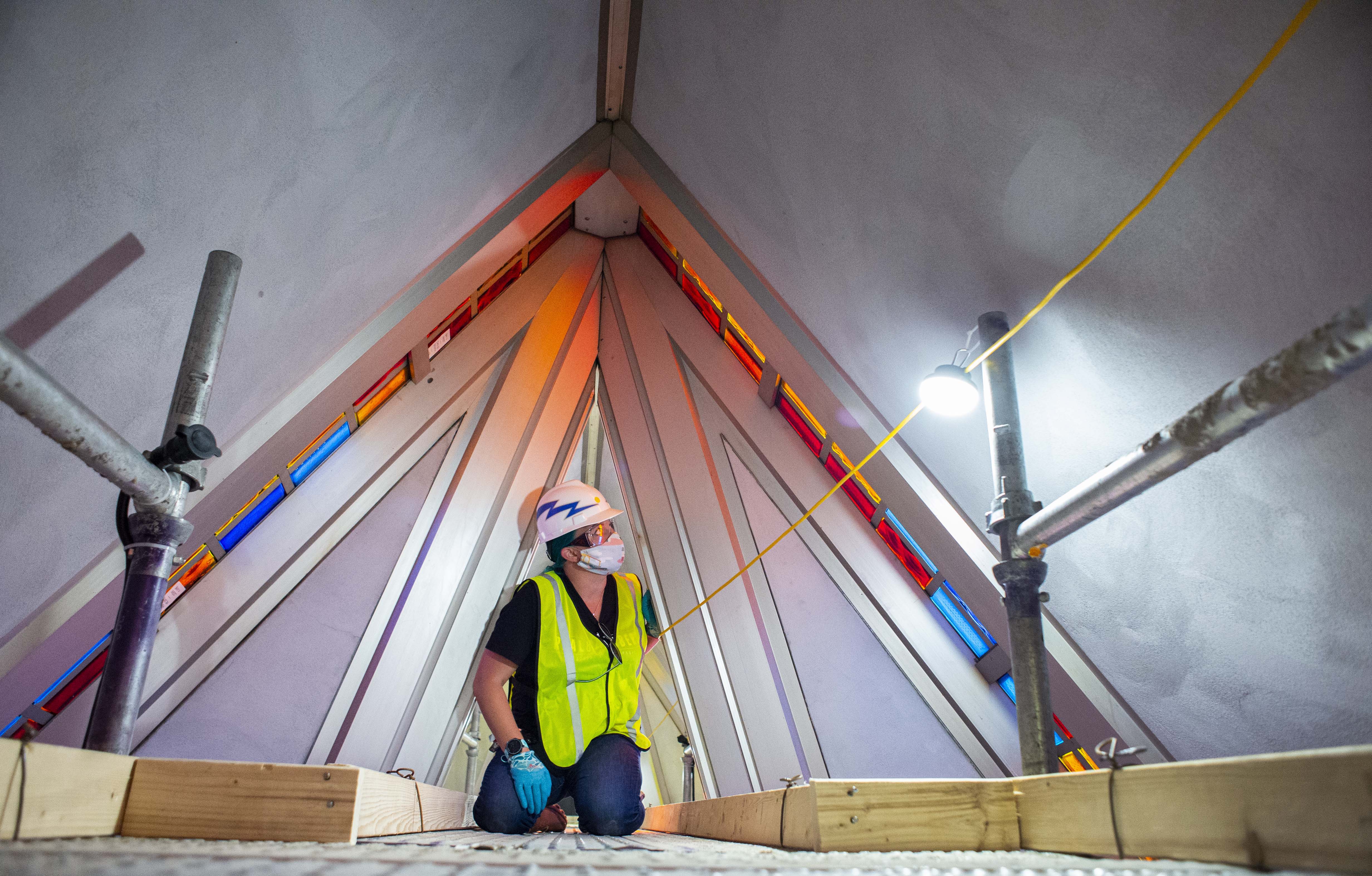
The more than 20,000 brick-sized stained glass blocks have been removed and will need to be reinstalled. Boyle said that chapel architect Walter Netsch Jr. had them positioned in a way so the stained glass would transition from darker at the back of the chapel to brighter as one moved to the front of the chapel “as though you were entering the arms of God,” Boyle remembers Netsch saying.
Air Force Academy awards contract to renovate Cadet Chapel; project cost more than doubles
The Catholic and Protestant organs are in Georgia being refurbished, Boyle said. When the Protestant organ – with more than 4,000 pipes ranging in size from extremely large down to a No. 2 yellow pencil – was taken apart, some of the large pipes were full of water, Boyle said.
New aluminum skin for the exterior of the structure is coming from Kansas City.
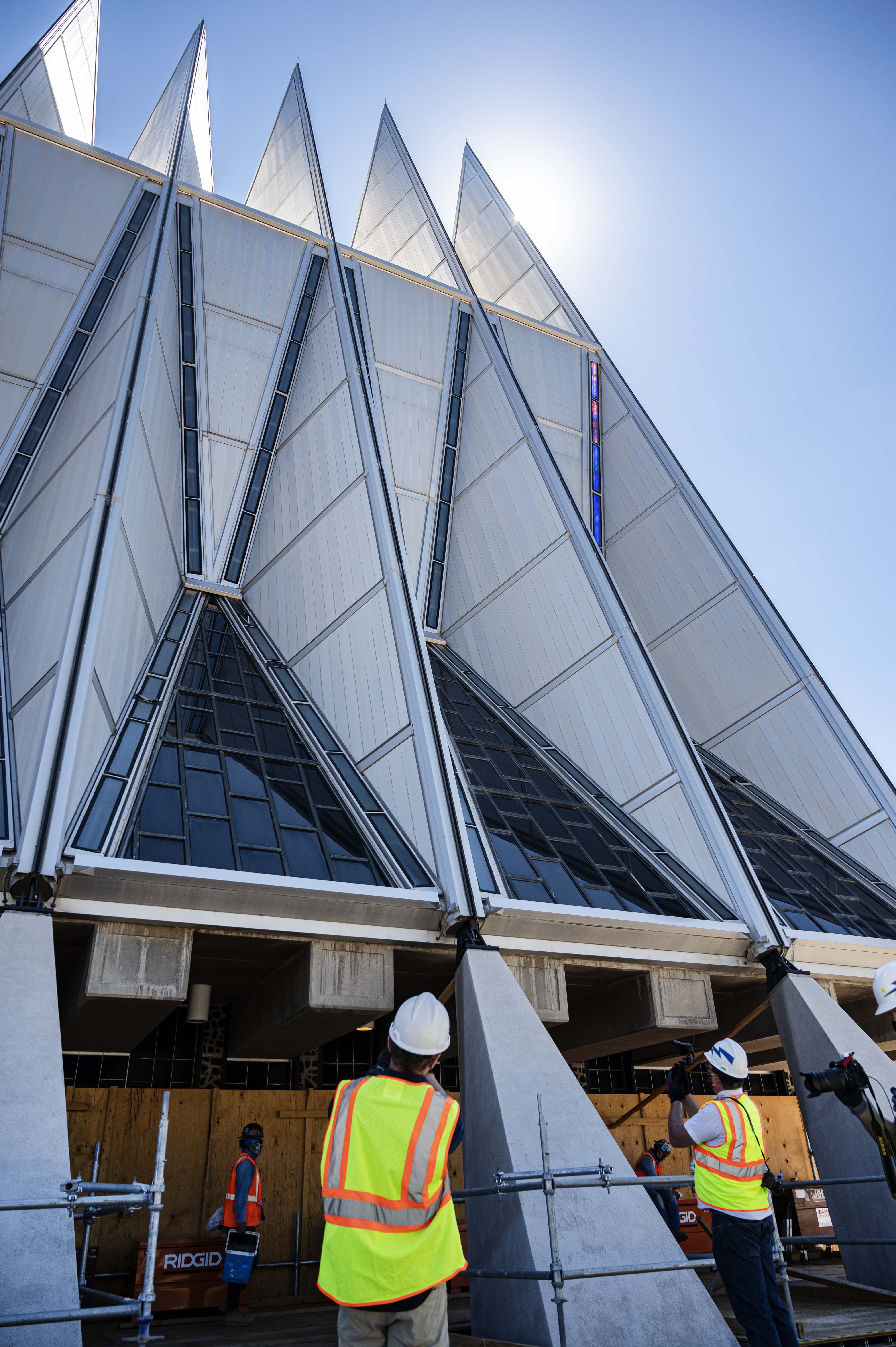
The chapel has leaked in rainy weather since it opened in 1962. The original internal flashings designed to sit below the aluminum were replaced with 32-miles of caulk to save money. The renovation efforts will restore the building to its original design.
Boyle said band-aids put on the outside of the building including sheet metal flaps and storm windows over the stained glass really changed the way the chapel was intended to look. A detail that will be visible are mini spires between the main spires. They have been covered up with sheet metal and are being recreated, according to Boyle.
“This is one of the most incredible aluminum and medal-skinned buildings throughout the world,” Boyle said.
One of the challenges was figuring out how to recreate the changing light throughout the chapel.
“Walter had always wanted the chapel to be a living building. So as the sun rotates around the building during the day and during the seasons, the building appears different,” Boyle said.
“For instance, at one point during the day it might actually be a champagne gold color. Other times during the day it would be an aluminum color. It was several years before we actually figured out how that was done.”
JE Dunn Construction of Kansas City, Mo., is responsible for the restoration and preservation of the chapel.
“We’re being very, very careful about what we are doing to it and how we are going about it to make sure that when we are done the chapel is what the chapel was meant to be and should be,” Boyle said.
Once complete, the Cadet Chapel will likely again attract more than 500,000 visitors annually.
“It is the most popular man-made tourist attraction in Colorado,” Boyle said.
Air Force Academy Cadet Chapel renovation hits a delay
More than two years into renovation and preservation of the nearly 60-year-old Air Force Academy Cadet Chapel, more asbestos than anticipated has been found, pushing back the 2023 completion date and increasing the cost of the $158 million project, the academy said Thursday.
How delayed and how much more money remain unanswered questions for now.
“We always knew that there was a substantial amount of asbestos in the building … and now that we are into construction we are finding nooks and crannies are full of asbestos. We are addressing that and it’s going take some time,” academy architect Duane Boyle said.
The national landmark with it soaring stained glass and 17 150-foot spires has been hidden from view, encased in a cocoon for more than a year, protecting the interior contents while allowing work to continue during inclement weather.
“The Air Force Academy and the Air Force understand the importance of this building. Not only to the Pikes Peak region and to Colorado but its broader importance to the nation and even international significance for one of the world’s great pieces of architecture,” Boyle said. “This has to be, if not the most historic preservation effort, one of the most that has ever been done.”
The more than 20,000 brick-sized stained glass blocks have been removed and will need to be reinstalled. Boyle said that chapel architect Walter Netsch Jr. had them positioned in a way so the stained glass would transition from darker at the back of the chapel to brighter as one moved to the front of the chapel “as though you were entering the arms of God,” Boyle remembers Netsch saying.
Air Force Academy awards contract to renovate Cadet Chapel; project cost more than doubles
The Catholic and Protestant organs are in Georgia being refurbished, Boyle said. When the Protestant organ – with more than 4,000 pipes ranging in size from extremely large down to a No. 2 yellow pencil – was taken apart, some of the large pipes were full of water, Boyle said.
New aluminum skin for the exterior of the structure is coming from Kansas City.
The chapel has leaked in rainy weather since it opened in 1962. The original internal flashings designed to sit below the aluminum were replaced with 32-miles of caulk to save money. The renovation efforts will restore the building to its original design.
Boyle said band-aids put on the outside of the building including sheet metal flaps and storm windows over the stained glass really changed the way the chapel was intended to look. A detail that will be visible are mini spires between the main spires. They have been covered up with sheet metal and are being recreated, according to Boyle.
“This is one of the most incredible aluminum and medal-skinned buildings throughout the world,” Boyle said.
One of the challenges was figuring out how to recreate the changing light throughout the chapel.
“Walter had always wanted the chapel to be a living building. So as the sun rotates around the building during the day and during the seasons, the building appears different,” Boyle said.
“For instance, at one point during the day it might actually be a champagne gold color. Other times during the day it would be an aluminum color. It was several years before we actually figured out how that was done.”
JE Dunn Construction of Kansas City, Mo., is responsible for the restoration and preservation of the chapel.
“We’re being very, very careful about what we are doing to it and how we are going about it to make sure that when we are done the chapel is what the chapel was meant to be and should be,” Boyle said.
Once complete, the Cadet Chapel will likely again attract more than 500,000 visitors annually.
“It is the most popular man-made tourist attraction in Colorado,” Boyle said.