Denver’s top school official approaches job with open mind, open ears
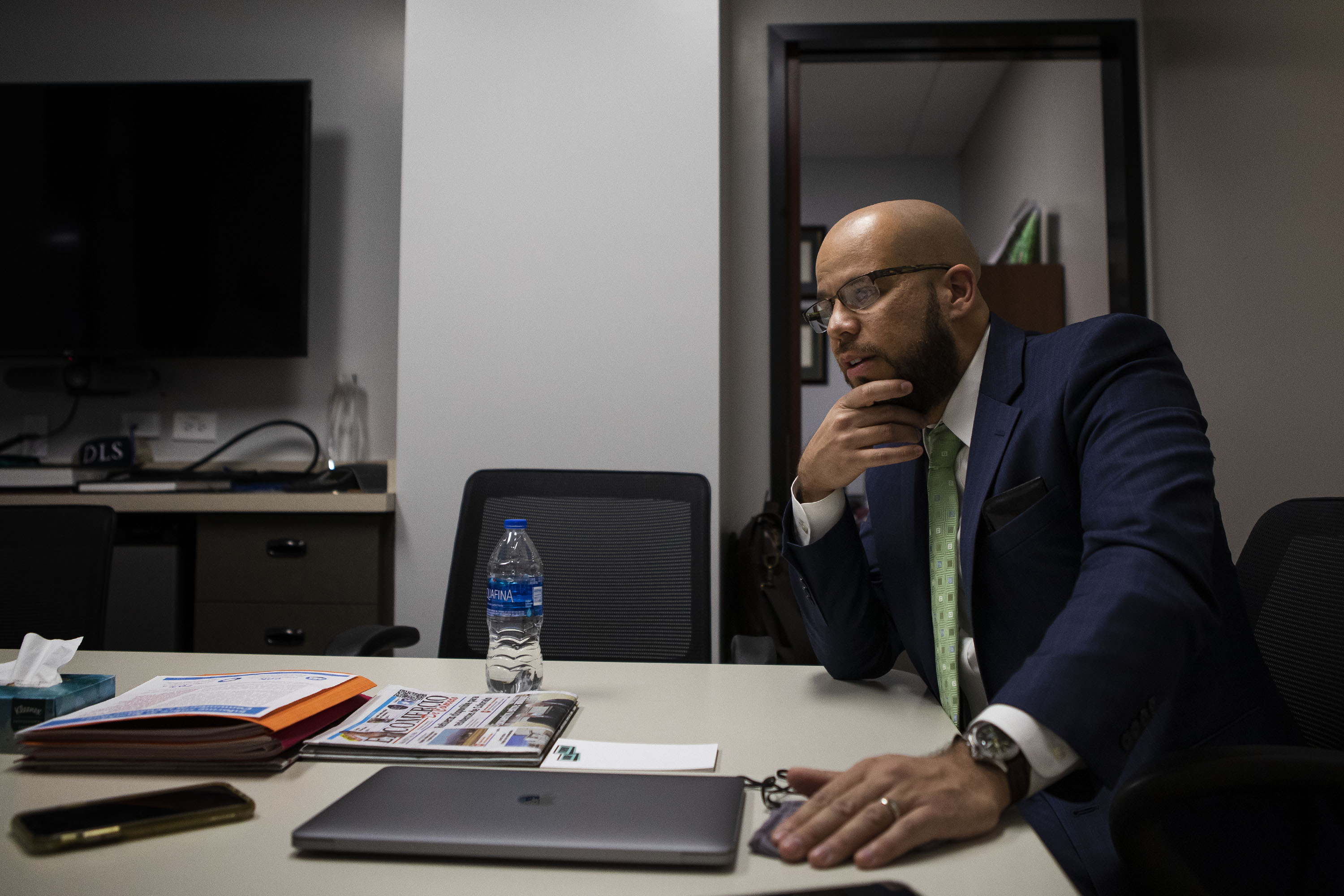
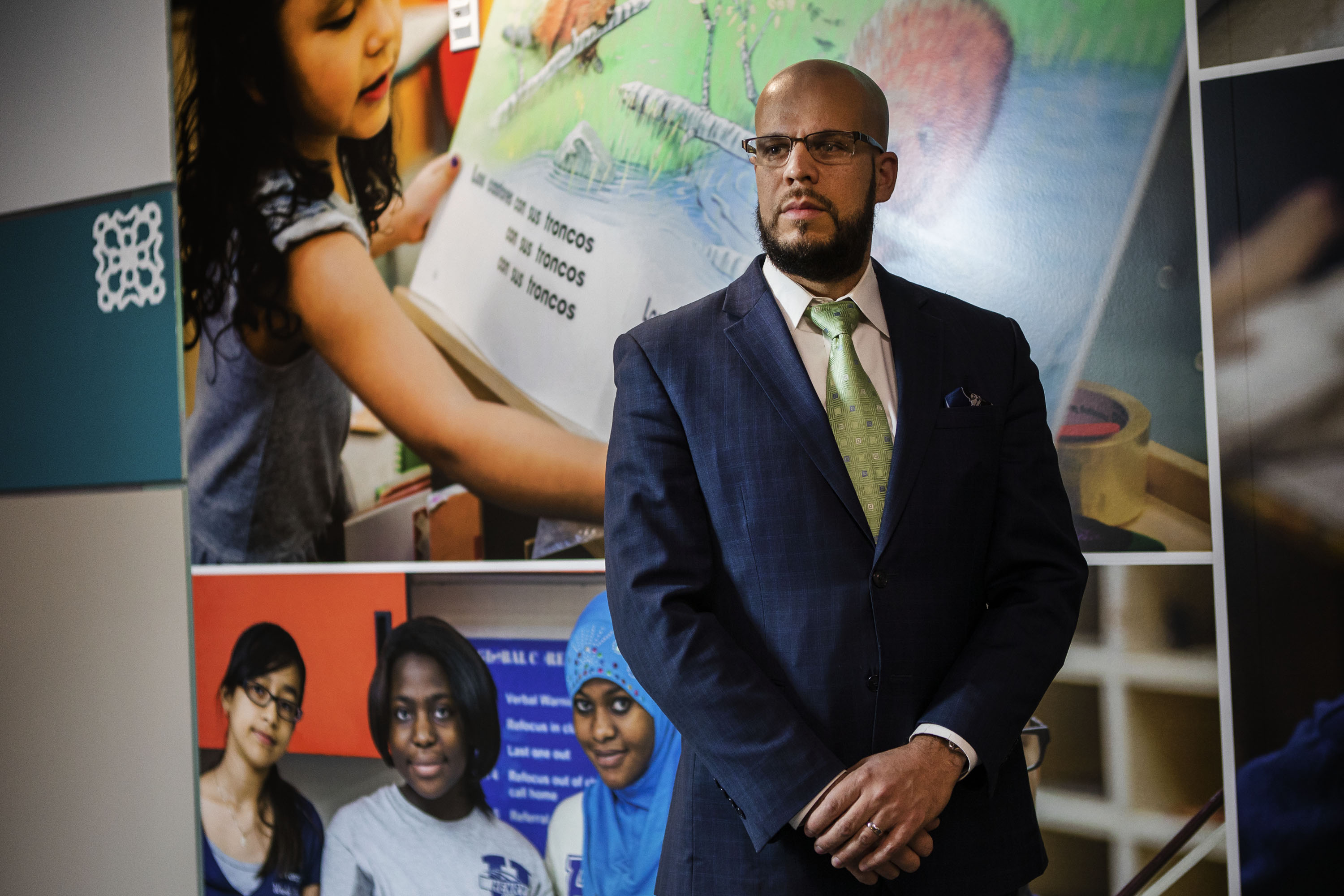
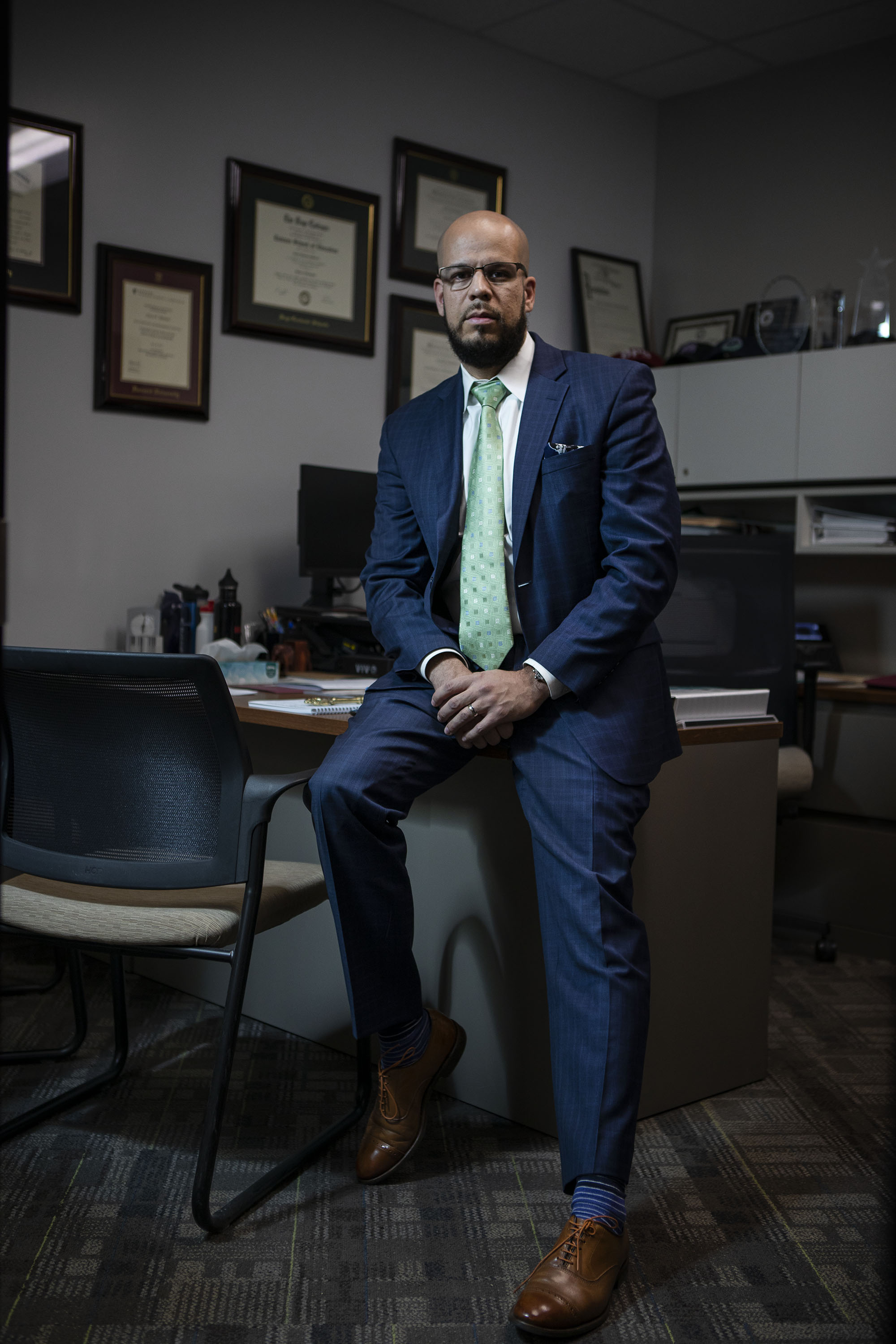
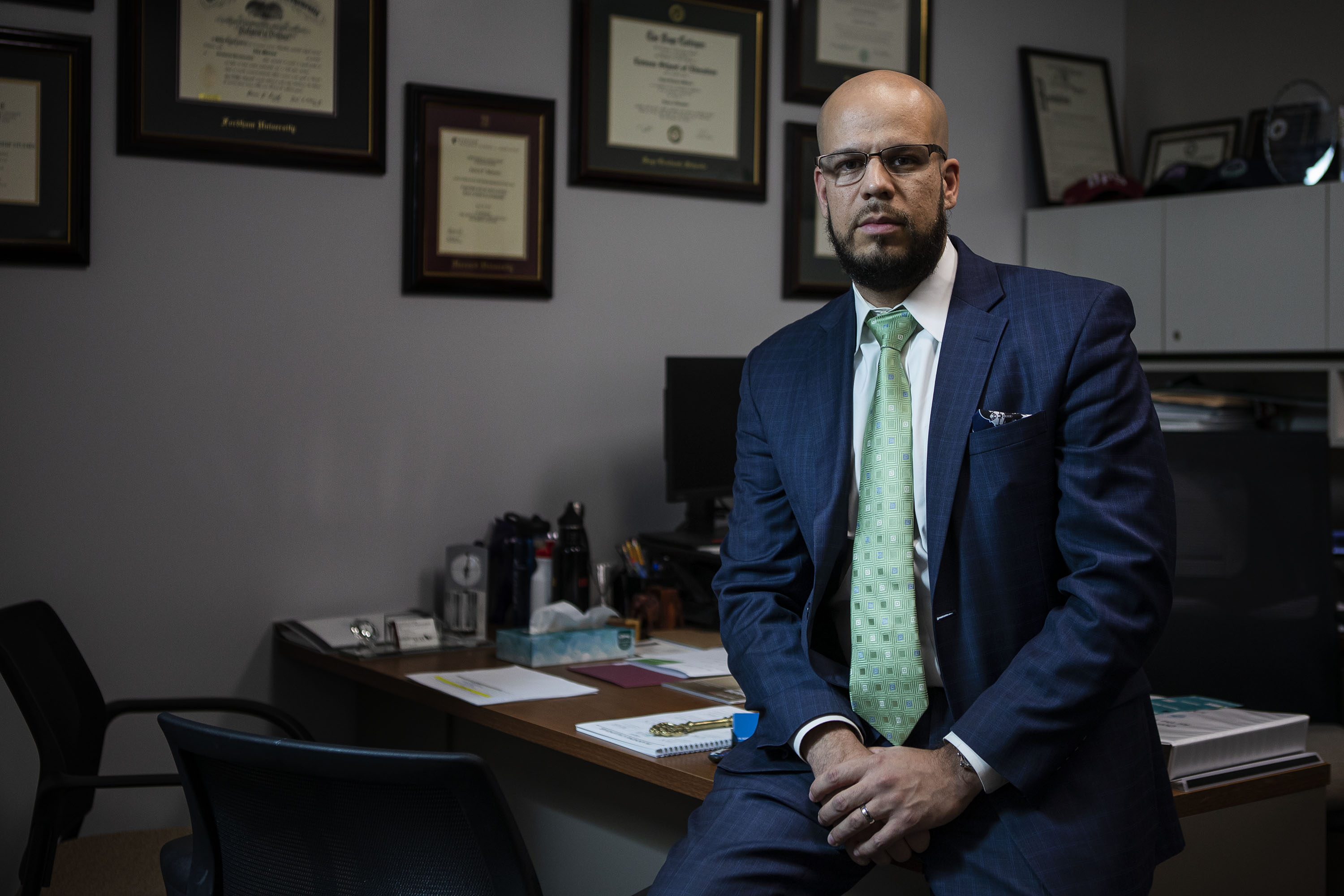
Alex Marrero, Denver Public Schools’ newest leader, is juggling student learning during a seemingly never-ending pandemic with a weary teachers union that has struggled through three superintendents in three years.
Since becoming superintendent in July, Marrero has made a point of meeting with families, students and staff to better understand the district’s issues.
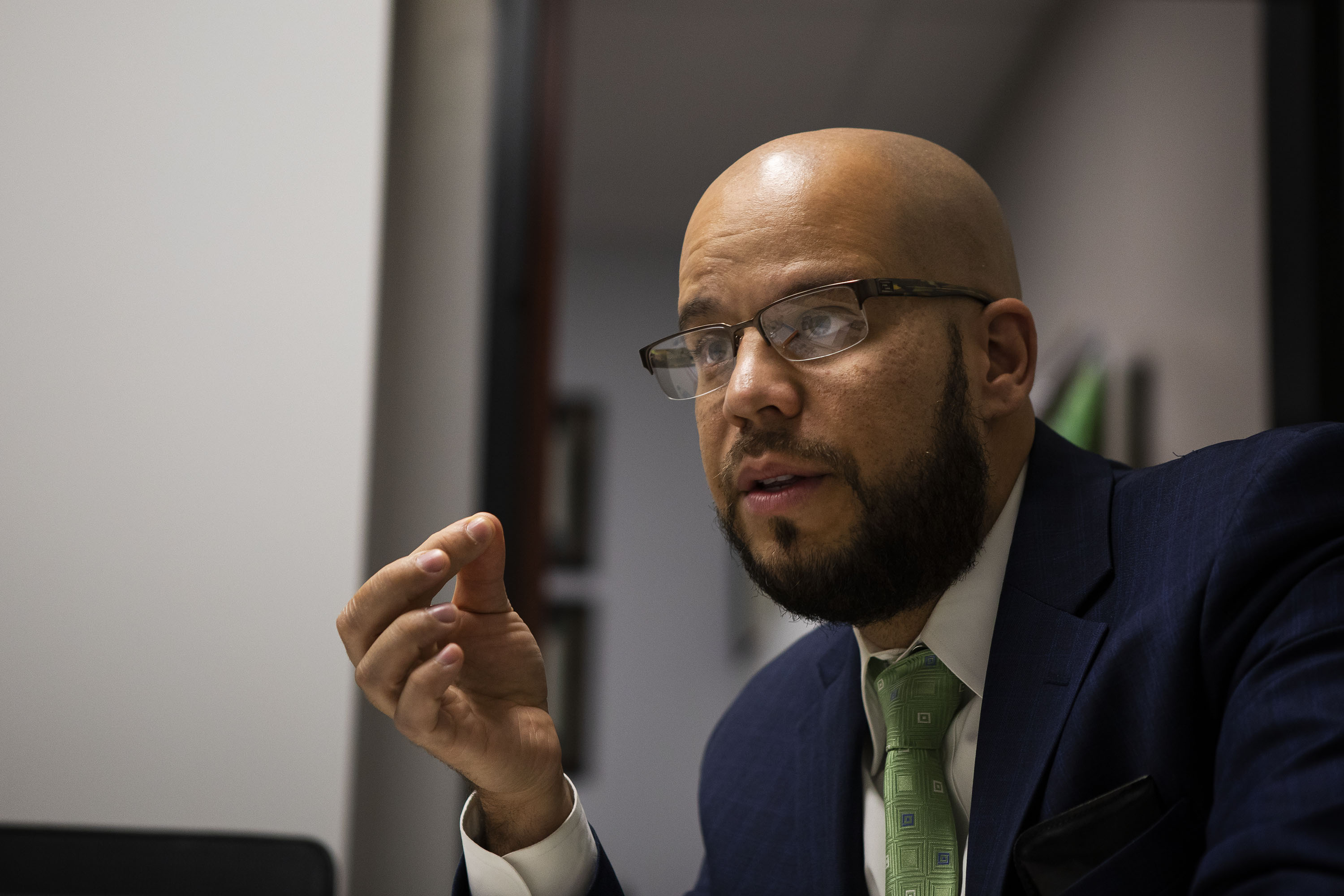
“The best way to enter a district, it doesn’t matter if it’s five students or 93,000, which is what we have, is to make sure that you do not come in as an imposer of your facts. And I have been very careful not to,” he said.
Marrero oversees 207 schools and 14,000 employees in the state’s largest and most diverse school district. Before coming to Colorado, he was interim superintendent of the City School District of New Rochelle in New York and also served in the New York City Department of Education.
On Thursday, the DPS Board of Education voted to extend his contract through June 30, 2025, amending Marrero’s two-year term to a four-year term with an option for a one-year extension. Marrero’s $260,000 annual salary was not changed.
Robert Gould, president of the Denver Classroom Teachers Association, said the union is watching Marrero with some sense of PTSD after going through two years of increased workloads amid a pandemic that shows no signs of slowing down.
“Dr. Marrero has inherited a system of wacky policies. The last board didn’t listen to educators and we are trying to unwrap this whole mess,” Gould said.
He was alluding to previous school board members who were backed by education reform organizations. In November, voters elected three new board members and reelected an incumbent, all of whom are supported by the teachers union. The other three board members are also union-backed.
Marrero said he doesn’t pay attention to labels: “I as superintendent do not see my board as a union board or a reform board. I see them as partners in what we’re trying to do.”
Marrero scored points with the union by extending Thanksgiving break by a day after hearing from teachers, staff, parents and students about the challenges this year has presented.
“Our staff appreciated it tremendously because they are incredibly fatigued,” he said. “I did get some hate email. I was expecting this. There’s never a decision that’s going to be universally accepted. It’s never happened! That’s normal.”
Marrero was raised in the Bronx in what he calls a “tough as nails neighborhood” by an immigrant mother who made him do his homework.
“She was able to get me through high school,” said Marrero, whose father was not around much. His mother died after he graduated from high school. “It all makes sense to me now. It was about her bringing a boy to a man.”
When Marrero came to Denver, he conducted a listening and learning tour.
“I’ve encouraged him to get out there in the field and talk with educators and parents,” said Gould, who believes the community outreach will help Marrero grasp the magnitude of the district’s troubled last 10 years. “He needs to understand that history, what it’s been like in DPS.”
Marrero also commissioned a survey of 10,000 staff members and families.
The results revealed that most families approved of how the district has handled student learning during the pandemic. Many parents and students said they were grateful that virtual learning was a thing of the past.
The report showed that 17% of families were satisfied with the school district’s focus on equity. One parent wrote that there was a “strong culture of inclusion and valuing diversity” and that “multiple languages were used to share information with families.” A ninth grader from Northeast Denver said, “People are kind and sometimes help if you need it.”
Around 18% of teachers said the district paid enough attention to equity and social justice issues. One front office support staff member wrote, “I feel like we’re a well-focused district on social justice issues. When I speak to my friends in another state, it seems like DPS is actually making moves to assist and uplift disenfranchised students. I think it’s awesome how much we support our trans students.”
The report wasn’t all rosy. Students want the district to pay more attention to issues affecting the LGBTQIA community and students of color. Parents complained of school schedules and old buildings that have no air conditioning. Criticism from staff centered on teacher shortages, which they said created unsustainable workloads and burnout.
Gould, the union president, was not surprised by the survey results. In 23 years of working in education, including as a special education teacher, he said this is the first time officials have established a crisis hot line for educators. He said the stress-related issues are tied to the pandemic.
“I heard from some teachers who were suicidal,” Gould said. “We had to do something.”
Phase 2 of Marrero’s listening and learning tour ended last week, when 60 people who were divided into breakout groups met with him to discuss their ideas and form a plan for the district moving forward.
Marrero is concentrating on three priorities: equity, accelerating learning for all students, and health and safety.
“The health and safety and everything that is post-pandemic response is the No. 1 priority. And not just for Denver Public Schools. That needs to be true of every district across the nation,” he said.
Safety in schools has been a challenge lately. Marrero said recent shootings involving teenagers in Aurora and Michigan have been impossible to ignore. He has also had to deal with a string of threats made against Denver’s East High School.
“Two of the kids on my Student Executive Cabinet are from East High School. The added and interrupted instruction is something that no one deserves,” he said.
At 38 years old, Marrero is the district’s first millennial superintendent. The loudest criticism of Marrero has been that he is too young to handle such a large responsibility. But with youth comes energy and an open mind.
“Community led and district supportive is my model,” he said. “I serve for students and community. Those are my voices.”