Colorado’s ‘cathedral’ of fish: Inside the 130-year-old hatchery where endangered trout are bred
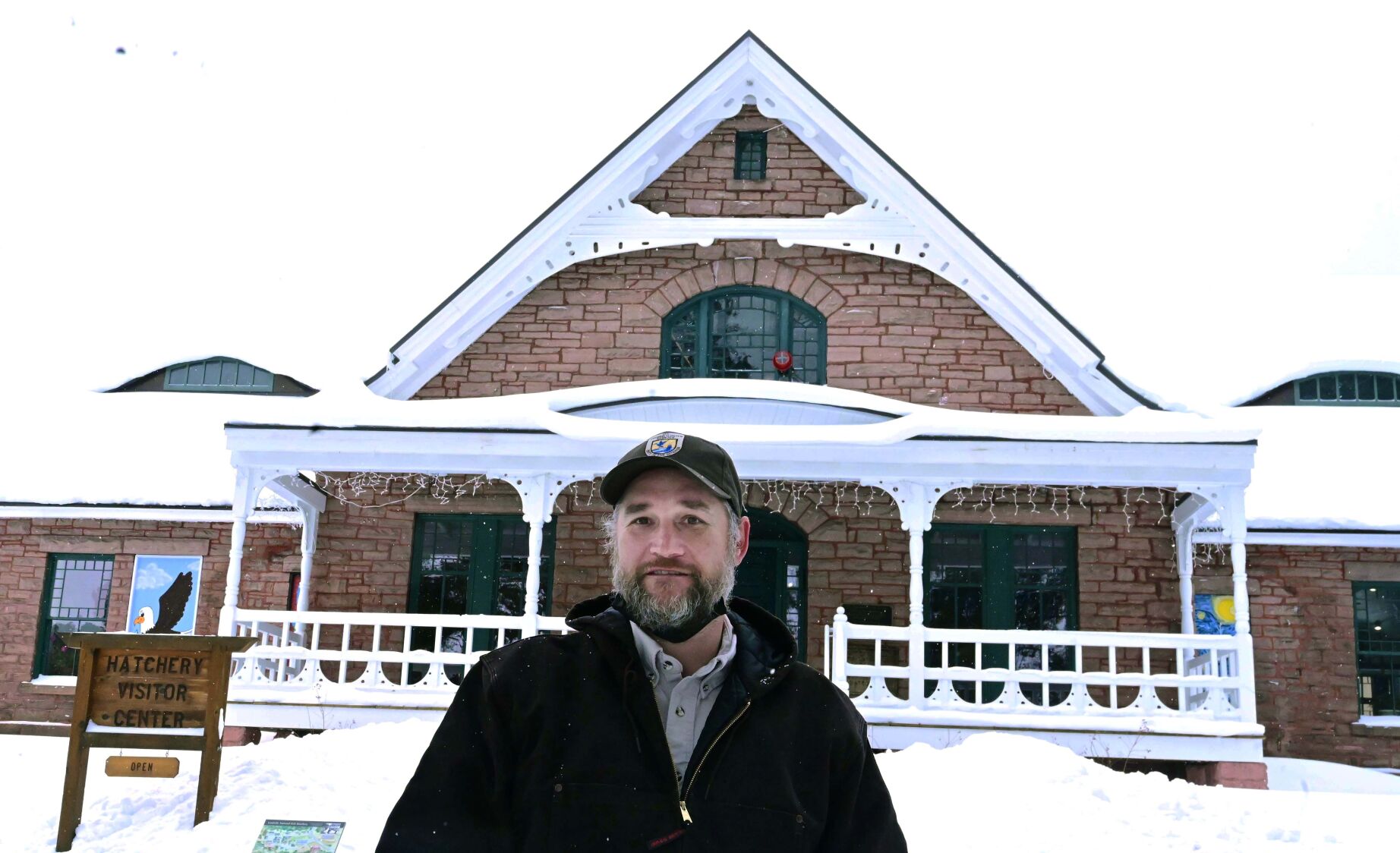
LEADVILLE • At the end of a snowpacked road through willows and evergreens, a Victorian building emerges that looks home to royalty.
Instead, it is home to fish.
“A lot of people are very, very surprised when they come here,” Josh Homer says. “They had no idea.”
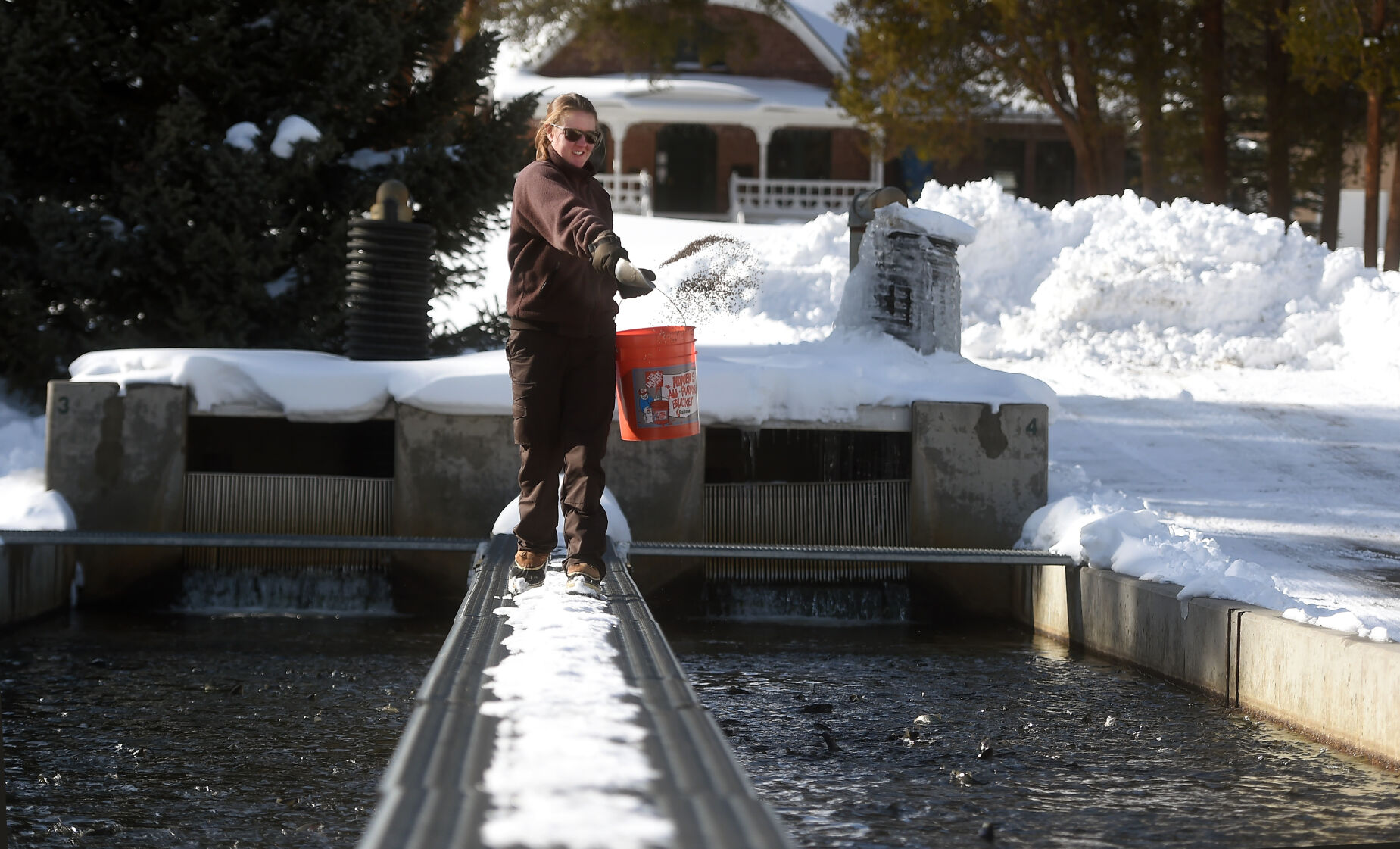
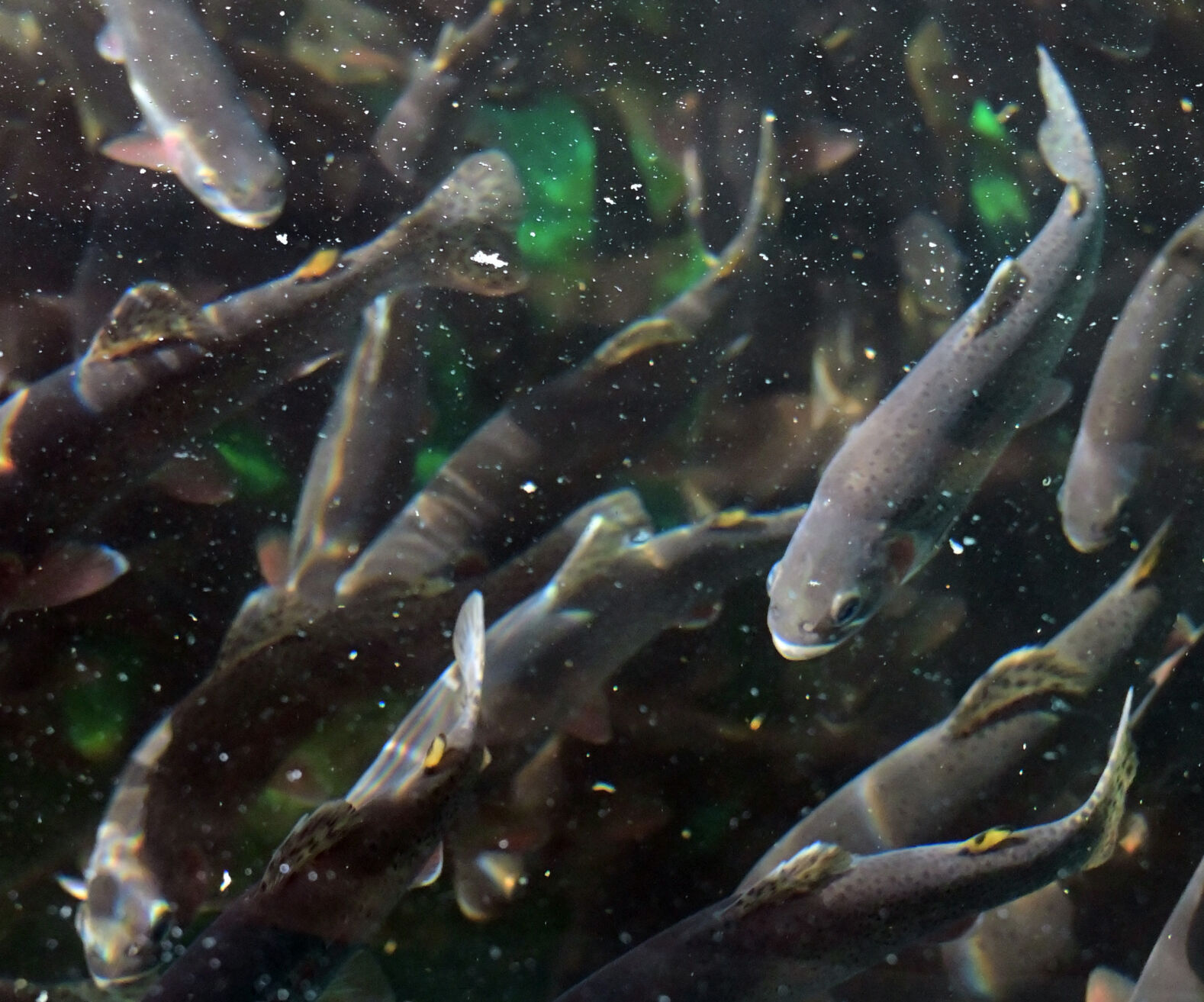
Homer is the tall, bearded manager of Leadville National Fish Hatchery. For 130 years, between these sandstone walls, some of Colorado anglers’ most-desired trout have been raised for catching. They’ve been stocked in some of the region’s most-desired waters, including Turquoise and Twin lakes and streams stretching far beyond. Shiny rainbows typically leave a respectable 10 inches, fed by Homer and the hatchery’s resident hands.
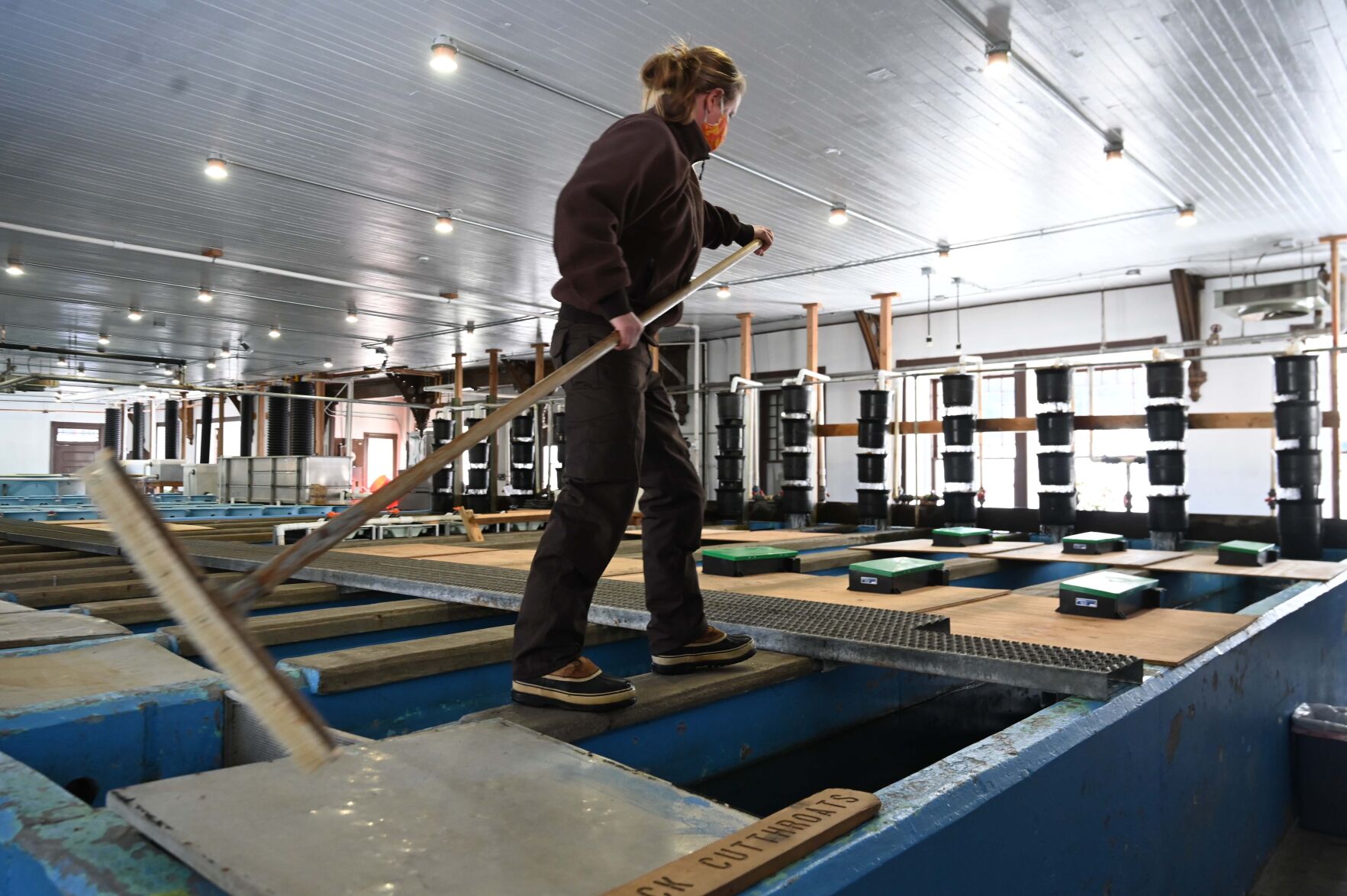
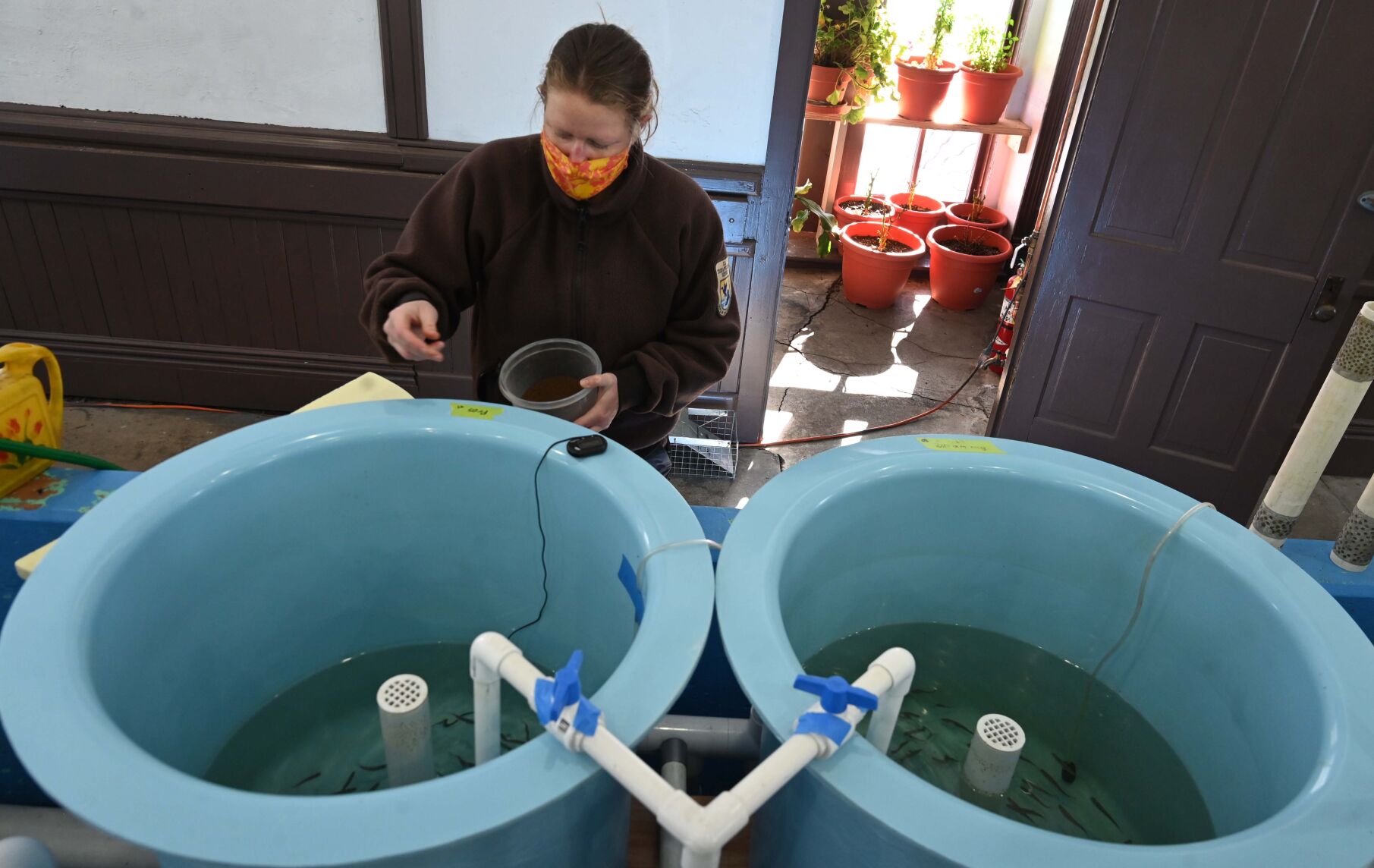
Feeding and tank cleaning are daily chores. In winter, shoveling and plowing are other tasks here above 10,000 feet. People find snow piled high on the hatchery’s historic walls.
They might come to see the fish. Or they might come for the trails in the surrounding woods flanked by Colorado’s highest peaks. Annually, the site sees an estimated 50,000 visits.
“In the summer, there’s an irrigation ditch that runs and trickles down the slope next to the nature trail,” says Judie Cole, with the nonprofit Friends of Leadville National Fish Hatchery. “And I swear there’s elves and fairies that live there. It’s really magical.”
Magical, repeats her husband, Mark. “I mean, the hatchery building itself is like a cathedral.”
A cathedral originally with a soaring ceiling and oak beams. Today, perhaps Colorado’s holiest fish swims here.
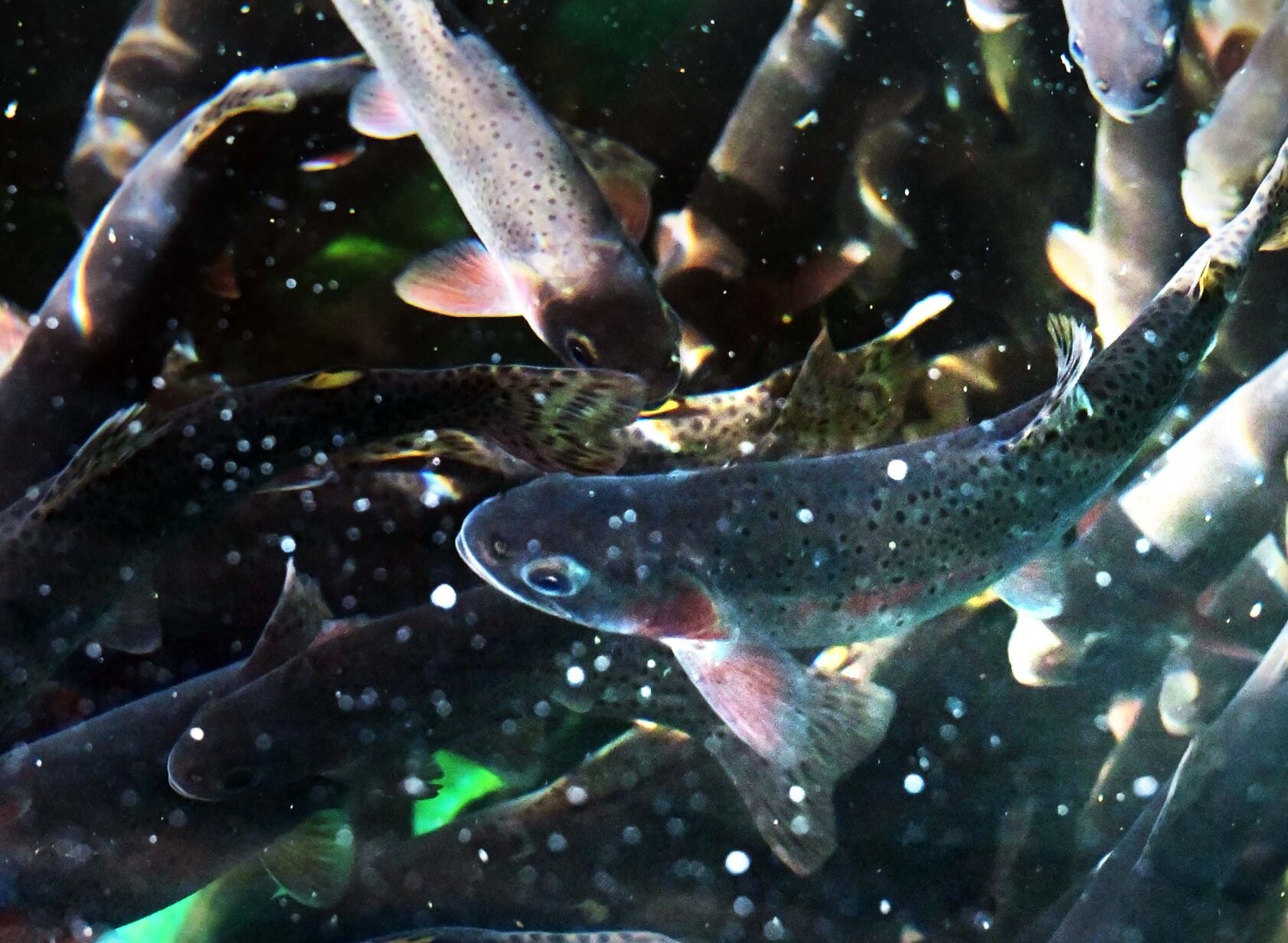
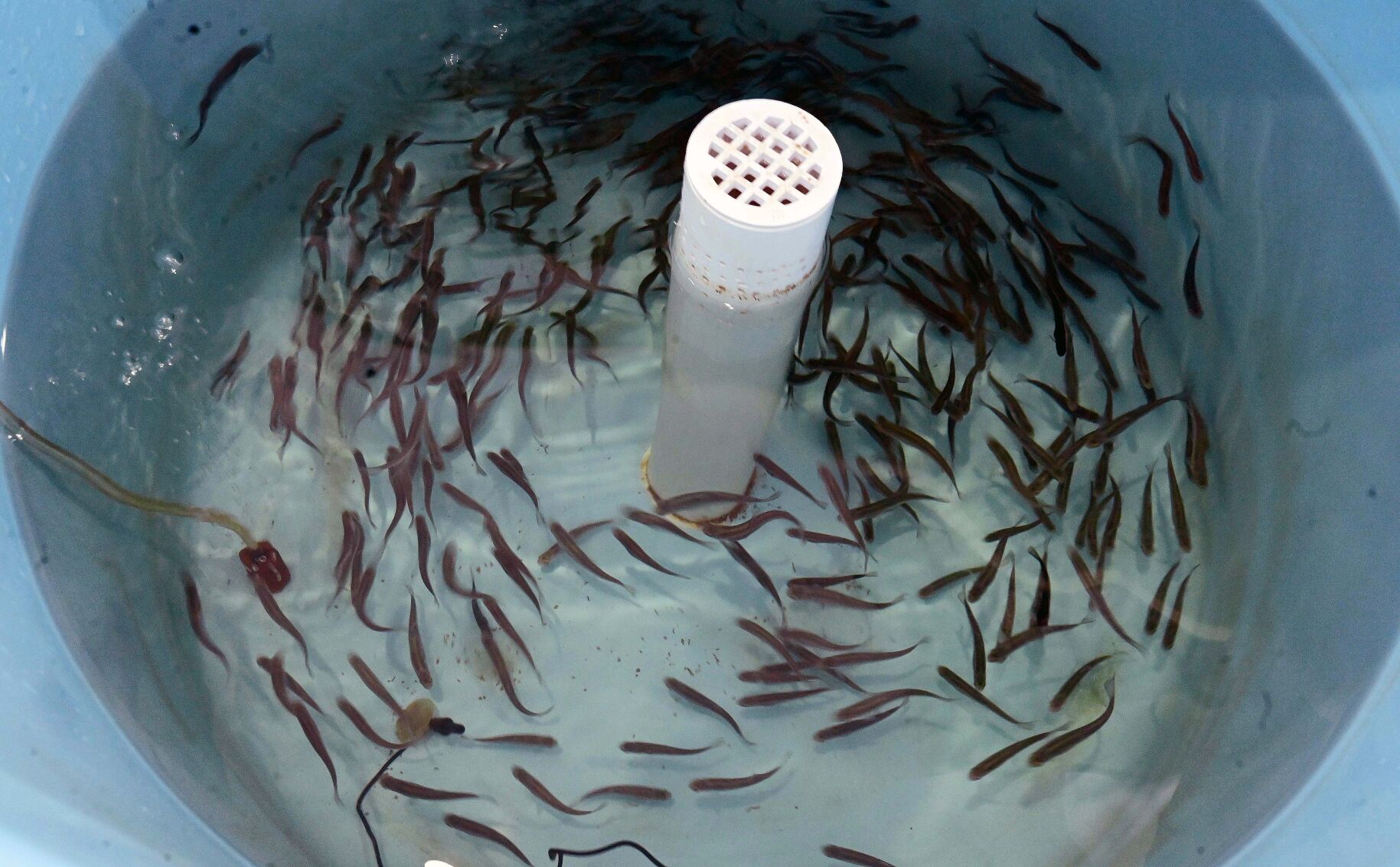
That’s the greenback cutthroat trout, the genetically pure strain thought to be extinct before research earlier this century.
In 2008, 66 adults of the group discovered on Pikes Peak’s Bear Creek watershed were transported to a Salida facility to begin a spawning, restoration effort. That effort continues out of the Leadville hatchery, where the greenbacks are reared and bound for several lakes around the state.
The effort “is still on shaky ground at this point,” Homer says. “Most waters we put these fish into have had a pretty rough go of it.”
The greenbacks are “touchy” and “delicate,” he says, fatally susceptible to disturbances such as water temperature change, dirt buildup and fire. He says the greenbacks struggle to fit into other populations. For example, brook trout “are much more aggressive than the greenback,” Homer says. “They’ll basically crowd them out of an area.”
Still, every summer more of the endangered trout are bred here at the hatchery. Paige Moran, the biologist who lives in the neighboring house, helps with that. It’s her favorite part of the job.
“It just feels exciting to be creating new hope for the future of an endangered species,” she says.
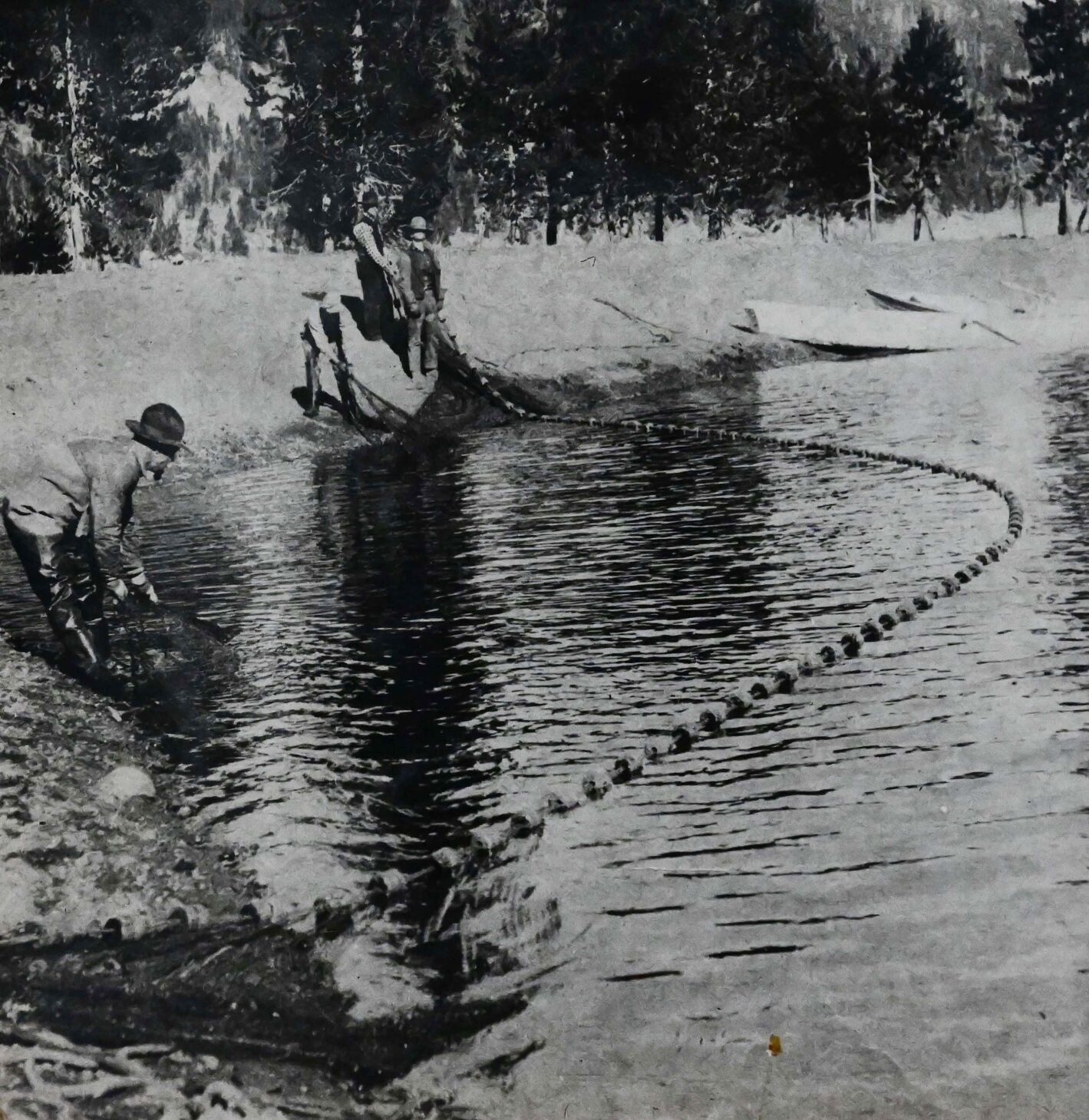
The greenbacks have become the top priority of America’s second oldest federally run fish hatchery. Inside, pictures on the walls show life from this farm dating to 1889, when it was established with President Benjamin Harrison’s signature.
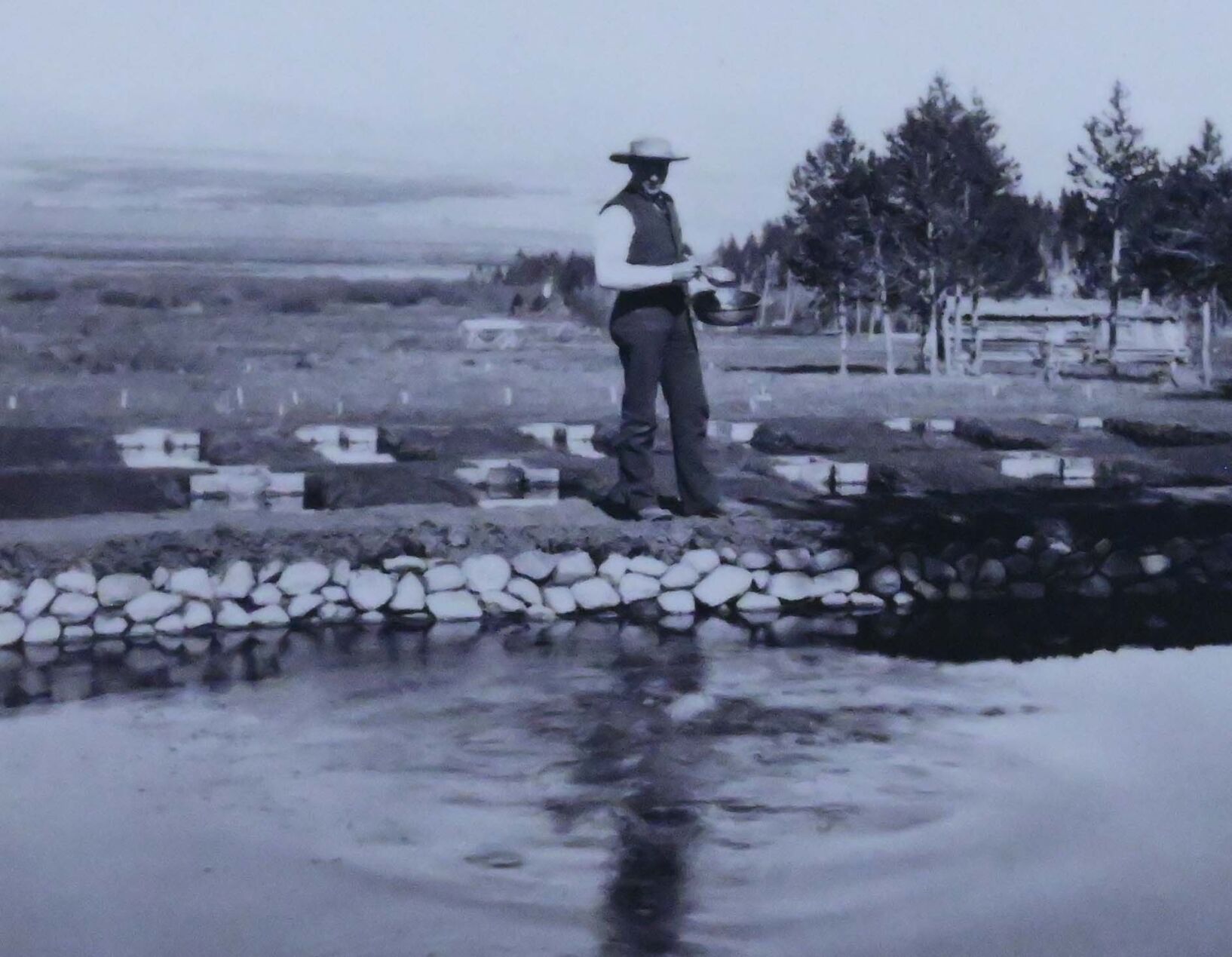
It was established in light of fast, drastic habitat loss noted within Colorado’s first decade of statehood. This was blamed on overfishing and destruction. There were stories of miners tossing dynamite into creeks to get their trout dinners.
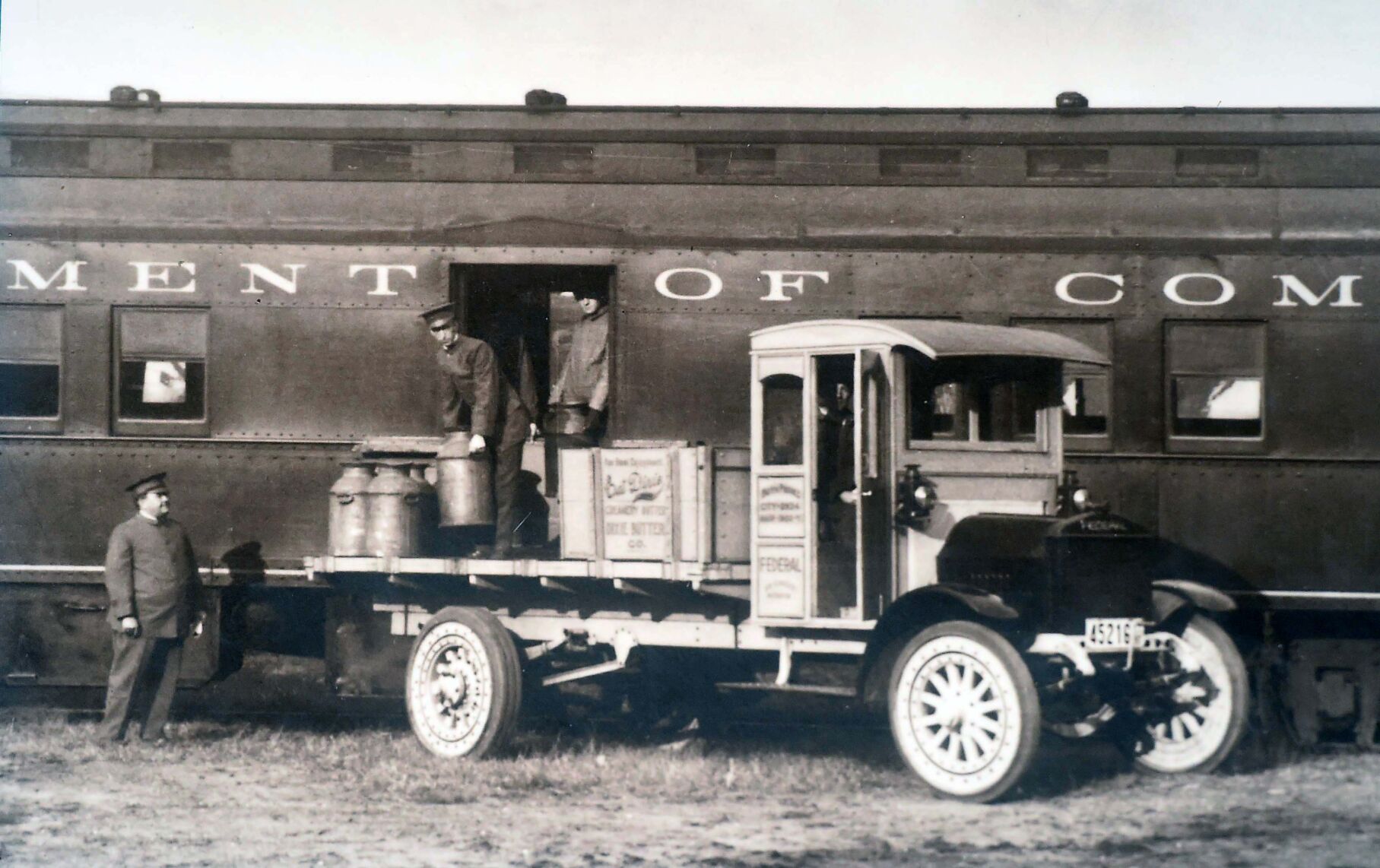
The booming epicenter of Leadville was picked for its sub-alpine surroundings, with cold streams and lakes best suited for the cold-blooded trout. The hatchery would also take advantage of the railroad. Before today’s trucks, fish were transported by milk cans in first-class train cars.
They also were carried into the mountains by horse or mule, a method that inspired tall tales. Remembered one 1898 hatchery employee:
“First (one can) slid off the wagon and a very few (fish) were spilled. Then the top flew out when the mule jumped over a log, and we lost possibly a couple of hundred. Then the rope came out of the handle and the top flew off again but only a few got out.”
The highly sought trout were deemed worthy of such missions. They were worthy of the hatchery building that was finished in 1891. A local newspaper called it “the most magnificent building in western Colorado.”
Read another article: “The hatchery promises to be a great resort for sightseers and those desiring to observe the great insights of fish farming.”
A proclamation celebrating the hatchery’s 100 years called it “an integral part of the Leadville community and economy” and said it “has played a long and illustrious part in the colorful history of Leadville.”
Estes Park-based Chris Kennedy, a veteran fish biologist, has studied that history. The hatchery “has had a big effect on fisheries in Colorado definitely,” he says. “And also throughout the country and even the world.”
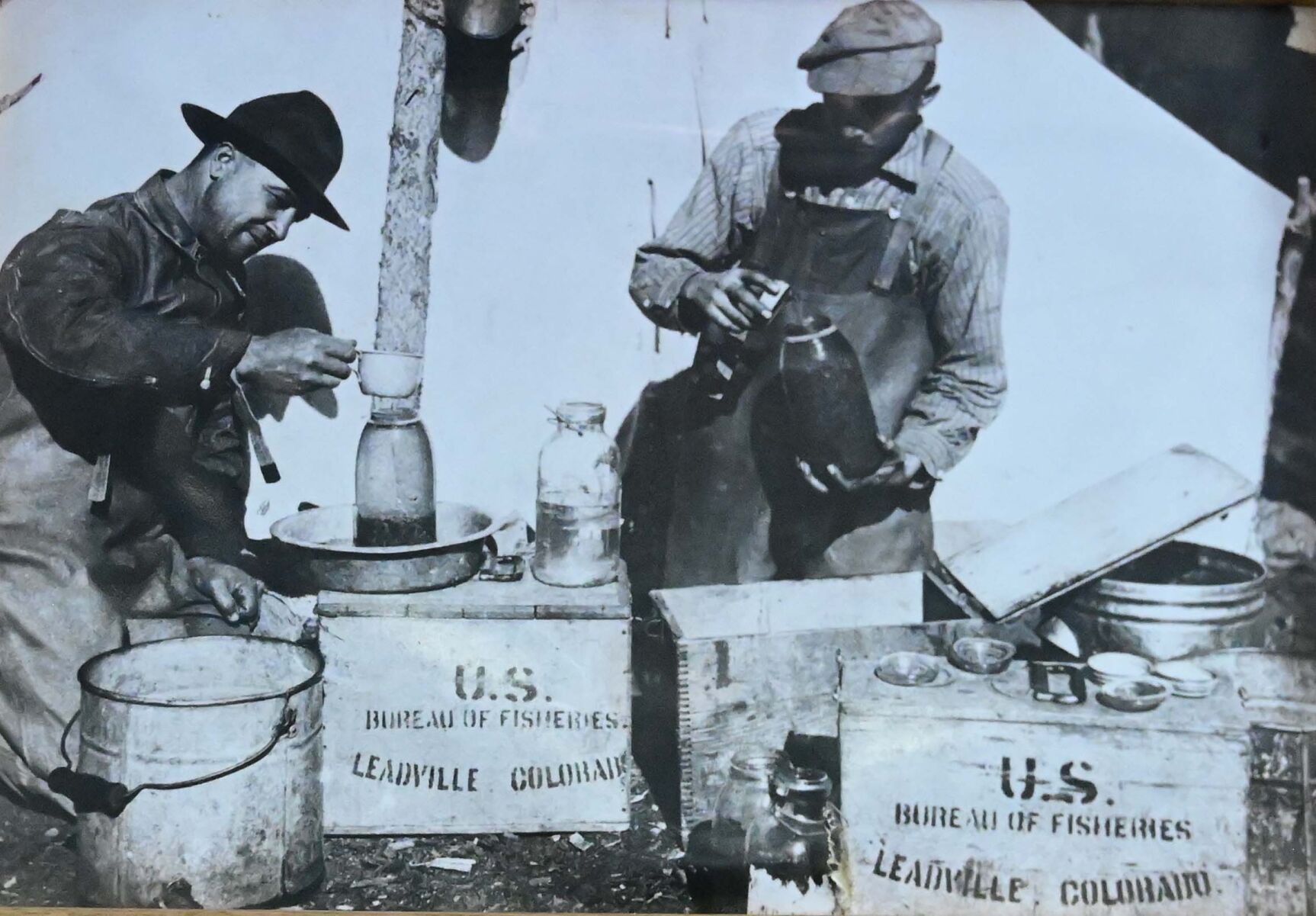
He’s determined that the hatchery has received and/or distributed fish to 37 states, to go along with six countries. That includes Argentina, France, Germany and, according to a 1910 article, “the private preserves of his Imperial Majesty the Mikado of Japan.”
Not many hatcheries can claim that kind of outreach. Of course, not many have lasted like Leadville. Federal funding is always a concern for the team here.
“Over the years, there’s been talk of shutting it down, as there are with hatcheries throughout the country,” Kennedy says. “But the community support there is an integral part.”
That’s what Homer thinks about when he thinks about how the hatchery has stood the test of time. He thinks of kids by the feeding pond.
“There’s just something about fish,” he says. “I think they make people happy.”