







Live Well: Hair loss? You’re not alone
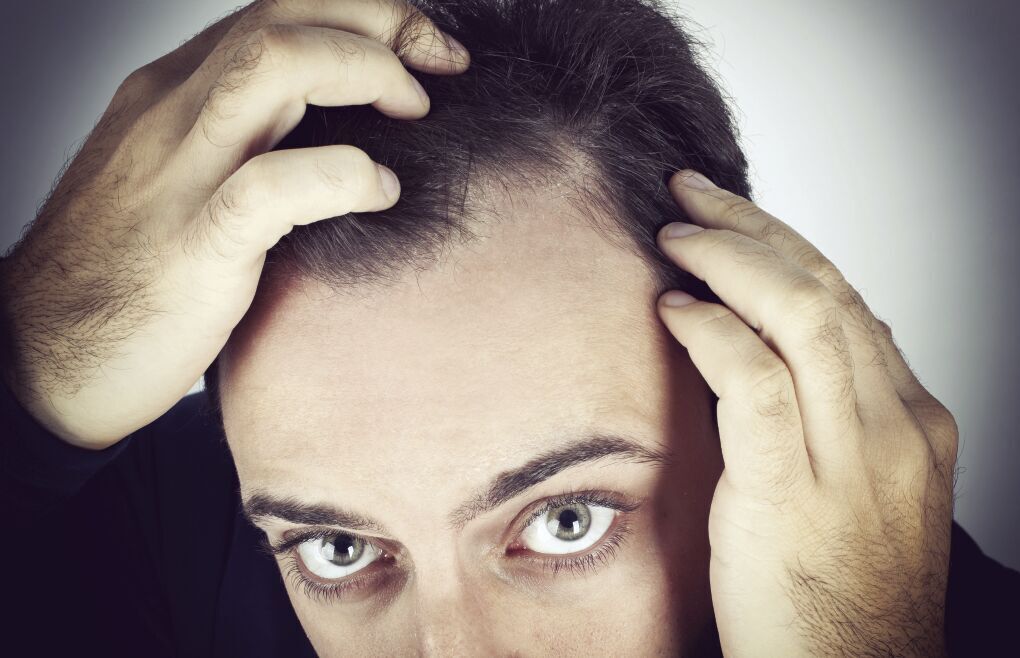
Can you hear that? It’s the sound of our hair follicles closing up shop.
The past almost two years haven’t been kind to our previously lustrous manes. Stress, whether from a global pandemic or significant life event, such as a divorce, job loss or illness, can wreak havoc on our noggins.
Dr. Maria Sheron, a dermatologist at Vanguard Skin Specialists, has seen a noticeable uptick in visits from people experiencing telogen effluvium, the temporary hair loss caused by stress that pushes hair roots into the resting state.
“It’s one of those things that can be triggered by physical exercise, like being hospitalized or certain medications, or losing a lot of weight, but also illness or the loss of a family member or personal stressors,” Sheron said. “Anything that affects the body, medically or psychologically, can induce a type of shedding.”
Live Well: New year calls for small talk, singing, intimacy
But you won’t know it’s happening until about three months after the fact, due to the three-part hair cycle. The anagen phase (growth) can last two to eight years, and refers to about 85% to 90% of your hair. Catagen (transition/shedding) is the two to three weeks when hair follicles shrink. Telogen (resting) lasts about two to four months, and at the end, the hair falls out.
“Everybody’s growth phase is different,” Sheron said. “That’s why some people can grow their hair longer.”
Typical hair loss is about 100 to 150 hairs per day, but you’ll be the best judge of what’s happening on your own head. And if you do ascertain something abnormal is happening, what can be done to resolve the stress-inducing situation?
First, stop stressing about it. Yes, easier said than done, but more stress could equal more hair loss. Second step? Sadly, there is no second step except to wait it out. The situation will resolve itself once the stressor is removed from the equation.
Nothing has been scientifically proven to make a huge impact on the process, Sheron said, though sometimes she suggests topical application of minoxidil, which is generic for Rogaine. It might switch hairs into the growth phase. Most of the time, though, telogen effluvium will stop on its own.
Colorado Springs writer’s new poetry collection themed around state’s historic accident
“If you’re having shedding hair loss, it’s important to follow up with a dermatologist, as it could be other reasons,” she said. “Most of the time with patients, we’re running panels of labs to make sure it’s not internal, like anemia or a thyroid disorder.”
And if a stressor can’t be removed, such as this seemingly never-ending pandemic? You must find ways to manage the stress, such as therapy, meditation or exercise.
What’s your breakfast choice? Are there any rules? | Live Well
Above all, it might help to know dermatologists across the U.S. are seeing an increase in this type of hair shedding in clients.
“I reassure patients they’re not alone,” Sheron said. “Because of the pandemic and everything everyone’s experiencing, this is not something unique to them.”
Contact the writer: 636-0270