




Here’s how 5G could impact flights in Colorado
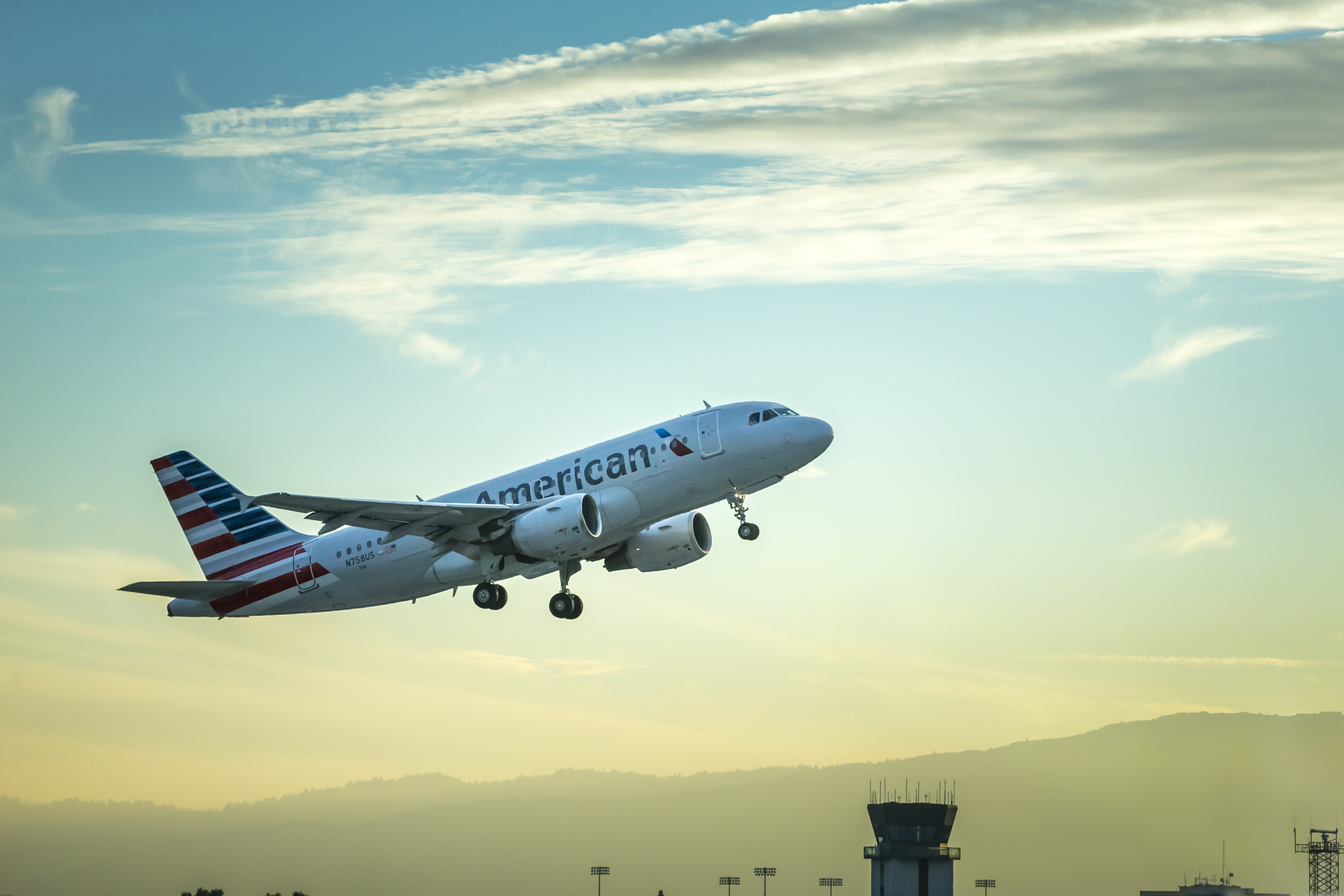
On January 19, AT&T and Version launched their long-anticipated, “ultra-fast” 5G wireless service across the country.
While it was a victory for the companies, with the launch being previously delayed, the aviation industry is approaching 5G with caution.
5G C-Band transmissions have shown to be disruptive to radar altimeters, which are used to detect the distance between the plane and the terrain immediately below it. Interferences with the technology can cause landings to be more difficult, especially when visibility is decreased by weather.
In a statement on Thursday the FAA estimated that around 78 percent of the U.S. commercial fleet were able to perform low-visibility landings at airports where 5G C-band had been deployed.
“The agency continues to make progress to safely reduce the risk of delays and cancellations as altimeter manufacturers evaluate data from the wireless companies to determine how robust each model is. This work has shown some altimeters are reliable and accurate in certain 5G areas; others must be retrofitted or replaced,” the Federal Aviation Administration said on their website.
Denver International Airport will not be affected by the most recent roll out of the service, because there is not an active 5G tower in the area.
In a statement to CBS Denver DIA officials said, “Thanks to visionaries like Federico Peña who chose our location, we are removed from the urban core and the impacts we could experience are very different than those at other airports. That being said, impacts at other airports may affect DEN and could result in flight cancellations or diversions. We are working closely with our airline partners and will continue to support them as needed.”
Senior Public Communications Specialist for Colorado Springs Airport Dana Schield had this to say regarding 5G:
“Under the FCC’s rules, actual wireless broadband deployment will occur in phases with operations beginning only in the lower 100 megahertz of the band (3700-3800 MHz) and only in 46 ‘markets’ as of December 5, 2021.
The “markets” are defined by the FCC as Partial Economic Areas. The deployment will be in PEAs 1 through 50 (not including 5, 11, 20, and 42). COS is in PEA 91 (El Paso and Teller Counties) and is not one of the markets where this deployment will occur. That is why COS is not one of the airports affected.”
Earlier this year, the FAA released a list of airports across the country that will have dedicated “buffer zones.” Wireless companies have agreed to shut off 5G C-band transmitters and make other adjustments near these areas, according to the FAA.
“Traffic volume, the number of low-visibility days and geographic location factored into the selection,” the administration said in a release on January 7.
STAY INFORMED: Sign-up for the daily OutThere Colorado newsletter here
Get OutThere
Signup today for free and be the first to get notified on new updates.
PREV
PREVIOUS
Tips from Colorado Springs runners for training during winter weather
When winter comes knocking, runners might find themselves not wanting to leave the house. Gone are the simple days of throwing on shorts and a T-shirt and heading out the door. Here come the days of checking the weather and prepping for the worst. It brings up frequent conversations at running shops like RNK Running […]

New rule takes aim at single-use utensils in Denver, statewide plastic bag ban on the way
In case you haven’t heard, a new rule was implemented in Denver in January 2022 and it may be something you notice during your next dining experience. Denver restaurants and third-party delivery services are no longer allowed to provide single-use items, such as utensils or condiments, except upon customer request, according to a new ordinance approved by the […]