







Former Colorado ski bum’s new book explores imperiled state of sport’s culture
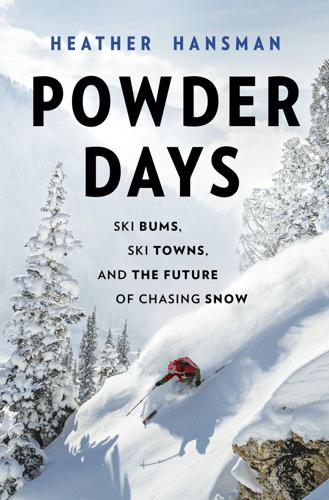
Heather Hansman’s book “Powder Days” is both a celebration of skiing and a lamentation about the future of ski culture as we know it.
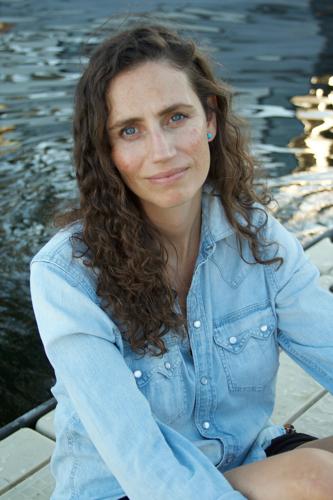
Heather Hansman feels a mix of emotions when she thinks of friends still working in the ski industry. It was that grand idea of being a ski bum that brought her to Colorado for several years starting in 2005.
“There’s a level of jealousy,” said Hansman, 38. “But I also see how hard it is.
“I have friends who are ski patrollers, who now don’t have much space to move up and are older, and the stress that’s put on their bodies for years. And you think about trying to buy a house, or trying to have a kid. A lot of my friends are trying to go through that now, and there’s just pressure.”
It was that kind of ruminating that led Hansman to write “Powder Days: Ski Bums, Ski Towns and the Future of Chasing Snow.”
The book comes in the middle of a well-traveled career for the Seattle-based journalist, previously an editor for Skiing and Powder magazines. It comes at a time of intense tension across the industry, where issues of economics, equity and environment seem to have reached a tipping point.
While “Powder Days” is a celebration — an ode to blissful youth in the mountains and generations of rebellious, persevering bums — it is also a lamentation and stark warning for the future of ski culture as we know it.
Hansman’s is a harsh, clear-eyed evaluation of the landscape. She delves into the darkness behind the sparkle of today’s increasingly corporatized mountain towns, including the darkest corners of depression; suicide is a surging trend in the high country. She takes readers on a thrilling, sweeping tour of America’s great slopes, introducing refreshing relics of the past along the way. But always, she brings readers back down to a grim reality.
“There’s definitely some bitterness,” Hansman said in reflecting on her deep reporting, which mostly took place in 2018 and 2019. “But there’s also this tenderness.”
She refers to it often as an “ache” in the book. It’s a “knocking ache of nostalgia” she feels back at Beaver Creek, where she started her ski bum career before grad school in Boulder. It’s “a feeling like the raw real soulful parts of my life are behind me,” Hansman writes. “They look better in the rearview.”
She marks up her teenaged longing for that life as buying into a myth. A myth often bought by East Coast natives like herself, she concedes, calling herself part of the stereotype as “able-bodied, white, straight, financially cushioned.”
Hansman connects the ski bum myth to the broader myth of the “go west” mantra, that call to explore and claim. “That’s a white, colonialist construct that erases Native American history, and it’s thankfully fallen out of favor,” Hansman writes. “But the notion of exploration as a measure of one’s ability, one’s worthiness, still persists for me.”
As it does for today’s bums. An early wave was born after World War II, when soldiers training on skis at Leadville’s Camp Hale went on to build resorts, including Vail. The industry “largely shifted from 10th Mountain veterans to real estate developers,” Hansman writes.
And the need heightened: “workers, preferably young people, willing to perform menial labor in exchange for a ski pass.”
The housing issue across ski country is not a new issue, she notes. But it has risen to crisis levels amid a shrinking middle class, the shot-calling rich getting richer, and “images of idyllic isolation” that prevent necessary changes, like increased density, she argues.
The lack of diversity is another issue not new; it’s one only being talked about now and addressed with invites, for example.
In the book, a Black skier points out “tokenization” as a way to ignore systemic disparities in communities of leisure. “It really addresses communities who like to think of themselves as woke or progressive,” he says, “but shows how blind you have to be based on the kind of world you create around you.”
Those issues are “super critical,” Hansman said in an interview. “But none of it’s relevant if we don’t have a livable planet or winter.”
In the book, she quotes Joel Gratz, a well-known snow meteorologist in Colorado who looks at historical data and says: “You don’t need a degree in meteorology to see that seasons will get shorter on both ends.”
Pockets of powder were around for Hansman to chase with an idol, Rachael Burks. Author and athlete talked about their shared worries and the uncertain future.
“But man,” Burks remarked. “Wasn’t today fun?