







Live Well: Be your own Fitbit
THE ASSOCIATED PRESS
We have become a world of data collectors.
Or maybe we always have been.
As a young man, my grandfather started every journal entry by writing about the weather. I found it puzzling. Why keep track of something so seemingly mundane? And then I realized I do the same thing. Not about temperatures or cloud cover, but I regularly begin my journal entries with descriptions of dreams and possible meanings, and then a sentence or two about how much sleep I got the previous night, how restful it was and, less regularly, what time I fell asleep and woke up. Dull to an outsider, I’m sure, and yet I feel compelled to pay attention to my circadian rhythm.
And I wondered — are we all obsessed with compiling the statistics of our lives?
Live Well: Age is nothing but a number, but often a younger number
My editor writes down his Manitou Incline times. My friend keeps track of multiple things: his meditations, his calories, the number of days he’s been sober. Another yoga teacher tracks the date and length of her meditation sessions. Men at the gym carry notebooks around and jot down how much weight they lifted, along with their reps and sets. Other people note the number of steps they take every day.
Do we do this with the hopes of feeling more in control of our lives? To watch our progress? For fun? To maintain accountability? Perhaps all of the above. I’m not sure why I keep track of sleep, though I do marvel at my body’s ability to get precisely eight hours, to the minute, on a good night. Keeping track of dreams is easy to understand, as they’re often rich with symbolism and insight into my psyche.
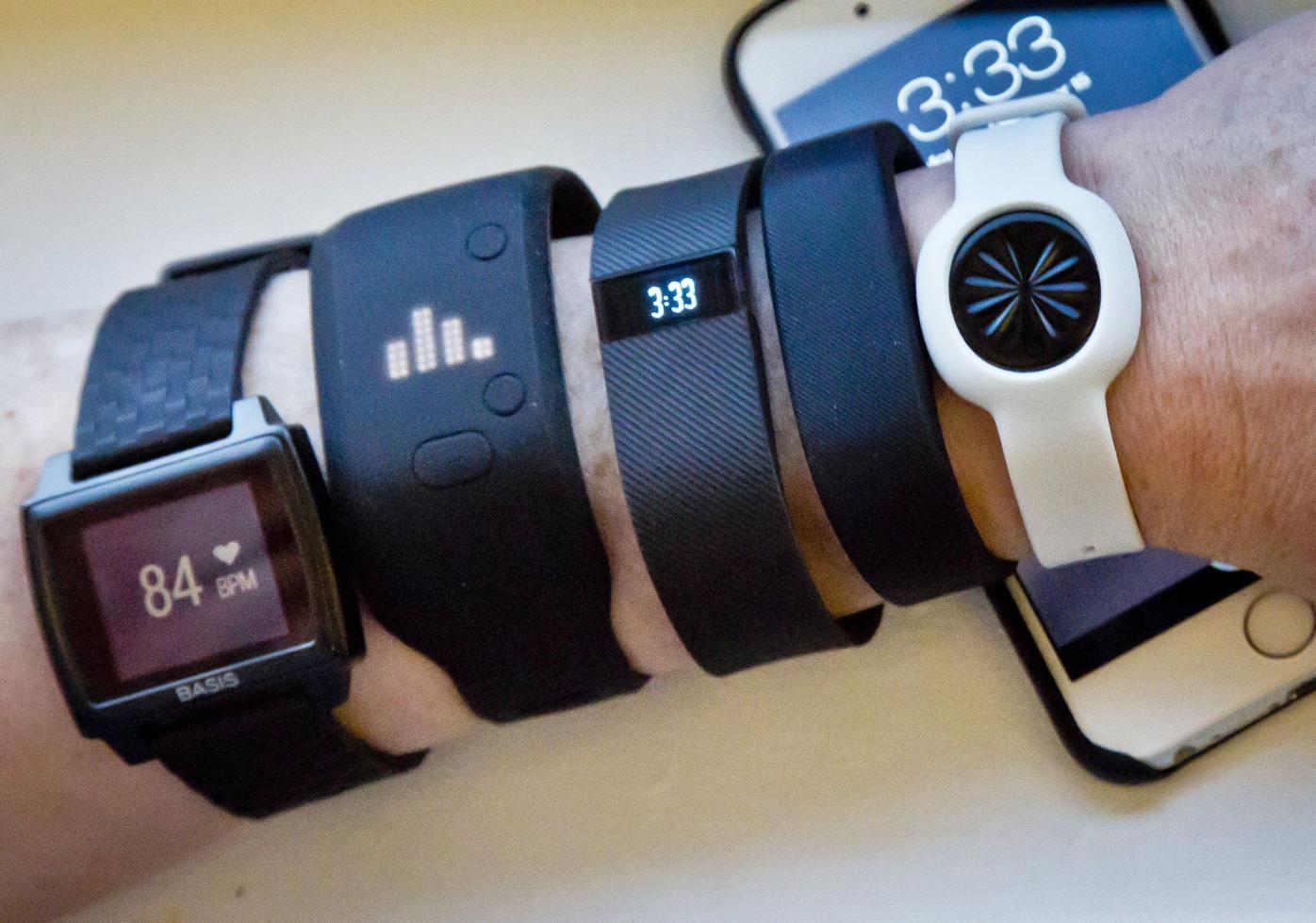
The tech gurus certainly have profited off our compulsions to collect data. Chances are good you’ve just checked your heart rate on a smart watch or Fitbit — the company sold more than 10 million devices in 2020. Or maybe you’ve looked to see what your Oura Ring concluded about the quality of last night’s sleep. Oura says it’s sold more than 500,000 rings.
I’m of varying opinions on this ability to track our stats via thingamajigs. Some days I wish everyone would remove whatever device might be measuring their body’s output and start being in their actual body. Feel it from the inside out, versus having some gizmo tell you how you’re feeling.
Are we really so disconnected from our bodies that we can’t tell if we got enough sleep last night? Or if we moved our body enough during the day? Or how stressed we feel? We’re contracting out the work of being in a human body to doohickeys and sometimes I don’t know if I’m believing what they’re selling. Can an app really measure your body fat?
Live Well: Hair loss? You’re not alone (copy)
And, of course, by using these contraptions even more of our precious time and attention is sucked dry. And we’re already walking around on empty as it is.
Undoubtedly, there are benefits to such devices. It can be motivating to watch the number of your steps accumulate. And maybe a poor Oura readout will shame you into turning out the lights a couple of hours earlier.
Live Well: New year calls for small talk, singing, intimacy
But I do think reliance on such technology is a disservice in the end. And maybe this is why we naturally gravitate toward writing our stats down. We subconsciously want to understand our body’s own pattern — what feels good, what doesn’t, what brings greater health, what doesn’t.
I’d argue most of us already exist more in our heads than our bodies. We need to rectify that. In my dozen years of teaching yoga, there wasn’t a class that went by without me advising students to “Listen to your body.” That’s still advice I stand behind. Take back your power. Learn to hear your body because I wholeheartedly believe it’s telling you what you need to feel better.
Be your own Fitbit.
Contact the writer: 636-0270
Contact the writer: 636-0270