







Bird Call: No backyard? No problem. Try live bird cams

Collared aracari show off for The Cornell Lab’s Panama fruit feeder live cam. (Courtesy of Cornell Lab Bird Cams — AllAboutBirds.org/Cams )
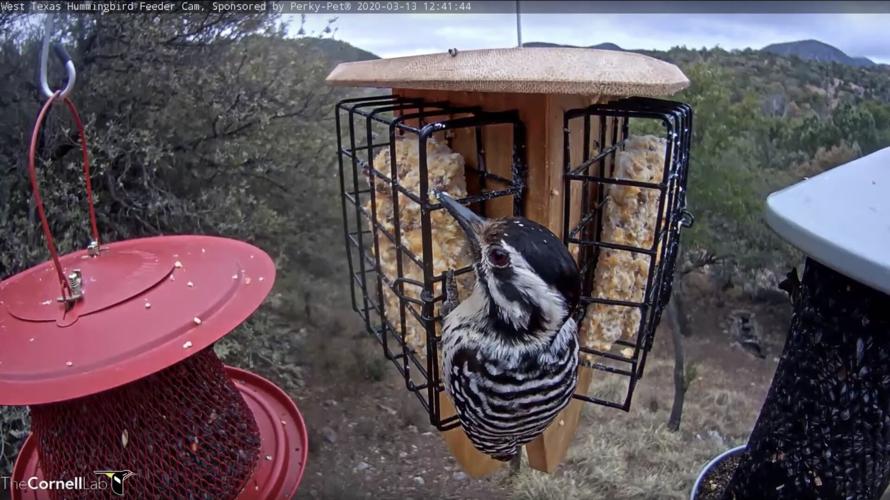


All is quiet on the Western front.
The winter morning is dark and cold, and I can’t see the bird feeder hanging in my backyard. It’s too early for most things, except bird watching in Panama, thanks to The Cornell Lab’s live bird cam.
The birds, in their Eastern time zone, have two hours of the day on me, and they’re making the most of it. Species I’ve never heard of peck away at slices of unpeeled banana and halved citrus fruits that dangle from branches over a feeding table littered with more fruit. The morning is warm and moist in their tropical paradise, already 75 degrees, which sounds mighty nice right now, compared to our 16 on this day.
The background noise of the low mountains of Cerro Gaital, where Cornell’s Panama fruit feeder live cam is located, is comforting. Bird song trills through the air, and you can hear the Rio Guayabo stream flow by. The feeding table is about 40 feet from Canopy Lodge, an ecolodge that’s now tugging at my vacation heartstrings.
Here I sit, at my kitchen table, doing my own pecking, but at a laptop, as I watch a crimson-backed tanager cruise by for a quick nibble. And guess what? Panama squirrels are no different than our own greedy bird food-thieving squirrels. Find this live cam and others by Cornell Lab by going online to allaboutbirds.org/cams.
Bird Call: What to do about backyard thugs?
You and I won’t be the only gawkers. Cornell’s live cams, part of Cornell Lab of Ornithology, a nonprofit devoted to bird conservation, are watched by millions of people.
“In the last six to eight years, people have watched for 4 billion minutes. That’s like 7,600 years,” said Charles Eldermire, bird cams project leader for Cornell Lab of Ornithology.
“When we crossed that first billion minutes threshold, that was cool. A billion minutes takes you back to the birth of Christ. All the people watching had spent that amount of time watching our content. It’s only increased since then.”
Cornell began posting live content from nest box cams in 1998, offering a new photo every 30 seconds. In 2012, better technology allowed it to jump into livestreaming. There are six or seven live cams now operating. During breeding season, that number increases to about 15.
“The lab was quick to recognize the compelling power of connecting people to birds on the internet — real live birds, not a documentary, not a bird expert telling you what you’re looking at,” Eldermire said, “but trying to spark somebody’s interest and emotional connection because they’re having an authentic experience the way you would if you saw a bird in your backyard.”
Current cams include royal albatrosses in New Zealand or the very intimate Sapsucker Woods feeding station in Ithaca, N.Y., where Cornell is. The other day a black-capped chickadee indulged in some snacks inches from the camera, giving me a chance to ogle its tiny, adorable face and feathers.
Eldermire echoes the joy in being able to watch a bird up close, particularly after he sets up a new camera.
“Seeing birds through the camera for the first time is an incredible feeling,” he said. “And the bird doesn’t know it’s being watched. It’s the ultimate voyeurism. You no longer have to worry about your behavior affecting that bird’s behavior. You get to sit back and let the bird be a bird. It’s a gift.”
Nature’s clean-up crew: Meet the vultures at Cheyenne Mountain Zoo
I’m also partial to the cam in Ontario, Canada, where it was recently a brr-worthy -2 degrees. If you time it right, you can hear the crunching of Tammie Haché’s feet across the snow, as she cleans and restocks the feeders midmorning. Haché, who hosts the Ontario cam, patiently wipes snow out of the feeders, scrapes old seed hulls off the feeder tray, then refills them with peanuts and black oil sunflower seeds. Task accomplished, she crunches the snow as she walks away off camera. If you’ve spent time zoning out to ASMR (autonomous sensory meridian response) videos on YouTube, you know the calm and tingly feeling you can get by watching and hearing such movements.
“That’s Tammie, a devoted bird watcher,” Eldermire said. “She’s in a cool place. We get neat songbirds you’d never see in the Lower 48.”
The women in my family are as devoted to the cams as I am. My mom is glued to Cornell’s great horned owls cam in Savannah, Ga. When mama owl finally turned in her nest, revealing her face and at least two eggs to my mom for the first time, she fired off an excited email telling me to tune in. And my aunt in Florida also can’t stop: “I, too, am addicted to these bird cams! I especially like the Ontario one. It’s snowing there this morning and (there are) so many different birds. It brings back wonderful memories of shoveling snow paths to the bird feeder in Vermont and feeding/watching the birds. I sure do miss that.”
The cams are wonderful, no doubt, but Eldermire reminded me of the potential down side: Mother Nature does not always provide happy endings when it comes to the cycle of life. Things happen in the nests and at feeders that can cause cam watchers extreme anxiety. Baby birds don’t always make it, such as the hawk nestling that had an injury around its mouth and didn’t fledge the nest with its siblings. A wildlife vet was able to bring the nestling inside and found internal injuries. The bird didn’t survive.
Bird Call: Crows, glorious crows; smart, chatty, loud
There was also the bald eagle that brought a cat back to the nest as dinner.
“You can imagine how people felt about that,” Eldermire said.
And the blue heron nest that got attacked in the middle of the night by a great horned owl.
“People said you need to do something about the owl,” he said. “We don’t. I hear you, and we care about the herons, but also about the owl. Two years later we have a camera on a great horned owl nest and suddenly everybody’s cheering when they bring in something. It’s very much in the eye of the beholder. If there’s something natural happening on camera we don’t intervene. But if there’s an anthropogenic source for that potential bad thing happening we would consider intervening, if it seems safe for everybody and for us.”
Cornell Lab Cams are only one of many live bird cams set up around the globe, but what I like about these particular cams are the photos and descriptions of birds that might visit the feeders that run alongside the cam on the website, so you’re not left wondering what the heck was that orange-billed, yellow-footed bird with the call like a firetruck siren. (That’s a made-up bird. Please don’t get angry with me, birders.)
There’s also the festive and populated Allen Birdcam, which can be found online at allenbirdcam.com. In a suburban garden in Pretoria, South Africa, visitors include Diederik cuckoo, Fischer’s lovebird, spotted eagle-owl and fruit bats.
Closer to home is the Redstone live cam along Colorado 133, where a block of suet, a bird feeder and pinecones covered with probably some kind of nut butter quietly hang from a post. Find it online here: coloradowebcam.net/camera/bird-watching-redstone-webcam-hwy-133.
And closer yet is the live cam set up in the parking lot outside Wild Birds Unlimited at 3350 N. Union Blvd. Owner Heather Weber-Langvardt was inspired by The Cornell Lab cams, in particular the Panama fruit feeders and a hummingbird nest cam in California.
Find the store’s cam by going online to YouTube and searching for Wild Birds Unlimited of Colorado Springs.
“Cornell’s is in the middle of nowhere,” Weber-Langvardt said. “We thought it would be fun to do one that’s in a more urban setting.”
Contact the writer: 636-0270
Contact the writer: 636-0270

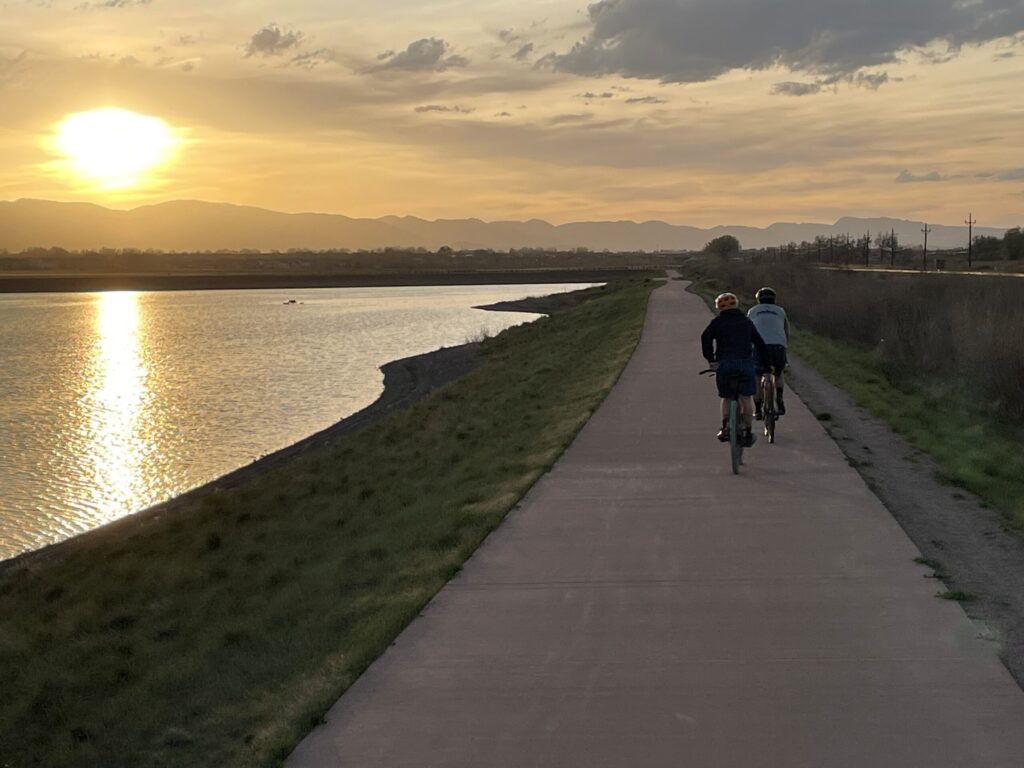
‘A major accomplishment’: Poudre River Trail nears completion, touring 45 miles in northern Colorado
Seth Boster
seth-boster@denvergazette.com
Updated 8 hours ago
In northern Colorado, around a leafy preserve fed by the Poudre River and old farmland left between ever-growing neighborhoods, crews have been building a trail that will stretch about a mile. Only about a mile ー fairly small in one...

Seth Boster
Reporter
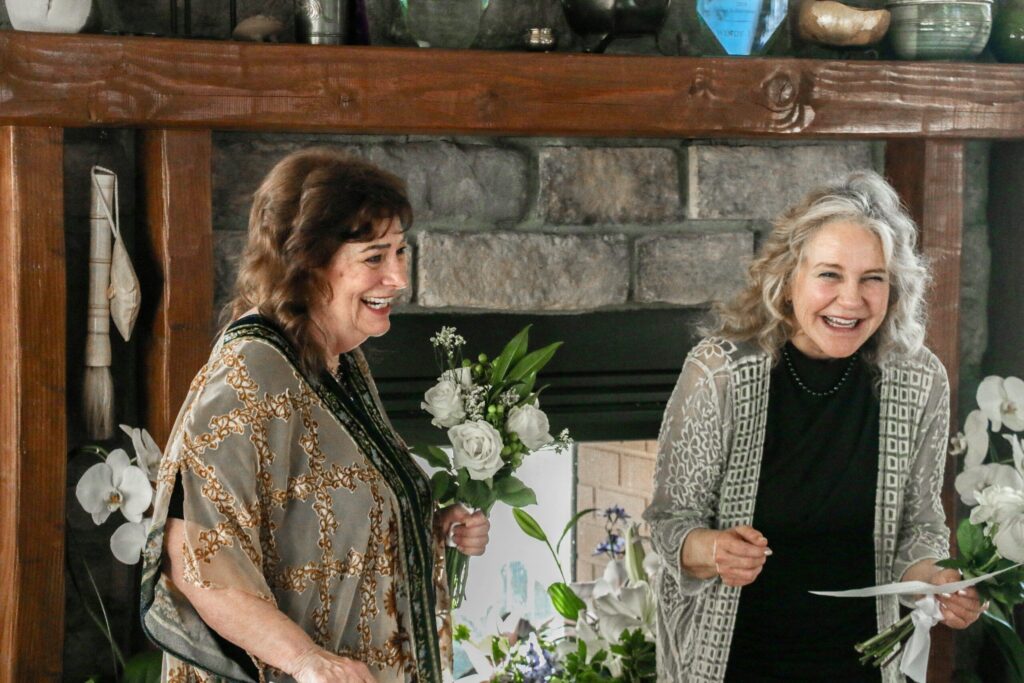
Why two widows who loved the same man married each other
John Moore
john.moore@denvergazette.com
Updated 2 hours ago
The marriage of Wendy Ishii and Bo Dimon is the story of creative conflict resolution, forgiveness and financial pragmatism LAPORTE – When Bo Dimon learned that Wendy Ishii keeps a voodoo doll of her on her fireplace mantle – and she...

John Moore
Reporter
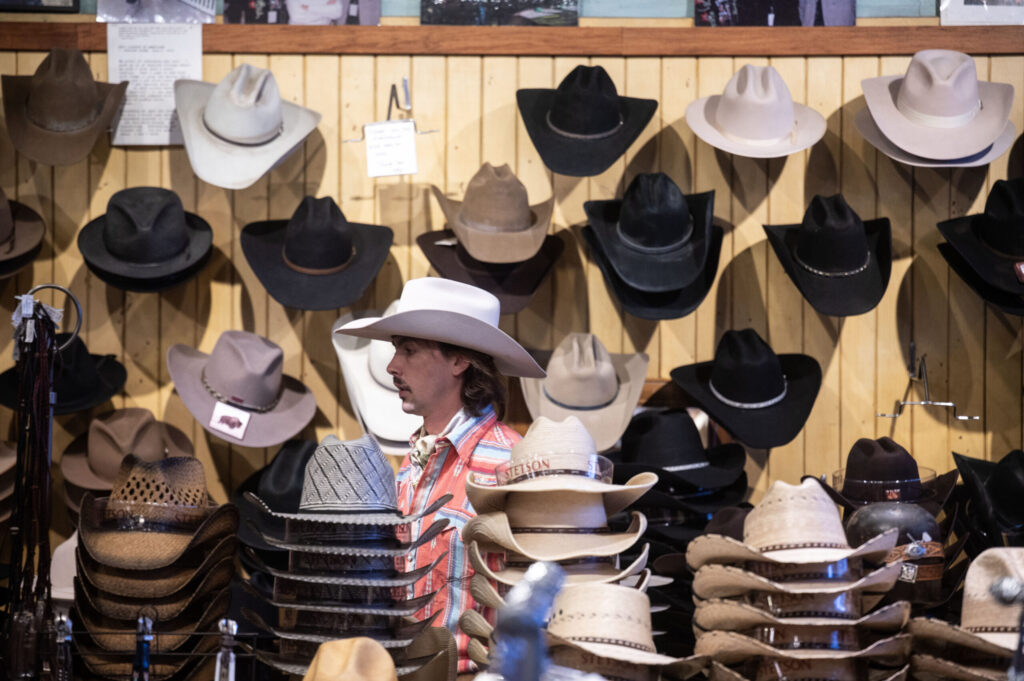
Rockmount — maker of Western wear for rock stars and truckers — turns 80 this year
Bernadette Berdychowski
bernadette.berdychowski@denvergazette.com
Updated 2 days ago
While most clothing labels follow the latest trends or aim to make new ones, Rockmount Ranch Wear is content with the Western style it fashioned nearly 80 years ago. Its Lower Downtown shop — showcasing the Western wear it spread...

Bernadette Berdychowski
Reporter
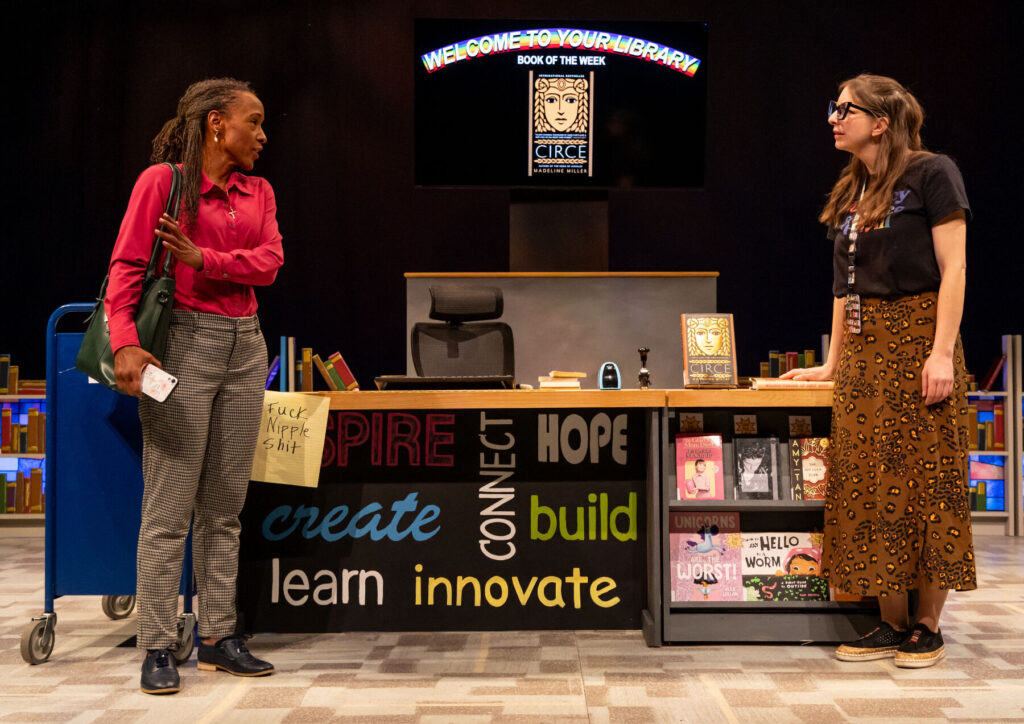
This winter, treat yourself to theater with music, mirth or meat on its bones
John Moore
john.moore@denvergazette.com
Updated 4 days ago
The top 2026 trend in local theater: Companies are moving their plays from city to city staged for your enjoyment and convenience There is an embarrassment of riches on Colorado theater stages this winter. And, to a growing degree, you...
John Moore
Reporter
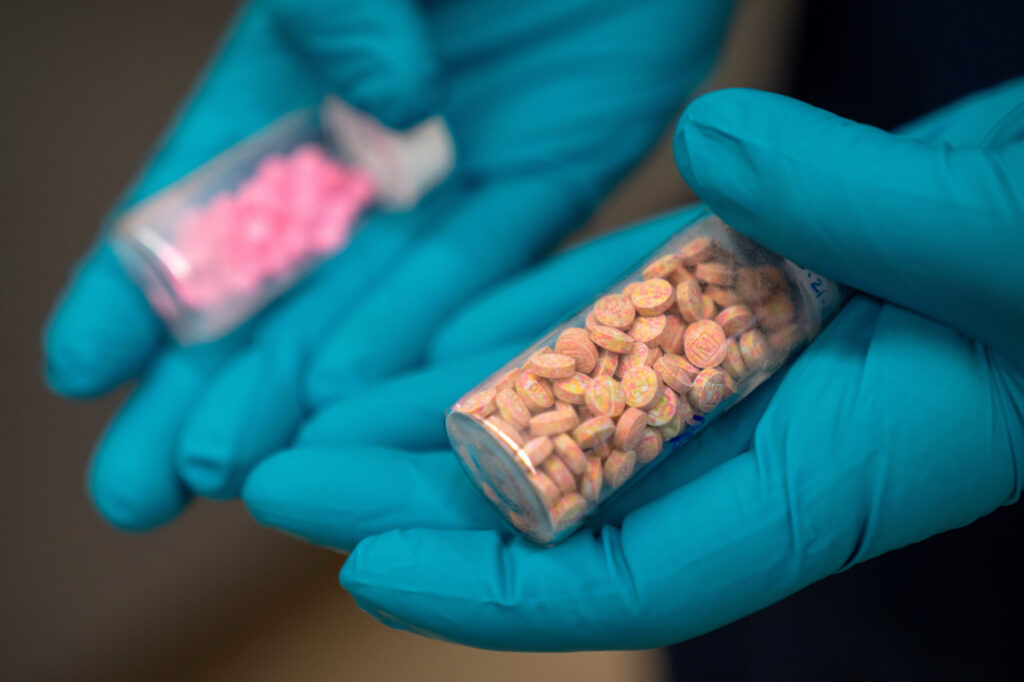
U.S. overdose deaths fell through most of 2025, federal data reveals
The Associated Press
the-associated-press@denvergazette.com
Updated 5 days ago
NEW YORK — U.S. overdose deaths fell through most of last year, suggesting a lasting improvement in an epidemic that had been worsening for decades. Federal data released Wednesday showed that overdose deaths have been falling for more than two...

The Associated Press
Reporter
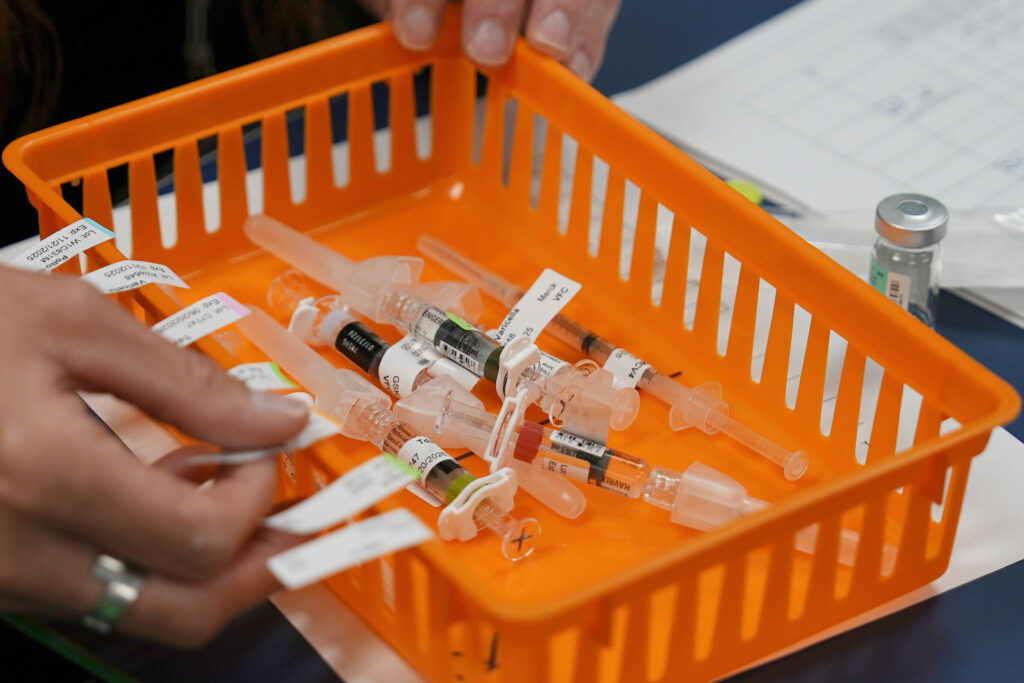
Doctors: Changes to U.S. vaccine recommendations are confusing parents
Bob Smith
bob.smith@gazette.com
Updated 6 days ago
Dr. Molly O’Shea has noticed growing skepticism about vaccines at both of her Michigan pediatric offices and says this week’s unprecedented and confusing changes to federal vaccine guidance will only make things worse. One of her offices is in a...

Bob Smith
Reporter
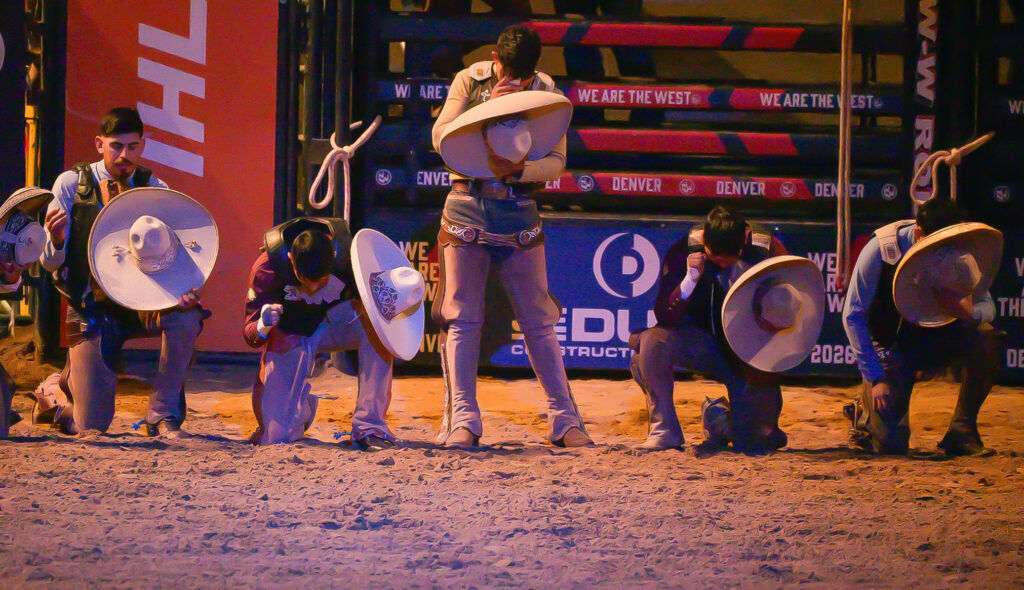
PHOTOS: Mexican Rodeo Extravaganza
Jerilee Bennett
jerilee-bennett@denvergazette.com
Updated 6 days ago

Jerilee Bennett
Reporter
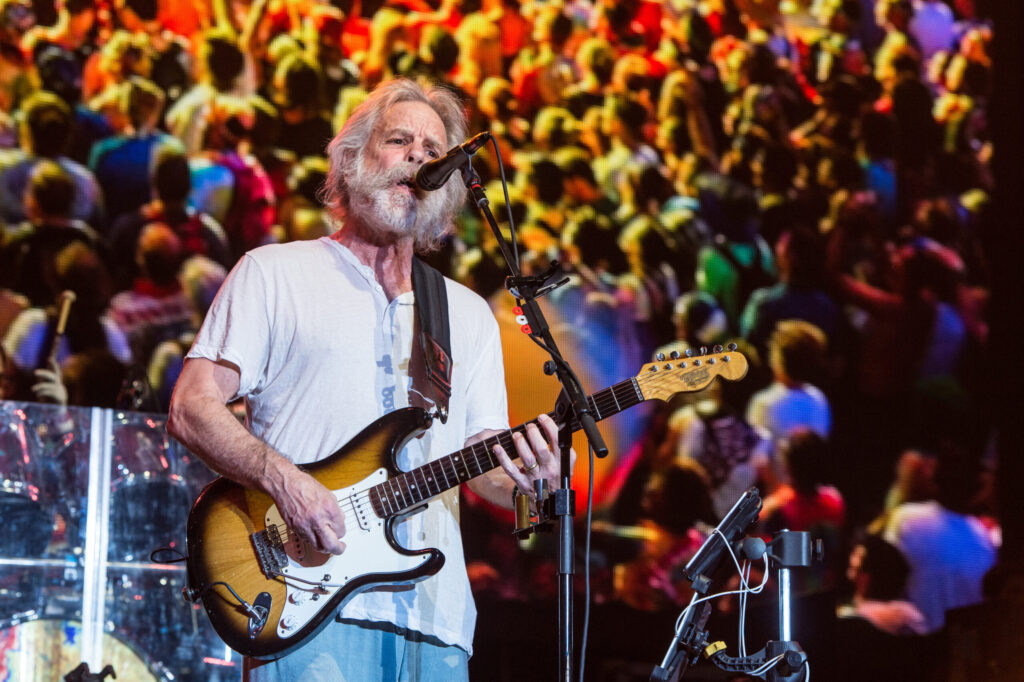
Grateful Dead founding member Bob Weir dies at 78
The Associated Press
the-associated-press@denvergazette.com
Updated 1 week ago
LOS ANGELES — Bob Weir, the guitarist and singer who as an essential member of the Grateful Dead helped found the sound of the San Francisco counterculture of the 1960s and kept it alive through decades of endless tours and...
The Associated Press
Reporter

Snow farming: How some Colorado ski areas combat a dry winter
Seth Boster
seth-boster@denvergazette.com
Updated 1 week ago
When the snow isn’t falling at some Colorado ski areas, the directive is simple. Go find it. “We gotta do what we gotta do,” said Tim Kerrigan, vice president of mountain maintenance at Ski Cooper. And it might sound simple,...
Seth Boster
Reporter

AROUND TOWN: Holiday Debutante Ball has 58-year tradition
Linda Navarro
linda-navarro@denvergazette.com
Updated 2 weeks ago
Ten young women in traditional formal white gowns, long gloves and pearls were presented as the 2025 Colorado Springs Debutantes in a sparkling December ball in Broadmoor International Center. The evening’s floral theme was “Velvet and Vines” and special flowers...

Linda Navarro
Reporter
PREV
PREVIOUS
This Denver gourmet hot dog restaurant serves up ostrich, rattlesnake, rabbit and more | Craving Colorado
Facebook Twitter WhatsApp SMS Email Print Copy article link Save Did he ever think he would be the name in hot dogs known all around Denver? No, says the ponytailed Biker Jim of Biker Jim’s Gourmet Dogs, putting it more bluntly in his common language that we can’t print: “(Expletive) no!” Jim Pittenger says. “I […]

After leaving CIA, Colorado woman pens books inspired by her lovable dog, Grace
Facebook Twitter WhatsApp SMS Email Print Copy article link Save For years, a friend urged Katy McQuaid to write a book. courtesy photo The bright idea was for McQuaid to chronicle her three decades working in the CIA, which seemingly would offer plenty of material for a memoir. Not in the mind of the would-be […]