







The soul of Colorado skiing hides in plain sight — right in the neighborhood
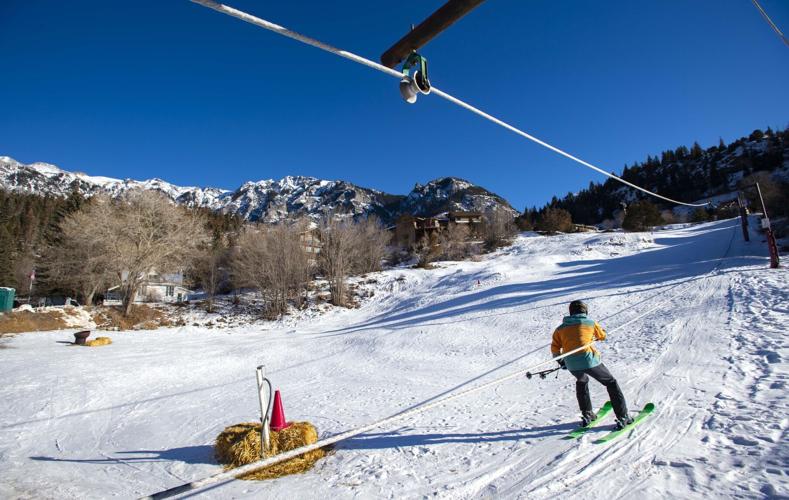
Quinlan Pfiffer of Portland, Ore., rides the rope tow at Lee’s Ski Hill in Ouray after skiing a run.
Christian Murdock, The Gazette
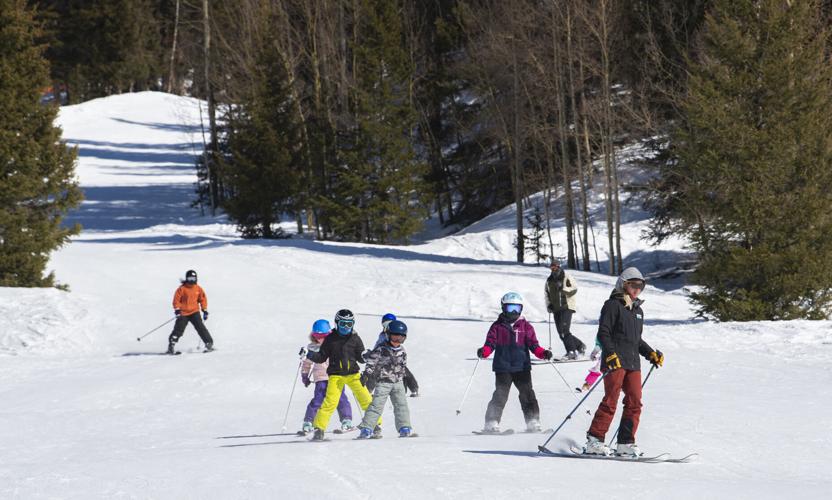
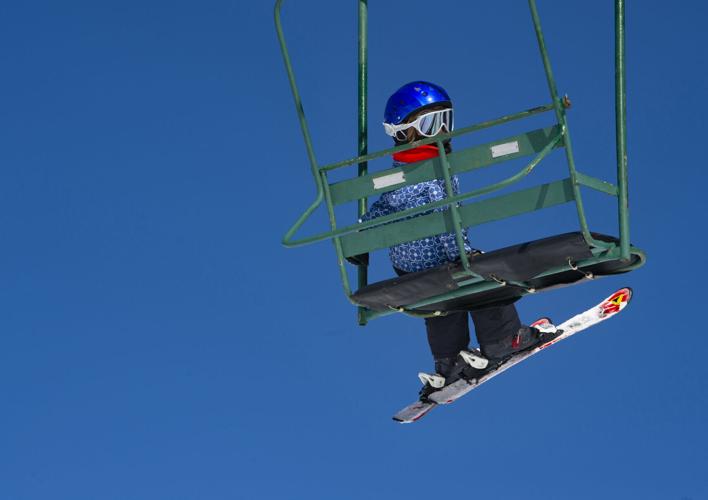
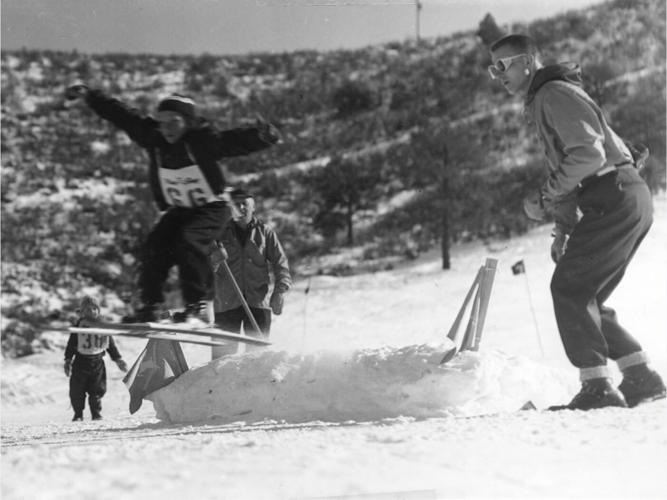

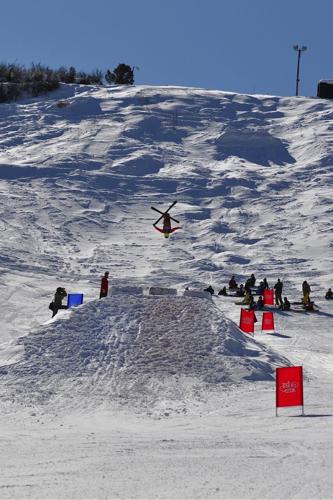

Chapman Hill, in Durango, Colorado, is the premiere in-town ski hill. Discover what it takes to keep this gem operating in the winter. Video by city of Durango
This winter, Rick Noll got a call from a man on a mission to hit every ski area in Colorado.
Noll, the city of Ouray’s resource director, recalled the question: “What’s the lowdown on Lee’s Ski Hill?”
It’s not often Noll receives outside inquiries about the neighborhood slope, complete with a rope tow originally put together with old mining stuff after the land was donated in 1946.
Noll was more than happy to answer the caller. The way he sees it, Lee’s is part of a legacy often lost on today’s masses bound for nearby Telluride or similar, sprawling destinations. While the likes of Vail rose in the 1960s and ‘70s, hills like Lee’s remained in the shadows.
And so they remain today — municipal-run spots that time seemingly forgot, relics with their trappings of rusted iron and splintered wood and out-of-fashion pulleys. Their rope tows and T-bars are their most hair-raising parts. They are otherwise laid-back outliers of an industry catching more and more headlines for driving harsh real estate and labor disputes.
Happy Trails: High Drive a hotbed for runners, cyclists in Colorado Springs
They are hills that look more apt for sledding and are therefore ignored and mocked by resortgoers. They are, however, cherished by families living around them.
“They are invaluable breeding grounds for skiing,” said Melanie Mills, president and CEO of trade association Colorado Ski Country USA. “And we need as many of them around as we can possibly keep operating.”


Ski hill operator Chase Maclennan adjusts the rope tow before turning it on last month at Lee’s Ski Hill in Ouray. The small ski hill is free to use and runs 3 to 5 p.m. during the week and noon to dusk on the weekend and holidays, weather permitting.
Before disbanding in 2021, Mountain Riders Alliance aimed to support these hills. The group tracked their vanishing amid aging and expensive infrastructure, rising costs of insurance, thinning snow and thinning margins in the age of consolidation.
“Just getting squeezed out by the big guys,” said Jamie Schectman, who co-founded the alliance.
He and advocates counted 735 “community and independent ski areas” across the nation at one time in the 1980s. At last check, a third of those still existed, Schectman said.
“A dying breed,” is what Schectman calls them. “An endangered species at best.”
Depending on how you define them, there might be a half-dozen in Colorado.
The scene is similar at them: Kids getting out of school and walking straight over. Noll has watched from atop Lee’s in Ouray.
Such hills “are all part of the world-class ski reputation Colorado has,” he said. “It’s just that people don’t know it.”
There is the oldest and most famous of them in the state: Howelsen Hill. Since 1915, the hill has given Steamboat Springs its Olympian-producing reputation.
There is, in Silverton, Kendall Mountain Recreation Area. The lodge hosts holiday gatherings, and Fridays traditionally feel like a potluck — parents grilling while kids ring in the weekend with turns across five runs.
Also in the southwest, there is Durango’s Chapman Hill. It maintains a World War II-era rope tow used by skiing soldiers of Leadville’s 10th Mountain Division. The shaggy son of the man who brought the lift over drives a snowcat at the hill today.
There is Gunnison’s Cranor Hill, which the town’s parks and recreation director likes to say is run by intrepid, jump-building kids. “You wouldn’t see that at Breckenridge, kids out there with a shovel doing what they want,” Dan Vollendorf says.
And not far is Lake City Ski Hill, which in recent years has displayed a fitting message online: “Schuss … schuss … schuss … At other ski areas, that is the sound of money being sucked from your wallet.” Here, it’s the sound of carving skiers who pay between $15-$25 for a pass, rental equipment included if around.
For whatever these places lack in acreage and vertical, there is no shortage of something “intangible,” as Adrienne Saia Isaac puts it.
“That intangible piece of skiing that’s difficult to articulate,” said the Colorado-based spokeswoman for National Ski Areas Association, “but you know it when you feel it, and it feels like you’re in the soul of the sport.”
It appears more people have felt it the past couple of winters.
National Ski Areas Association tracked abnormally higher visitation at smaller, local slopes for the 2020-21 season. That was partly due to pandemic-related procedures and restrictions at big resorts, the association reasoned.
And perhaps that was also due to people finding more time to discover these hills hiding in plain sight. That included a young couple from Steamboat, Jenn Ridder and James Owens. They checked off what they found to be all of Colorado’s 33 ski areas last year.
At the municipal hills, “you have these old-timer lifties and ski patrollers, and they just kind of take care of the kids,” Ridder said. “It was joyous. And just really fun to be part of that community even for an hour.”
It was, Owens said, “this quintessential, small mountain town experience that most people don’t avail themselves to.”
Kelli Jaycox, Durango’s assistant recreation director, has noticed more people at Chapman Hill. She’s heard some say they opt for Chapman’s cost over nearby resorts.
“If you’re learning to ski, it’s tough to beat the price for $17,” she says.
That’s a selling point recognized in a 2017 master plan for the hill, which stated a reinvestment goal to “fully leverage its potential.” City plans call for a nearly $1 million chairlift to replace the rope tow.
This winter, Howelsen heralded “a new era” with a $3 million triple chairlift intended to catch more tourists. It replaced a fast, steep lift that had been something of a right-of-passage for training youth.
“But for the general public, it can be really challenging, so we’ve struggled to attract a lot of people,” said Brad Setter, manager of the hill, which, in another change, is now open every day of the season.
Silverton officials have long contemplated expanding Kendall Mountain to some degree. Conversations have been controversial since a 2018 study found “significant potential.” Locals ask: How to grow without opening the door to real estate speculation and existential doom felt in resort towns?
“We moved to Silverton because the low-key, authentic vibe,” said Chris Brosh, a young father grilling at the base one Friday last year.
In Gunnison, the vibe lasts at Cranor Hill. Though skiing is never a guarantee; not enough snow came to open this season. Snowmaking isn’t possible, Vollendorf said. Even if water were available, his department operates the hill at a deficit already.
“It is what it is,” he said. “But we want to keep it going for the next generations.”
Noll feels the same way about Lee’s Hill in Ouray. It, too, operates at a deficit, without any revenue from tickets. It is to remain free, according to the 1946 agreement that donated the hill to the town.
Free for the kids. Free for anyone who might call about it.
“Like that one guy hitting all the ski areas,” Noll said. “He said he had a fabulous time skiing our little run here.”

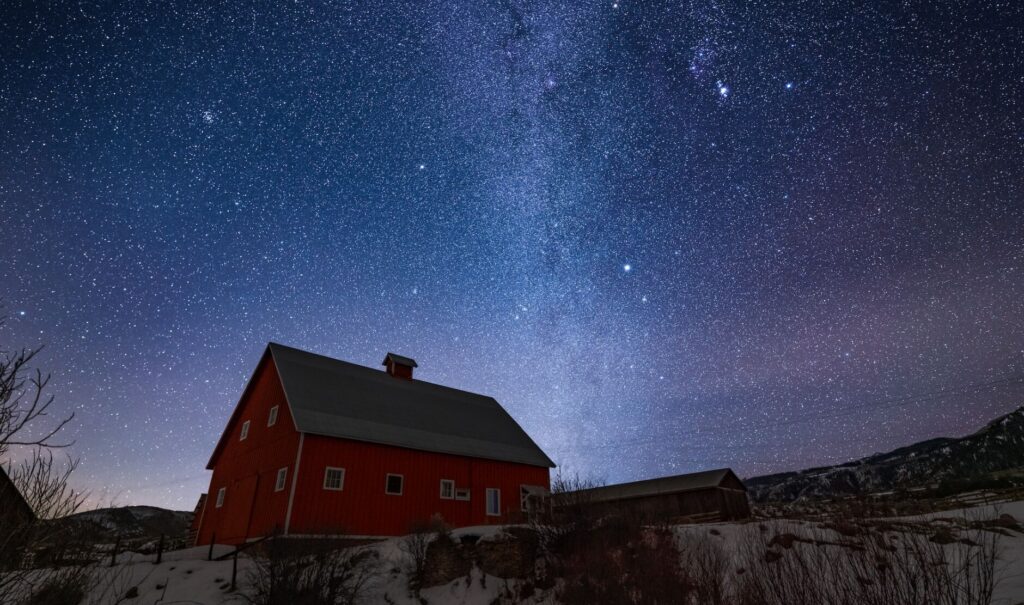
New Dark Sky Community designated in Colorado, joining short list
Seth Boster
seth.boster@gazette.com
Updated 2 days ago
Another part of Colorado has been recognized for its rare celestial view. In announcing the state’s next Dark Sky Community, DarkSky International described Old Snowmass as a “spectacular corner of the Roaring Fork Valley” ー an unincorporated corner between Aspen...

Seth Boster
Reporter
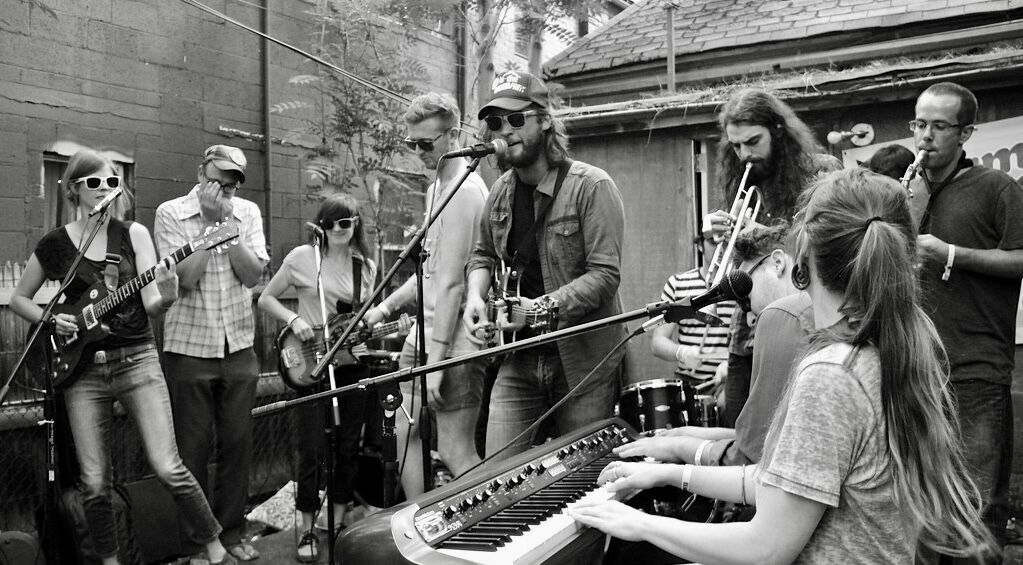
Will Denver’s dueling underground music fests face off at once?
John Moore
john.moore@denvergazette.com
Updated 1 hour ago
Less than a year ago, local music fans collectively pondered whether the summer music festival might be dead in Denver. (To our credit, we opined in this space: “Categorically not.” Actually, our exact words were: “Don’t be daft, punk!”) But...

John Moore
Reporter

Data: U.S. maternal deaths fell in 2024 and may have dropped again last year
The Associated Press
the-associated-press@denvergazette.com
Updated 1 hour ago
NEW YORK — Fewer U.S. women died around the time of childbirth in 2024, a government analysis shows, and provisional data suggests the trend may have continued last year. The U.S. Centers for Disease Control and Prevention on Wednesday reported...

The Associated Press
Reporter
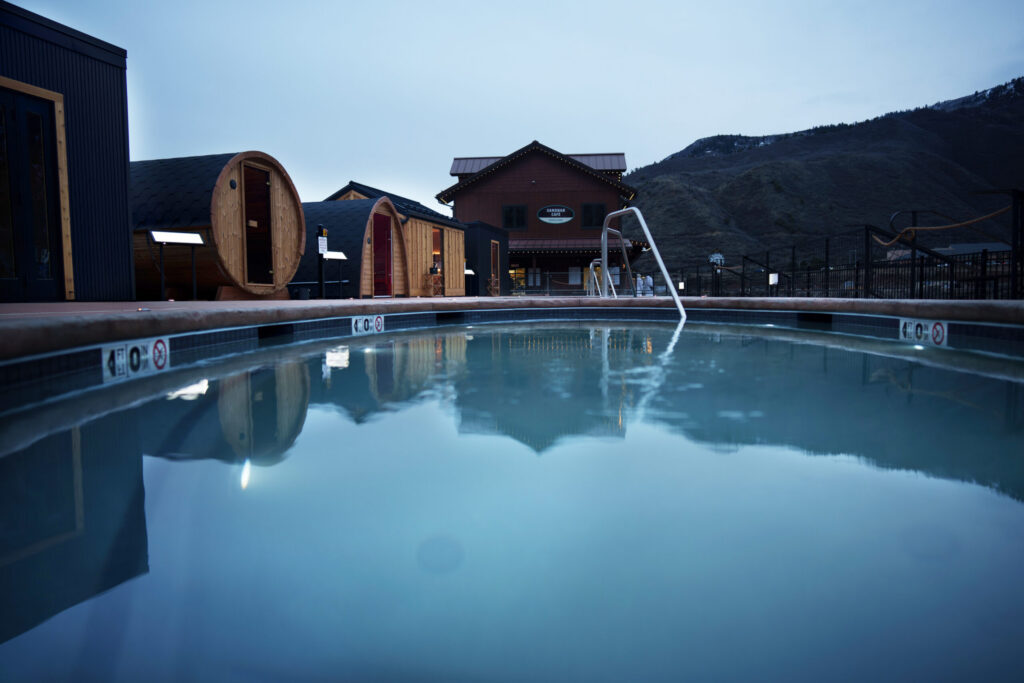
Colorado hot springs celebrates ‘first-of-its-kind’ expansion
Seth Boster
seth-boster@denvergazette.com
Updated 2 hours ago
A hot springs destination in Colorado has marked a “major” expansion. And it’s not exactly the expansion you’d expect at a soaking retreat. In Glenwood Springs, Iron Mountain Hot Springs is calling its newly opened Sauna Summit “the country’s most...

Seth Boster
Reporter
It’s time to apply for big game hunting licenses in Colorado
Seth Boster
seth.boster@gazette.com
Updated 2 days ago
Colorado Parks and Wildlife’s new big game brochure has been hitting hunters’ mailboxes ー the annual reminder to start planning for the seasons ahead. CPW also reminded in a recent social media post: “Whether you’re after a long-awaited lifetime tag...
Seth Boster
Reporter

Is your diet causing UTIs? Here’s how it may be at fault
Tribune News Service
tribune-news-service@gazette.com
Updated 2 days ago
Miriam FauziaThe Dallas Morning News UTIs can be painful, and they’re not something people like to talk about. But they happen often, affecting an estimated 60% of women and 20% of men in their lifetimes. While we might view these...

Tribune News Service
Reporter

What it’s like to be part of Denver’s potentially smallest parade
Bernadette Berdychowski
bernadette.berdychowski@denvergazette.com
Updated 2 days ago
The Richey family was up until 1:30 a.m. on Sunday working on their second-ever float entry for the Dairy Block’s Petite Parade in Lower Downtown. Lexi, Scott and their son dressed up in all pink to match their float titled...

Bernadette Berdychowski
Reporter
A Colorado Life: Janelle Orsborn’s final message: ‘Definitely live big’
John Moore
john.moore@denvergazette.com
Updated 3 days ago
Actor, author and former Miss Colorado’s Teen fit a lot into her ambitiously adventurous and tragically abbreviated 33 years Janelle Orsborn was big sister to Anna, Abigail, Jake, Daniel and Natalie. But really, says Abigail: “Janelle was a big sister...
John Moore
Reporter

PIKES PICK: A ‘K-Pop Demon Hunters’ day awaits
Linda Navarro
linda-navarro@denvergazette.com
Updated 1 week ago
It’s the music that makes you move and Black Sheep plans a dance party to the soundtrack of “K-Pop Demon Hunters” coming up April 18, 11 a.m. Costumes expected and it’s for all ages. $21.12-$24.21 at blacksheeprocks.com — Linda Navarro

Linda Navarro
Reporter

Sweet and spicy Korean fried chicken will fire you up
Gretchen McKay, Pittsburgh Post-Gazette
gretchen-mckay@gazette.com
Updated 6 days ago
Bold, spicy flavors have never been more in demand, especially when they add a global element to a dish. One of my favorite foods these days is Korean fried chicken, which I ate twice on a recent trip to New York...

PREV
PREVIOUS
At Home: Home librarian judges books by their covers
Facebook Twitter WhatsApp SMS Email Print Copy article link Save Forget sizing people up by their clothes, cars, or careers. You want to know someone? Look at their books. What people choose to fill their minds and souls with tells you all you need to know: what they like, where they’ve been, what they know, […]

How Premier League superstar Sadio Mané is changing the world beyond soccer
Facebook Twitter WhatsApp SMS Email Print Copy article link Save Facebook Twitter WhatsApp SMS Email Print Copy article link Save Sadio Mané is the Senegalese star on Liverpool’s football club in the Premier League. In 2019, he was crowned Africa’s greatest player. To watch him play is to be in awe. His speed, direction changes […]