







Colorado museum hopes to rise from the ashes after Marshall fire’s devastation
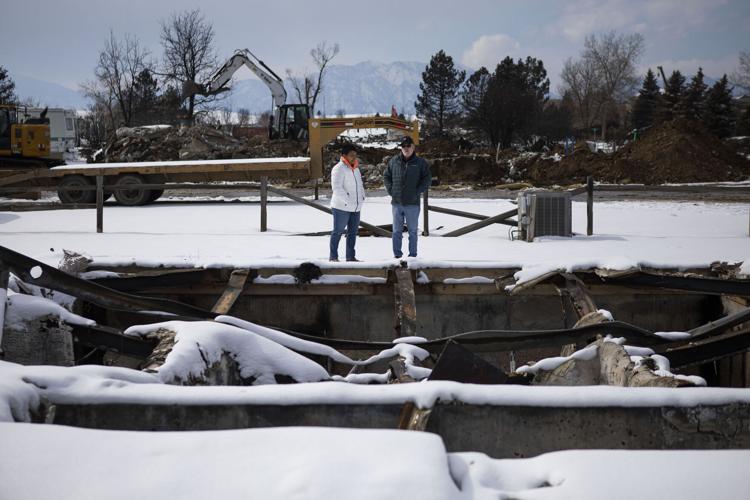
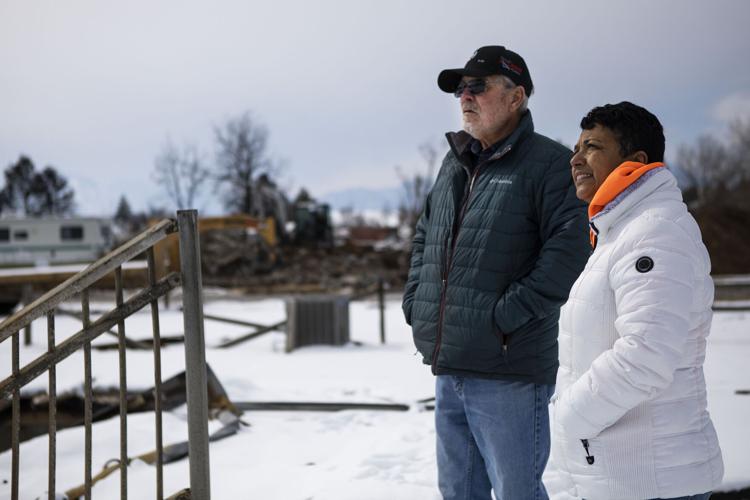
Staff liaison for the Historical Commission Lydia Yecke, left, and chair of the Superior Historical Commission Larry Dorsey look over the burned-out foundation of the Superior Historical Museum, once a 24-foot-by-24-foot historic mining home built before 1910, as seen on Feb. 25, 2022, in Superior.
Timothy Hurst, the denver gazette
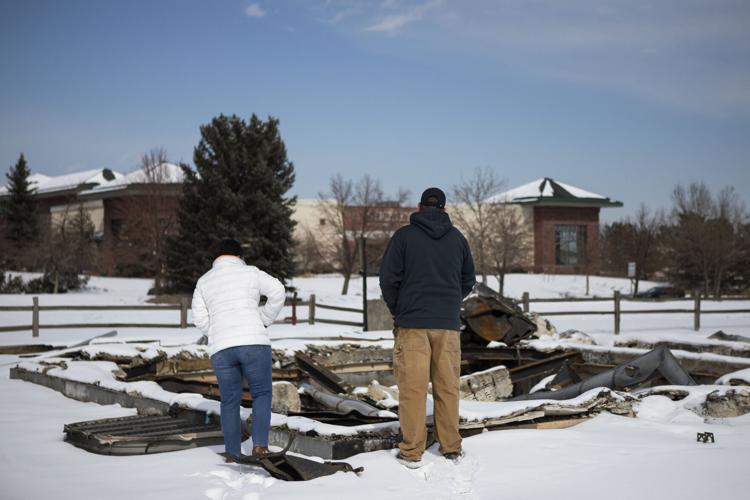
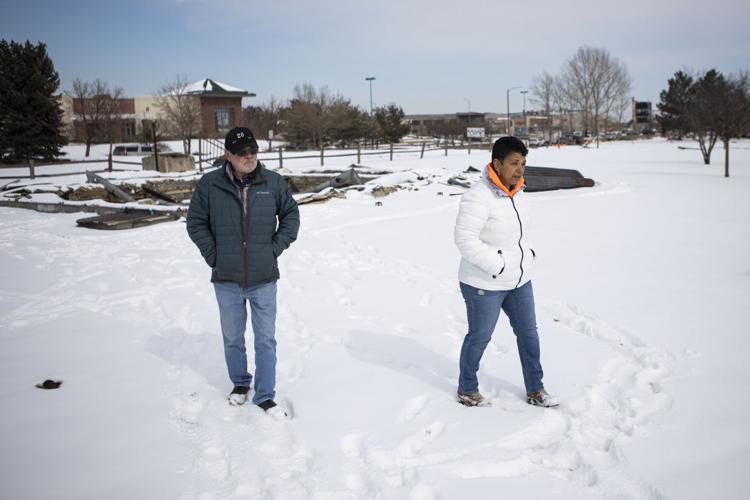

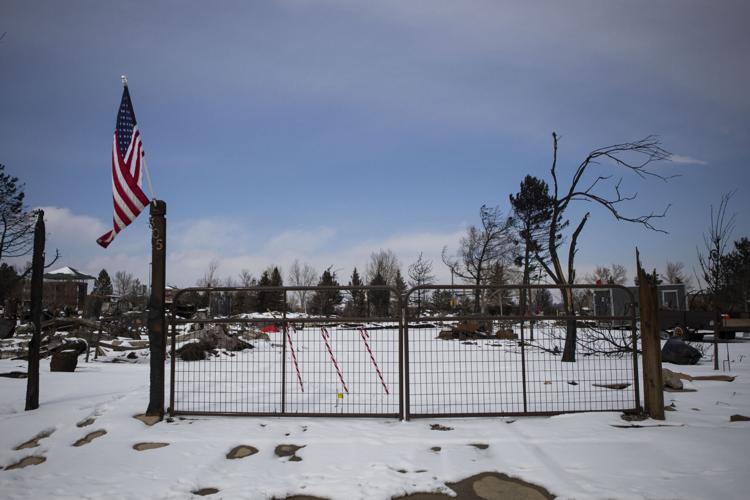
When the Marshall fire swept through Superior in December, it consumed the vast majority of the town’s original coal-camp homes and the community museum, the cherished repository of its mining and farming history.
While those physical landmarks have been lost, volunteers are working steadily to make certain the stories of the town’s early days will continue to be told.
A first step will be trying to salvage the wreckage of the Superior Historical Museum that largely collapsed into its own basement. Volunteers hope some artifacts survived that will help them preserve the lives and legends of the coal miners and farmers who founded Superior.
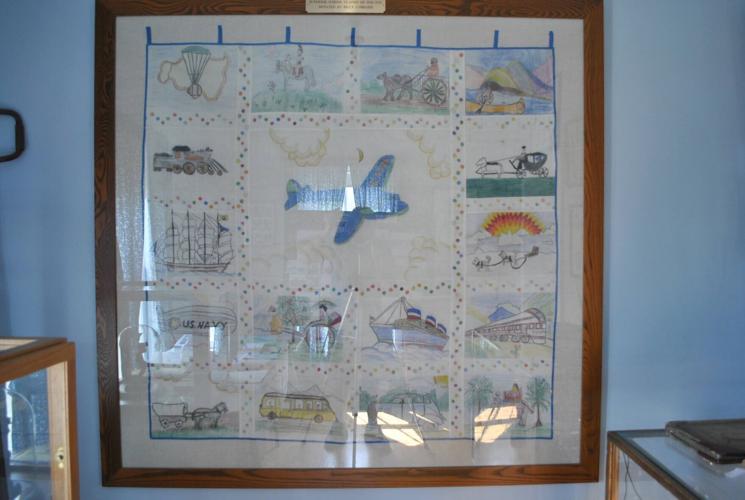
Some irreplaceable items, including models of the town’s original schools made by a resident who grew up in the mine camps, probably were lost.
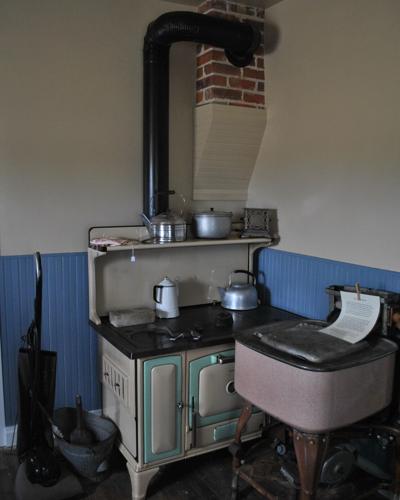
But perhaps items like a potbelly stove, the concrete cornerstone of a church and the contents of two metal filing cabinets may be salvaged, said Karen Waligorski, a Superior Historical Museum and Commission founder.
“It’s going to be like a treasure hunt to bring up the debris,” she said.
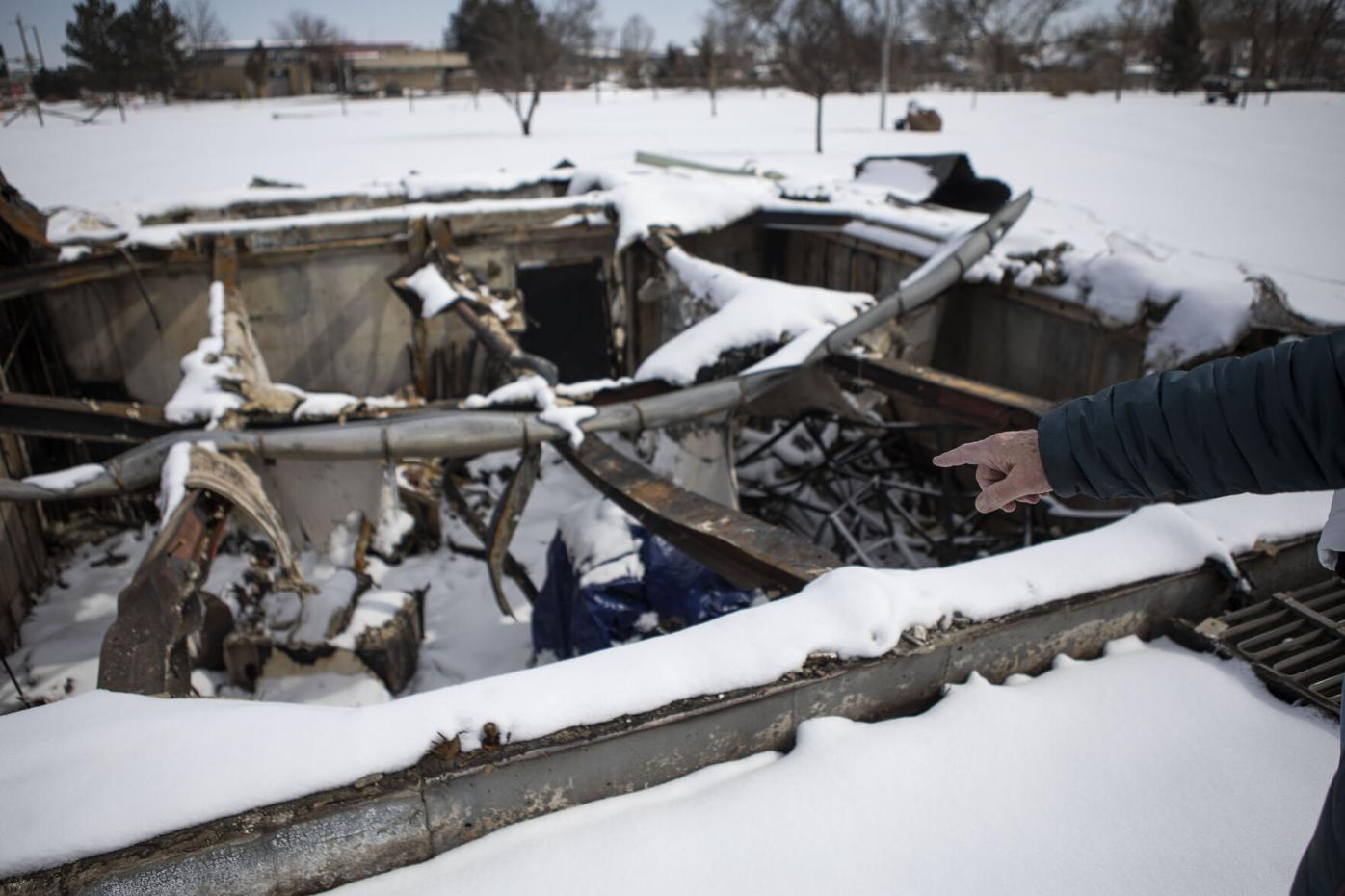
Chair of the Superior Historical Commission Larry Dorsey points out some of the artifacts that were damaged or destroyed, now sitting in the burned-out basement of the Superior Historical Museum on Friday, Feb. 25, 2022, in Superior, Colo. (Timothy Hurst/The Denver Gazette)
Timothy Hurst


Chair of the Superior Historical Commission Larry Dorsey points out some of the artifacts that were damaged or destroyed, now sitting in the burned-out basement of the Superior Historical Museum on Friday, Feb. 25, 2022, in Superior, Colo. (Timothy Hurst/The Denver Gazette)
Companies specializing in fire reclamation have already bid on the project and Waligorski is hoping one of them can start soon.
Wally Waligorski, Karen’s husband and a museum and commission founder, wants to ensure town history returns to a museum, particularly because a vast majority of the original Superior homes burned and likely will be replaced with modern structures.
“As new people are coming in and new homes get built, the identity of the town is going to be lost, and once it’s gone it’s going to be gone forever,” he said.
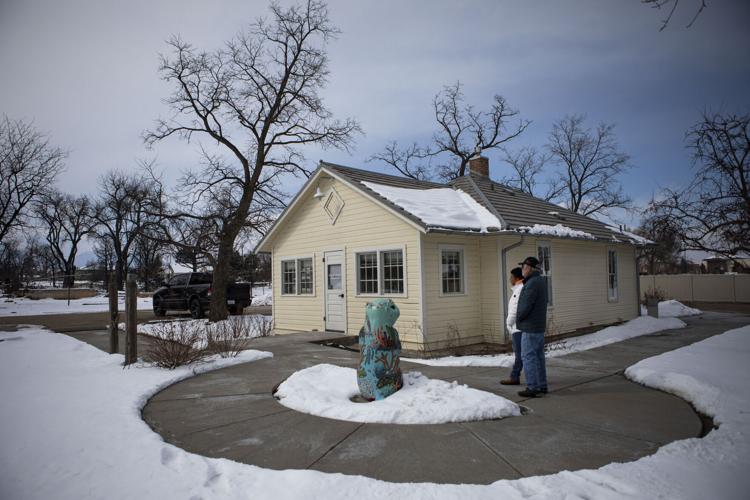
So volunteers are exploring three options for a new museum building: a former mine-camp home currently owned by the town that houses offices; a replica of a mine-camp home that could be built to be airtight, thus better for storing artifacts; or a mine-camp home that could be brought in from elsewhere.
The most likely option currently is the building owned by the town, but a decision has not been made, said Larry Dorsey, Historical Commission chairman.
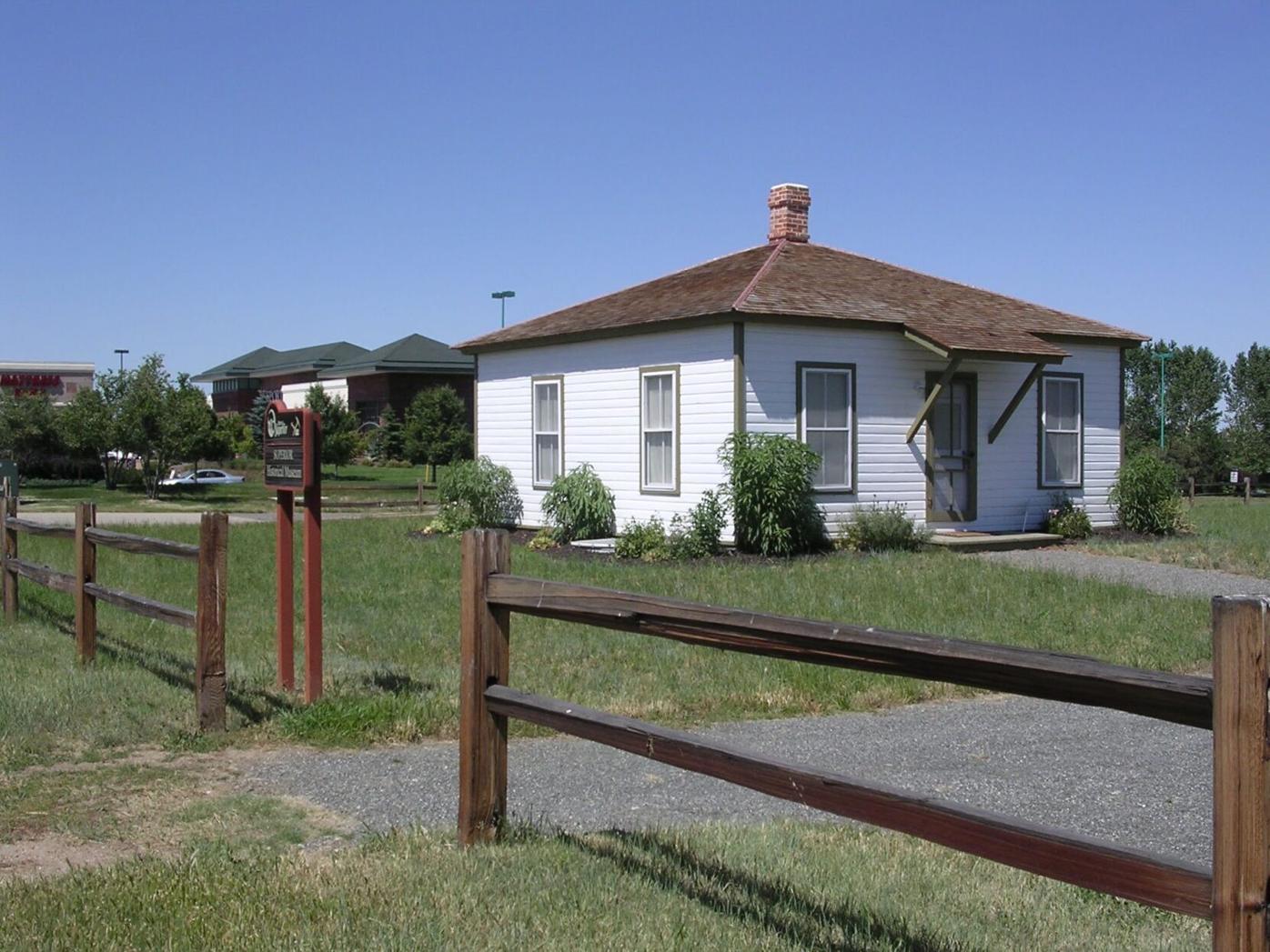
The Superior Historical Museum can be seen at Asti Park.
Courtesy of Town of Superior Historical Commission


The Superior Historical Museum can be seen at Asti Park.
The museum also covered the realities of mine labor, where in the beginning workers were paid for what they could extract and were often not paid fairly by the man weighing their coal, Dorsey said. Some working conditions improved after a protracted strike from 1910 to 1914 in the northern and southern Colorado coal fields, Dorsey said.
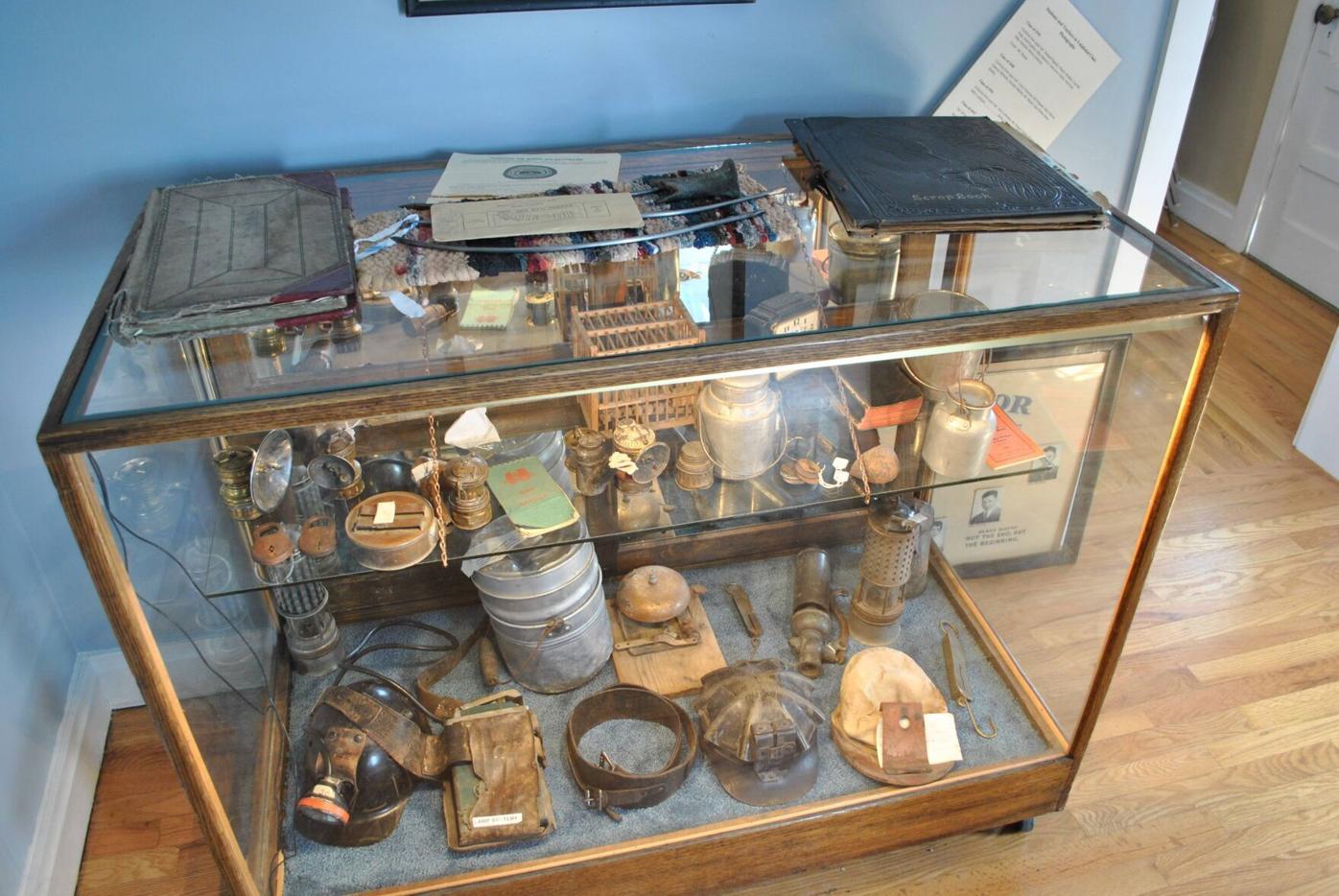
Mining tools are among the artifacts possibly lost when the Superior Historical Museum burned in the Marshall fire. (Photo Courtesy of Town of Superior Historical Commission)
Courtesy of Town of Superior Historical Commission


Mining tools are among the artifacts possibly lost when the Superior Historical Museum burned in the Marshall fire. (Photo Courtesy of Town of Superior Historical Commission)
“It’s really an eye-opener to people to find out what conditions were like,” Wally Waligorski said.
The mine was established by William Charles Hake, a farmer who found coal on his property in the 1860s and decided to keep working the land for about 30 years before going after the minerals, according to the Superior Historian, a town publication.
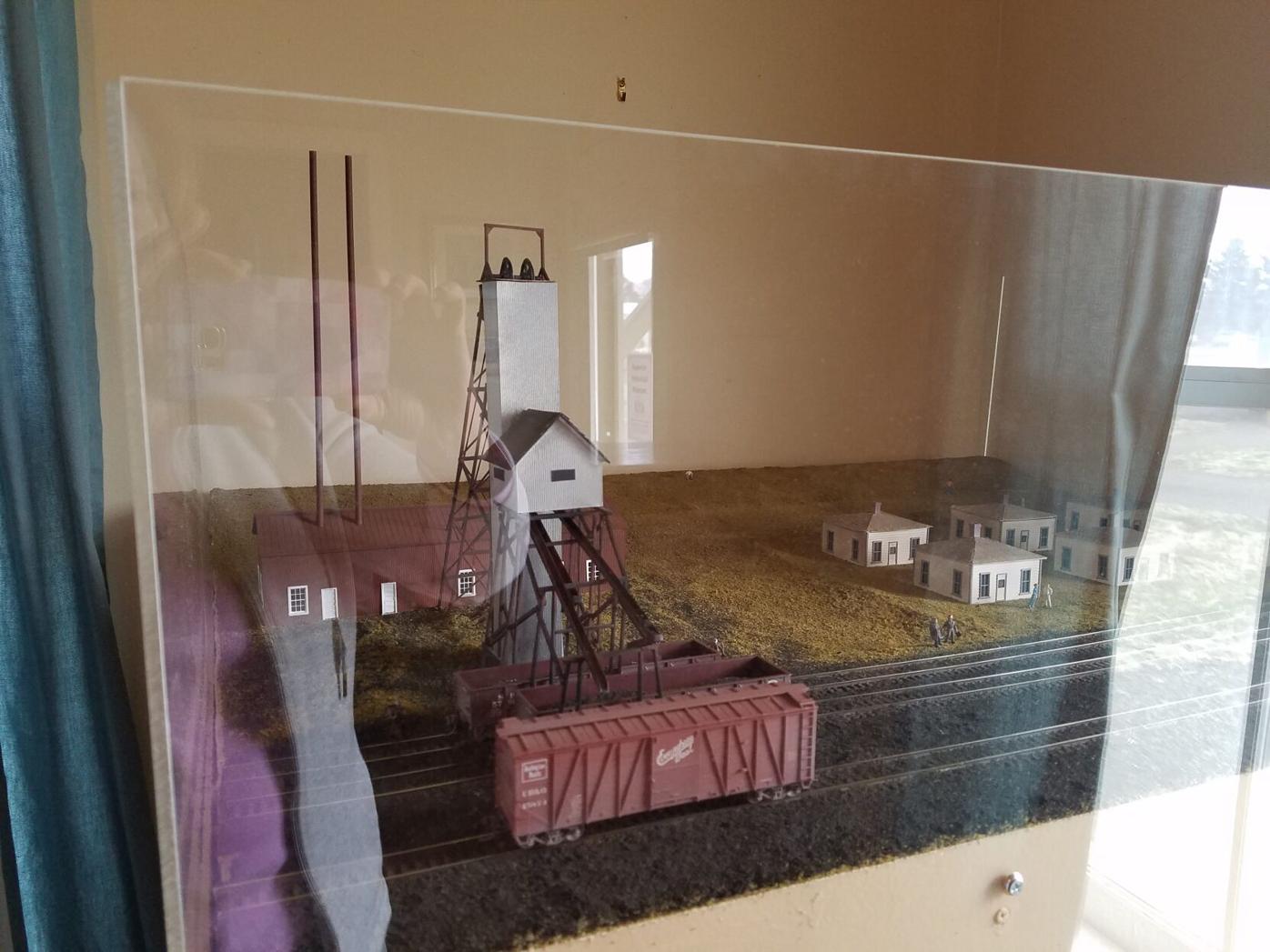
A diorama of a mining operation is among the artifacts lost from the Superior Historical Museum in the Marshall fire.
Courtesy of Town of Superior Historical Commission


A diorama of a mining operation is among the artifacts lost from the Superior Historical Museum in the Marshall fire.
The first mine shaft was dug in 1892 and 4 million tons of coal were extracted over the life of the mine until 1945, when it became unprofitable, Dorsey said.
The successive mine operators, including Rocky Mountain Fuel Co. at one point, owned some housing for miners, a boarding house and a casino in the camp, but not the adjacent town of Superior, named for the “superior” coal of the mine, Dorsey said.
The mine also offered better conditions to early miners by paying cash rather than company scrip, redeemable only at company stores. The mine also did not have as many gases underground, making it less prone to explosions than other mines, Dorsey said.
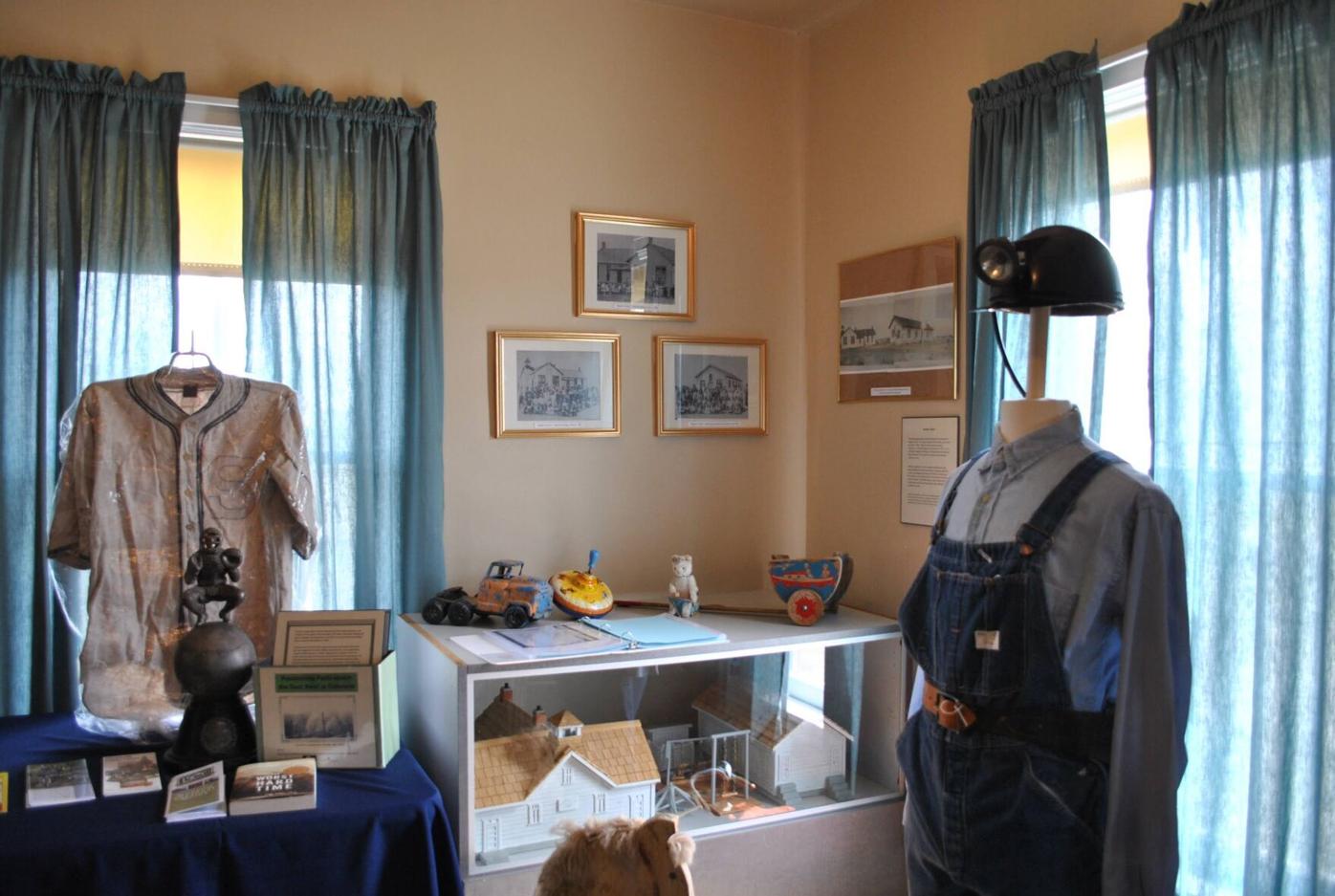
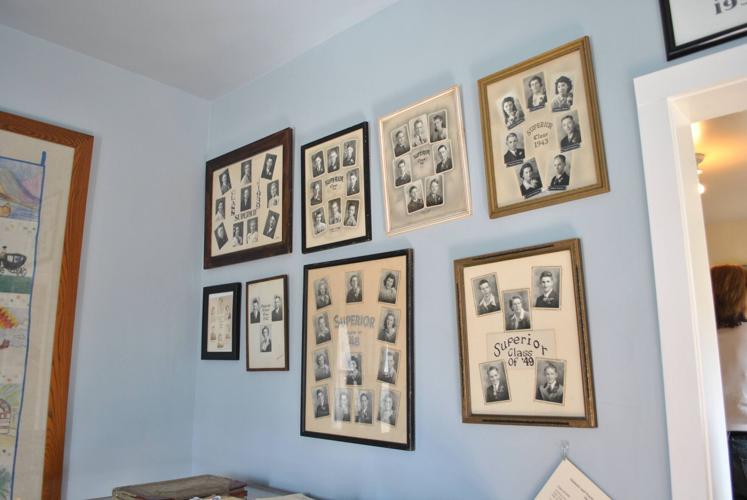
Some of the artifacts lost from the Superior Historical Museum in the Marshall Fire can be seen in the now-lost 24-foot-by-24-foot four-room historic mining house that once stood in Asti Park. (Photo Courtesy of Town of Superior Historical Commission)
Courtesy of Town of Superior Historical Commission


Some of the artifacts lost from the Superior Historical Museum in the Marshall Fire can be seen in the now-lost 24-foot-by-24-foot four-room historic mining house that once stood in Asti Park. (Photo Courtesy of Town of Superior Historical Commission)
Before the founding of the Industrial Mine, coal excavation started a few miles west of Superior in Marshall, a community that grew to about 800 people, according to the Boulder Daily Camera. The Marshall mines caught fire in those early days and the underground blaze has smoldered since, one potential source of ignition of the deadly Marshall fire.
“I think the coal-mining industry is so filled with dangers that there are a lot of ironies,” Dorsey said.
Fires were common in coal mines where coal flakes could rub together, create sparks, and set off an explosion. With no way to put those fires out, early miners had no choice but to seal off burning areas, he said.
The Waligorskis and others worked with longtime residents who grew up in the mine camp on the museum and it featured donations from some of those families, including the potbelly stove that Karen Waligorski hopes to recover.
For Superior old-timers, the museum also became an informal gathering place to reminisce, Karen Waligorski said.
Longtime museum volunteer Mary Cartwright said she is still a bit in denial about the loss of the museum and can still picture walking past all the artifacts and giving tours to second-graders.
“I can just sort of picture their faces as they are listening,” she said. Telling the story to students is especially important to her to help them understand the precedents for the electronic world in which they live, she said.
The losses to the fire have been painful, Dorsey said, but reopening will be possible, in part, because the museum is owned by the town and covered by the town’s insurance. Grants and donations are also expected to help, he said.
Collecting items specific to Superior could be challenging because before creation of the historical commission in 1999, the community didn’t have much preservation, Dorsey said. It was a tiny town up until the 1990s, home to just a few hundred people.
Before the fire, longtime residents would tell Dorsey they had photos to share with the museum, but now many of those have likely been lost. The museum’s computerized catalog likely was also consumed by the fire and was not backed up, he said.
Some items could come from nearby museums that have expressed interest in donating artifacts, such as mining equipment, that would have been used locally. Some individuals also have digital copies of old photos, as does the Carnegie Library for Local History in Boulder, Karen Waligorski said.
“I think everybody is looking forward to reviving the whole thing,” she said.
As volunteers plan a new museum, they already know they will include the story of the Marshall fire and the homes lost and they have started collecting photos of those homes from the Boulder County Assessor’s Office, Waligorski said.
While the volunteers are a “little sober” about the new museum, Cartwright said she is anxious for a building to reopen, even if it will take time.
“The story is still there to be told to people. It will be good to get it back and get it going even if it’s different,” she said.
Contact the writer at [email protected] or 719- 429-9264.