







NCAR fire in Boulder is 35% contained; evacuations lifted
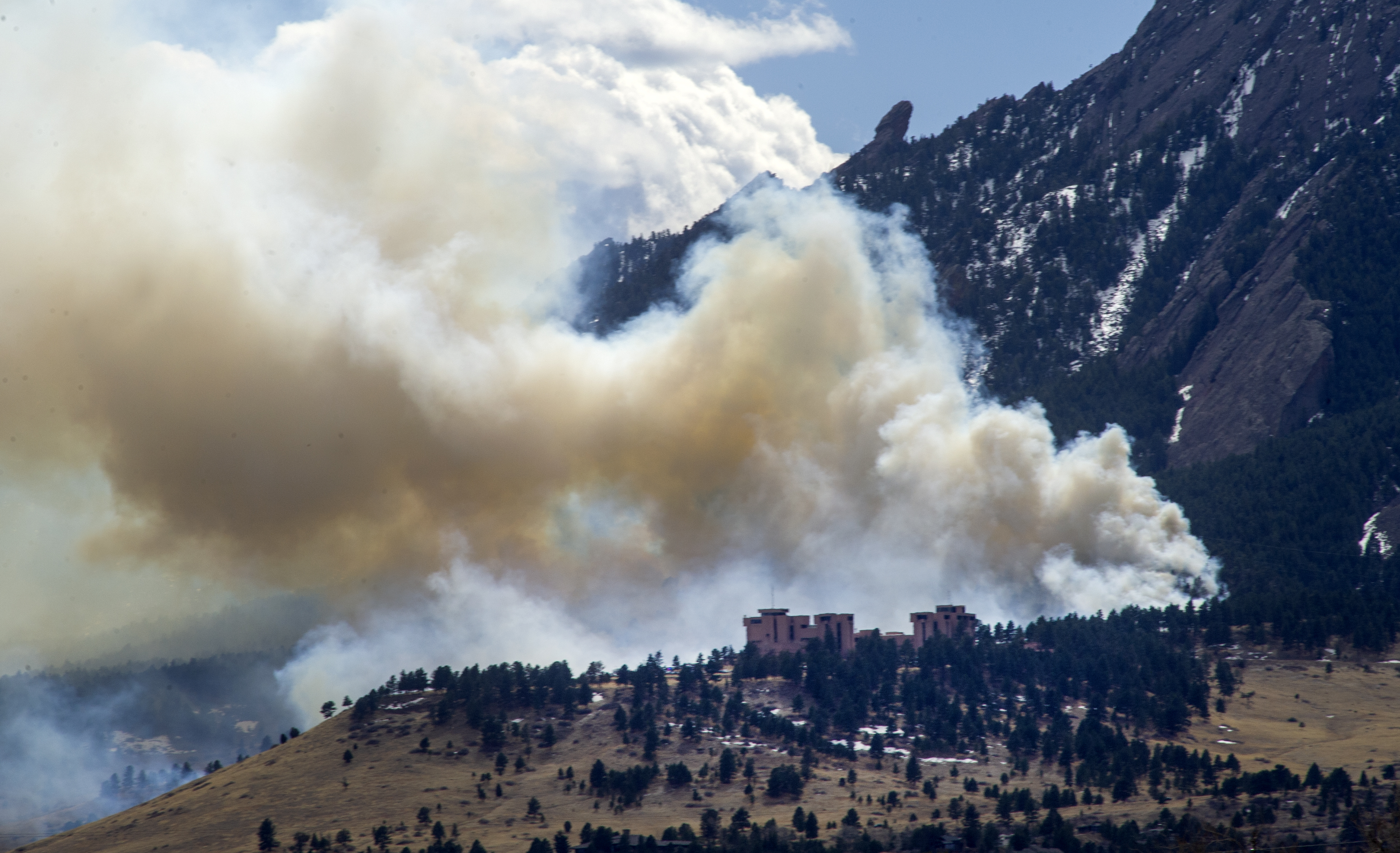
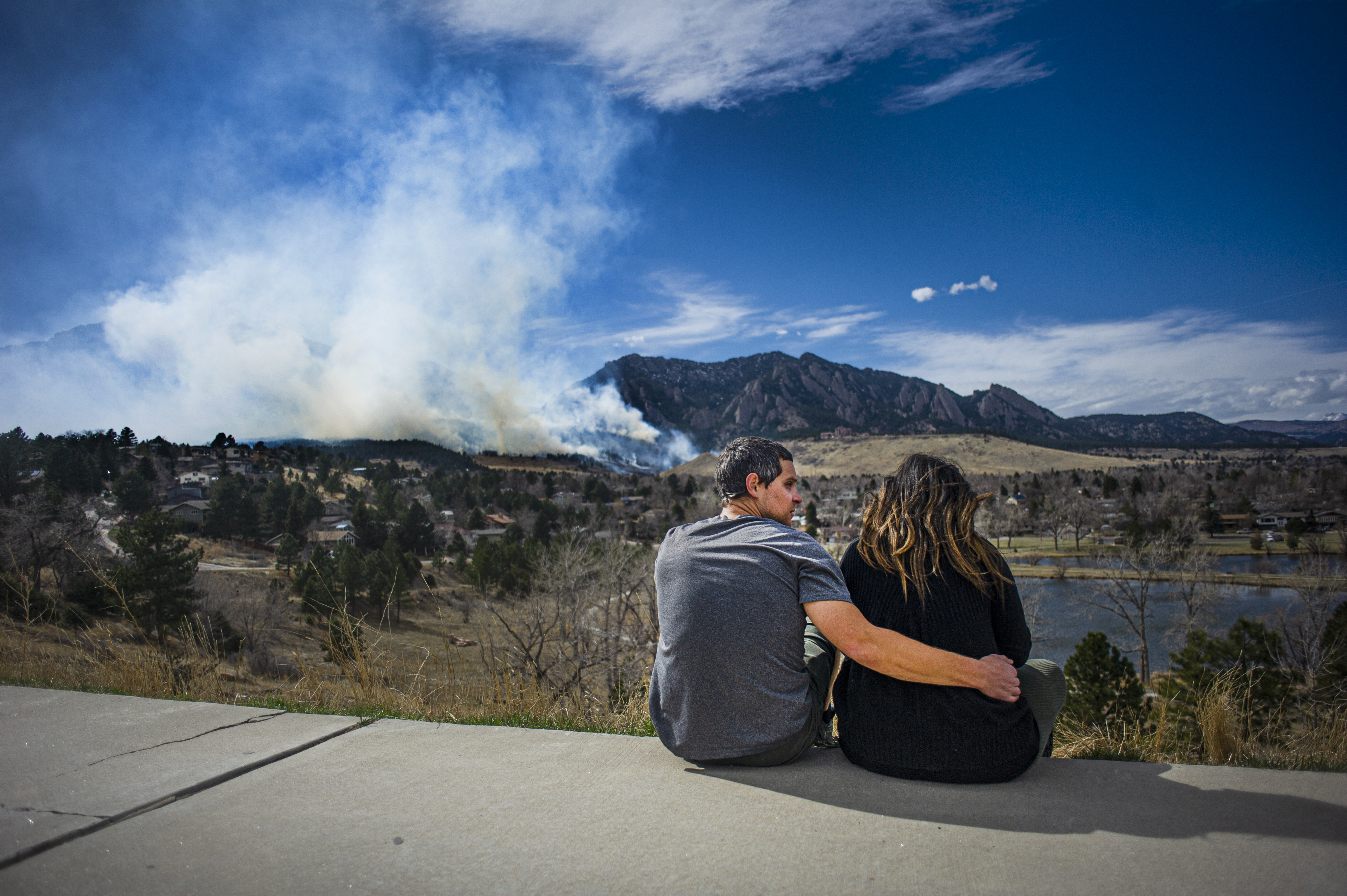
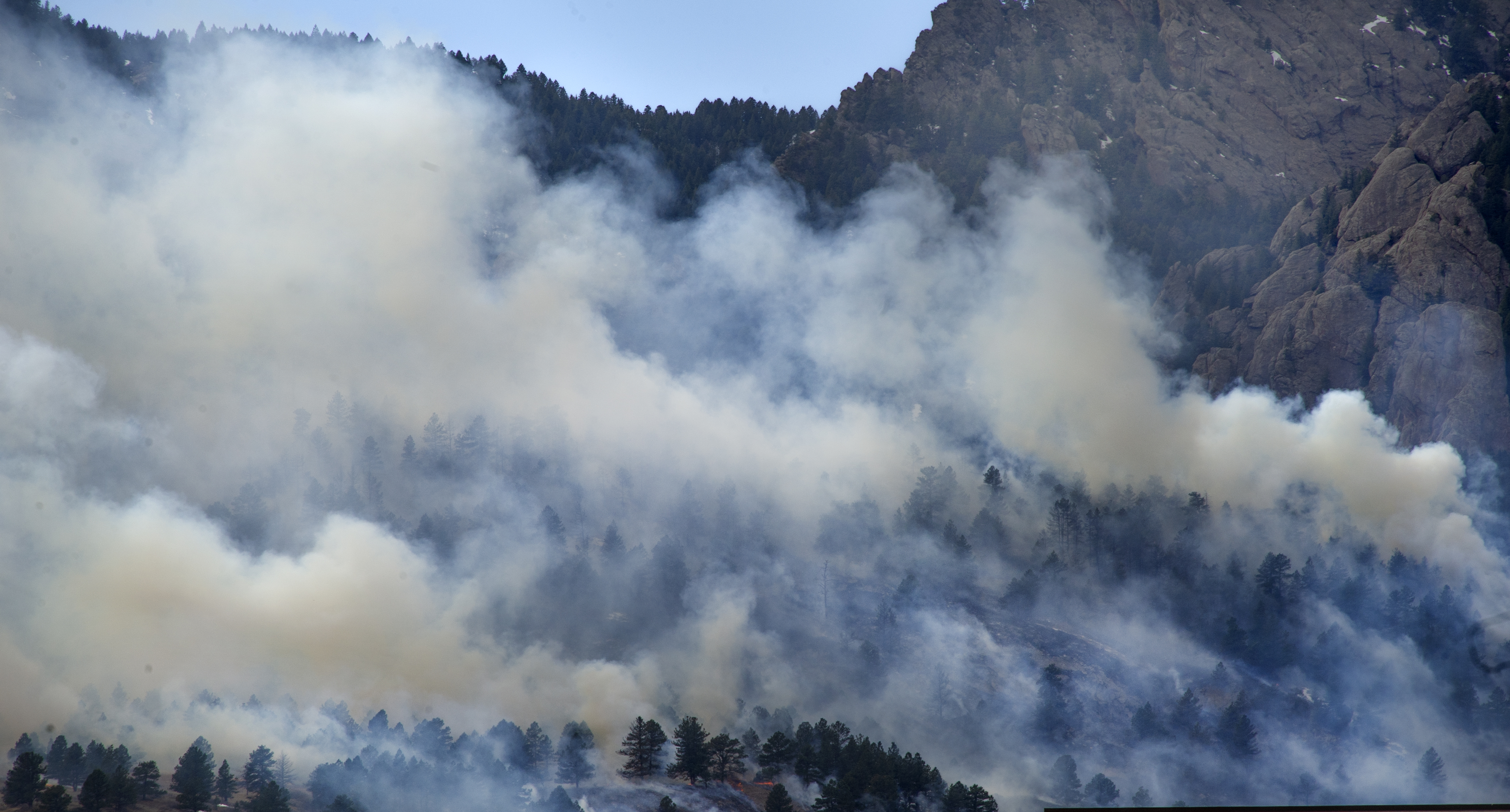
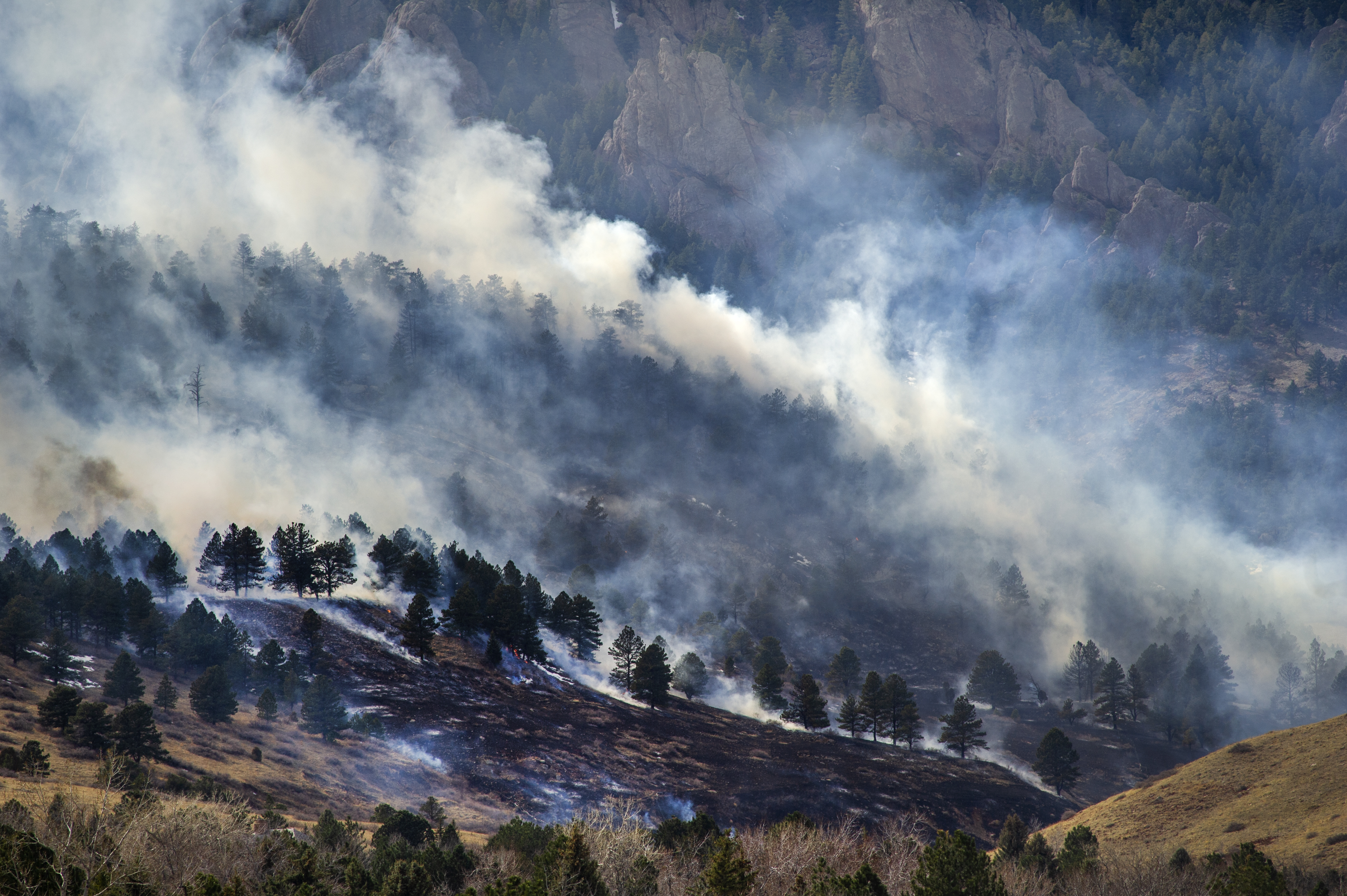
The NCAR fire in south Boulder had burned nearly 200 acres and was 35% contained, fire officials said Sunday.
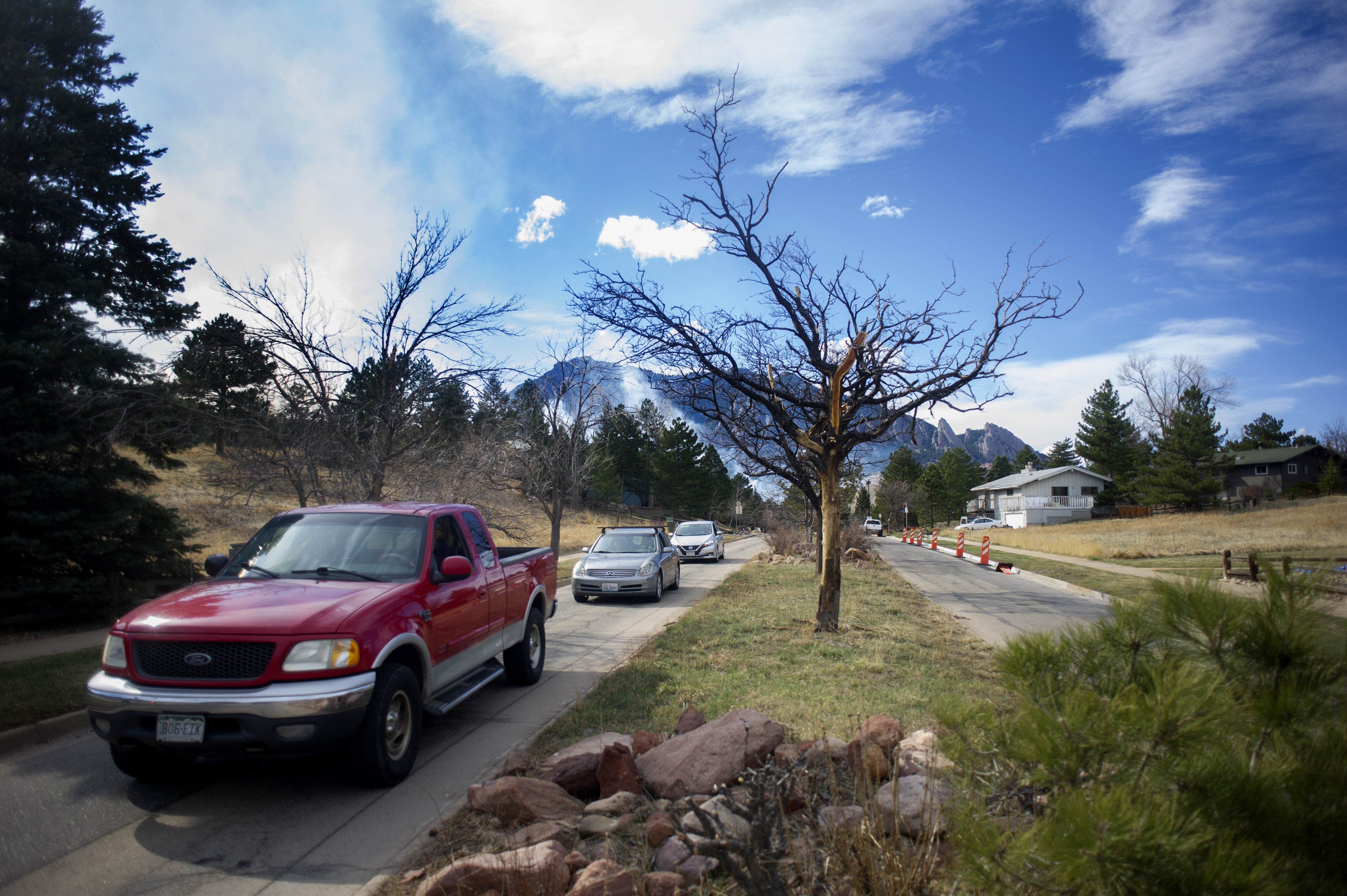
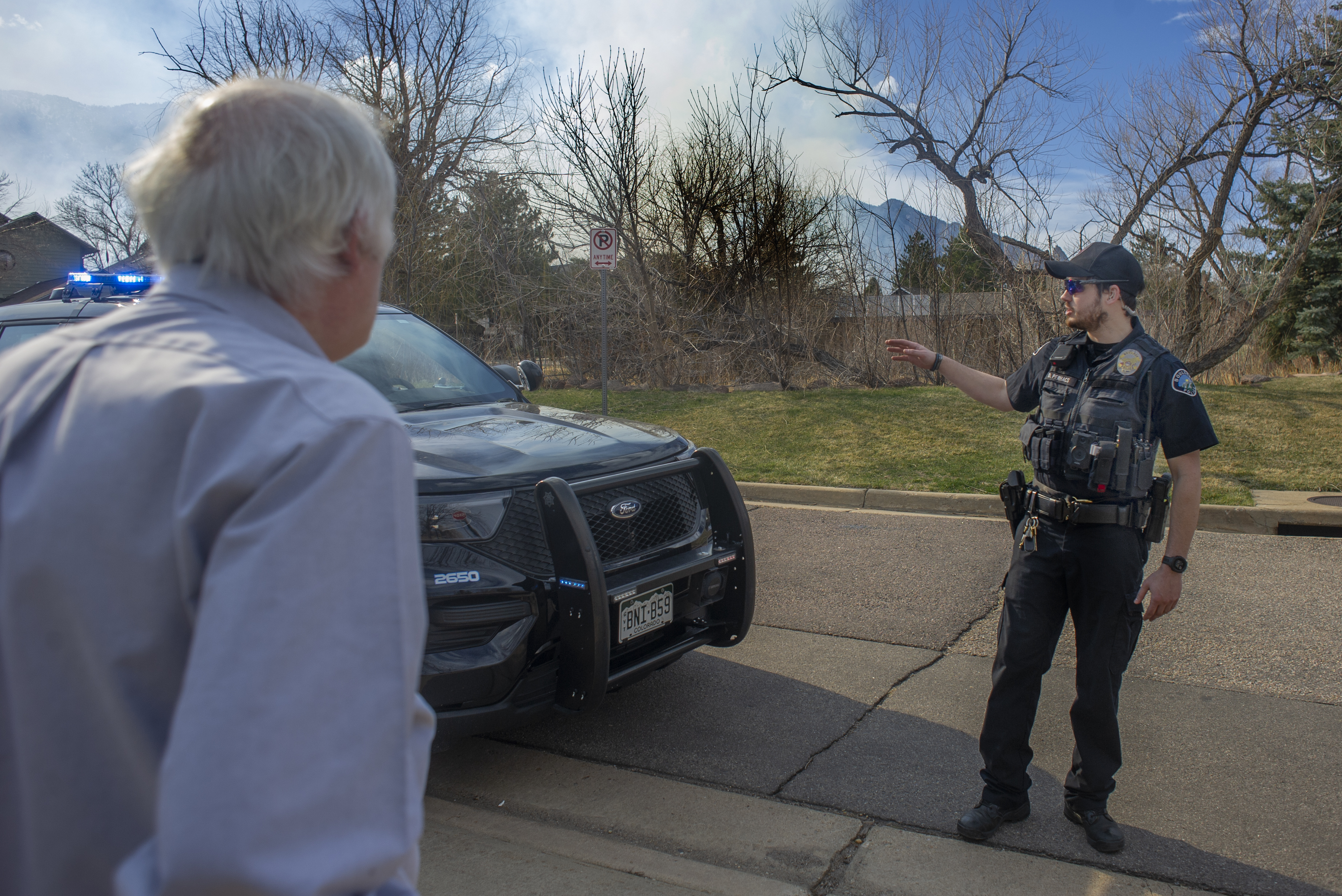
The blaze broke out Saturday afternoon near the National Center for Atmospheric Research, prompting an estimated 19,000 people to evacuate in the San Souci community, the Eldorado Springs area, part of the Table Mesa neighborhood and the University of Colorado Boulder’s south campus.
By 5 p.m. Sunday, authorities had lifted all evacuations.
The fire burned about 60 acres by Saturday afternoon, then grew to around 120 acres by Saturday night. On Sunday afternoon, it had burned 189 acres. The blaze came within 1,000 yards of homes, yet no buildings had been destroyed and no injuries had been reported as of Sunday afternoon.
“We’re going to continue to try to corral this fire up into the rocks (and) into the snow, which is really one of our big holding features right now,” Incident Commander Mike Smith said.
He added: “The intensity of this fire in a few places was pretty high. But for the most part, this is a low intensity fire.”
About 150 firefighters from around 30 agencies battled the fire Sunday as aircraft doused the flames from the air.
“We have resources from all over the Front Range coming in and working on this,” Smith said.
Investigators have not determined what caused the fire.
“The sheriff’s department is actively working on it. I think we got the area, the origin area, identified but we don’t have an actual cause yet,” Smith said.
In late December, the Marshall fire destroyed more than 1,000 homes and businesses in Boulder County and killed two residents. In terms of property loss, it was the most destructive wildfire in state history.
“These are two different animals,” Smith said. “It’s a little bit apples and oranges (to compare the NCAR and Marshall fires) because of wind speed and location.”
“Right now, we’re in a good position,” he added. “The wind speeds are nothing like they were during (the) Marshall (fire). We got a lot of good resources in place. We have full structure protection groups as well as assets up on the hill. I think as long as the weather does what it’s supposed to do today and tomorrow, we’re going to be in good shape.”
NCAR fire in Boulder is 35% contained; evacuations lifted
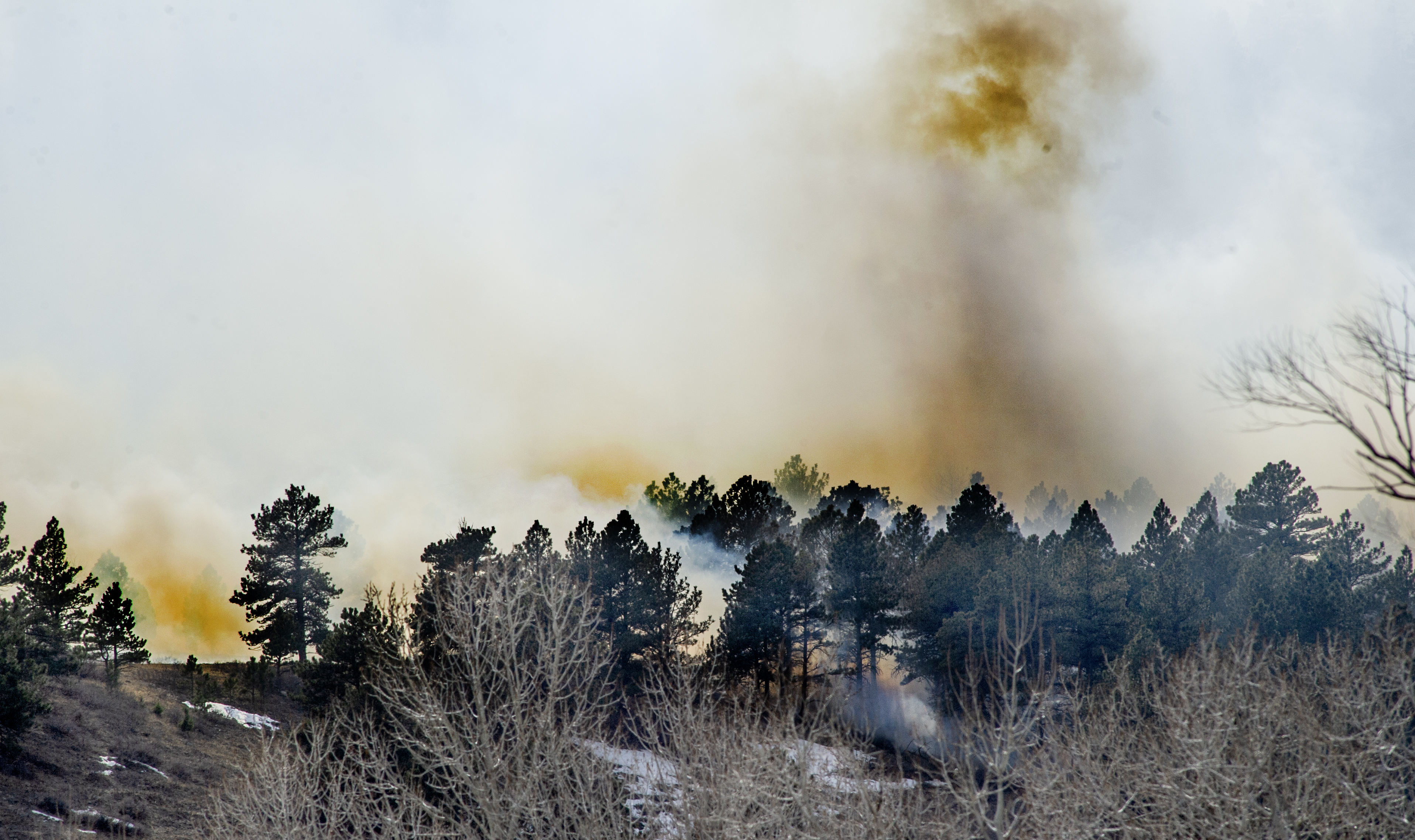
The NCAR fire in south Boulder had burned nearly 200 acres and was 35% contained, fire officials said Sunday.
The blaze broke out Saturday afternoon near the National Center for Atmospheric Research, prompting an estimated 19,000 people to evacuate in the San Souci community, the Eldorado Springs area, part of the Table Mesa neighborhood and the University of Colorado Boulder’s south campus.
By 5 p.m. Sunday, authorities had lifted all evacuations.
The fire burned about 60 acres by Saturday afternoon, then grew to around 120 acres by Saturday night. On Sunday afternoon, it had burned 189 acres. The blaze came within 1,000 yards of homes, yet no buildings had been destroyed and no injuries had been reported as of Sunday afternoon.
“We’re going to continue to try to corral this fire up into the rocks (and) into the snow, which is really one of our big holding features right now,” Incident Commander Mike Smith said.
He added: “The intensity of this fire in a few places was pretty high. But for the most part, this is a low intensity fire.”
About 150 firefighters from around 30 agencies battled the fire Sunday as aircraft doused the flames from the air.
“We have resources from all over the Front Range coming in and working on this,” Smith said.
Investigators have not determined what caused the fire.
“The sheriff’s department is actively working on it. I think we got the area, the origin area, identified but we don’t have an actual cause yet,” Smith said.
In late December, the Marshall fire destroyed more than 1,000 homes and businesses in Boulder County and killed two residents. In terms of property loss, it was the most destructive wildfire in state history.
“These are two different animals,” Smith said. “It’s a little bit apples and oranges (to compare the NCAR and Marshall fires) because of wind speed and location.”
“Right now, we’re in a good position,” he added. “The wind speeds are nothing like they were during (the) Marshall (fire). We got a lot of good resources in place. We have full structure protection groups as well as assets up on the hill. I think as long as the weather does what it’s supposed to do today and tomorrow, we’re going to be in good shape.”