$14 million protest verdict adds on to tens of millions in civil rights case payouts for Denver
Between 2011 and this March, Denver agreed to pay about $25 million for claims of excessive force and other civil rights violations involving the police and sheriff’s departments. Last week’s jury verdict in the first-of-its-kind federal civil rights trial over how police handled the 2020 George Floyd protests will push that total to nearly $42 million if the amount stands.
This is according to data provided to The Denver Gazette by the city attorney’s office on settlements and judgments in civil rights cases. The figure includes settlements requiring City Council’s approval. The records requested don’t separate excessive force cases from other civil rights violations, though excessive force claims make up the majority of the figure.
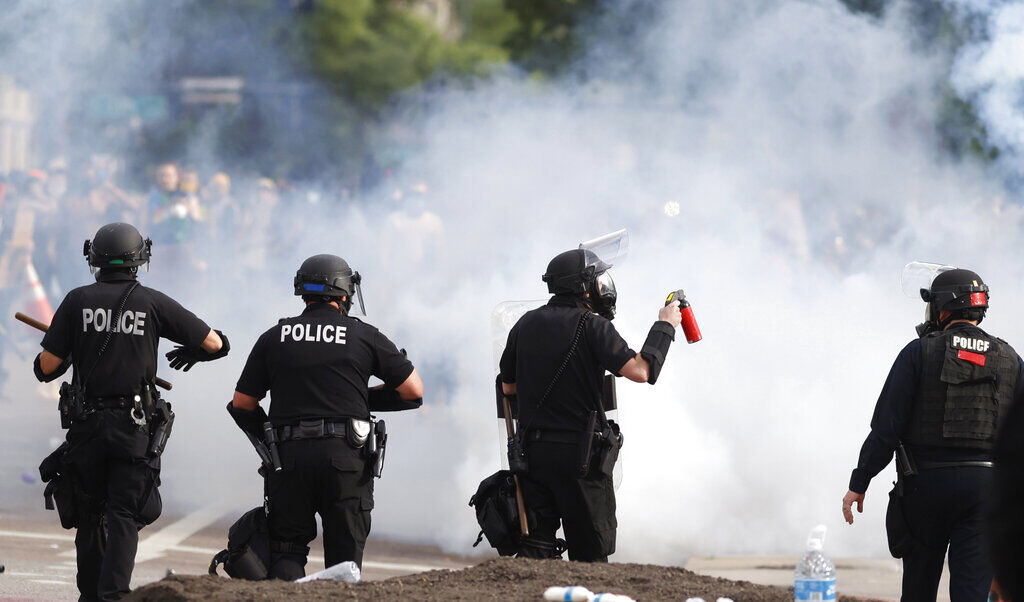
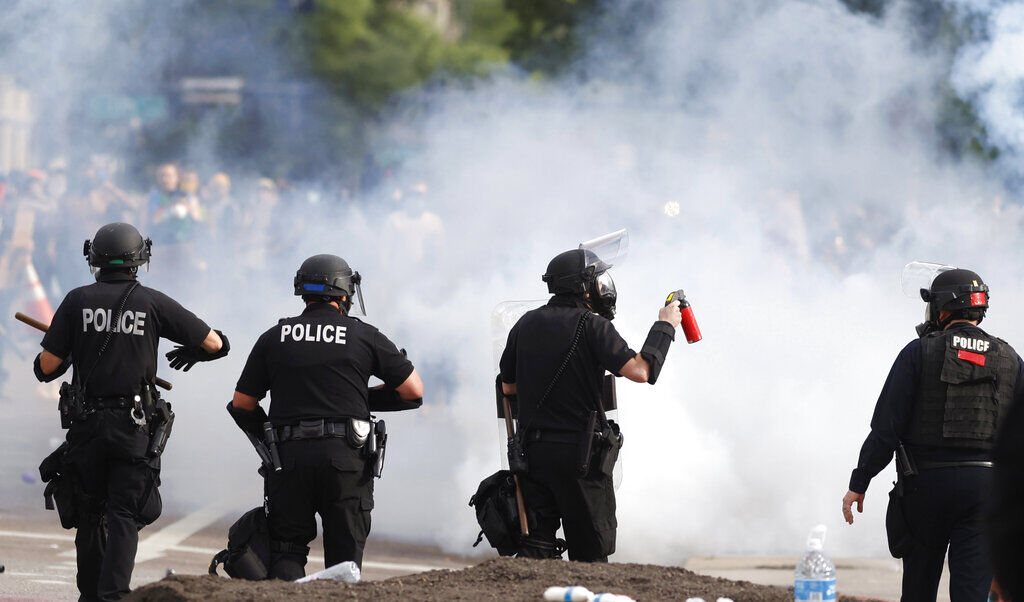
Last week an eight-member jury found Denver responsible for police officers using excessive force with a range of less-lethal weapons against demonstrators during several days of racial justice protests in May and June two years ago. This was the first trial challenging police use of force during the 2020 protests, and the jury awarded a group of 12 protesters $14 million, finding Denver failed to adequately train officers to respond to the demonstrations.
“Many people think that the city has just had a practice of regarding some amount of money for settlements of lawsuits as just the cost of having a police department,” said Mark Silverstein, the ACLU of Colorado’s legal director. The ACLU represented some of the 12 protesters, along with corporate law firm Arnold & Porter.
Silverstein said he believes high-cost verdicts like last week’s are necessary to spur changes in the police department’s practices.
“Apparently, the range so far has not been enough for the city to say, we are having to pay out way too much money to people whose rights we violated.”
Money for settlements comes from Denver’s general fund, rather than the public safety budget.
Ed Obayashi, a use-of-force consultant to law enforcement agencies and a deputy sheriff and legal adviser in Plumas County, California, told the Associated Press protests that turn chaotic and include people intent on violence may make such settlements inevitable.
“It really goes south in an instant because there are individuals out there who want to cause chaos,” he said.
The $14 million far exceeds previous settlements reached in other cities over the 2020 protests. Austin agreed in February to pay a combined $10 million to settle federal lawsuits with two men injured by police, the Austin American-Statesman reported.
Last December Columbus, Ohio, settled with a group of protesters for $5.75 million, and agreed to a number of terms in a permanent injunction, including no longer using less-lethal force against nonviolent protesters to enforce dispersal orders, traffic laws and misdemeanors.
Of the dozen protesters in the Denver case, Zachary Packard received the highest award — $3 million. He was shot in the head with a Kevlar bag filled with lead pellets, and suffered a fractured skull and bleeding in his brain. The protesters claimed officers used less-lethal weapons indiscriminately during the protests, leading to peaceful protesters being harmed.
City attorney spokesperson Jacqlin Davis said in an email the office is still evaluating whether to appeal last week’s verdict.
The protests led to an overhaul of how officers respond to protests and use less-lethal munitions in the future, before case went to trial, the Department of Safety’s spokesperson told The Denver Gazette.
- Banning the use of 40mm launchers, stinger grenades and noise-flash diversionary devices for crowd control.
- Firing pepperballs directly at someone now requires they are actively aggressive, though they can be fired at the ground or in a general area during defensive resistance situations.
- Officers now have to complete use-of-force reports when they deploy any less-lethal weapons, including pepper spray, by the end of their shift.
“Well before the trial and beginning in 2021, the Department of Safety and the DPD reflected on how we fell short, where we could improve, and how we can better support our community moving forward,” spokesperson Kelly Jacobs said in a statement. “Based upon what we have learned, we have made specific changes to how the Police Department will respond if protests erupt in violence in the future.”
Robert Davis, the head of Denver’s Task Force for Reimagining Policing and Public Safety, said the millions for settlements and verdicts Denver has been accountable for paying – especially since few officers have been disciplined for actions during the 2020 protests — is a sign officers should be required to carry their own liability insurance.
“Since we’ve already made up our mind we’re not going to hold police accountable, then let them carry their own insurance.”
At trial the city sought to show police were caught off guard by the size and intensity of the protests, and did their best to respond to crowds in which people who assaulted officers and destroyed property mixed in with peaceful protesters.
“We were prepared for a worst-case scenario, but we weren’t fully prepared for what transpired,” Jacobs wrote. “Unfortunately, Denver Police Department officers and other law enforcement officers responding to assist encountered extreme destructive behavior from some agitators among largely peaceful protestors. We recognize that some mistakes were made.”
Lisa Calderón, a longtime activist for policing reform in Denver and currently the executive director of Emerge Colorado, isn’t confident that the $14 million verdict by itself will drive sweeping changes in the police department. Other incidents, including previous protests, killings of unarmed people and in-custody deaths have led to promises of change before, she said.
“Instead, we got not only more of the same, but it got worse and the trial pointed that out just how bad things were,” she said. Calderón believes any possibility of large-scale changes to the police department lies in the 2023 city election, when voters will choose a new mayor to replace term-limited Michael Hancock.
“This administration has no impetus for doing anything better because they can just continue to write the check on the taxpayers’ back. So there is no impetus for change except another election.”
The Denver Police Protective Association, the labor union representing the department’s officers, released a statement Monday standing behind their actions during the protests.
“We were targeted and we also cannot forget over 70 of our officers were injured because of this violence,” said the statement. “If the men and women of the Denver Police Department had not held the line for those five days, there would not be a downtown Denver.”
Federal civil rights violations have a two-year statute of limitations, and Silverstein said the ACLU has already heard from a few more prospective plaintiffs since last week’s verdict. Last week’s verdict may spur more people injured in the 2020 protests to seek out legal help and may influence the settlement value of other pending cases, he said, because the jury has put a price tag on harm from excessive use of less-lethal weapons.
“And the jury has already said that it’s the policy and practices of Denver that caused these constitutional violations. And so I think, to the extent that Denver might have been thinking, we can pay out a few thousand dollars, for all of these pending cases, perhaps this verdict has would require them to rethink that.”
This story has been updated to reflect that a $2.5 million excessive force verdict against Denver reached last year is currently on appeal.