







CPW warns of increased bear activity as they emerge from hibernation
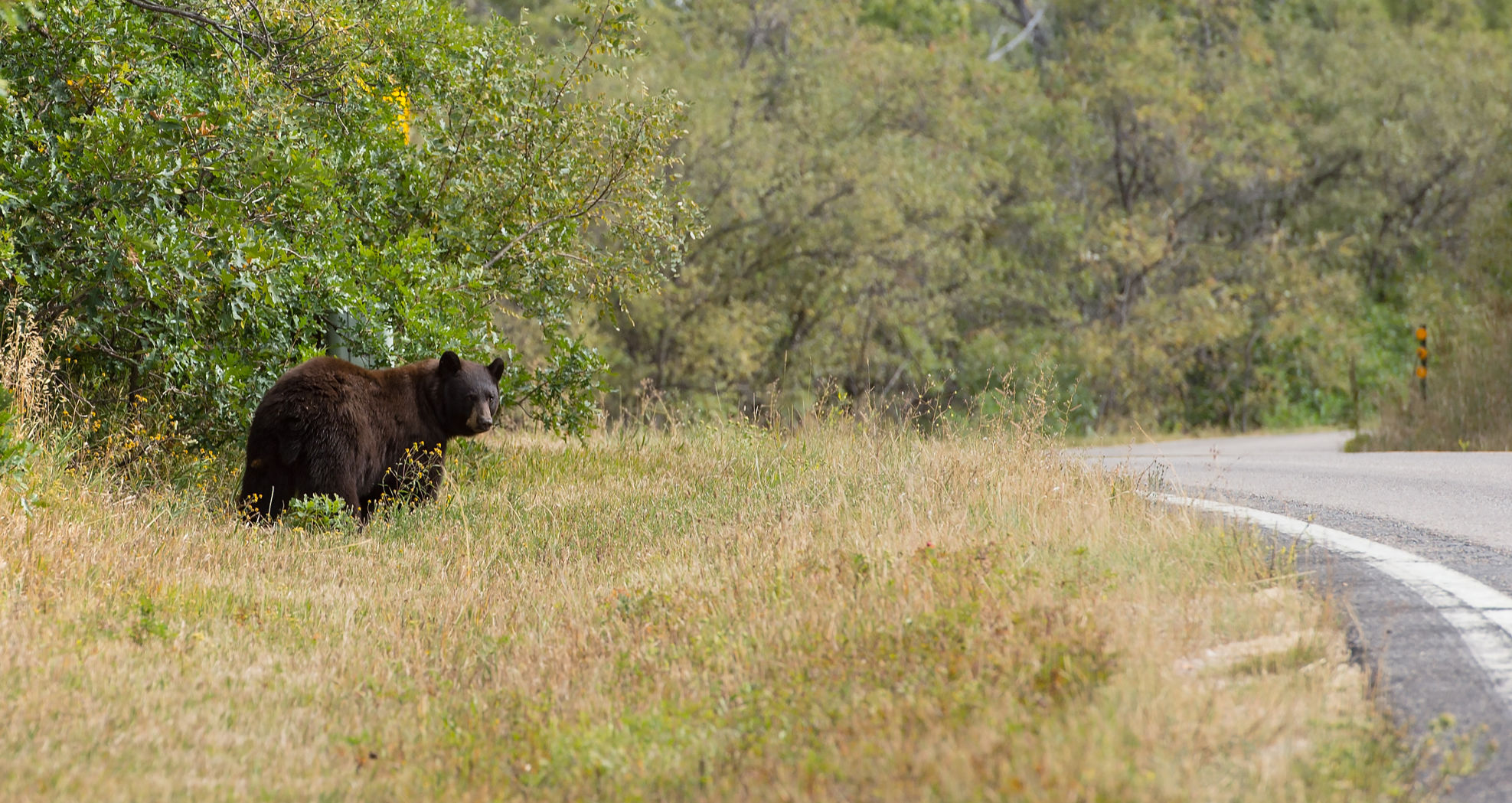
Colorado Parks and Wildlife is reminding Coloradans to do their part to reduce the chances of conflict between bears and humans as the bears emerge from hibernation this spring and search for food.
As of Thursday, CPW officials had already received reports of bear activity in 14 counties. Residents are asked to secure any and all attractants such as trash cans, bird feeders or other human-provided food sources around homes and businesses.
“Every time a bear gets a treat, a bird feeder, a hummingbird feeder, or trash, it teaches the bear that people mean food,” said Mark Lamb, CPW’s Area Wildlife Manager for Area 1. “People who think that it’s one time, not big deal, are totally wrong. It’s a big deal when you compound that ‘one time’ with how many ‘one timers’ they get from your neighbors, too. It adds up.”
Male bears — boars — are the first to emerge from their dens and are traditionally followed by females who did not give birth. Those that gave birth generally emerge in late April, according to CPW.
Bears eat grasses, aspen buds and other vegetative matter that begins to sprout. These are gentle food sources and officials said it helps a bears digestive system and metabolism adjust back to normal.
“Their bodies are needing to adjust to the fact that they haven’t consumed anything for sometimes six months,” said Mark Vieira, carnivore and furbearer program manager at CPW.
Over 90% of a bear’s natural diet is grasses, berries, fruits, nuts and berries, which is why it’s important for Coloradans to remember proper “bear aware” practices that may help prevent bears from discovering your home or neighborhood as a food source.
Those tips include:
- Keep garbage in a well-secured enclosure.
- Only put out garbage on the morning of pickup; bring empty cans inside before dark.
- Use a bear-resistant trash can or dumpster. These are available online or from your trash hauler.
- Clean all garbage cans regularly to keep them odor free. The scent of ammonia can also deter bears.
- Take down all bird feeders. Bird feeders are a major contributor to bear/human conflicts and resulted in 1,073 conflicts between 2019 and 2021.
- Don’t leave pet food or stock feed outside.
- Install and test electric fencing to protect chicken coops, bee hives and livestock enclosures
- Keep garage doors and windows closed and locked
For additional information about bears and guidance from CPW, click here.
CPW warns of increased bear activity as they emerge from hibernation
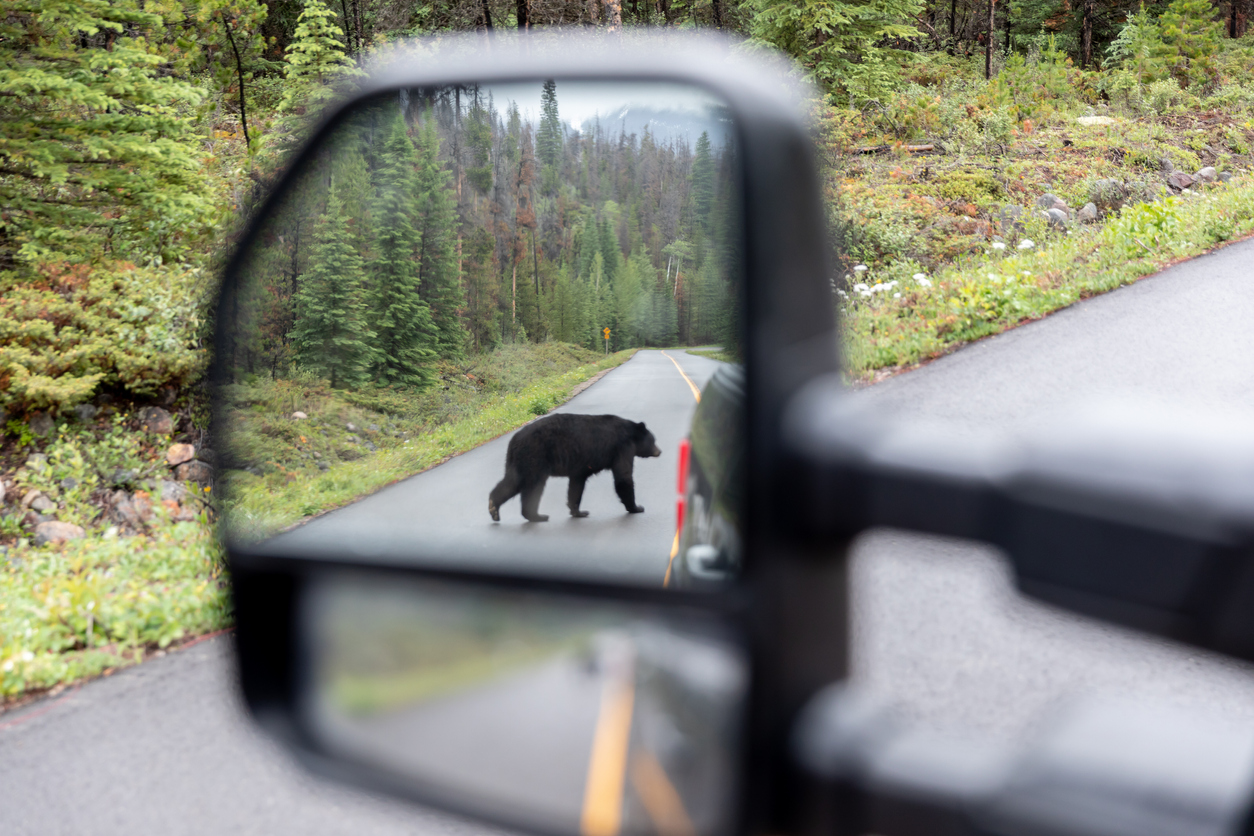
Colorado Parks and Wildlife is reminding Coloradans to do their part to reduce the chances of conflict between bears and humans as the bears emerge from hibernation this spring and search for food.
As of Thursday, CPW officials had already received reports of bear activity in 14 counties. Residents are asked to secure any and all attractants such as trash cans, bird feeders or other human-provided food sources around homes and businesses.
“Every time a bear gets a treat, a bird feeder, a hummingbird feeder, or trash, it teaches the bear that people mean food,” said Mark Lamb, CPW’s Area Wildlife Manager for Area 1. “People who think that it’s one time, not big deal, are totally wrong. It’s a big deal when you compound that ‘one time’ with how many ‘one timers’ they get from your neighbors, too. It adds up.”
Male bears — boars — are the first to emerge from their dens and are traditionally followed by females who did not give birth. Those that gave birth generally emerge in late April, according to CPW.
Bears eat grasses, aspen buds and other vegetative matter that begins to sprout. These are gentle food sources and officials said it helps a bears digestive system and metabolism adjust back to normal.
“Their bodies are needing to adjust to the fact that they haven’t consumed anything for sometimes six months,” said Mark Vieira, carnivore and furbearer program manager at CPW.
Over 90% of a bear’s natural diet is grasses, berries, fruits, nuts and berries, which is why it’s important for Coloradans to remember proper “bear aware” practices that may help prevent bears from discovering your home or neighborhood as a food source.
Those tips include:
- Keep garbage in a well-secured enclosure.
- Only put out garbage on the morning of pickup; bring empty cans inside before dark.
- Use a bear-resistant trash can or dumpster. These are available online or from your trash hauler.
- Clean all garbage cans regularly to keep them odor free. The scent of ammonia can also deter bears.
- Take down all bird feeders. Bird feeders are a major contributor to bear/human conflicts and resulted in 1,073 conflicts between 2019 and 2021.
- Don’t leave pet food or stock feed outside.
- Install and test electric fencing to protect chicken coops, bee hives and livestock enclosures
- Keep garage doors and windows closed and locked
For additional information about bears and guidance from CPW, click here.