




IMAX film hopes to raise awareness of largely unknown North American ecosystem | Bird Call
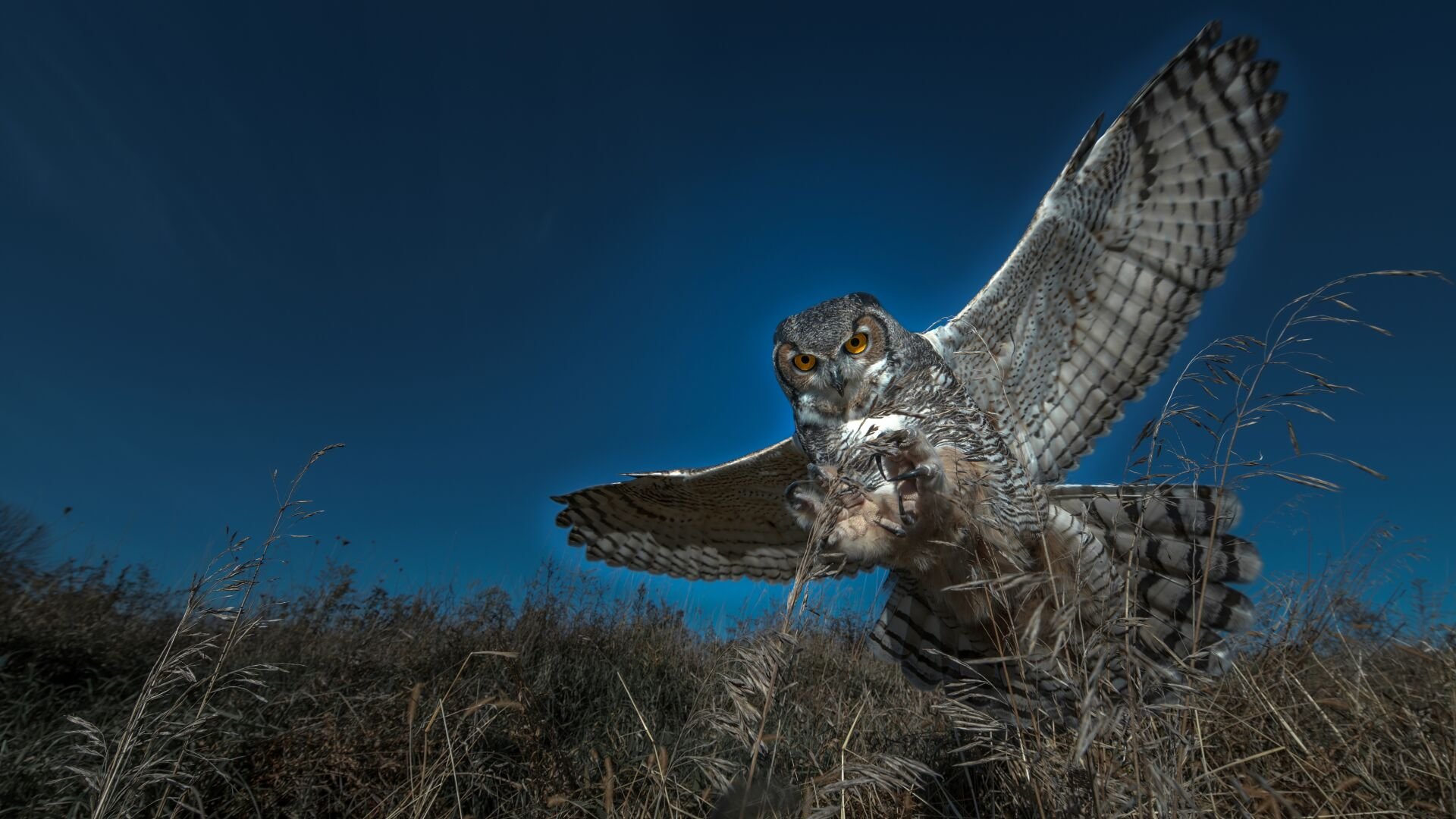
An enormous, vital ecosystem exists to the north, likely to the surprise of most.
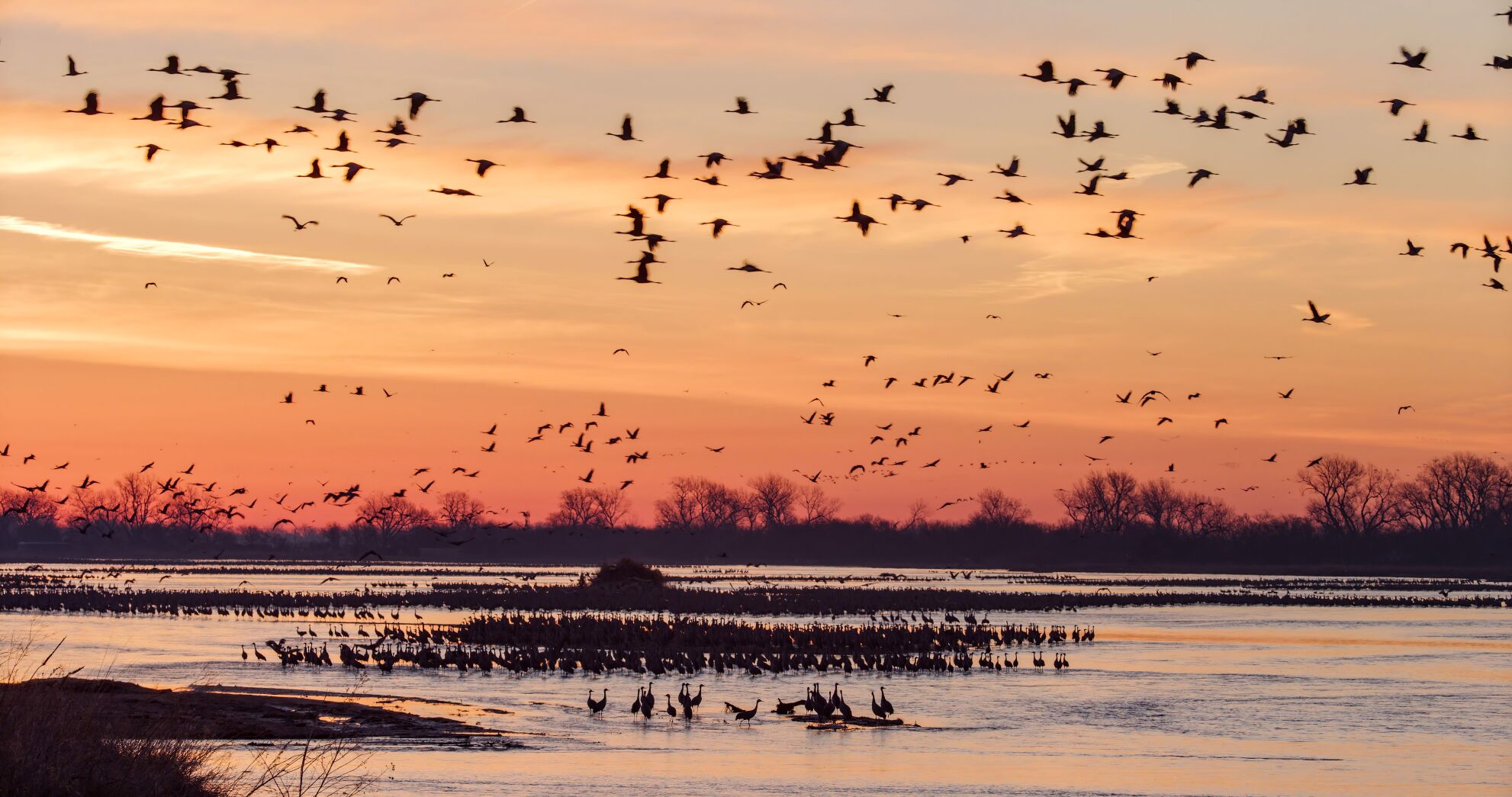
The prairie wetlands, which span more than 300,000 square miles from western Canada to South Dakota, are home to millions of birds and other species. But the habitat is slowly being decimated.
Research published by the journal Science in 2019 revealed wild bird populations in the U.S. and Canada have declined by almost 30% since 1970. That’s 3 billion birds.
“That’s a quarter of our bird population that has been lost. It’s absolutely shocking,” said Chris Dorsey, a Denver film producer and biologist. “Almost 25 years ago I flew over the wetlands, and it’s stunning. It’s the richest bird nursery on our planet, and the average person doesn’t know anything about it.”
“Wings Over Water,” an IMAX film now showing at the Denver Museum of Nature and Science, chronicles the rich geological history of the region and follows the journeys of three of its species: sandhill cranes, yellow warblers and mallard ducks.
Dorsey, the film’s executive producer, hopes it will bring more awareness of the prairie wetlands to bird lovers, conservationists and the public, and stimulate conversation about the importance of saving the ecosystem.
“The prairie wetlands … are as ecologically important to North America as the Amazon is to South America or the Serengeti is to Africa,” Charles Potter, president and CEO of Max McGraw Wildlife Foundation, said in a 2020 article on Forbes.com. Potter also is an executive producer of the film.
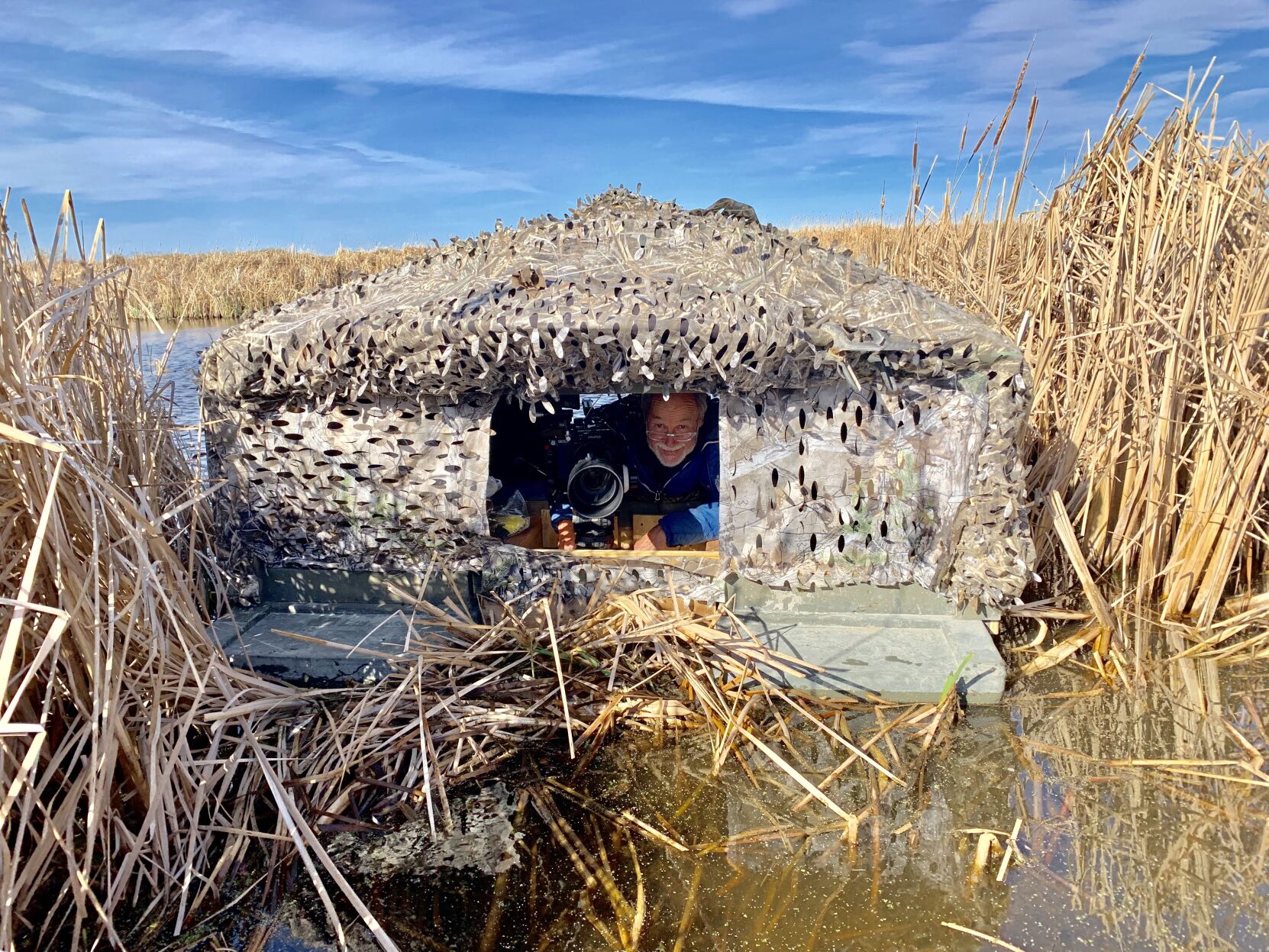
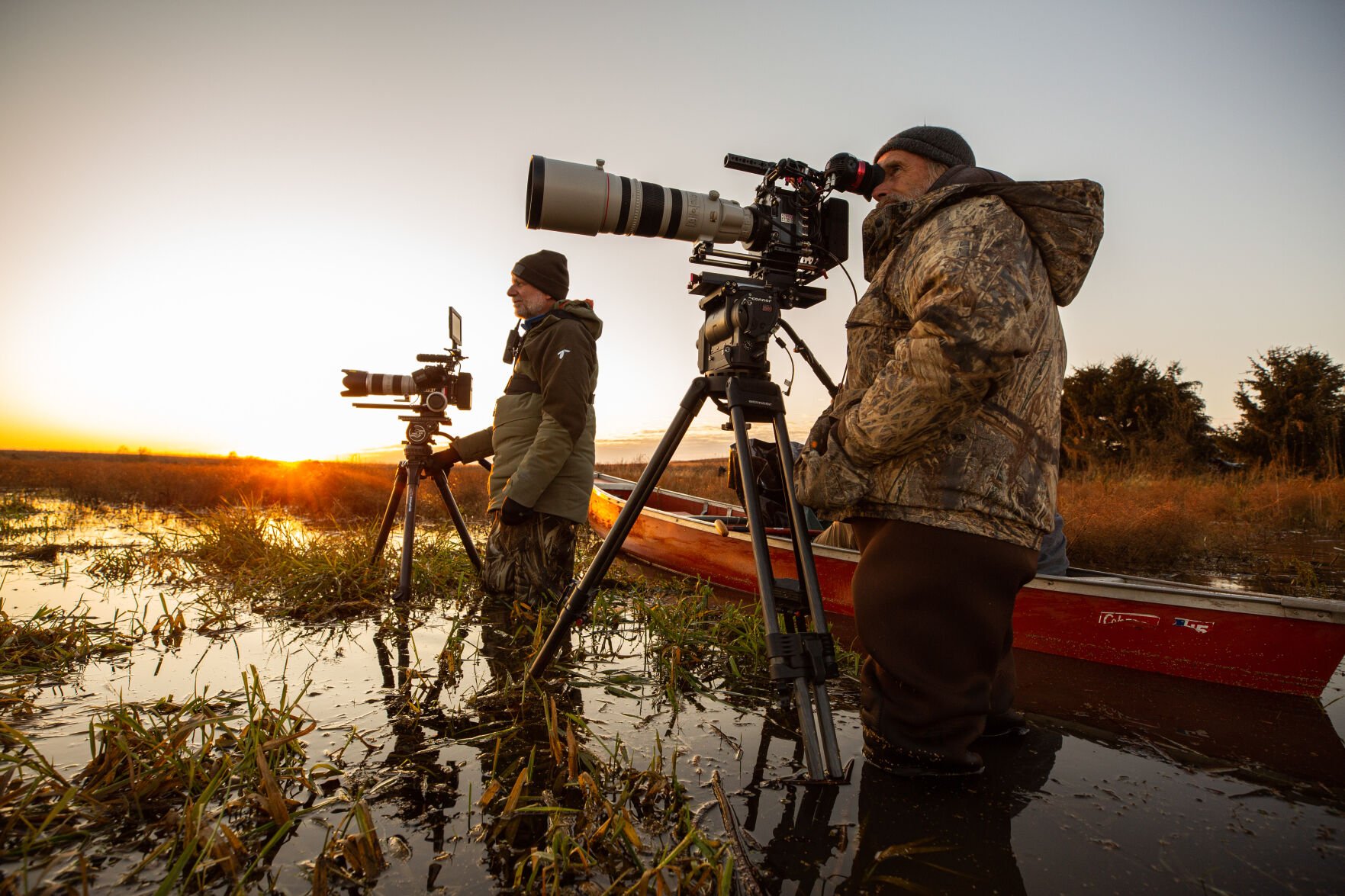
Actor and conservationist Michael Keaton narrates the 44-minute documentary, which took more than two years to shoot. The crew hid in bird blinds to get close-ups.
The three featured species were selected for a purpose.
“They were iconic and emblematic of the prairie wetland system,” Dorsey said. “All of them have different stories to tell. They all go to different areas for winter, but all come to the prairie wetlands to breed and nest.”
Bird Call: Crows, glorious crows; smart, chatty, loud
The ecosystem is a result of glaciers that descended across North America at the end of the last ice age and carved out potholes and wetlands and created rich soil.
“Without that ecosystem, we don’t have clean water,” Dorsey said. “It also holds lots of water and snow melt, so it doesn’t run into water banks and destroy cities. The grassland ecosystem is enormous — it’s pulling carbon out of the atmosphere and purifying the air and giving oxygen in return. We don’t know where the continent would be without a healthy ecosystem out there. We don’t want to find out.”
Bird Call: No backyard? No problem. Try live bird cams
But when drought hits, and the hungry planet must be fed, the prairie becomes an easy target — it can be plowed through or drained for farmland. But doing so breaks an ecological bond that isn’t easy to restore.
“It has evolved over thousands of years to be the perfect soup kitchen for water birds,” Dorsey said. “That’s what we’re trying to save. We want to prevent loss because it’s much less expensive to keep the wetlands around rather than reconstitute them, and they’re never what they once were anyway.”
Contact the writer: 636-0270

Get OutThere
Signup today for free and be the first to get notified on new updates.
IMAX film hopes to raise awareness of largely unknown North American ecosystem | Bird Call
An enormous, vital ecosystem exists to the north, likely to the surprise of most.
The prairie wetlands, which span more than 300,000 square miles from western Canada to South Dakota, are home to millions of birds and other species. But the habitat is slowly being decimated.
Research published by the journal Science in 2019 revealed wild bird populations in the U.S. and Canada have declined by almost 30% since 1970. That’s 3 billion birds.
“That’s a quarter of our bird population that has been lost. It’s absolutely shocking,” said Chris Dorsey, a Denver film producer and biologist. “Almost 25 years ago I flew over the wetlands, and it’s stunning. It’s the richest bird nursery on our planet, and the average person doesn’t know anything about it.”
“Wings Over Water,” an IMAX film now showing at the Denver Museum of Nature and Science, chronicles the rich geological history of the region and follows the journeys of three of its species: sandhill cranes, yellow warblers and mallard ducks.
Dorsey, the film’s executive producer, hopes it will bring more awareness of the prairie wetlands to bird lovers, conservationists and the public, and stimulate conversation about the importance of saving the ecosystem.
“The prairie wetlands … are as ecologically important to North America as the Amazon is to South America or the Serengeti is to Africa,” Charles Potter, president and CEO of Max McGraw Wildlife Foundation, said in a 2020 article on Forbes.com. Potter also is an executive producer of the film.
Actor and conservationist Michael Keaton narrates the 44-minute documentary, which took more than two years to shoot. The crew hid in bird blinds to get close-ups.
The three featured species were selected for a purpose.
“They were iconic and emblematic of the prairie wetland system,” Dorsey said. “All of them have different stories to tell. They all go to different areas for winter, but all come to the prairie wetlands to breed and nest.”
Bird Call: Crows, glorious crows; smart, chatty, loud
The ecosystem is a result of glaciers that descended across North America at the end of the last ice age and carved out potholes and wetlands and created rich soil.
“Without that ecosystem, we don’t have clean water,” Dorsey said. “It also holds lots of water and snow melt, so it doesn’t run into water banks and destroy cities. The grassland ecosystem is enormous — it’s pulling carbon out of the atmosphere and purifying the air and giving oxygen in return. We don’t know where the continent would be without a healthy ecosystem out there. We don’t want to find out.”
Bird Call: No backyard? No problem. Try live bird cams
But when drought hits, and the hungry planet must be fed, the prairie becomes an easy target — it can be plowed through or drained for farmland. But doing so breaks an ecological bond that isn’t easy to restore.
“It has evolved over thousands of years to be the perfect soup kitchen for water birds,” Dorsey said. “That’s what we’re trying to save. We want to prevent loss because it’s much less expensive to keep the wetlands around rather than reconstitute them, and they’re never what they once were anyway.”
Contact the writer: 636-0270
Get OutThere
Signup today for free and be the first to get notified on new updates.
PREV
PREVIOUS

At Home: Home worth more? You’re probably underinsured — 13 ways to save
The good news is your home has never been worth more. That takes some of the sting out of the fact that the stock market is down, and that you now need to work 10 years longer than you’d planned. But take heart. The housing price run-up is real. In 2021, the average U.S. home […]

Coloradans among history-making team on Mount Everest
History has been claimed atop Mount Everest, and Coloradans played a role. According to The Himalayan Times, an all-Black team reached the top of the world at 29,032 feet Thursday, said to be the first to ever do so. In a social media post Friday, the team’s leader, Philip Henderson of Cortez in southwest Colorado, […]